Dog Upset Stomach: Causes, Remedies & When to Worry
A vet-reviewed guide to dog upset stomach: causes, a vomit-color triage table, safe home remedies, a bland-diet recipe, OTC medicine cautions, and the red flags that mean call the vet now.

BVMS MRCVS
Medically reviewed by Dr. Pippa Elliott, BVMS MRCVS · Last reviewed

This article contains affiliate links. Webvet may earn a commission when you buy through them, at no extra cost to you.
This article contains affiliate links. Webvet may earn a commission when you buy through them, at no extra cost to you.
A dog upset stomach is short-term gastrointestinal irritation that causes vomiting, diarrhea, gurgling, gas, drooling, or appetite loss, usually from eating something they should not have. Most cases settle within a day or two with rest, a bland diet, and water. Blood, a swollen belly, or symptoms past 48 hours mean call your vet now.
Dog Upset Stomach: What It Is and Why It Happens
An upset stomach (acute gastroenteritis) is inflammation of the stomach and intestines that throws off normal digestion. Most cases trace back to dietary indiscretion: the vet term for a dog eating garbage, table scraps, a new treat, spoiled food, or something off the ground.
When the gut lining becomes inflamed, it stops absorbing water and nutrients the way it should and starts moving its contents through faster. That is why diarrhea and vomiting so often appear together: both are the body's way of clearing an irritant. Understanding this mechanism helps you stay calm and focus on hydration rather than panicking at the first soft stool.
When loose stool is the main sign, see our guide to probiotics for dogs with diarrhea for which products help and when to call the vet.
The good news: most uncomplicated cases are short-lived and resolve in a day or two. The job at home is to spot whether your dog has a simple tummy upset that rest will fix, or a warning sign of something serious that needs a vet.
Here is the core idea to keep in mind. A dog's digestive system is designed to flush out irritants, so a single bout of vomiting or one soft stool after a dietary slip is often the body doing its job. What matters is the pattern: how often it is happening, whether your dog still seems like themselves, and whether the symptoms are getting better or worse over the first day. A bright dog who throws up once and then wants dinner is very different from a flat, repeatedly vomiting dog who will not drink.
It also helps to track the trend rather than any single episode. Vets call this the trajectory: a dog whose vomiting is spacing further apart and who shows returning interest in water is trending the right way, while a dog whose episodes are getting closer together, or who slides from mildly off to truly listless, is trending the wrong way and should be seen sooner.
Symptoms of an Upset Stomach in Dogs (and Stomach-Bug Signs)
Dogs cannot tell you they feel queasy, so they show it through behavior and body signals. Common signs of an upset stomach include:
Vomiting or retching (with or without food coming up)
Diarrhea or straining to poop
Loud stomach gurgling or rumbling noises and excess gas
Drooling, lip-smacking, or tooth chattering (signs of nausea)
Loss of appetite, lethargy, or restlessness
Eating grass or a hunched, uncomfortable posture
Pay special attention to posture and energy, because these often signal pain before anything dramatic happens. A dog who repeatedly stretches into a play bow with the front down and rear up (the so-called prayer position), tucks the belly, or paces and cannot get comfortable may be telling you the discomfort is more than mild. Trust a clear change in how your dog carries itself.
- 1A simple upset stomach usually shows mild vomiting or soft stool but a dog that is still bright, alert, and drinking water.
- 2A stomach bug or something more serious tends to add fever, marked lethargy, repeated vomiting, or blood.
- 3When in doubt, the safest move is always a quick call to your vet.
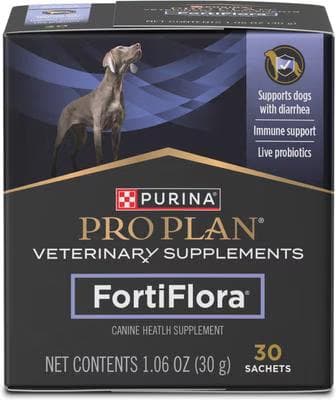
The #1 vet-recommended probiotic for dogs. Daily powder sachets with live probiotics support healthy digestion and firmer stools, and can help dogs coping with diarrhea or GI upset.
Webvet may earn a commission when you click through to Chewy, at no extra cost to you.
Mild tummy upset vs. a stomach bug: how to tell
A simple upset stomach (a stomach bug, or infectious gastroenteritis) often look similar at first, and the only way to be sure of the cause is sometimes a vet visit. As a rough guide, a mild upset usually means one or two episodes of vomiting or soft stool in a dog who is still alert, wagging, and willing to drink. A stomach bug or more serious problem tends to bring repeated vomiting, watery diarrhea, a fever, real lethargy, or a dog who hides and refuses water. The second picture earns a same-day call to the vet.
One detail vets rely on is whether your dog still wants to drink and can keep small amounts of water down. A dog that drinks and holds it is usually weathering a mild bout, while a dog that vomits up every sip is losing fluid faster than it can replace, which tips a simple upset toward a problem that needs hands-on care. Watch that single behavior closely over the first several hours.

What Causes an Upset Stomach in Dogs? 10+ Common Triggers
Most upset stomachs come from something simple, but the list of possible triggers is long. The most common causes include:
Dietary indiscretion: garbage, table scraps, spoiled food, or something scavenged outdoors.
Sudden diet changes: switching foods too fast or introducing a rich new treat.
Eating too fast, overeating, or food allergies and sensitivities.
Infections: bacteria, viruses (including parvovirus in puppies), or intestinal parasites.
Toxins and poisons: chocolate, xylitol, grapes, certain plants, medications, or chemicals.
Foreign objects: swallowed toys, bones, socks, or rocks that can block the gut.
Underlying disease: pancreatitis, acid reflux, inflammatory bowel disease, ulcers, or liver and kidney problems.
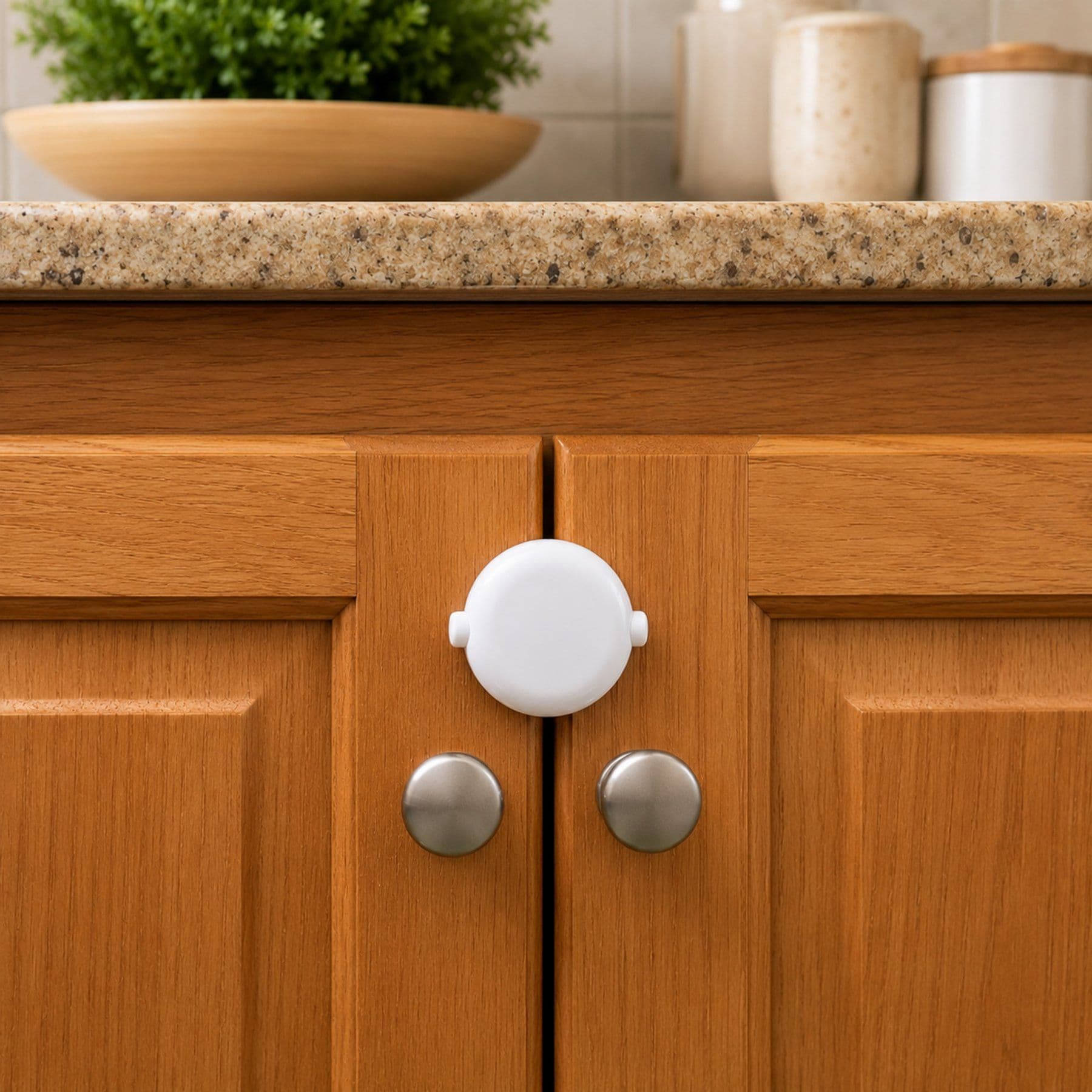
Adhesive double-door cabinet locks made for homes with dogs, no drilling. Bait stations, cleaners, and medications belong behind a latch a nose cannot open, which is the prevention step every poison-control call ends with.
Webvet may earn a commission when you click through to Chewy, at no extra cost to you.
Stress and anxiety: travel, boarding, a new home, or routine changes can upset digestion.
Heatstroke and motion sickness can also trigger nausea and vomiting.
Pancreatitis deserves a special mention because it is easy to trigger and surprisingly common after a fatty meal. A single helping of bacon grease, turkey skin, or holiday leftovers can inflame the pancreas, causing intense pain, repeated vomiting, and a hunched posture. Pancreatitis is not a wait-and-see upset stomach; it usually needs veterinary care, fluids, and pain control, so fatty-food vomiting deserves a call.
Foreign objects are the cause owners most often overlook. A dog that swallows a sock, corn cob, peach pit, or chunk of a toy may seem fine for a day, then start vomiting as the item lodges in the intestine. The tell is vomiting that keeps returning despite an empty stomach, paired with no appetite. A suspected blockage is an imaging-and-surgery problem, not a home-remedy one.
Dog Vomit and Diarrhea Color Guide: What Each Color Means
The color and texture of what comes up (or out) is one of the best clues to what is going on. Use this triage table as a starting point, then tap any color for a full deep-dive. Color is a guide, not a diagnosis: when in doubt, call your vet.
| Color | What it often means | How urgent |
|---|---|---|
| Yellow or green | Bile from an empty stomach or acid reflux; common with hunger vomiting | Usually mild; watch and feed small meals |
| White foam | Foamy bile, gas, gulping air, or nausea on an empty stomach | Often mild but recheck if it repeats |
| Undigested food | Eating too fast, regurgitation, or food not agreeing with them | Usually mild; slow feeding helps |
| Red or pink (fresh blood) | Bleeding in the stomach or upper GI tract | Urgent; call the vet |
| Brown (coffee-ground look) | Could be food or digested (older) blood | Urgent if it looks like coffee grounds |
| Black or tarry stool/vomit | Digested blood from the upper GI tract | Emergency; vet now |
A practical tip: snap a quick phone photo of any unusual vomit or stool before you clean it up. Color shifts as it dries, and the difference between bright fresh blood and dark digested blood tells your vet whether the bleeding is low and recent or high and ongoing. A clear photo, plus a note on the time and how many times it happened, often saves an exam-room guessing game.
Go deeper on each: a dog throwing up yellow bile, throwing up white foam, throwing up undigested food, or vomiting blood. If diarrhea is also part of the picture, our guide to vomiting and diarrhea together walks through the combined symptoms.
Vomiting is not the same as regurgitation. Vomiting involves heaving and abdominal effort. Regurgitation is passive: food slides back up right after eating with no effort. The difference helps your vet narrow the cause.
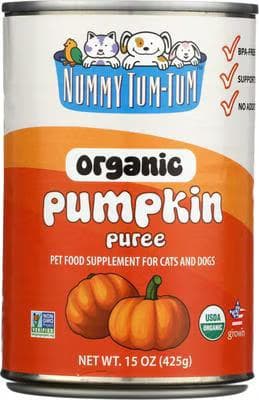
Pure USDA-organic pumpkin puree, no fillers or additives. Adds gentle soluble fiber to firm up loose stool and settle a mildly upset stomach. A simple vet-favorite topper.
Webvet may earn a commission when you click through to Chewy, at no extra cost to you.
 $65 · no membership
Worried about your dog's vomiting or diarrhea?
A licensed vet can examine your dog over video and prescribe treatment online when it's appropriate.
 Talk to a vet
- Licensed vets
- All 50 states
- same-day Rx
Webvet may earn a commission if you book.
Home Remedies for a Dog's Upset Stomach (Step by Step)
If your dog is otherwise bright, alert, and has no red-flag signs, you can often manage a mild upset stomach at home. Here is the step-by-step approach most vets recommend:
1. A short rest for the stomach
For an adult dog, a brief food rest of 6 to 12 hours can let an irritated gut calm down. Never fast puppies, seniors, small breeds, pregnant dogs, or any dog with a health condition, as they can crash quickly. Always keep water available.
The reason a short rest helps is simple: an empty stomach has nothing new to react to, so the lining gets a chance to settle and the vomiting reflex quiets down. Think of it as a pause, not starvation. If your dog is begging, still bright, and the rest period has passed without vomiting, that is your green light to start the bland diet rather than extending the fast.
2. Keep water coming (in small amounts)
Dehydration is the biggest risk with vomiting and diarrhea. Offer small, frequent sips rather than a huge bowl at once. Ice cubes to lick or a little unsalted bone broth can encourage drinking when your dog feels off.
There is a reason vets stress small amounts. A dog that gulps a full bowl on a queasy stomach often vomits it right back up, losing even more fluid and electrolytes in the process. Offering a few tablespoons every 20 to 30 minutes keeps fluid going in without overwhelming the stomach. You can quickly check hydration by feeling the gums: they should be slick and wet, not dry or tacky.

3. Reintroduce food with a bland diet
Once vomiting has stopped for several hours, start a bland diet in small portions (recipe below). A spoon of plain canned pumpkin (not pie filling) can firm up loose stool, and a vet-recommended probiotic may help restore healthy gut bacteria.
4. Watch closely and track symptoms
Note how often your dog vomits or has diarrhea, the color, and their energy and appetite. Improvement should begin within 24 to 48 hours. If things stall or worsen, stop home care and call your vet.
A simple written or phone-note log beats relying on memory, especially when you are tired and worried. Jot the time of each vomiting or diarrhea episode, what it looked like, and whether your dog drank or ate. The pattern that emerges, whether episodes are spacing out or clustering, is exactly what your vet will ask about and what tells you if home care is working.

Bland Diet for Dogs: The 80/20 Rice-and-Chicken Recipe
The classic vet-recommended bland diet is plain boiled chicken and white rice. It is gentle, easy to digest, and low in fat. A useful starting ratio is roughly two parts rice to one part chicken (about 70 to 80 percent rice). Here is how to make it:
Boil skinless, boneless chicken breast in plain water until fully cooked, then shred it. No oil, butter, salt, garlic, onion, or seasoning.
Cook plain white rice (white digests easier than brown for a sick stomach) in water with nothing added.
Mix and cool to room temperature, then serve small portions every few hours instead of one large meal.
Feed the bland diet for 2 to 3 days, then gradually mix back in regular food over several days once stools are normal.
Why white rice and skinless chicken specifically? White rice is low in fat and fiber and breaks down into simple, easily absorbed carbohydrate, which is exactly what an inflamed gut can handle. Skinless chicken breast supplies lean protein without the fat that strains digestion. The pairing is deliberately boring: the fewer ingredients and the lower the fat, the less work the recovering stomach has to do.
A bland diet is a short-term repair meal, not a long-term food. Plain chicken and rice is not nutritionally complete and balanced for ongoing feeding, so the goal is always to transition back to your dog's normal complete diet within a few days. If your dog cannot seem to leave the bland diet without relapsing, that is a sign to involve your vet rather than feeding chicken and rice for weeks.

If your dog has frequent flare-ups, switching to a gentle, vet-formulated dog food for sensitive stomachs can reduce how often these episodes happen.
- 1Bland diet = roughly 2 parts plain white rice to 1 part boiled, shredded, skinless chicken.
- 2No salt, fat, butter, oil, garlic, onion, or seasoning of any kind.
- 3Serve small portions often, then transition back to normal food slowly over several days.
What Medicine Can You Give a Dog for an Upset Stomach? (OTC Dos and Don'ts)
This is where owners get into trouble. Many human stomach medicines are dosed by weight and used off-label in dogs, and some can be dangerous. Never give any of these without your vet confirming the product, dose, and that it is safe for your dog.
| Medicine | Sometimes used for | The critical caution |
|---|---|---|
| Famotidine (Pepcid) | Acid, nausea, stomach inflammation | Off-label and weight-based. Dose must come from your vet; effects appear in 1 to 2 hours |
| Loperamide (Imodium) | Diarrhea | Dangerous or toxic in some dogs and breeds (e.g. herding breeds with MDR1). Vet approval only |
| Bismuth subsalicylate (Pepto-Bismol) | Upset stomach, diarrhea | Contains aspirin-like salicylate; can cause bleeding and dark stool that masks GI bleeding. Vet only |
| Omeprazole (Prilosec) | Acid reflux, ulcers | Off-label; vet-dosed by weight, not for routine self-treatment |
You will notice we have not printed milligram doses, and that is on purpose. The correct amount depends on your dog's exact weight, age, other medications, and health history, and the wrong dose can do real harm. Famotidine, for example, is prescribed off-label in dogs and works best on an empty stomach, but the safe amount is your vet's call, not a number from the internet. One phone call to your clinic is faster and safer than guessing.
There is also a deeper reason vets are cautious about anti-nausea and anti-diarrheal drugs: they can mask a problem that needs to be found. Diarrhea is often the body clearing a toxin, parasite, or infection, and shutting it down with the wrong drug can trap that irritant inside. Treating the symptom without knowing the cause can let a serious condition quietly progress while the surface signs look better.
It is also worth knowing that anti-diarrheals like loperamide (Imodium) can be genuinely dangerous for certain herding breeds (Collies, Australian Shepherds, and others) that carry the MDR1 gene mutation, which changes how their bodies handle the drug. And bismuth products such as Pepto-Bismol turn stool dark, which can hide the very GI bleeding you would want a vet to catch. These are not theoretical risks, which is why vet sign-off is the rule, not a formality.
When to Worry: Emergency Signs and When to Call the Vet
A mild upset stomach can be watched at home, but certain signs mean your dog needs professional care right away. Contact your vet or an emergency clinic if you notice:
A bloated, hard, or swollen belly with unproductive retching (possible bloat/GDV).
Blood in vomit or stool, or black, tarry stool.
Repeated or nonstop vomiting, or vomiting and diarrhea together that will not stop.
Weakness, collapse, pale gums, or extreme lethargy.
Signs of dehydration: tacky gums, sunken eyes, or skin that stays tented when gently lifted.
Fever, severe abdominal pain, or any symptom lasting more than 24 to 48 hours.
A young puppy, senior, or small dog that is sick: they dehydrate quickly, so call sooner rather than later.
The reason age and size move the needle so much comes down to reserves. Puppies have little body fat and immature systems, seniors often have kidney or heart conditions that fluid loss strains, and tiny breeds can drop into low blood sugar within hours of not eating. In these dogs, the threshold for calling is lower: when you would watch a healthy adult, you phone the vet instead.
Bloat (GDV): the one that cannot wait
Of every emergency on this list, gastric dilatation and volvulus (GDV, or bloat) is the fastest-moving and most deadly. The stomach fills with gas and can twist on itself, cutting off blood flow. It is most common in large, deep-chested breeds (Great Danes, German Shepherds, Standard Poodles, Weimaraners), but no dog is fully immune.
The classic warning sign is a dog who is retching repeatedly but bringing nothing up, often with a swelling, drum-tight belly, heavy drooling, pacing, and obvious distress. GDV can become fatal within hours, so this is a drive-to-the-ER-now situation, not a wait-and-see one. If you are even unsure, treat it as an emergency and call ahead so the clinic is ready.
Why is bloat so deadly so fast? When the stomach twists, it traps gas and seals off its own blood supply, and the swelling presses on the large veins returning blood to the heart. The tissue begins to die and the dog can slide into shock within an hour or two. This is the single scenario where calling ahead and driving immediately, rather than waiting for the next sip of water, genuinely saves lives.

When both ends are affected, our guides to vomiting and diarrhea in dogs and the common causes of dog diarrhea can help you decide how urgent it is.
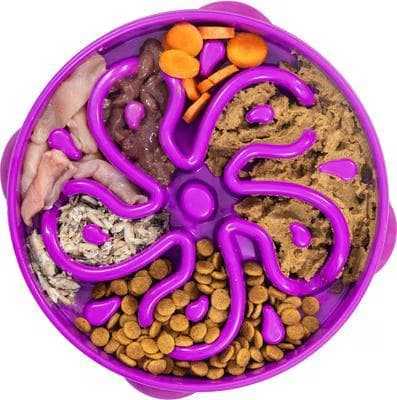
A maze-pattern slow-feeder bowl that makes fast eaters work for each bite, reducing the gulping and swallowed air that trigger regurgitation and vomiting. Holds up to 4 cups.
Webvet may earn a commission when you click through to Chewy, at no extra cost to you.
Recovery Timeline: How Long an Upset Stomach Lasts
Most simple upset stomachs run a predictable course. Here is a general timeline for an uncomplicated case managed at home, assuming no red-flag signs:
| Time | What to expect | What to do |
|---|---|---|
| 0 to 12 hours | Vomiting or diarrhea starts; dog is off food | Short rest for the stomach (adults only), offer water in sips |
| 12 to 24 hours | Vomiting should ease; appetite may return | Introduce small bland-diet meals |
| 24 to 48 hours | Clear improvement; firmer stools | Continue bland diet, keep watching energy |
| 3 to 5 days | Back to normal appetite and stool | Slowly transition back to regular food |
| No improvement by 48 hours | Something more may be going on | Stop home care and call your vet |
Many dogs improve within a couple of days. If your dog is not clearly better within 48 hours, or worsens at any point, that is your cue to involve the vet.
Keep in mind that loose stool is often the last symptom to resolve. It is common for a dog to stop vomiting and get their energy and appetite back a full day or two before their stools firm up completely. As long as the trend is toward firmer and your dog is bright and eating, a little lingering softness is usually nothing to worry about. It is sustained watery diarrhea, or any backslide, that warrants the call.

How to Prevent Future Stomach Upset
You cannot prevent every upset stomach, but a few habits dramatically reduce how often they happen:
Transition foods slowly over 7 to 10 days, mixing increasing amounts of the new food with the old.
Limit scavenging: secure the trash, skip table scraps, and watch what they pick up on walks.
Slow down fast eaters with a slow-feeder bowl or puzzle feeder to cut down on gulping and gas.
Keep treats and chews consistent and avoid rich, fatty, or novel snacks that trigger gas and flatulence or loose stool.
Manage stress around travel, boarding, and big routine changes, since anxiety can upset digestion.
Stay current on parasite prevention and vaccines and feed a consistent, quality diet that agrees with your dog.
The single highest-value habit on this list is the slow food transition, because abrupt diet switches are one of the most common avoidable triggers vets see. The gut hosts a community of bacteria tuned to your dog's current food, and changing everything overnight leaves that community scrambling to adapt, which shows up as gas and loose stool. Easing the change over a week lets the gut bacteria adjust gradually and keeps digestion settled.
- 1Most prevention comes down to slow diet changes, less scavenging, and steady routines.
- 2A consistent quality diet plus good gut health is your best defense against repeat upsets.
- 3Frequent or severe episodes deserve a vet workup to rule out an underlying condition.
Frequently Asked Questions
What can you give a dog for an upset stomach?
The safest at-home options are a short stomach rest for healthy adults, plenty of water in small sips, and a bland diet of plain boiled chicken and white rice once vomiting stops. Plain canned pumpkin and a vet-recommended probiotic can help firm stool and restore gut bacteria. Avoid human medicines unless your vet specifically approves the product and dose for your dog, because some are weight-based or outright toxic. If your dog is not improving within a day or two, or shows blood, repeated vomiting, or marked lethargy, skip home care and call your vet.
How to help a dog settle its stomach?
Give the gut a brief rest from food (adults only), then reintroduce small, frequent bland meals of chicken and rice. Keep fresh water available in small amounts to prevent dehydration, add a spoon of plain pumpkin for loose stool, and keep your dog calm and quiet so nausea has a chance to ease. Several tiny meals are gentler than one large bowl on a queasy stomach. Most mild cases settle within 24 to 48 hours. If your dog is not clearly improving in that window, or any red flag appears, call your vet rather than continuing to wait.
Can a dog's upset stomach resolve itself?
Yes. Most mild upset stomachs are short-lived and resolve on their own within a day or two with rest, water, and a bland diet, because the gut is simply clearing an irritant. However, vomiting or diarrhea that lasts beyond 48 hours, or that comes with blood, a swollen belly, severe lethargy, or repeated vomiting, will not safely resolve alone and needs prompt veterinary care. Puppies, seniors, and small breeds dehydrate quickly, so the safe-to-watch window is shorter for them. When you are unsure whether to wait, a quick call to your vet is the safest move.
Can I give my dog anything to help with an upset stomach?
You can offer supportive home care: a bland chicken-and-rice diet, small sips of water, plain canned pumpkin, unsalted bone broth, and a probiotic made for dogs. These are gentle, low-risk, and aimed at supporting recovery rather than masking symptoms. Skip human stomach medicines unless your veterinarian has confirmed the exact product and weight-based dose, since some can be unsafe or hide a problem that needs to be found. Keep your dog rested and feed several small portions, and watch closely for the first 24 to 48 hours so you can act quickly if things do not improve.
Can I give my dog Pepto-Bismol to settle his stomach?
Only with your vet's go-ahead. Pepto-Bismol contains a salicylate (aspirin-like) ingredient that can cause GI bleeding and turns the stool dark, which can mask real bleeding your vet would otherwise want to catch. It is not safe for every dog, can interact with other medications, and is never appropriate for cats. Because dosing is weight-based and carries real risk, ask your veterinarian before giving any Pepto-Bismol. In most mild cases, a bland diet and good hydration do the job more safely than reaching for a human medicine.
What human medicine can I give my dog for an upset stomach?
Some human medicines like famotidine (Pepcid), omeprazole, and loperamide (Imodium) are used off-label in dogs, but only under veterinary guidance and at a weight-based dose. Loperamide can be dangerous in herding breeds that carry the MDR1 gene mutation, which is one reason vet approval matters. Never give ibuprofen, naproxen, or acetaminophen, which are toxic to dogs and can cause ulcers, kidney failure, or death. Always call your vet before giving any human medication, because the safe choice and dose differ for every dog based on weight, age, and health history.
Can I give my dog anything to settle her stomach?
Yes, focus on gentle support: a bland diet, frequent small sips of water, plain pumpkin, bone broth, and a canine probiotic. Keep her rested and calm, and feed several small meals rather than one large one so her stomach is not overwhelmed. These steps support the natural recovery process without hiding anything your vet might need to see. If she is not noticeably better within 48 hours, or shows any red-flag sign like blood, a bloated belly, or extreme lethargy, contact your vet rather than reaching for human medicine.
What are the signs of a dog's stomach bug?
A stomach bug (infectious gastroenteritis) usually causes vomiting, diarrhea, low appetite, lethargy, and sometimes a mild fever. Dogs may drool, gurgle, and seem uncomfortable, and the symptoms often come on more abruptly than a simple dietary slip. Many cases are mild and pass with supportive care, but symptoms that are severe, bloody, or last more than 48 hours, especially in unvaccinated puppies, can signal a serious infection like parvovirus and need a vet right away. Keeping your dog away from others while sick helps limit spread if the cause is contagious.
$65 · no membershipWorried about your dog's vomiting or diarrhea?
A licensed vet can examine your dog over video and prescribe treatment online when it's appropriate.
Talk to a vet- Licensed vets
- All 50 states
- same-day Rx
Webvet may earn a commission if you book.

Editor
The Webvet Editorial Team is the in-house group of pet-care editors and writers behind Webvet, operated by Smart Pet Collective. The team researches, writes, and maintains Webvet's pet health, behavior, and medication content. Every article follows a defined editorial process: research from reputable veterinary and scientific sources, careful drafting, mandatory review of medical content by a credentialed veterinarian, and dated publication. Health and medication articles are medically reviewed by a licensed veterinary professional before they go live and are kept current over time.
Veterinarian · BVMS MRCVS
Dr. Pippa Elliott, BVMS, MRCVS, is a veterinarian with nearly 30 years of experience in companion animal practice. Dr. Elliott earned her Bachelor of Veterinary Medicine and Surgery from the University of Glasgow. She was also designated a Member of the Royal College of Veterinary Surgeons. Married with 2 grown-up kids, Dr. Elliott has a naughty Puggle named Poggle, 3 cats and a bearded dragon.


