Dog Stomach Making Noises? Causes & When to Worry
A vet-reviewed guide to why your dog's stomach makes noises, the 8 common causes from hunger to blockage, safe at-home care, and the red flags that mean call the vet now.

BVetMed MRCVS

BVMS MRCVS
Medically reviewed by Dr. Pippa Elliott, BVMS MRCVS · Last reviewed

This article contains affiliate links. Webvet may earn a commission when you buy through them, at no extra cost to you.
This article contains affiliate links. Webvet may earn a commission when you buy through them, at no extra cost to you.
A dog stomach making noises is usually borborygmi, the normal gurgling of gas and fluid moving through the gut during digestion. Hunger, swallowed air, a recent diet change, or mild gas are the most common reasons. It only becomes a concern when the noises come with vomiting, diarrhea, a swollen belly, pain, or refusal to eat.
Why Is My Dog's Stomach Making Noises? (Borborygmi Explained)
Those rumbles, gurgles, and squeaks coming from your dog's belly almost always have a simple explanation. As food, fluid, gas, and air get pushed through the stomach and intestines by waves of muscle contraction, they create sound. Vets call this borborygmi. It is the same thing that makes your own stomach growl, and on its own it is rarely a problem.
The volume can rise and fall through the day. An empty stomach is louder, a recent meal can set off a chorus of gurgles, and a fast eater who gulps air will be noisier than a slow one. The key question is not whether your dog's stomach is making noises, but whether anything else is wrong alongside it.
What Borborygmi Is: The Normal Sounds of Digestion
Borborygmi (pronounced bor-buh-RIG-mee) is the medical term for the rumbling and gurgling produced when gas and fluid move through the gastrointestinal tract. A healthy gut is never silent. It is a constantly moving system, so soft, intermittent noise is a sign that digestion is working normally.
- 1Borborygmi is the normal gurgling of gas and fluid moving through a healthy gut.
- 2Quiet, occasional belly noises with a happy, eating, normal dog are nothing to worry about.
- 3It is the company the noises keep (vomiting, swelling, pain, no appetite) that signals trouble.

8 Reasons Your Dog's Stomach Is Making Noises
Most belly noise traces back to one of these causes. The first several are benign and self-limiting. The last few can be serious and deserve a closer look.
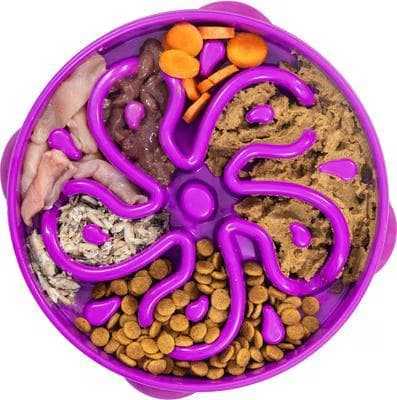
A maze-pattern slow-feeder bowl that makes fast eaters work for each bite, reducing the gulping and swallowed air that trigger regurgitation and vomiting. Holds up to 4 cups.
Webvet may earn a commission when you click through to Chewy, at no extra cost to you.
1. Hunger and an empty stomach
An empty gut still contracts on schedule, and with no food to muffle the sound, those contractions get loud. This is the classic pre-mealtime growl, and a meal usually quiets it.
2. Swallowed air (aerophagia)
Dogs that gulp their food, drink fast, pant heavily, or play hard swallow a lot of air. That air moves through the gut and bubbles out as gurgles. Flat-faced (brachycephalic) breeds swallow more air just by breathing.
3. Normal digestion and gas
Gut bacteria ferment food and produce gas as a normal byproduct. Some gas is expected. If your dog also has frequent or smelly wind, our guide to what causes canine flatulence walks through the usual culprits and fixes.
4. A recent diet change or new food
Switching foods too quickly throws off the gut's balance and ramps up noise, gas, and loose stool. New treats, table scraps, or a different protein can do the same. A slow transition over seven to ten days usually settles it. For dogs that react to nearly everything, a diet built for sensitive stomachs can make a real difference.
5. Dietary indiscretion (eating something they shouldn't)
Garbage, spoiled food, sticks, or a stolen snack can irritate the gut and crank up the gurgling. Mild cases pass on their own. If it tips into an upset stomach with vomiting or diarrhea, your dog needs closer monitoring.
6. Stress, anxiety, or excitement
The gut and brain are wired together. Travel, thunderstorms, a vet visit, or a new home can speed up gut movement and trigger noise, sometimes with loose stool. The noise eases as your dog calms down.
Compare coverage choices for your pet, then request a quote directly on Lemonade.
- Check a price for your pet
- Review available coverage choices
- See the terms before you decide
Eligibility, waiting periods, limits and exclusions apply.
Webvet may earn a commission when you click through to Lemonade, at no extra cost to you.
7. Parasites, infection, or inflammation
Intestinal worms, giardia, bacterial infections, pancreatitis, and inflammatory bowel disease all inflame the gut and increase noise, usually with diarrhea, vomiting, weight loss, or a poor appetite. These need a vet diagnosis and treatment, not home remedies.
8. Blockage or bloat (the emergencies)
A swallowed object that blocks the gut, or gastric dilatation and volvulus (GDV, or bloat), can change gut sounds and quickly threaten your dog's life. We cover the warning signs in detail below. When in doubt, treat these two as emergencies.
Stomach Noises After Eating or When Hungry: Usually Normal
Noise tied to mealtimes is the most reassuring kind. Before a meal, an empty stomach growls because contractions echo with nothing to absorb the sound. After a meal, digestion kicks into gear and the gut gets busy breaking food down, so a fresh round of gurgles is expected.
If your dog eats happily, has a normal belly, and acts like themselves, mealtime noises need no action. To cut down on the air-gulping that makes it worse, try these simple steps:
- Use a slow-feeder bowl or a puzzle feeder to stop gulping
- Feed smaller, more frequent meals instead of one large one
- Keep fresh water available so your dog isn't drinking a huge amount at once
- Avoid heavy exercise right before and right after meals


 $65 · no membership
Worried about your dog's vomiting or diarrhea?
A licensed vet can examine your dog over video and prescribe treatment online when it's appropriate.
 Talk to a vet
- Licensed vets
- All 50 states
- same-day Rx
Webvet may earn a commission if you book.
Why Your Dog's Stomach Makes Noises While Sleeping
Hearing your dog's stomach gurgle while they nap can be unsettling, but it is usually a good sign. Digestion does not stop when your dog rests. In fact, a relaxed, sleeping dog often has very active, calm gut movement, and with the room quiet you simply notice the sounds more.
If your dog wakes up bright, stretches, eats normally, and has normal stool, sleep-time belly noises are nothing to worry about. The picture changes if your dog seems restless, can't settle, paces, or wakes to vomit. Noise plus those signs deserves attention, especially in a deep-chested breed where bloat is a risk.
Senior Dogs: When Belly Noises Need a Closer Look
An older dog's stomach making noises is not automatically a problem, but age lowers the threshold for taking it seriously. Senior dogs are more prone to conditions that cause increased gut noise, including chronic GI disease, organ changes, dental issues that alter chewing, and cancer. Their bodies also handle dehydration and a skipped meal less gracefully than a young dog's.
For a senior dog, book a vet visit sooner rather than later if the belly noise comes with any of the following:
- Gradual weight loss or a fading appetite
- Recurring vomiting or diarrhea over days to weeks
- Drinking much more or much less than usual
- New lethargy, weakness, or reluctance to move
Supporting your senior dog's digestion with steady routines and the right nutrition helps. Our overview of gut health for dogs explains how the microbiome, fiber, and probiotics keep an aging gut on track.

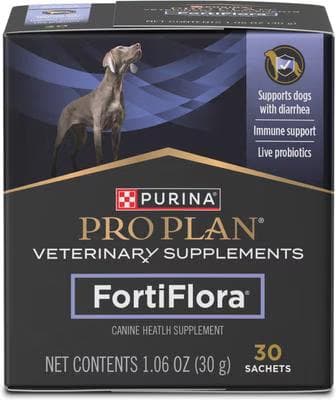
The #1 vet-recommended probiotic for dogs. Daily powder sachets with live probiotics support healthy digestion and firmer stools, and can help dogs coping with diarrhea or GI upset.
Webvet may earn a commission when you click through to Chewy, at no extra cost to you.
Gurgling Stomach and Eating Grass: What It Signals
When a gurgling belly comes with grass-eating, dogs are often self-soothing a queasy stomach. Many dogs nibble grass when they feel nauseous, and some bring up foam or grass shortly after. An occasional grass snack from a healthy, playful dog is normal canine behavior and not a cause for alarm.
Pay closer attention if the grass-eating becomes frantic or obsessive, or if it pairs with repeated vomiting, lip-licking, drooling, or a tense belly. That pattern points to real nausea or irritation rather than a casual graze, and it is worth a vet call if it lasts more than a day or keeps coming back.
Stomach Noises With Vomiting, Diarrhea, or Not Eating (Red Flags)
The symptoms that travel with the noise tell you how worried to be. Loud gut sounds alone, in a dog who is eating and acting normal, are reassuring. The same sounds alongside other signs change the picture fast. Use this matrix to read what the combination is telling you.
| Noises plus this sign | What it may mean | What to do |
|---|---|---|
| Nothing else (dog is bright, eating, normal stool) | Normal borborygmi, hunger, or gas | Monitor; no action needed |
| Mild, single bout of vomiting or soft stool | Minor dietary upset | Withhold food briefly, offer water, monitor 12 to 24 hours |
| Repeated vomiting and/or diarrhea over 24 hours | Gastroenteritis, infection, parasites | Call your vet; risk of dehydration |
| Not eating, lethargic, painful belly | Pancreatitis, serious GI illness | See a vet promptly |
| Trying to vomit but nothing comes up, swollen hard belly, restless | Bloat (GDV) | Emergency. Go to an ER vet now |
| Vomiting, no stool, painful belly, ate a foreign object | Intestinal blockage | Emergency. Go to an ER vet now |
Persistent or severe vomiting and diarrhea is the most common worrying combination. For a full breakdown of causes and home care, see our guide to dog vomiting and diarrhea, and never let those signs run more than 24 hours without veterinary advice.
Could It Be a Blockage or Bloat? Signs You Can't Ignore
These are the two scenarios where stomach noise can turn deadly. Both are true emergencies measured in hours, not days. Knowing the difference between them and benign borborygmi can save your dog's life.
Bloat (gastric dilatation and volvulus, GDV)
In GDV the stomach fills with gas and twists, cutting off its own blood supply and triggering shock. It is most common in large, deep-chested breeds such as Great Danes, German Shepherds, Weimaraners, Standard Poodles, and Saint Bernards, and the risk rises with age. Outcomes worsen sharply once signs have been present for more than about six hours, so speed matters enormously.
Warning signs of bloat include:
- A swollen, hard, or visibly distended abdomen
- Unproductive retching (trying to vomit but bringing nothing up)
- Restlessness, pacing, and an inability to get comfortable
- Excessive drooling, rapid breathing, pale gums, and collapse
Intestinal blockage (foreign body obstruction)
When a dog swallows a toy, sock, bone, corn cob, or other object that lodges in the stomach or intestines, food and fluid can't pass. Gut sounds may surge as the body strains against the obstruction, then fade as the gut shuts down. A complete blockage is an emergency that often needs surgery.
Signs of a blockage include repeated vomiting (especially right after eating or drinking), refusing food, straining to pass stool or passing none at all, a painful or hunched posture, lethargy, and a known history of chewing on objects. A string-like or linear foreign body, common in dogs that chew fabric, is especially dangerous and never something to manage at home.

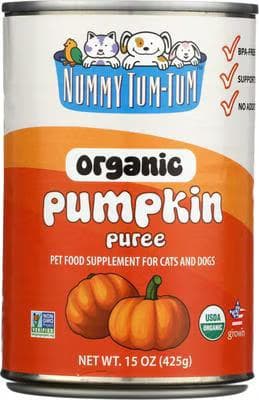
Pure USDA-organic pumpkin puree, no fillers or additives. Adds gentle soluble fiber to firm up loose stool and settle a mildly upset stomach. A simple vet-favorite topper.
Webvet may earn a commission when you click through to Chewy, at no extra cost to you.
What to Give a Dog for a Gurgling Stomach at Home
If your dog is otherwise well (bright, no repeated vomiting, no swollen belly, no severe diarrhea), a few gentle home steps can settle a noisy, gassy stomach. Use these only when the red flags above are absent, and stop if anything gets worse.
- Offer fresh water in small amounts so your dog stays hydrated without overfilling the stomach.
- Consider a short rest from food. Adult dogs only can have food briefly withheld; never fast a puppy, a tiny breed, a diabetic, or a pregnant dog, and call your vet if you are unsure.
- Reintroduce food with a simple bland diet such as plain boiled chicken and white rice in small portions, then transition back to regular food over a couple of days. Our dog upset stomach guide has the full bland-diet recipe.
- Feed smaller, more frequent meals and slow down fast eaters to cut the air they swallow.
- Keep the day calm and low-stress while the gut settles.
- 1Home care is only for a bright, comfortable dog with no red flags.
- 2Plain water, a brief food rest (adult dogs only), and a bland diet are the safe at-home options.
- 3Any OTC medicine, including famotidine or Pepto, requires a vet's weight-based dosing, not a guess.
If the noise comes with persistent symptoms, lasts more than 24 to 48 hours, or your dog seems unwell at any point, skip the home remedies and call your vet. When the gut is the recurring problem, supporting it long term with the right diet and everyday gut health habits often does more good than any quick fix.
Frequently Asked Questions
When should I worry about dog stomach sounds?
Worry when the noises come with other signs, not when they happen alone. Call your vet if your dog also has repeated vomiting or diarrhea, refuses to eat, seems painful or lethargic, or drinks much more or less than usual. Treat it as an emergency if the belly is swollen and hard, your dog retches without bringing anything up, or they cannot get comfortable, as these can signal bloat or a blockage.
What can I give my dog for a gurgling belly?
For an otherwise healthy dog with no red flags, offer small amounts of fresh water, a brief rest from food (adult dogs only), then a bland diet of plain boiled chicken and white rice in small meals. Feed smaller, more frequent portions to reduce gulped air. Do not give human medicines such as Pepto-Bismol, Imodium, or famotidine on your own, because safe dosing is weight-based and must come from your vet.
Is there anything you can give a dog to settle their stomach?
Yes, but keep it simple and vet-approved. A bland diet (boiled chicken and rice), small frequent meals, plenty of fresh water, and a vet-recommended canine probiotic are the safest ways to settle a mild upset. Avoid human stomach medicines unless your veterinarian prescribes them and gives you a specific, weight-based dose. If your dog is vomiting repeatedly, very lethargic, or has a tense belly, skip home care and call your vet.
When to worry about stomach noises?
Loud stomach noises are usually normal borborygmi. Worry when they pair with vomiting, diarrhea, loss of appetite, lethargy, or pain, or last more than 24 to 48 hours. Seek emergency care immediately for a hard, swollen belly, unproductive retching, restlessness, drooling, or pale gums, which can mean bloat or an obstruction. In senior dogs and large deep-chested breeds, lower your threshold and call sooner.
What should I do if my dog's stomach is gurgling?
First, check how your dog is acting. If they are bright, eating, and have a soft, normal belly, gurgling is almost always harmless and you can simply monitor. Offer water, consider a brief food rest and a bland diet, and feed smaller meals. If the gurgling comes with vomiting, diarrhea, a swollen belly, pain, or a dog who cannot settle, contact your veterinarian, and treat any sign of bloat or blockage as an emergency.
How can I tell if my dog has a blockage?
Suspect a blockage if your dog repeatedly vomits (especially right after eating or drinking), refuses food, strains to pass stool or passes none, has a painful or hunched belly, is lethargic, and has a history of chewing or swallowing objects. Gut sounds may spike, then go silent. You cannot confirm a blockage at home; it needs an X-ray. A complete obstruction is an emergency that often requires surgery, so see a vet right away.
Should I be worried if my dog's stomach is gurgling?
Usually not. Gurgling (borborygmi) is the normal sound of gas and fluid moving through the gut, and it is common when your dog is hungry, has just eaten, or swallowed some air. It only becomes a worry when paired with vomiting, diarrhea, a swollen or painful belly, no appetite, or distress. A happy, eating dog with a soft belly and normal stool does not need any treatment for belly noise.
What can settle a dog's stomach quickly?
The fastest safe approach for a mild, well-acting dog is a short rest from food (adult dogs only), small sips of water, then a bland meal of boiled chicken and white rice, fed in small portions. Keep things calm and slow down fast eaters. There is no safe instant human-medicine fix; OTC products need vet-directed, weight-based dosing. If your dog is not improving within a day or seems unwell, call your veterinarian.
Bottom line: a dog's stomach making noises is usually just borborygmi, the healthy sound of digestion at work. Watch the whole dog, not just the noise. A bright, eating, comfortable dog with a soft belly is fine to monitor, while gurgling paired with vomiting, a swollen belly, pain, or distress is your cue to call a vet, fast.
$65 · no membershipWorried about your dog's vomiting or diarrhea?
A licensed vet can examine your dog over video and prescribe treatment online when it's appropriate.
Talk to a vet- Licensed vets
- All 50 states
- same-day Rx
Webvet may earn a commission if you book.

Veterinarian · BVetMed MRCVS
Hannah graduated in 2011 and works as a small animal vet in Cardiff, UK. She loves meeting people and their special pets and has a particular interest in diagnostic imaging, soft tissue surgery, and dentistry.
Veterinarian · BVMS MRCVS
Dr. Pippa Elliott, BVMS, MRCVS, is a veterinarian with nearly 30 years of experience in companion animal practice. Dr. Elliott earned her Bachelor of Veterinary Medicine and Surgery from the University of Glasgow. She was also designated a Member of the Royal College of Veterinary Surgeons. Married with 2 grown-up kids, Dr. Elliott has a naughty Puggle named Poggle, 3 cats and a bearded dragon.


