Dog Has Diarrhea? Causes, Home Remedies, and When to See the Vet
A vet-reviewed guide to dog diarrhea: the 8 most common causes, a stool color chart, a step-by-step bland diet plan, foods that firm up poop, and the red flags that mean it's time to call your veterinarian.

BVetMed MRCVS
Medically reviewed by Dr. Hannah Godfrey, BVetMed MRCVS · Last reviewed

This article contains affiliate links. Webvet may earn a commission when you buy through them, at no extra cost to you.
If your dog has diarrhea, you're probably wondering whether it's something they ate or something more serious. Most cases in otherwise healthy adult dogs are mild and clear up within a day or two with simple home care.
But diarrhea is a symptom, not a disease. It can be triggered by anything from a raided trash can to parasites, infections, or chronic illness. Knowing which situation you're facing is what keeps a small upset from becoming a big problem.
This vet-reviewed guide covers the eight most common causes, a stool color chart, a step-by-step bland diet plan, foods that firm up stool, and the red flags that mean it's time to call your veterinarian.
- 1Most mild diarrhea in healthy adult dogs resolves within 24-48 hours with a bland diet and plenty of fresh water.
- 2Call your vet if diarrhea lasts more than 48 hours, contains blood or black, tarry material, or comes with vomiting, lethargy, or appetite loss.
- 3Puppies, seniors, toy breeds, and dogs with health conditions should see a vet sooner: they dehydrate quickly and should never be fasted.
- 4A bland diet of boiled chicken and white rice, fed as small, frequent meals, is the safest home remedy for mild cases.
- 5Never give human anti-diarrheal medications without veterinary guidance; your veterinarian may prescribe medication if tests show it's needed.
Dog Has Diarrhea? Fast Facts
- It's common for dogs to get an upset stomach sometimes, causing diarrhea that lasts up to 24-48 hours.
- Mild diarrhea can be caused by stress, scavenging, a sudden change in diet, or a food sensitivity.
- A stable, low-fat, bland diet, small frequent meals, and probiotics help most mild cases resolve quickly.
- If your dog's diarrhea lasts more than 48 hours, contains blood, or your dog seems unwell, seek advice from your vet.
What Counts as "Diarrhea" in Dogs?
Diarrhea is looser, more watery, or more frequent stool than normal, often with urgency and straining. It's a sign that something has irritated or sped up the digestive tract.
The causes range from harmless (a new treat, a stressful car ride) to serious (a gut blockage, organ disease, or cancer). Thankfully, most mild cases clear up quickly with small, bland meals, and some benefit from probiotics.
"As long as a dog is acting well, eating, and drinking, I don't normally worry about a couple of loose motions. But if they have diarrhea for more than 24 hours, or if it contains blood or they're acting poorly, I like to see them for an examination."
If your dog also seems queasy, gassy, or off their food, our guide to a dog upset stomach covers the wider picture of digestive upsets and how to settle them.
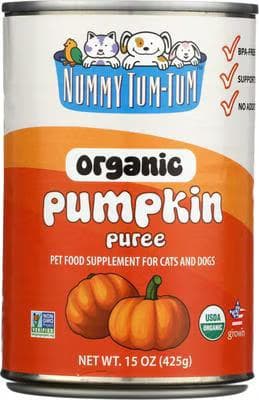
Pure USDA-organic pumpkin puree, no fillers or additives. Adds gentle soluble fiber to firm up loose stool and settle a mildly upset stomach. A simple vet-favorite topper.
Webvet may earn a commission when you click through to Chewy, at no extra cost to you.
My Dog Has Diarrhea but Is Acting Normal: How Long Should I Wait?
If your dog has diarrhea but is acting completely normal (eating, drinking, and playful), you can usually monitor at home for 24-48 hours while feeding a bland diet and keeping water available.
Veterinarians at Cornell's Riney Canine Health Center advise seeking care if diarrhea doesn't resolve within 48-72 hours, or sooner if your dog stops eating, becomes lethargic, vomits, or passes black or bloody stool.
So what about a dog with diarrhea for 3 days but acting normal? Three days is the cutoff. Even a bright, happy dog with diarrhea into day three needs a vet visit and likely a fecal test, because parasites, food sensitivities, and early chronic disease often look exactly like this.
For a young dog with intestinal worms, our guide to puppy dewormer covers the safe products by age and weight.

Dog Diarrhea Color and Consistency: What Your Dog's Stool Is Telling You
Stool color and texture are useful clues your vet will ask about, so take a photo before you clean up. Here's what common changes can mean, and how urgent each one is.
| What you see | What it can mean | Urgency |
|---|---|---|
| Soft or watery brown stool | Dietary indiscretion, sudden food change, stress, or a mild infection | Monitor at home for 24-48 hours if your dog is acting normal |
| Mucus in the stool | Colon irritation (colitis), stress, or parasites such as whipworms | Vet visit if it persists more than a day or two |
| Streaks of fresh red blood | Colon inflammation, parasites, or straining; larger amounts can signal something serious | Call your vet the same day |
| Black, tarry stool (melena) | Digested blood from the stomach or upper intestine, ulcers, or a bleeding disorder | Urgent: see a vet right away |
| Yellow or orange stool | Food moving through too fast, a diet change, or liver, gallbladder, or pancreas trouble if it persists | Vet visit if it lasts beyond 48 hours |
| Gray, greasy stool | Poor fat digestion, possibly a pancreatic enzyme deficiency | Book a vet appointment |
| Diarrhea with visible worms or "rice grains" | Roundworms or tapeworm segments | Vet visit for a fecal test and targeted deworming |
One color deserves special emphasis: black, tarry stool is never a wait-and-see finding. It usually means digested blood, and dogs can lose a lot of blood internally before they act sick.
8 Common Dog Diarrhea Causes
Most cases trace back to one of the eight causes below. Loud gurgling gut sounds often show up alongside several of them; see why your dog's stomach is making noises for what those rumbles mean.
1. Dietary Indiscretion
Many cases of mild diarrhea in dogs trace back to dietary indiscretion: a raided trash can, a scavenged snack on a walk, or too many rich table scraps. If mild diarrhea is the only symptom, most cases resolve within 24-48 hours on a bland diet.
Fatty leftovers deserve special mention. A large fatty meal can trigger pancreatitis, a painful inflammation of the pancreas that causes diarrhea, vomiting, and abdominal pain and often needs hospital care.
2. Sudden Diet Change
Changing your dog's food abruptly can disrupt their gut microbiome and cause loose stool for several days. To avoid this, transition to a new food gradually over 7 to 10 days, adding a little more of the new food to the old every couple of days.
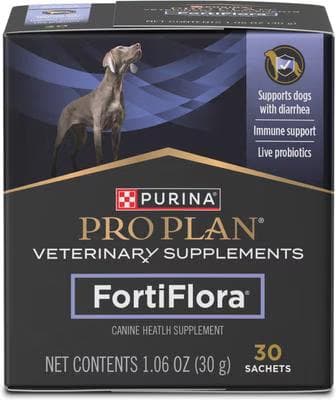
The #1 vet-recommended probiotic for dogs. Daily powder sachets with live probiotics support healthy digestion and firmer stools, and can help dogs coping with diarrhea or GI upset.
Webvet may earn a commission when you click through to Chewy, at no extra cost to you.
3. Food Allergies or Sensitivity
Sometimes specific ingredients, most often animal proteins like chicken, beef, or dairy, trigger a reaction. True food allergies tend to cause itchy skin and ear problems along with diarrhea, while intolerances usually cause digestive signs alone. Your vet may recommend a diet trial to confirm the culprit.
4. Parasites (Worms, Giardia, Coccidia)
Intestinal parasites are a leading cause of persistent diarrhea, especially in puppies and in dogs not on regular deworming. Giardia and coccidia are microscopic, so the stool can look worm-free while still being infected.
Clues include weight loss, a pot-bellied look in puppies, and mucus or blood in the stool. A fecal test at your vet's office identifies the parasite so treatment can be targeted.
5. Bacterial or Viral Infection
Bacterial infections like Salmonella and E. coli can cause fever, profuse diarrhea, and dehydration. Viral causes include canine parvovirus, which is life-threatening for unvaccinated puppies and causes severe, often bloody diarrhea and vomiting.
Suspected parvo is always an emergency. Affected dogs need intensive supportive care with fluids, and vaccination remains the best protection.
6. Stress or Anxiety
Stress colitis is real: separation anxiety, boarding, moving home, car travel, and fireworks can all trigger sudden soft stool, often with mucus. It usually settles within a few days once the stressor passes, and calming strategies can help prevent repeat episodes. See WebVet’s guide to colitis in dogs.
7. Medication Side Effects
Diarrhea is a known side effect of several medications, including antibiotics and non-steroidal anti-inflammatories (NSAIDs). Always report suspected side effects to your vet. They may adjust the dose, add gut support, or switch to an alternative. Never stop a prescribed medication without checking first.
8. Chronic or Serious Illnesses
Not all diarrhea responds to a bland diet and time. Persistent or recurring diarrhea can point to inflammatory bowel disease, liver or kidney disease, exocrine pancreatic insufficiency, Addison's disease, or cancer. If your dog's diarrhea keeps coming back, or they're losing weight, a full workup is worthwhile.
 $65 · no membership
Worried about your dog's vomiting or diarrhea?
A licensed vet can examine your dog over video and prescribe treatment online when it's appropriate.
 Talk to a vet
- Licensed vets
- All 50 states
- same-day Rx
Webvet may earn a commission if you book.
Home Care for Mild Dog Diarrhea: 5 Vet-Approved Steps
If your dog is bright and well but has mild diarrhea and no other symptoms, work through these five steps at home.
Step 1: Rest the gut for 12-24 hours (healthy adults only)
A short break from food lets the intestines settle. Keep fresh water available the whole time. Never fast puppies, toy breeds, seniors, or diabetic dogs: they can develop dangerously low blood sugar. For those dogs, skip straight to small bland meals.
Step 2: Offer a bland diet
Feed small amounts of boiled, skinless chicken breast (or white fish or scrambled egg with no milk) mixed with plain white rice. Keep meals small and frequent, and continue for 2-3 days after the last soft stool. The full recipe, portions, and feeding schedule are in the bland diet section below.
Step 3: Keep them hydrated
Diarrhea drains fluid fast, so encourage small, regular drinks. To check hydration, gently lift the loose skin over the shoulder blades and let go: it should snap back immediately. A slow return, dry or tacky gums, or sunken eyes suggest dehydration, and that's a vet visit, not home care.

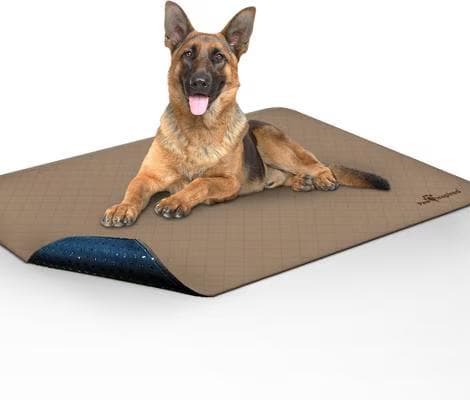
Webvet may earn a commission when you click through to Chewy, at no extra cost to you.
Step 4: Add digestive support
Diarrhea disrupts the gut microbiome, so a dog-specific probiotic can help restore balance and support recovery. Veterinary probiotic pastes and powders are formulated for dogs; ask your vet which product they recommend rather than reaching for human supplements.
Step 5: Monitor closely
Track how often your dog goes, what the stool looks like, and how they're acting. Most mild cases improve within 24-48 hours. If things stall, or anything on the red-flag list below appears, call your vet.
Bland Diet for Dogs With Diarrhea: Recipe, Portions, and Schedule
The classic bland diet is two parts plain white rice to one part boiled, skinless, boneless chicken breast. No salt, no butter, no oil, no seasoning. Plain boiled white fish, scrambled egg, or low-fat cottage cheese can stand in for the chicken if needed.

Cook the chicken thoroughly, shred it, and mix it with well-cooked rice. Feed roughly the same total daily volume your dog would normally eat, but split it into 4 to 6 small meals so the recovering gut isn't overloaded. Ask your vet for exact amounts for your dog's size.
- Day 1: After any fast, start with a few spoonfuls every 3-4 hours. If it stays down and stool starts improving, gradually increase portion sizes.
- Days 2-3: Continue small, frequent bland meals. Stool should be firming up. Keep the bland diet going for 2-3 days after the last soft stool.
- Days 4-7: Transition back gradually: mix 25% regular food with 75% bland, then 50/50, then 75/25 over several days before returning to normal meals.
If diarrhea returns during the transition, slow down and go back a step. If it returns every time you reintroduce regular food, talk to your vet about a possible food sensitivity or a prescription gastrointestinal diet.
What Foods Firm Up Dog Poop? (and What to Avoid)
A few pantry staples genuinely help firm up loose stool, mostly by adding digestible fiber and binding water in the colon:
- Plain canned pumpkin (not spiced pie filling): start with about 1 teaspoon per meal for small dogs, up to 1 tablespoon for large dogs.
- Plain white rice, well cooked: the backbone of the bland diet.
- Boiled, skinless chicken breast: lean, easy-to-digest protein.
- Plain boiled potato or sweet potato (no skin, no butter): gentle, binding carbohydrates.
- Dog-specific probiotics: help rebalance the gut after an upset.
Just as important is what to keep out of the bowl while the gut recovers:
- Dairy products: most adult dogs digest lactose poorly, and milk can make diarrhea worse.
- Fatty foods: meat trimmings, fried food, bacon grease, and rich treats can worsen diarrhea and raise pancreatitis risk.
- Rich chews and novel treats: save anything new until stool is back to normal.
- Sudden food swaps: even a "better" food will backfire if it's switched overnight.
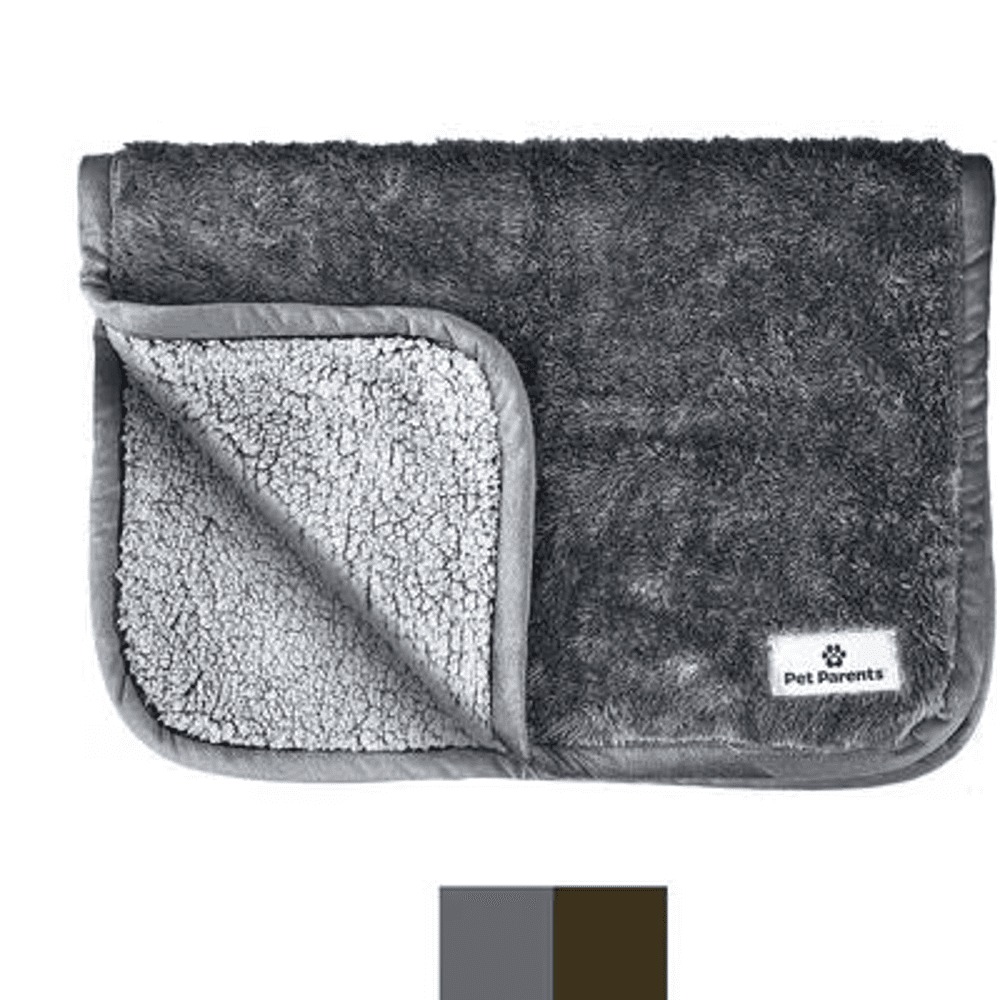
A plush, waterproof sherpa blanket that gives a cold or shivering dog a warm, cozy layer to curl into. The hidden waterproof lining protects the bed, couch, or car seat, and the whole thing is machine washable.
Webvet may earn a commission when you click through to Chewy, at no extra cost to you.
When to See the Vet
Home care is only appropriate for mild cases in otherwise healthy adult dogs. Call your veterinarian if you notice any of the following:
- Diarrhea lasting more than 48 hours, or still happening on day three even if your dog seems fine.
- Diarrhea in a puppy, an elderly dog, or a dog with other health problems.
- Bloody diarrhea or black, tarry stools.
- Vomiting alongside the diarrhea, or refusing food.
- Lethargy, fever, pale gums, or signs of dehydration.
- Known or suspected ingestion of a toxin or foreign object, or visible debris in the stool.
- Repeated episodes of diarrhea that keep coming back over weeks or months.
Vomiting alongside diarrhea raises the stakes because fluid is being lost from both ends. If your dog is also bringing up meals, our guide to a dog throwing up undigested food explains what the different types of vomit mean.
How Vets Diagnose and Treat Dog Diarrhea
If home care isn't cutting it, your vet will work through a logical sequence to find the cause:
- History: when the diarrhea started, what it looks like, any other symptoms, and any obvious trigger.
- Physical exam: checking hydration, temperature, and for any abdominal pain or masses.
- Fecal exam: testing a stool sample for worms, Giardia, coccidia, and abnormal bacteria.
- Blood tests: assessing hydration and organ health, including the liver, kidneys, and pancreas.
- X-rays or ultrasound: looking for foreign bodies, inflammation, or tumors.
If the cause is still unclear, your vet may recommend a diet trial, additional lab tests, or biopsies of the intestinal wall, depending on the findings.
Veterinary treatments for dog diarrhea
Treatment is matched to the diagnosis rather than one-size-fits-all. Depending on what the tests show, your vet may use:
- Fluid therapy: under-the-skin or IV fluids to correct dehydration, often the most important treatment of all.
- Dewormers: targeted medication for roundworms, hookworms, whipworms, Giardia, or coccidia found on the fecal test.
- Prescription gastrointestinal diets: highly digestible or novel-protein foods for sensitive or inflamed guts.
- Anti-nausea medication and probiotics: supportive care that keeps dogs eating and speeds recovery.
- Antibiotics when truly needed: for specific infections or severe colitis, your veterinarian may prescribe metronidazole, but it's no longer used for every upset gut, and it should never be given without a prescription.
Never give leftover antibiotics from a previous illness or another pet. The wrong drug can make diarrhea worse by wiping out healthy gut bacteria, and it can mask what your vet needs to see on tests.
Tips to Prevent Diarrhea
- Transition gradually over 7-10 days whenever you change your dog's food.
- Keep the diet stable and avoid fatty table scraps and rich tidbits.
- Secure trash cans and keep compost, garden chemicals, and toxic foods out of reach.
- Use regular, vet-approved parasite prevention and keep vaccinations current, especially parvovirus protection for puppies.
- Watch what your dog picks up on walks; scavenging is the most preventable cause of all.
- Manage known stress triggers with routine, enrichment, and calming strategies where needed.
FAQs
What do I give my dog for diarrhea?
Give a bland diet of two parts plain white rice to one part boiled, skinless chicken, fed in small meals 4 to 6 times a day, plus constant fresh water. Plain canned pumpkin and a dog-specific probiotic can help firm stool. Avoid human medications unless your veterinarian specifically directs you.
What do you do if your dog has diarrhea?
Keep water available, rest the gut for 12 to 24 hours if your dog is a healthy adult, then feed small bland meals of chicken and rice for a few days. Monitor closely, and call your vet if diarrhea lasts more than 48 hours, contains blood, or your dog seems unwell.
What if my dog has diarrhea for 3 days but acting normal?
Book a vet appointment. Three days is past the window for home monitoring, even in a dog who's eating and playing normally. Persistent diarrhea often means parasites, a food sensitivity, or early chronic disease, and your vet will likely start with a fecal test. Bring a fresh stool sample if you can.
What food will firm up dog poop?
Plain canned pumpkin is the best-known stool firmer: start with about a teaspoon per meal for small dogs, up to a tablespoon for large dogs. Well-cooked white rice, boiled skinless chicken, plain boiled potato, and dog-specific probiotics also help. Avoid dairy, fatty scraps, and sudden food changes while stool recovers.
How long does dog diarrhea usually last?
Most mild cases in healthy adult dogs last 24 to 48 hours and resolve with a bland diet and time. If diarrhea continues past 48 hours, keeps recurring, or comes with vomiting, blood, lethargy, or appetite loss, check in with your veterinarian rather than waiting it out.
Can I give my dog Imodium or Pepto-Bismol for diarrhea?
Not without calling your vet first. Loperamide (Imodium) can be dangerous for herding breeds carrying the MDR1 mutation, and Pepto-Bismol contains an aspirin-like compound that can irritate a dog's stomach. Dosing errors are common. Your veterinarian may prescribe a safer, targeted medication if one is actually needed.
Summary
Most of the time, a dog has diarrhea because of something minor: a scavenged snack, a diet change, or stress. Those cases respond well to 24-48 hours of bland food, hydration, and rest.
The skill is knowing when it's not minor. Blood, black stool, vomiting, lethargy, a very young or old dog, or diarrhea stretching past two days all mean it's time for professional help. When in doubt, a quick call to your vet clinic costs nothing.
Cats get digestive upsets too, and the rules differ; see why your cat has diarrhea for the feline version.
For further vet-written reading, see the Merck Veterinary Manual on stomach and intestinal disorders in dogs, Cornell University's Riney Canine Health Center guide to diarrhea, and VCA Animal Hospitals on diarrhea in dogs.
$65 · no membershipWorried about your dog's vomiting or diarrhea?
A licensed vet can examine your dog over video and prescribe treatment online when it's appropriate.
Talk to a vet- Licensed vets
- All 50 states
- same-day Rx
Webvet may earn a commission if you book.

Veterinarian · BVetMed MRCVS
Hannah graduated in 2011 and works as a small animal vet in Cardiff, UK. She loves meeting people and their special pets and has a particular interest in diagnostic imaging, soft tissue surgery, and dentistry.

