Senior Cat Digestive Problems (Why and How to Help)
Vomiting, constipation, or weight loss in an older cat? A vet explains why senior cat digestive problems happen, the diseases behind chronic signs, the best food choices, and how to help your cat feel comfortable at home.

BVSc MRCVS
Medically reviewed by Dr. Grace Mee, BVSc MRCVS · Last reviewed

This article contains affiliate links. Webvet may earn a commission when you buy through them, at no extra cost to you.
If your older cat has started vomiting more often, skipping meals, or using the litter box less frequently, you're not alone: senior cat digestive problems are one of the most common reasons cats over 10 end up at the vet.
As cats age, their digestive systems, like ours, become more sensitive. Digestive trouble in the golden years can feel daunting, but it is not inevitable, and most causes are manageable once they have a name.
This vet-written guide covers why elderly cat digestion changes, the most common problems, the specific diseases behind chronic signs, what to feed, how to read the litter box, when to call the vet, and gentle guidance for the hardest questions about very old cats.
- 1Older cats digest food more slowly due to steadier metabolism, muscle loss, dehydration, dental disease, or underlying illness, and the most common problems are constipation, vomiting, and appetite loss.
- 2Chronic or recurring digestive signs in a cat over 10 often trace back to a named disease: IBD, hyperthyroidism, chronic kidney disease, pancreatitis, or intestinal lymphoma.
- 3Weight loss despite a normal or ravenous appetite is never just aging; it is a classic flag for hyperthyroidism, diabetes, or intestinal disease.
- 4Hydration and a highly digestible, senior-appropriate wet food are the two highest-impact changes you can make at home.
- 5Vomiting or diarrhea lasting over 48 hours, blood in stool or vomit, straining, or refusal to eat warrant a prompt call to your veterinarian.
Senior Cat Digestive Problems: Fast Facts
- Older cats can digest food more slowly due to their steadier metabolism, muscle loss, dehydration, dental issues, or other systemic disease.
- Common cat digestion issues include vomiting, constipation, and decreased appetite.
- Many causes are manageable with diet changes, hydration, and veterinary care.
- Chronic digestive symptoms may indicate gut inflammation or problems affecting organs such as the thyroid or kidneys.
A quick definition before we dig in: feline life stage guidelines generally consider cats seniors from around 10 years of age, with 7 to 10 counted as mature. The advice here applies to both groups, because digestive changes often start quietly in the mature years.
Why Aging Affects Digestion
1. Slower Metabolism and Gut Motility
As cats approach their twilight years, their metabolism gradually drops. Their intestinal muscles weaken, slowing the passage of food and resulting in constipation, bloating, or gas (yikes)!
2. Reduced Enzyme and Bile Production
Your cat's liver and pancreas become less efficient with time, leading to poor nutrient absorption and sensitive digestion.
3. Dehydration
Senior cats often snooze for longer than their younger counterparts. More time sleeping and hesitancy to move around means less time drinking. Their stools become harder and slower to pass (sometimes stone-like), especially if eating dry kibble.
4. Dental Disease or Tooth Loss
Munching food is an important part of the digestive process. Cats with tooth pain often chew less. If your cat swallows a snack whole, or it 'doesn't touch the sides', regurgitation or vomiting are more likely.
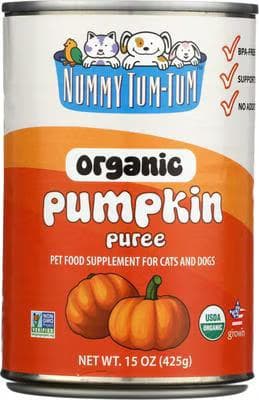
Pure USDA-organic pumpkin puree, no fillers or additives. Adds gentle soluble fiber to firm up loose stool and settle a mildly upset stomach. A simple vet-favorite topper.
Webvet may earn a commission when you click through to Chewy, at no extra cost to you.
5. Underlying Chronic Illness
Kidney disease, hyperthyroidism, pancreatitis, diabetes, and inflammatory bowel disease (IBD) can all affect older cat digestion. Sometimes, the first sign is vomiting or loose stools; however, you may also see constipation, weight loss, appetite changes, and increased drinking or urination.
The Most Common Digestive Problems in Older Cats
1. Constipation
Constipation is often secondary to dehydration, a low-fiber diet, or lack of mobility. Signs to watch out for include straining, hard stools, or pooping less than once daily. Keep up hydration to prevent constipation by adding wet food and fiber.
2. Vomiting or Regurgitation
Hairballs, lack of chewing, or slow digestion frequently cause vomiting or regurgitation. Is your cat throwing up undigested food more than 1-2 times weekly? Be suspicious of a deeper issue, such as IBD or thyroid disease.
3. Diarrhea
Common causes of diarrhea in older cats include dietary intolerance, infection, or IBD. Older cats tend to lose gut resilience, making them more sensitive to new foods. Sometimes diarrhea can be caused by something as simple as a sudden change in diet.
4. Loss of Appetite or Weight
Reduced appetite or weight loss can be related to dental pain, poor nutrient absorption, or nausea from serious illness, such as hyperthyroidism or kidney disease.
5. Hairballs
Vomiting hairballs can be increased if your cat is unable to groom themselves or if their digestion slows down. This can lead to vomiting and constipation, especially in lusciously long-haired breeds.
6. Flatulence or Bloating
Older cat gas can be pungent! Triggers include slow gut motility/passage, poor diet, dysbiosis (unbalanced gut bacteria), or occasionally swallowing air whilst eating.
The Diseases Behind Chronic Digestive Problems in Senior Cats
When digestive signs keep coming back for weeks or months, a specific disease is usually driving them. According to the Cornell Feline Health Center and the Merck Veterinary Manual, the usual suspects in cats over 10 are inflammatory bowel disease, hyperthyroidism, chronic kidney disease, pancreatitis, and intestinal lymphoma.
Naming the disease matters. Each one is managed differently, and most are far easier to control when caught early through routine senior bloodwork.
Inflammatory Bowel Disease (IBD)
IBD is chronic inflammation of the intestinal wall. Per VCA Animal Hospitals, it is one of the most common causes of long-term vomiting and diarrhea in middle-aged and senior cats.
Signs tend to wax and wane: intermittent vomiting, soft stool or diarrhea, gradual weight loss, and an appetite that swings between picky and ravenous. Some cats show only weight loss.
Vets manage IBD with diet trials (novel-protein or hydrolyzed diets), vitamin B12 injections when blood levels run low, and anti-inflammatory medication in more stubborn cases.
Hyperthyroidism
Hyperthyroidism is an overactive thyroid gland, and it is one of the most common hormonal diseases in cats over 10. The gland floods the body with thyroid hormone, revving metabolism far past healthy.
The classic picture is weight loss despite a huge appetite, often with vomiting, diarrhea, restlessness, and increased thirst. A simple blood test (total T4) usually confirms it.
The good news: treatment works well. Options include daily medication, a prescription iodine-restricted diet, or curative radioactive-iodine therapy.
Chronic Kidney Disease (CKD)
Chronic kidney disease is extremely common in senior cats. As the kidneys lose filtering power, waste products build up in the blood, causing nausea, poor appetite, vomiting, and weight loss.
CKD also pulls water out of the body through dilute urine, so constipation is a frequent and underappreciated digestive consequence of kidney trouble.
Diagnosis uses bloodwork (creatinine and SDMA) plus a urine test. Early CKD is managed with kidney-support diets, hydration strategies, and blood pressure control, often for years.
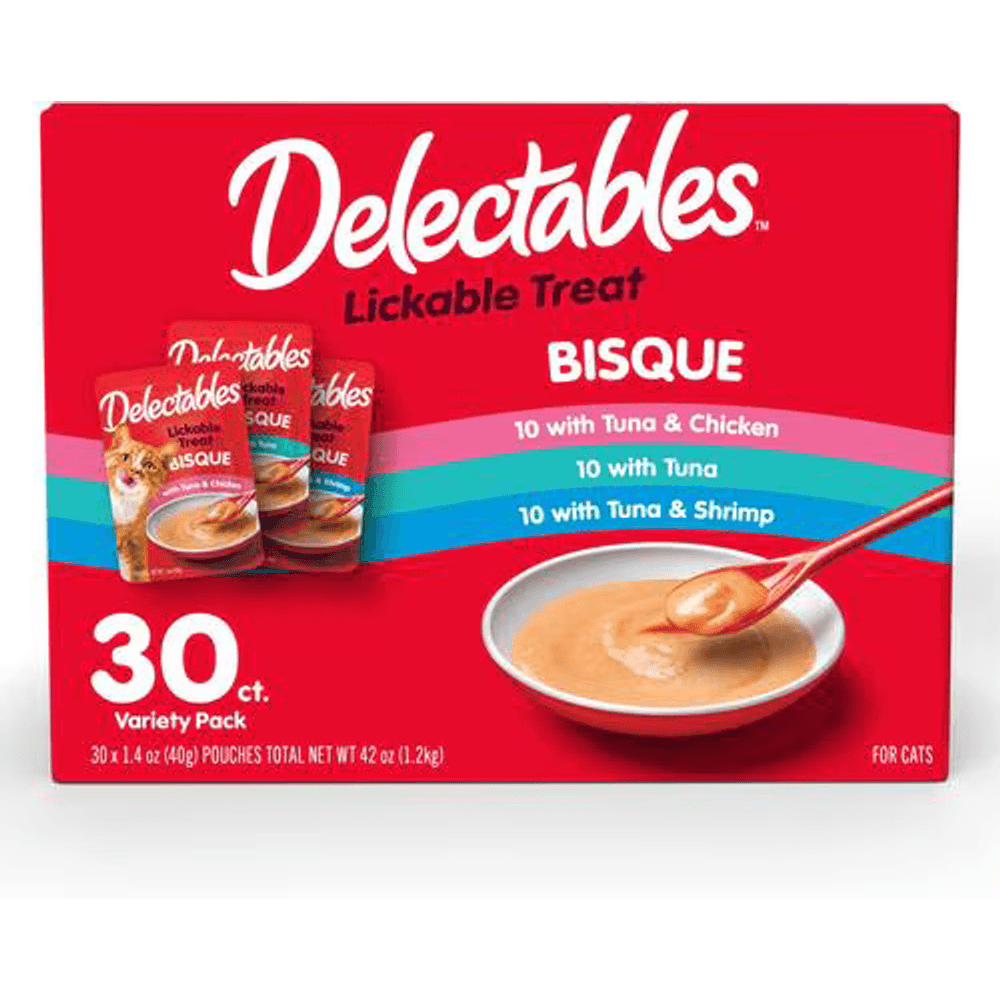
A soupy, lickable bisque treat that tempts a cat who has gone off solid food. The high-moisture, aromatic texture is easy to lap up and hard for a picky or recovering cat to resist, and it sneaks in extra hydration.
Webvet may earn a commission when you click through to Chewy, at no extra cost to you.
Pancreatitis
Pancreatitis, inflammation of the pancreas, is sneakier in cats than in dogs. Many cats show only lethargy and a poor appetite; vomiting appears in some but not all.
It often travels alongside IBD and liver inflammation. Vets diagnose it with a specific blood test (fPL) and abdominal ultrasound, then treat with anti-nausea medication, pain relief, fluids, and careful feeding.
Intestinal Lymphoma
Intestinal lymphoma is the most common cancer of the digestive tract in older cats. Its slow-growing (small-cell) form looks almost identical to IBD: gradual weight loss with chronic vomiting or diarrhea.
Ultrasound raises suspicion, but a biopsy is needed to tell lymphoma from IBD. The small-cell form often responds well to oral medication, and many cats gain good-quality months to years with treatment.
Here is how the five diseases compare at a glance:
| Condition | Digestive signs | How vets diagnose it |
|---|---|---|
| Inflammatory bowel disease (IBD) | Chronic on-and-off vomiting, soft stool or diarrhea, gradual weight loss | Bloodwork, B12/folate levels, ultrasound, intestinal biopsy |
| Hyperthyroidism | Weight loss despite a ravenous appetite, vomiting, diarrhea | Total T4 blood test |
| Chronic kidney disease | Nausea, poor appetite, vomiting, constipation, increased thirst and urination | Creatinine and SDMA bloodwork plus urinalysis |
| Pancreatitis | Lethargy, appetite loss, sometimes vomiting | fPL blood test and abdominal ultrasound |
| Intestinal lymphoma | Weight loss with chronic vomiting or diarrhea; mimics IBD | Ultrasound plus intestinal biopsy |
One more pattern worth knowing: these diseases are not mutually exclusive. An older cat can have kidney disease and hyperthyroidism at the same time, which is why veterinarians usually recommend a full senior blood panel rather than a single test.
 $65 · no membership
Worried about your cat's vomiting or diarrhea?
A licensed vet can examine your cat over video and prescribe treatment online when it's appropriate.
 Talk to a vet
- Licensed vets
- All 50 states
- same-day Rx
Webvet may earn a commission if you book.
Weight Loss Despite a Normal Appetite
Weight loss despite a normal appetite deserves its own section, because owners understandably assume a cat who eats well must be healthy.
In senior cats, the opposite can be true. Hyperthyroidism and diabetes burn calories faster than a cat can eat them, while IBD and intestinal lymphoma stop nutrients from being absorbed properly. The bowl empties on schedule; the body still shrinks.
Run your hand along your cat's spine and hips weekly. Bones that feel sharper month over month, or a visibly bonier silhouette from above, justify a vet visit even when appetite looks perfect.
Some slimming in very old cats reflects sarcopenia, the age-related loss of muscle mass. Even so, sarcopenia is a conclusion your veterinarian reaches after ruling out disease, not an assumption to make at home while a treatable condition goes unchecked.
Stool Triage: What the Litter Box Is Telling You
Your cat's litter box is a daily health report. Knowing what normal looks like makes changes obvious early, and early matters most in a senior cat.
Healthy stool is deep brown, formed but not rock hard, and passed roughly once a day. It should hold its shape when scooped, without crumbling into dry pellets or leaving liquid behind.
Dry, pellet-like stools, straining, or fewer poops point toward constipation, the most common problem covered above. Our guide to constipation in cats: causes, symptoms, and relief options walks through relief step by step.
For diarrhea, the first steps at home are simple: keep fresh water available, avoid switching foods abruptly, and never give human anti-diarrheal medicine. If loose stool lasts beyond 24-48 hours in a senior cat, call your vet; older cats dehydrate quickly. See why your cat has diarrhea and what to do about it for the full triage.
Blood changes the timeline. Fresh red streaks suggest bleeding low in the colon; black, tarry stool suggests digested blood from higher up and is more urgent. Either finding in a senior cat should be reported to your veterinarian the same day.
What About Vomit?
Vomit deserves the same careful reading as stool. An occasional hairball in a long-haired cat is rarely alarming, but vomiting more than once or twice a week is a pattern, not bad luck, and patterns have causes.
Undigested food appearing minutes after a meal suggests eating too fast or regurgitation. Yellow bile on an empty stomach often points to nausea from an underlying disease. Repeated vomiting within a single day, especially with lethargy, is a same-day call.
Blood in vomit, whether fresh red or resembling dark coffee grounds, always warrants an urgent call to your veterinarian, whatever else looks normal.
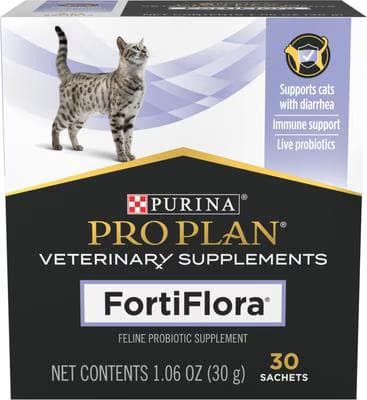
The #1 vet-recommended probiotic for cats. Daily powder sachets support healthy digestion and firmer stools, and can help cats coping with diarrhea or GI upset.
Webvet may earn a commission when you click through to Chewy, at no extra cost to you.
How Veterinarians Diagnose Digestive Issues in Senior Cats
Typically, your veterinarian will start by asking some questions about your senior cat's digestive problems, including what you're noticing, when it started, and any patterns. Be sure to make note of your cat's dietary history and feeding regimen.
They will perform a physical examination of your pet, including a weight measurement, hydration check, and thorough abdominal palpation to assess for tenderness or obvious organ changes. Bloodwork can further investigate any underlying causes, including thyroid, kidney, and liver disease.
Blood vitamin B12 and folate levels can also be assessed, which are often affected by intestinal disease. Your veterinarian may ask for some fecal samples to rule out parasites or bacterial imbalance. Depending on these initial results, abdominal x-rays or ultrasound would be considered to assess for any obstructions, tumors, or thickened intestines.
You can make the visit more productive by bringing a short diary: what your cat eats, how often vomiting or diarrhea happens, litter box output, and any weight change. A photo of the litter box, or a short video of the behavior, genuinely helps.
If early tests come back normal, do not be discouraged. Diagnosing digestive disease in senior cats is often a process of ruling things out, and every normal result narrows the search toward the real answer.

The Best Food for Senior Cats With Digestive Problems
The best food for a senior cat with digestive problems is, first and foremost, one your cat will reliably eat. Beyond that, a few principles hold across almost every case.
Wet food usually wins for seniors. Canned food is roughly three-quarters water, which supports hydration, softens stool, and eases the load on aging kidneys. It is also far easier to chew with sore teeth.
Dry food is not forbidden, but a senior cat on kibble alone needs to drink noticeably more water to stay hydrated, and many simply do not. If kibble stays on the menu, pair it with wet meals or added water.

Look for highly digestible, senior-specific formulas. Good senior diets center on high-quality animal protein to protect muscle, with moderate fat and plenty of moisture. Some add fiber for stool quality, or joint and kidney support.
For diagnosed disease, prescription diets do real work: gastrointestinal formulas for IBD and pancreatitis, fiber-response diets for constipation, and kidney-support diets for CKD. These are chosen with your veterinarian, not off the shelf.
Whatever you choose, transition over 7-10 days, mixing a growing share of the new food into the old. Abrupt swaps are one of the most common triggers of diarrhea in older cats.
A word on reluctant eaters, because appetite and digestion travel together in old age. Warming wet food to roughly body temperature releases aroma, and shallow, wide dishes spare stiff necks and sensitive whiskers. A quiet feeding spot away from other pets lowers mealtime stress.
Small, frequent meals suit an aging gut far better than one or two large ones. And a senior cat who refuses food for more than a day or two risks serious liver complications, so a persistently poor appetite is a medical issue, not stubbornness.
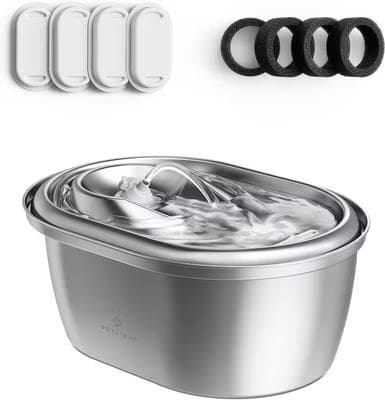
304 food-grade stainless steel pet water fountain, 101 oz. The circulating, filtered water encourages cats to drink more, which supports urinary tract and kidney health.
Webvet may earn a commission when you click through to Chewy, at no extra cost to you.
What You Can Do at Home to Support Senior Cat Digestion
Home care never replaces a diagnosis, but the habits below make almost every senior digestive problem easier to live with, and several of them prevent trouble outright.
1. Hydration Is Key
Keep up hydration to prevent or alleviate constipation; think water fountains and multiple wide-rimmed water bowls around the house (cats prefer these in different areas from food bowls). Consider switching to wet food gradually; you can even add a little warm water or low-sodium chicken broth to meals for those fussy drinkers!
A rough home check helps here. A cat eating mostly wet food may drink little and still be well hydrated, while a kibble-fed senior should visit the water bowl daily. Sunken eyes, tacky gums, or skin that stays tented when gently lifted mean call your vet.

2. Adjust Their Diet
Senior-specific and easy-digest food formulas often contain moderate fat and high moisture to keep your cat hydrated. Turbo-boost fiber with a veterinarian-recommended pumpkin or psyllium supplement, or a prescription diet such as Royal Canin Fiber Response. Avoid abrupt food changes; always transition gradually over 7-10 days to avoid any shock to the system.
3. Address Hairballs
Brush your cat's coat regularly, especially during their shedding seasons. Ask your veterinarian for a suitable omega-3 supplement and consider hairball-control treats to help break up/move along fur in their digestive system.
4. Promote Gentle Movement
Encourage your cat to move around; play with their favorite toys or laser (but be sure to throw in a treat at the end to avoid frustration). Moving around helps to stimulate digestion.
5. Keep Their Teeth Healthy
Schedule a dental scale and polish with your veterinarian and maintain progress with daily dental brushing. Talk to your veterinarian for advice regarding dental diets or rinses. Pain-free chewing reduces vomiting and poor digestion.
6. Probiotics & Digestive Supplements
Vet-approved probiotics are a great supplement to start restoring healthy gut bacteria. Some cats with reduced pancreatic activity benefit from digestive enzymes, but always ask your veterinarian before starting these, as they're not always appropriate.
When to Call the Vet
Reach out to your veterinarian if you notice any vomiting or diarrhea lasting over 48 hours, weight loss or obvious muscle wasting (often seen with more prominent bones), refusal to eat or drink, straining or crying in the litter box, blood in their stool or vomit, lethargy, hiding, or behavior change.
Cats are masters at hiding discomfort, and digestive pain is no exception. If something feels off but you cannot name it, our guide on how to tell if a cat is in pain covers the subtle signals worth trusting.
End-of-Life Signs in Elderly Cats: A Gentle Guide
This is the hardest section to read, and we include it because owners of very old cats deserve honest, gentle information rather than silence.
Signs that a cat may be approaching the end of life include stopping eating and drinking for more than a day or two, profound weight and muscle loss, withdrawing or hiding, losing interest in people and surroundings, incontinence, and labored breathing.
None of these signs, on its own, is a verdict. Several overlap with treatable problems described above, which is why the first step is always a conversation with your veterinarian rather than a conclusion reached at home.
As for what ends most feline lives: chronic kidney disease and cancer are among the most common causes of death in older cats, with heart disease and complications of hyperthyroidism also on the list. Many of these conditions can be managed for months or years when found early, which is exactly what senior wellness checks are for.
If your cat is declining, your vet can share quality-of-life scales that score appetite, comfort, mobility, and joy in daily life. They help families see patterns clearly during an emotional time. Whatever comes next, deciding together with your vet, and in your cat's interest, is what good care looks like.
There is also a middle path. Palliative, comfort-focused care can give an old cat weeks or months of genuinely good days: pain control, appetite support, soft bedding, easy-access litter boxes, and warmth. Your veterinary team can tailor a plan to your cat and your home.
Long-Term Prevention & Comfort Tips
If you have a senior cat, start being proactive now! Schedule biannual veterinarian checkups to catch any issues early. Monitor their stool, appetite, and weight weekly to notice any trends. Provide a quiet, stress-free eating environment to encourage controlled food intake.
Elevate their feeding bowls for comfort and to reduce regurgitation and the risk of your cat throwing up undigested food. Feed smaller and more frequent meals: little and often is best. Groom your cat regularly and ensure they're staying hydrated.
Stiff joints quietly reduce drinking, litter box visits, and movement, all of which feed digestive trouble. Learn what to watch for in our guide to cat mobility: what's normal and what's not in senior cats.
FAQs
What are end of life signs in an elderly cat?
The most consistent signs are stopping eating and drinking, profound weight and muscle loss, withdrawal and hiding, loss of interest in surroundings, incontinence, and labored breathing. Because several of these overlap with treatable illnesses, share what you are seeing with your veterinarian, who can gently assess comfort and quality of life with you.
What is the best food for senior cats with digestive problems?
A highly digestible, senior-formulated wet food is the best starting point: its moisture supports hydration, kidney health, and stool quality, and it is easier to chew. Cats with diagnosed conditions such as IBD, constipation, or kidney disease often do best on a veterinary prescription diet. Transition any new food gradually over 7-10 days.
What causes stomach problems in the elderly?
In elderly cats, stomach problems stem from slower gut motility, reduced digestive enzyme production, dehydration, and dental disease, plus chronic illnesses such as inflammatory bowel disease, hyperthyroidism, kidney disease, pancreatitis, and intestinal lymphoma. Aging alone rarely explains persistent vomiting or diarrhea, so recurring signs deserve a veterinary workup rather than watchful waiting.
What is the leading cause of death in older cats?
Chronic kidney disease and cancer are among the most commonly reported causes of death in older cats, with heart disease and complications of hyperthyroidism also frequent. Many of these conditions can be managed for a long time when caught early, which is why twice-yearly senior checkups and routine bloodwork matter so much.
Why does my senior cat vomit more often?
If your cat is throwing up undigested food frequently, it can raise eyebrows. Common culprits can include systemic disease, such as kidney disease, IBD, hyperthyroidism, or certain tumors, but also dietary sensitivities. Book a checkup with your veterinarian, including a dental assessment, to narrow down the potential trigger for your cat.
Can constipation be serious in senior cats?
Constipation is a common sign of senior cat digestive problems. This can be caused by a host of factors, including excessive water loss through urine (chronic kidney disease), lack of mobility (arthritis), lack of water intake (for example, if they're painful and do not want to walk to their water source), and lack of fiber in their diet. Talk with your veterinarian regarding the next steps to finding the root of the problem.
Conclusion
Fear not, digestive problems in older cats are common but manageable. Start with simple, consistent habits to keep an eye on your cat and their hydration, so that any changes are picked up early. With the right nutrition, hydration, and gentle veterinary support, senior cats can enjoy calm, comfortable digestion well into their golden years.
Keep the triage sections above handy, trust the litter box to tell you the truth, and lean on your veterinary team early rather than late. Old cats are wonderfully good at getting better when we give them the chance.
$65 · no membershipWorried about your cat's vomiting or diarrhea?
A licensed vet can examine your cat over video and prescribe treatment online when it's appropriate.
Talk to a vet- Licensed vets
- All 50 states
- same-day Rx
Webvet may earn a commission if you book.

Veterinarian · BVSc MRCVS
Grace graduated from the University of Liverpool in 2022. She works as a small animal vet in London and has published research in the Veterinary Record. She enjoys consulting and operating on dogs, cats, and exotic pets. Beyond clinical practice, she applies her expertise as a veterinary writer and mentors aspiring veterinary students.


