Why Your Cat Has Diarrhea and What to Do About It
Most cases of cat diarrhea are mild and pass within a day or two, but some signal real trouble. A vet explains the common causes, what stool color changes mean, safe home care, what to feed, and the red flags that mean call your vet.

MRCVS BVMS, BS ASci, MLitt
Medically reviewed by Dr. Caitlin Merrill, MRCVS BVMS, BS ASci, MLitt · Last reviewed

This article contains affiliate links. Webvet may earn a commission when you buy through them, at no extra cost to you.
If your cat has diarrhea, you are probably wondering whether it is a passing upset or a sign of something serious. Discovering a mess in the litterbox is never a good start to the day, and it is even worse to find they did not make it in time.
Perhaps it was the new bag of treats, or an unexpected visit from a noisy friend causing an upset tummy. Most mild episodes settle on their own within a day or two. Others are the first sign of parasites, a food intolerance, or an underlying illness that needs veterinary care.
In this vet-reviewed guide we will explore what causes diarrhea in cats, how to read what you find in the litter box, what you can safely do at home, and exactly when it is time to take a trip to the vet.
- 1A single episode of diarrhea in an otherwise healthy adult cat is rarely serious and often resolves within 24-48 hours.
- 2Diet changes, stress, parasites, and infections are the most common causes; diarrhea lasting more than two to three weeks usually points to an underlying condition.
- 3Support mild cases at home with a bland diet, plenty of fresh water, and a clean litter box, and never give cats human anti-diarrhea medications.
- 4Black or tarry stool, blood, repeated vomiting, or lethargy mean call your vet right away.
- 5Kittens and senior cats dehydrate quickly, so they should see a vet sooner rather than later.
What Diarrhea Really Means
Diarrhea is caused by an imbalance in the digestive tract, whether that is infection, irritation, inflammation, or a change in the way your cat is processing food. Soft, loose, watery, or unusually frequent bowel movements all count, and they may be uncomfortable for your kitty to pass.
Diarrhea is a symptom, not a disease. It tells you something has disturbed the gut, and the list of possible triggers ranges from harmless to serious. The first clue veterinarians use to narrow it down is timing: how suddenly it started and how long it has lasted.
Acute diarrhea: sudden and usually short-lived
Acute diarrhea starts suddenly and lasts anywhere from a day to under two weeks. It is usually triggered by a diet change, eating something unusual, stress, or a mild infection. Most healthy adult cats recover from a mild acute episode within 24-48 hours with simple supportive care at home.
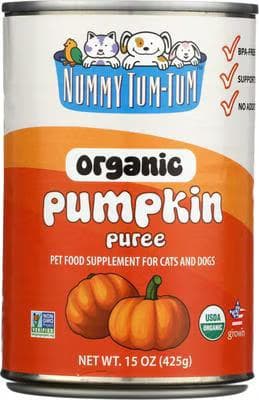
Pure USDA-organic pumpkin puree, no fillers or additives. Adds gentle soluble fiber to firm up loose stool and settle a mildly upset stomach. A simple vet-favorite topper.
Webvet may earn a commission when you click through to Chewy, at no extra cost to you.
Chronic diarrhea: two to three weeks or more
Chronic diarrhea persists for more than two to three weeks, or keeps coming back in waves. It is more likely to involve food allergies, parasites, inflammatory bowel disease (IBD), hyperthyroidism, or organ disease. Chronic diarrhea always warrants a veterinary workup rather than continued home care. If chronic enteropathy is diagnosed, WebVet's guide to what to feed a cat with IBD explains veterinarian-directed diet trials and nutritional follow-up.
If your veterinarian suspects a parasite or suggests gut support, our guides to cat dewormer, dewormer for cats with tapeworms and cat probiotics cover the product choices.
Diarrhea is not the only litter box change worth watching, either. If your cat swings the other way and strains to pass hard, dry stool, our guide to constipation in cats covers the causes and relief options.
What Your Cat's Stool Can Tell You
The color and texture of your cat's stool offer genuine diagnostic clues. None of these replace a vet exam, but they help you judge urgency and give your veterinarian a head start. A quick photo of the litter box on your phone is genuinely useful at the appointment.
| What you see | What it can mean | Urgency level |
|---|---|---|
| Soft but formed stool | Mild upset from a diet change or stress | Low: monitor at home for 24-48 hours |
| Watery diarrhea | Rapid transit through the gut; higher dehydration risk | Moderate: call the vet if it lasts beyond 24-48 hours |
| Red streaks or fresh blood | Irritation or inflammation in the colon or rectum, sometimes parasites | High: call your vet the same day |
| Black or tarry stool | Digested blood from bleeding higher up in the digestive tract | Emergency: see a vet immediately |
| Yellow or green stool | Food moving through too fast, bile changes, or occasionally liver or gallbladder issues | Moderate: vet visit if it persists or repeats |
| Mucus or a jelly-like coating | Inflammation of the colon (colitis), often stress or parasite related | Moderate: vet visit if ongoing |
| Greasy, pale, or gray stool | Poor digestion or absorption, sometimes pancreatic disease | High: book a vet visit promptly |
| Visible worms or rice-like segments | Roundworms or tapeworms | Moderate: vet for deworming, bring a stool sample |

Common Reasons Your Cat Has Diarrhea
Sudden diet changes: Cats' digestive systems do not handle change well. Switching the brand of food or the protein source overnight can cause diarrhea. Instead, slowly transition to new foods over the course of a week or more.
Food intolerance or sensitivity: Chicken, beef, dairy, and some grains are common triggers. You may see recurring soft stools, gas, and bloating. An elimination diet directed by your vet can help identify the problem ingredient.
Eating something they shouldn't: Fun forbidden snacks like houseplants, garbage, or human food can cause diarrhea. Mild cases should resolve quickly, but more serious mistakes like string or toxin ingestion are emergencies.
Parasites (worms, Giardia, coccidia): Kittens, outdoor cats, and rescues are all at higher risk. Parasites can cause soft stools, mucus, occasional blood, and weight loss. Your vet may ask for a fecal sample to diagnose and prescribe the correct treatment. Year-round prevention matters too; see our guide to common parasites in cats and how to prevent them.
Stress or anxiety: Stress can change the gut microbiome and overall motility. Cats can be rattled by a move, renovations, a new pet, or house guests. You can reduce stress by providing calm, secure spaces and using pheromone diffusers.
Infections (bacterial or viral): Salmonella, Campylobacter, or viruses like feline panleukopenia can all cause diarrhea. Infected cats may also have a fever, lethargy, or a poor appetite. Infections require diagnosis and supportive treatment with your vet.
Underlying health conditions: Chronic diarrhea can be caused by inflammatory bowel disease (IBD), liver or kidney disease, or hyperthyroidism. Although rare, some cancers can also cause chronic diarrhea. Your vet will investigate through blood-work or imaging as appropriate.
Many of these triggers affect dogs too. If you run a multi-pet household, our companion guide to why your dog has diarrhea covers the canine side of the story.
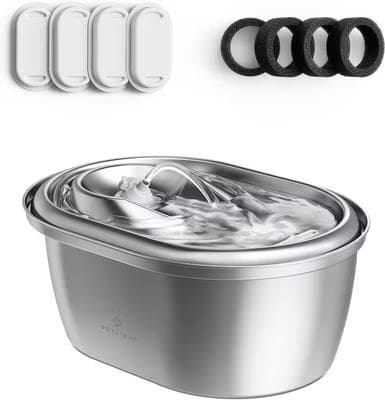
304 food-grade stainless steel pet water fountain, 101 oz. The circulating, filtered water encourages cats to drink more, which supports urinary tract and kidney health.
Webvet may earn a commission when you click through to Chewy, at no extra cost to you.
My Cat Has Diarrhea but Is Acting Normal: Should I Worry?
A cat with diarrhea who is still eating, playing, and acting normal is usually not an emergency. A bright, well-hydrated adult cat with one or two soft stools can typically be monitored at home for 24-48 hours with the supportive steps below.
That said, acting normal does not guarantee everything is fine. Cats are experts at masking illness, and ongoing soft stool quietly drains fluids and nutrients. Diarrhea is not an illness but a symptom, so even a happy, healthy-seeming cat with ongoing or frequent diarrhea needs a vet to find and treat the cause.
Will cat diarrhea resolve on its own? Often, yes: a single mild episode triggered by a new treat or a stressful day frequently clears within 24-48 hours. Diarrhea that is watery, keeps repeating, or comes with any other symptom should never be left to run its course.
Older cats deserve extra caution here, since age-related conditions like hyperthyroidism and kidney disease often show up first as digestive changes. Our guide to senior cat digestive problems explains what to watch for as your cat ages.
 $65 · no membership
Worried about your cat's vomiting or diarrhea?
A licensed vet can examine your cat over video and prescribe treatment online when it's appropriate.
 Talk to a vet
- Licensed vets
- All 50 states
- same-day Rx
Webvet may earn a commission if you book.
When To See The Vet
Call your veterinarian if any of the following apply:
- Diarrhea lasts more than 24-48 hours
- Stool includes blood or mucus, or is black and tarry
- Your cat is refusing food and/or vomiting frequently
- Hiding away, lethargy, or signs of dehydration
- Weight loss
- Changes in thirst or urination
- Your cat is a kitten, a senior cat, or has a chronic illness
It is important to remember that watery diarrhea, vomiting, or refusing to eat and drink can quickly lead to dehydration. Call your vet immediately if these symptoms appear.
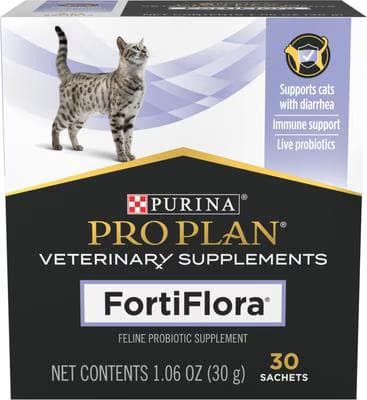
The #1 vet-recommended probiotic for cats. Daily powder sachets support healthy digestion and firmer stools, and can help cats coping with diarrhea or GI upset.
Webvet may earn a commission when you click through to Chewy, at no extra cost to you.
Kittens and senior cats dehydrate fast
Kittens, senior cats, and cats with chronic illness have far less reserve than healthy adults. A kitten with watery diarrhea can become dangerously dehydrated within hours, and low blood sugar adds a second risk. Do not apply the 24-48 hour rule to these cats: call your vet the same day.

What You Can Do At Home (For Mild Cases)
Can I help my cat with diarrhea without a stressful trip to the vet? In some cases, you can! If your cat has only had a single or very mild bout of diarrhea, you can try these steps to help them get back to normal:
- A short period of fasting (with water always available!) can help rest and reset the digestive tract. Remember that kittens and elderly cats should never be fasted, as this can cause an unsafe drop in blood sugar. For the same reason, diabetic cats should also never be fasted.
- Keep your cat hydrated by providing clean bowls of fresh water away from food, or cat-safe electrolyte solutions. Wet food and a pet water fountain can both help boost hydration.
- Make sure the litterbox stays as clean as possible and easy to access. Frequent scooping also helps you monitor your cat's progress day to day.
If your cat's diarrhea does not resolve or worsens despite your support, it is time to phone the vet.
What to Feed a Cat With Diarrhea
What should I feed my cat with diarrhea? The goal is bland, easily digestible food that rests the gut without starving it. Small, frequent meals work better than one large one while the digestive tract recovers.
Start with a bland diet
Boiled, unseasoned chicken with a little plain white rice, or a veterinary prescription gastrointestinal diet, are both good options. Feed small portions every few hours. As your cat's stool begins to firm up, slowly transition back to their normal food over 7 to 10 days.
Add plain canned pumpkin for fiber
A teaspoon of plain canned pumpkin (not pie filling, which contains sugar and spices) mixed into meals adds soluble fiber that can help firm up loose stool. Start with 1 to 2 teaspoons per day. If your cat turns their nose up at it, do not force the issue.


Crystal litter that changes color alongside some urinary changes, as a prompt to call your vet.
Webvet may earn a commission when you click through to Chewy, at no extra cost to you.
Consider a cat-specific probiotic
Probiotics formulated for cats can help restore the gut's normal bacterial balance after an upset. Choose a feline-specific product recommended by your veterinarian, since human probiotic strains and doses are not designed for cats. Think of probiotics as support, not a cure: they work best alongside the steps above.
How Vets Diagnose The Cause
Your vet visit should start with a clinical exam. A good top-to-tail check helps identify issues like pain, dehydration, and overall body condition, as well as other signs that might point to the cause. Depending on what they find, your vet will then recommend further testing:
- Fecal tests check for parasites, bacteria, and inflammation.
- Blood-work can diagnose thyroid, kidney, and liver issues, as well as more subtle metabolic problems like imbalances in micro-nutrients such as folate and cobalamin.
- Imaging, including x-rays or ultrasound, can help rule out cancers or blockages in the gut and assess whether IBD is a likely culprit.
- A diet trial may be recommended to identify or confirm suspected allergies or food sensitivities.
Treatment Options
Once a cause has been identified, your vet will recommend a treatment plan built around it. Depending on the diagnosis, your veterinarian may prescribe:
- Prescription dewormers or anti-protozoal medications to deal with parasites
- Antibiotics, fluids, and dietary support to address infection
- A hypoallergenic or hydrolyzed diet to address allergies and sensitivities
- Anti-inflammatory medications (like steroids), probiotics, and restricted diets to manage IBD
- Environmental adjustments, pheromone diffusers, and enrichment plans to address stress
Never repurpose leftover medications or share drugs between pets. Doses and drug choices that are safe for a dog or a person can be dangerous, or even fatal, for a cat.
Preventing Future Diarrhea
Once your cat is on the mend, there are steps you can take to help their recovery and avoid future incidents:
- Always transition foods slowly over 7 to 10 days rather than all at once
- Add new treats sparingly until you know how your cat handles them
- Feed a balanced, high-quality diet to keep the gut happy
- Make sure curious kitties cannot reach toxic plants, chemicals, or table scraps that can land them in trouble
- Plan ahead for travel and other big changes to minimize stress
- Keep up year-round parasite prevention and a yearly vet visit to catch concerns early
Final Thoughts
Most cases of feline diarrhea are temporary and resolve with the correct supportive care. Hydration, close monitoring, and early intervention with a vet for ongoing diarrhea are the keys to a quick recovery. Whether it is something they ate, an infection, or a stressy tummy, your vet can track down the cause and get your cat's tract back on track.
For further vet-written reading, the Cornell Feline Health Center's overview of diarrhea, the Merck Veterinary Manual's chapter on stomach and intestinal disorders in cats, and VCA Animal Hospitals' guide to diarrhea in cats are excellent resources.
Frequently Asked Questions
What can you give a cat for diarrhea?
For a mild case, you can offer a bland diet such as boiled chicken with plain white rice, a teaspoon or two of plain canned pumpkin for fiber, and a cat-specific probiotic. Never give human anti-diarrhea medicines like loperamide or Pepto-Bismol, which are dangerous for cats; ask your veterinarian first.
What should I do if my cat has diarrhea?
Keep fresh water available, feed small bland meals, and keep the litter box clean so you can monitor each stool. A healthy adult cat can be watched at home for 24-48 hours. Call your veterinarian if the diarrhea persists, worsens, or is joined by vomiting, blood, or lethargy.
When should I be concerned about my cat's diarrhea?
Be concerned if diarrhea lasts more than 24-48 hours, contains blood or mucus, is black and tarry, or comes with vomiting, appetite loss, weight loss, or lethargy. Kittens, senior cats, and cats with chronic illness should see a vet the same day because they dehydrate quickly.
Will cat diarrhea resolve on its own?
A single mild episode often resolves within 24-48 hours, especially when triggered by a new treat or a stressful event. Watery, repeated, or longer-lasting diarrhea usually will not fix itself, because the underlying cause, such as parasites or a food intolerance, still needs to be treated.
What should I do if my cat has diarrhea but seems okay otherwise?
Provide a bland diet like chicken and rice or a prescription GI food and monitor them closely. Even a happy, playful cat loses fluids with every loose stool. If the diarrhea continues for more than 24-48 hours, or your cat develops other symptoms like vomiting, speak to your vet.
When should I take my cat with diarrhea to the vet?
Go in when diarrhea lasts more than 24-48 hours, or when it is accompanied by blood, vomiting, or lethargy. And if you know your cat has recently eaten something strange or dangerous, do not wait for diarrhea to start: call your vet, who can tell you whether to come in immediately or monitor at home.
What should I do if my cat had diarrhea with blood in it?
Contact your vet promptly: blood in stool is never normal, though it is not always a reason to panic. Fresh red blood often comes from irritation in the lower digestive tract, sometimes caused by parasites. Black or tarry stool means older, digested blood from higher up and is treated as an emergency.
Author Bio
Caitlin Merrill MRCVS, BVMS, BS ASci, MLitt
Caitlin is a primary care clinician based at the University of Glasgow. She currently splits her time between clinical work, teaching, and writing. When not working she can be found hiking the moors with her mildly dramatic terrier or cuddling on the sofa with her wildly naughty cat.
Feature image: istockphoto
$65 · no membershipWorried about your cat's vomiting or diarrhea?
A licensed vet can examine your cat over video and prescribe treatment online when it's appropriate.
Talk to a vet- Licensed vets
- All 50 states
- same-day Rx
Webvet may earn a commission if you book.
Veterinarian · MRCVS BVMS, BS ASci, MLitt
Caitlin is a primary care clinician based at the University of Glasgow. She currently splits her time between clinical work, teaching, and writing. When not working she can be found hiking the moors with her mildly dramatic terrier or cuddling on the sofa with her wildly naughty cat.


