Constipation in Cats: Causes, Symptoms, and Relief Options
Constipation in cats is easiest to treat when you catch it early. A vet explains the causes, warning signs, safe at-home relief, and the straining emergency that means go to the vet now.

BVetMed MRCVS
Medically reviewed by Dr. Hannah Godfrey, BVetMed MRCVS · Last reviewed

This article contains affiliate links. Webvet may earn a commission when you buy through them, at no extra cost to you.
Constipation in cats is easy to miss and much easier to treat when it's spotted early. If you know your cat's normal litter box routine, a gap of a couple of days should get your attention, but if your cat toilets outside, the first clue may be straining or discomfort.
In this vet-written guide, we'll cover the causes and signs of constipation in cats, what you can safely do at home, the medications your veterinarian may recommend, and the serious conditions, like megacolon and urinary blockage, that can hide behind a cat straining in the litter box.
- 1Most cats poop at least every 24-36 hours; call your veterinarian if your cat hasn't passed stool in 48-72 hours or is straining and uncomfortable.
- 2A cat straining in the litter box and passing nothing could be blocked in the bladder, not the bowel. A urinary blockage is a life-threatening emergency, especially in male cats.
- 3Dehydration is the most common cause of constipation in cats; hairballs, low fiber, inactivity, pain, medications, and megacolon are other frequent culprits.
- 4Mild cases often improve with more water, wet food, fiber such as plain canned pumpkin, and playtime. Never give human laxatives, mineral oil by mouth, or over-the-counter enemas.
- 5Your veterinarian may recommend Miralax (polyethylene glycol), lactulose, or cisapride, and severe megacolon that stops responding to medication can be treated with surgery.
Constipation in Cats At a Glance
- Cats should poop at least every 24-36 hours.
- If your cat regularly poops less often, increasing their water intake might help.
- Causes of cat constipation include dehydration, a gut blockage, hairballs, and megacolon.
- If your cat is straining, this could be a sign of more severe constipation or a blocked bladder, which requires emergency veterinary treatment.
What Is Constipation in Cats?
Constipation is passing feces less frequently than normal, or having difficulty passing feces. A constipated cat may strain, vocalize, and spend a long time in the litter box, and any stools they do pass are often firm, dry, and smaller than usual.
Veterinarians describe three levels of severity. Constipation is infrequent or difficult passage of dry, hard stool. Obstipation is severe, stubborn constipation where the cat physically cannot evacuate the mass of dry feces without help. Megacolon is a stretched, weakened colon that has lost its ability to push stool along at all.
These stages matter because they build on each other. Repeated or untreated episodes of constipation can stretch the colon over time, and a chronically stretched colon holds stool longer, which makes the next episode worse. Acting early protects your cat's long-term gut function.
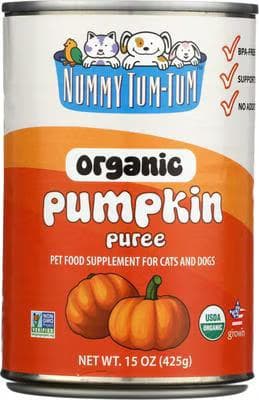
Pure USDA-organic pumpkin puree, no fillers or additives. Adds gentle soluble fiber to firm up loose stool and settle a mildly upset stomach. A simple vet-favorite topper.
Webvet may earn a commission when you click through to Chewy, at no extra cost to you.
Constipation or Urinary Blockage? Know the Difference
Before assuming constipation, always ask one question: is my cat passing urine? Owners frequently mistake a urinary blockage for constipation because the posture looks the same: crouched low, straining, and getting up with nothing to show for it.
The stakes are very different. A constipated cat is uncomfortable and needs treatment soon. A blocked cat cannot empty their bladder, toxins build rapidly, and the condition can be fatal within a day or two. Male cats, with their long narrow urethra, block far more easily than females.
Check the litter box for urine clumps, and watch your cat during a box visit if you can. Pain signals like a tense belly, hiding, or aggression when touched raise the urgency; our guide on how to tell if a cat is in pain covers the subtle signs cats are so good at hiding.
If there is any doubt about whether your straining cat is passing urine, treat it as an emergency. A vet can tell the difference within minutes by feeling the bladder.
Common Causes of Constipation in Cats

1. Dehydration
Dehydration is the most common cause of constipation in cats. When the body is short on water, the colon pulls extra fluid out of the stool, leaving it dry and hard to pass. Cats are naturally poor drinkers, so cats fed only dry food are especially at risk.
2. Low-Fiber Intake
Fiber adds bulk to the stools, draws water into them, and helps them move smoothly through the gut. A diet too low in fiber for that individual cat can produce small, dry, slow-moving stools, which is why fiber adjustments are a core part of managing recurrent constipation.
3. Hairballs
When your cat grooms, they swallow hair. Small amounts pass without trouble, but large quantities can mix into the feces and firm them up, or occasionally lodge in the gut and cause a blockage. Long-haired breeds and enthusiastic groomers are the classic repeat offenders.
4. Lack of Exercise
Obesity and a sedentary lifestyle are proven risk factors for constipation in cats, because when the body slows down, the gut slows down too. Indoor-only cats that spend most of the day resting are particularly prone, which is one more reason daily play matters.
5. Pain or Litter Box Avoidance
If squatting hurts, perhaps from arthritis or a healed pelvic injury, a cat will put off pooping. The same happens when the litter box is dirty, hard to reach, or guarded by another cat. Held stool sits in the colon, dries out, and becomes progressively harder to pass.
Litter box stress rarely shows up as constipation alone. Cats that avoid the box often toilet elsewhere too, and our article on why a cat pees on the bed explains how to spot and fix the underlying box problems.
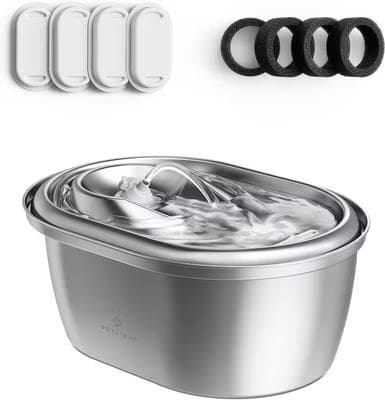
304 food-grade stainless steel pet water fountain, 101 oz. The circulating, filtered water encourages cats to drink more, which supports urinary tract and kidney health.
Webvet may earn a commission when you click through to Chewy, at no extra cost to you.
6. Medications
Certain medications, like diuretics, iron supplements, and opioid painkillers such as codeine, can dehydrate the body or slow gut movement, making constipation more likely. If your cat's toileting changed after starting a new medication, mention it to your vet rather than stopping the drug yourself.
7. Underlying Health Conditions
Some medical conditions cause constipation directly. These include megacolon, tail-pull injuries that damage the nerves controlling the colon, narrowed pelvic canals after a fracture, kidney disease that drives chronic dehydration, and other neurological problems. Repeated unexplained episodes always deserve a proper workup.
Signs and Symptoms of Constipation in Cats
- Straining or vocalizing in the litter box
- Hard, dry, or small stools
- Restless behavior and frequent trips to the litter box
- Lethargy
- Loss of appetite
- Vomiting
- Bloated or firm abdomen
- Licking or biting at the rear end
One confusing sign: small amounts of liquid stool can seep around a hard fecal mass and be mistaken for diarrhea. If your cat seems to have both straining and loose stool, don't assume the problem is soft stool; our guide to why your cat has diarrhea explains how to tell true diarrhea apart.
Some of these symptoms could also indicate a blocked bladder, which can look very similar and is a life-threatening emergency. If your cat is straining and not passing any urine or feces, take them to the vet immediately.
 $65 · no membership
Worried about your cat's vomiting or diarrhea?
A licensed vet can examine your cat over video and prescribe treatment online when it's appropriate.
 Talk to a vet
- Licensed vets
- All 50 states
- same-day Rx
Webvet may earn a commission if you book.
When to See the Vet
As a rule of thumb, contact your veterinarian if your cat hasn't produced a bowel movement within 48-72 hours of the last one. Sooner is better if your cat also seems unwell. Specifically, your cat needs to be examined if you notice any of the following:
- Your cat hasn't pooped in more than 48 hours and seems unwell, or hasn't pooped in 3 days even if they're acting well otherwise.
- Repeated straining with no urine or feces passed.
- Crying or vocalizing in the litter box.
- Bloated or firm abdomen, or signs of abdominal pain (e.g., unusual aggression when touched).
- Blood in the stool.
- Loss of appetite or vomiting.
- Withdrawing or hiding.
The outlook is genuinely good when constipation is treated early: most cats respond well to fluids, laxatives prescribed by a vet, and diet changes. The prognosis worsens when episodes are ignored, because each severe episode stretches the colon and pushes the cat closer to obstipation and megacolon.
How Vets Diagnose the Cause

Physical Exam
Your vet can check your cat's hydration status and look for abdominal pain. In most constipated cats, they can actually feel the firm, backed-up stool within the colon, and they can confirm the bladder is emptying normally, ruling out a urinary blockage on the spot.
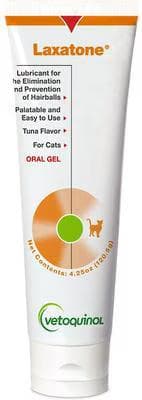
A palatable tuna-flavored oral gel that gently lubricates the digestive tract to ease hairballs and mild constipation in cats.
Webvet may earn a commission when you click through to Chewy, at no extra cost to you.
Rectal Exam
Sometimes the vet can feel firm stools or a blockage rectally, though the problem may sit further inside the colon than a finger can reach. The rectal exam also lets the vet check the anal glands and feel for growths, foreign material, or a narrowed pelvic canal.
X-rays or an Ultrasound
An X-ray shows the extent of the constipation, whether the colon is dilated enough to suggest megacolon, and may reveal an obstruction, old pelvic fractures, or arthritis. An ultrasound helps identify what is causing a blockage and assesses the health of the intestinal wall.
Blood Tests
Blood tests reveal dehydration, electrolyte imbalances, and evidence of underlying conditions like kidney disease or hyperthyroidism. In older cats especially, this step matters, because treating the disease driving the dehydration is what stops the constipation from coming back.
Treatment and Management Options
At-Home Relief (Only for Mild Constipation)
If your cat is bright, eating, and still passing some stool, these steps can help get things moving again:
- Increase hydration by adding more water stations, switching to wet food, adding extra water to meals, or using a cat water fountain. Many cats drink noticeably more from moving water.
- Add fiber with vet-approved fiber supplements, high-fiber cat foods, or a small spoonful of plain canned pumpkin (never pie filling). Check the amount with your vet, because too much fiber can worsen some cats.
- Increase activity by encouraging play with new toys and building short play sessions into your cat's daily routine. Movement stimulates the gut.
- Manage hairballs by brushing your cat regularly, especially long-haired cats, and using a hairball paste that helps swallowed hair pass without getting stuck.
- Fix the litter box setup by providing at least one box per cat plus one extra, keeping them clean, and matching your cat's preferred box style and litter type to prevent avoidance.

Veterinary Treatment (for Moderate or Severe Cases)
When home measures aren't enough, or the cat is dehydrated or in pain, veterinary treatment steps up in stages:
- Fluid therapy via a drip or an injection under the skin to correct dehydration, which softens the stool from the inside out.
- Laxatives and stool softeners prescribed at a dose matched to your cat (see the medication ladder below).
- An enema or manual removal performed at the clinic, usually under sedation or anesthesia, using warm fluids and lubricant to break down and dislodge the hard feces safely.
- Prokinetic medication to stimulate colon contractions in megacolon or long-term cases.
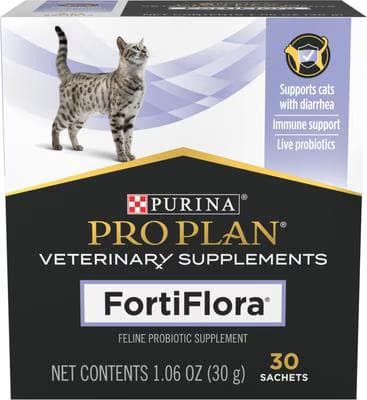
The #1 vet-recommended probiotic for cats. Daily powder sachets support healthy digestion and firmer stools, and can help cats coping with diarrhea or GI upset.
Webvet may earn a commission when you click through to Chewy, at no extra cost to you.
Medications Your Veterinarian May Recommend
Vets typically work up a ladder of medications, starting gentle and escalating only if needed. Miralax (polyethylene glycol 3350) is an osmotic laxative that pulls water into the stool. It's a common first choice, but the feline dose is small and should be set and rechecked by your veterinarian, not estimated at home.
Lactulose is a prescription syrup that works the same way, holding water in the colon so stools stay soft. For cats whose colon muscle has stopped contracting properly, your veterinarian may prescribe cisapride, a prokinetic drug (usually from a compounding pharmacy) that stimulates the colon to push stool along.
Here's how the main relief options compare:
| Relief option | How it helps | Vet supervision needed? |
|---|---|---|
| Extra water, wet food, water fountain | Fights dehydration so stool stays soft | No, safe for every cat |
| Plain canned pumpkin or fiber supplement | Adds bulk and draws water into the stool | Ask first, amount matters and fiber isn't right for every cat |
| Hairball paste | Lubricates swallowed hair so it passes | No for occasional use, ask if using daily |
| Miralax (polyethylene glycol 3350) | Osmotic laxative that softens stool | Yes, your vet confirms it's constipation and sets the dose |
| Lactulose | Prescription osmotic laxative, keeps stool soft long-term | Yes, prescription only |
| Cisapride | Prokinetic that stimulates colon contractions in megacolon | Yes, prescription only, usually compounded |
| Enema or manual stool removal | Physically clears impacted feces under sedation | Yes, clinic only, home enemas can be toxic |
| Subtotal colectomy surgery | Removes the diseased colon in end-stage megacolon | Yes, specialist surgery |
Megacolon and Obstipation: When Constipation Becomes Severe
Megacolon is the most serious end of the constipation spectrum. The colon becomes dilated and loses its motility, so feces accumulate faster than the cat can ever pass them. In most cats the cause is never identified (idiopathic megacolon), though older age, obesity, chronic kidney disease, and old pelvic injuries increase the risk.
Cats with megacolon cycle through episodes of obstipation: complete impaction they cannot clear on their own. Management usually combines a special diet, lactulose or Miralax to keep stool soft, cisapride to encourage motility, and periodic clinic visits for enemas or manual evacuation under sedation.
When medication stops working, surgery becomes the kindest option. A subtotal colectomy removes most of the diseased colon. It sounds drastic, but most cats do well after this procedure and enjoy a good quality of life. Soft stool or mild diarrhea is common afterward and can persist for weeks to months as the gut adapts.
Constipation in Senior Cats

Constipation becomes more common as cats age, and in a senior cat it is more likely to have a medical driver. Chronic kidney disease causes cats to lose more water through their urine than they can drink back, leaving the stool chronically dry. Hyperthyroidism, diabetes, and some heart medications also tip the fluid balance.
Arthritis plays a quieter role. An older cat with sore hips may struggle to climb into a high-sided box or hold a squat, so they postpone pooping. Simple fixes help: a low-entry litter box on the floor your cat actually uses, boxes on every level of the house, and vet-guided pain relief.
If your older cat's toileting habits are changing, don't write it off as age. Weight loss, increased thirst, or smaller stools alongside constipation all point to an underlying condition worth finding early. Our guide to senior cat digestive problems covers what changes are normal and which need a workup.
Preventing Constipation in Cats
- Encourage drinking and increase water intake.
- Feed wet cat food that's high quality and provides adequate fiber.
- Consider probiotics, fiber supplements, or other digestive supplements (speak to your vet first).
- Keep your cat at a healthy weight and encourage daily activity.
- Brush your cat regularly to reduce the risk of hairballs.
- Keep litter boxes clean, accessible, and easy for older cats to climb into.
For authoritative background, the Cornell Feline Health Center's constipation overview, the Merck Veterinary Manual on constipation, obstipation, and megacolon, and VCA Animal Hospitals' guide to constipation in cats are excellent, vet-written resources.
FAQs
How long can a cat go without pooping before it's dangerous?
Most cats poop at least every 24-36 hours, so contact your vet if your cat hasn't gone in 48-72 hours. A cat that seems unwell, is straining repeatedly, or is passing nothing at all needs to be seen sooner, because the same picture can also signal a life-threatening urinary blockage.
What can I give my cat for constipation?
For mild cases, offer more water, switch to wet food, and add a vet-approved fiber source such as a small spoonful of plain canned pumpkin. Your veterinarian may recommend Miralax or prescribe lactulose, but the dose should come from them. Never give human laxatives, mineral oil, or over-the-counter enemas.
What can make a cat constipated quickly?
Sudden dehydration is the fastest trigger, often from an illness that reduces drinking, vomiting, or a heat spell. A swallowed hairball or foreign object, new medication such as an opioid painkiller or diuretic, pain that makes squatting difficult, or a stressful litter box change can also stop a cat up within days.
How to stimulate a constipated cat to poop?
Encourage gentle play to get the gut moving, offer extra water or wet food, and make the litter box spotless and easy to access. Do not attempt home enemas, suppositories, or belly massage on a painful abdomen. If nothing passes within 48 hours, or your cat is straining, your veterinarian can clear the impaction safely.
How to help a cat that might be constipated?
First confirm your cat is passing urine, because straining without urine is an emergency. If they're otherwise well, boost hydration with wet food and fresh water, add vet-approved fiber, encourage play, and monitor the litter box closely. Book a vet visit if there's no normal stool within 48-72 hours.
Is constipation in cats an emergency?
Mild constipation in a bright, eating cat is urgent but not an emergency; it needs a vet visit within a day or two. It becomes an emergency when the cat is straining and passing no urine, vomiting, in obvious pain, or collapsed, because those signs can mean a urinary blockage or complete obstipation.
Why is my older cat constipated?
Senior cats are more prone to constipation because chronic kidney disease dries out the stool, arthritis makes squatting painful, and activity levels fall. Megacolon risk also rises with age. If your older cat is repeatedly constipated, ask your vet about bloodwork, since treating the underlying disease usually works better than laxatives alone.
Summary
Constipation in cats is common and usually driven by poor hydration, hairballs, inactivity, or an underlying condition like kidney disease or megacolon. Mild cases respond well to more water, fiber, and play, while stubborn cases are managed with vet-prescribed options like Miralax, lactulose, and cisapride.
If your cat hasn't gone in a day or two, don't panic, but do pay attention, and never ignore a cat straining without producing urine. Caught early, most cats bounce back to regular, healthy habits quickly, and prompt treatment is the best insurance against megacolon later in life.
Dr. Hannah Godfrey BVetMed MRCVS
Hannah graduated in 2011 and works as a small animal vet in Cardiff, UK. She loves meeting people and their special pets and has a particular interest in diagnostic imaging, soft tissue surgery, and dentistry.
Feature image: istockphoto
$65 · no membershipWorried about your cat's vomiting or diarrhea?
A licensed vet can examine your cat over video and prescribe treatment online when it's appropriate.
Talk to a vet- Licensed vets
- All 50 states
- same-day Rx
Webvet may earn a commission if you book.

Veterinarian · BVetMed MRCVS
Hannah graduated in 2011 and works as a small animal vet in Cardiff, UK. She loves meeting people and their special pets and has a particular interest in diagnostic imaging, soft tissue surgery, and dentistry.


