Dog Throwing Up White Foam? Causes & When to Worry
A vet-reviewed guide to why your dog is throwing up white foam, decoded by timing and behavior, with bloat red flags and exactly what to do at home.

BVMS MRCVS
Medically reviewed by Dr. Pippa Elliott, BVMS MRCVS · Last reviewed

This article contains affiliate links. Webvet may earn a commission when you buy through them, at no extra cost to you.
This article contains affiliate links. Webvet may earn a commission when you buy through them, at no extra cost to you.
A dog throwing up white foam is usually bringing up saliva mixed with air or a small amount of stomach fluid, often from an empty stomach, mild nausea, or eating too fast. A single episode in a bright, normal-acting dog is rarely an emergency, but repeated foamy vomiting, retching with nothing coming up, or a bloated belly needs a vet now.
Why Is My Dog Throwing Up White Foam? (What the Foam Actually Is)
The white foam itself is not a disease. It is mostly saliva and mucus whipped together with air as your dog heaves. When the stomach is empty, there is no food to bring up, so what you see is froth, sometimes tinged with clear or slightly yellow fluid if a little bile or gastric juice comes along with it.
Because the foam can come from anything that irritates the throat or stomach, the foam alone does not tell you the cause. What matters far more is the timing, your dog's behavior, and any companion symptoms. A dog who foams once on an empty morning stomach and then eats breakfast happily is in a very different place than one who retches every 20 minutes with a swelling belly.

First, make sure your dog is truly vomiting and not coughing or regurgitating. Vomiting involves visible abdominal heaving and effort. Regurgitation is passive, with food or fluid sliding out without retching, often right after eating. A honking, hacking cough that ends in a foamy gag can look like vomiting but points more toward the airway (for example, kennel cough).
- 1White foam is just saliva, mucus, and air, not a specific diagnosis.
- 2Timing, behavior, and companion symptoms decode the cause, not the foam itself.
- 3One episode in a bright, hungry, normal-acting dog is usually minor.
- 4Repeated foaming, retching with nothing up, or a swollen belly is an emergency.
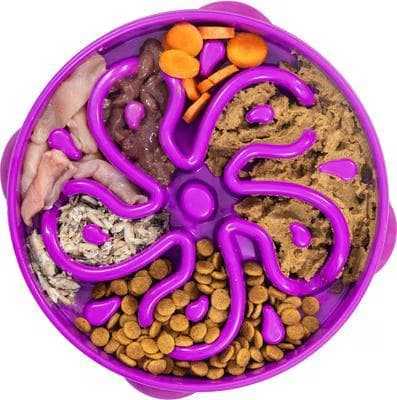
A maze-pattern slow-feeder bowl that makes fast eaters work for each bite, reducing the gulping and swallowed air that trigger regurgitation and vomiting. Holds up to 4 cups.
Webvet may earn a commission when you click through to Chewy, at no extra cost to you.
Dog Throwing Up White Foam but Acting Normal: Is It Serious?
If your dog throws up white foam once or twice but is otherwise bright, alert, drinking, and keen to eat, the odds are it is something mild: an empty stomach, a quick drink of water on a queasy tummy, eating grass, or gulping food or air too fast. Many dogs do this occasionally and bounce right back.
Acting normal is reassuring, but it is not a free pass to ignore the pattern. Watch how often it happens and whether anything else creeps in. A dog who foams once a week before breakfast is different from one who suddenly foams several times in a day. If the foaming keeps repeating, your dog goes quiet, stops eating, or develops an upset stomach with diarrhea, the situation has changed and deserves a call.
Empty-Stomach (Bilious) Vomiting: Why It Happens in the Morning
One of the most common reasons for a dog throwing up white or yellow foam is bilious vomiting syndrome. When the stomach sits empty for many hours, usually overnight, bile and gastric acid can pool and irritate the stomach lining. The dog then brings up a small amount of frothy white or yellow fluid, classically first thing in the morning or late at night before the next meal.
Dogs with bilious vomiting are typically fine afterward. They want breakfast and feel better once there is food in the stomach. If the foam is more yellow than white, that yellow tinge is bile, and the empty-stomach pattern is the same story.
How to ease empty-stomach foaming at home
Because the trigger is an empty, idle stomach, the fix is usually about closing the overnight gap:
Offer a small bedtime snack so the stomach is not empty for as long overnight.
Split daily food into three or four smaller meals instead of one big one.
Feed an early breakfast to shorten the morning fasting window.
Keep fresh water available at all times. You may also hear gurgling or stomach noises before the vomiting, which often eases once your dog eats. If small-meal changes do not stop the pattern within a couple of weeks, ask your vet, since persistent bilious vomiting sometimes needs treatment.
7 Causes of White Foam Vomiting in Dogs (Decoded by Timing)
Here are the most common reasons dogs bring up white foam, grouped by what usually triggers them. Use this with the triage table below to read your dog's specific situation.
Compare coverage choices for your pet, then request a quote directly on Lemonade.
- Check a price for your pet
- Review available coverage choices
- See the terms before you decide
Eligibility, waiting periods, limits and exclusions apply.
Webvet may earn a commission when you click through to Lemonade, at no extra cost to you.
1. Empty stomach (bilious vomiting)
Morning or late-night foam in a dog who is otherwise fine and hungry, as described above. Usually the most benign cause.
2. Eating too fast or swallowing air
Gulping food, water, or air can bring up froth right after eating or drinking. A slow-feeder bowl and smaller portions often help.
3. Dietary indiscretion or mild gastritis
Grass, garbage, a new treat, or a sudden diet change can irritate the stomach and cause foamy vomiting, sometimes with a bout of soft stool.
4. Nausea or motion sickness
Car rides, stress, or general queasiness can cause drooling and foamy vomit. It tends to settle once the trigger is gone.

5. Kennel cough or other airway irritation
A honking, hacking cough can end in a foamy gag that looks like vomiting. The white froth here is coming up from the throat, not a true stomach vomit.
6. Pancreatitis or other GI illness
Inflammation of the pancreas can cause repeated vomiting, a painful belly, lethargy, and refusal to eat, often after a fatty meal. This needs a vet, not home care.
7. Bloat (GDV), poisoning, or obstruction
The dangerous causes. Unproductive retching with a swelling belly suggests bloat. A blocked dog (from a swallowed toy, sock, or bone) and many poisonings also cause foamy, repeated vomiting. All are emergencies.
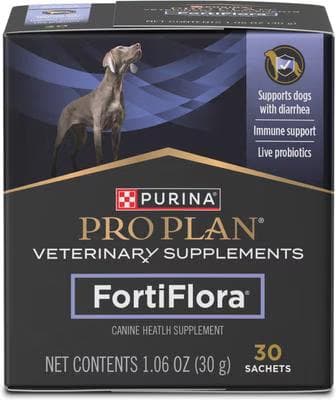
The #1 vet-recommended probiotic for dogs. Daily powder sachets with live probiotics support healthy digestion and firmer stools, and can help dogs coping with diarrhea or GI upset.
Webvet may earn a commission when you click through to Chewy, at no extra cost to you.
White Foam Symptom-Decode Table
Use this triage table to read what the foam is telling you. Match the timing and companion signs to find the likely cause and how urgent it is.
| What you see | Likely meaning | How urgent |
|---|---|---|
| Foam on empty stomach (AM or late night), dog then eats normally | Bilious vomiting syndrome | Low. Try small frequent meals and a bedtime snack. |
| Foam right after eating or drinking too fast | Gulping food, water, or air | Low. Use a slow feeder; smaller portions. |
| One or two foamy vomits, dog still bright and hungry | Mild stomach upset or grass-eating | Low to moderate. Watch 24 hours; bland diet if needed. |
| Foam plus diarrhea, dog quieter than usual | Dietary indiscretion or GI infection | Moderate. Call your vet, especially if it persists past a day. |
| Foam plus not eating, lethargy, painful belly | Pancreatitis, illness, or possible obstruction | High. See a vet promptly. |
| Retching with little or nothing up, swollen hard belly, restlessness, pacing | Bloat (GDV) | EMERGENCY. Go to an ER now. |
| Foam with blood, or coffee-ground material | Stomach bleeding, ulcer, or toxin | EMERGENCY. Vet immediately. |
| Young unvaccinated puppy: foam, bloody diarrhea, lethargy, not eating | Possible parvovirus | EMERGENCY. Vet immediately. |
 $65 · no membership
Worried about your dog's vomiting or diarrhea?
A licensed vet can examine your dog over video and prescribe treatment online when it's appropriate.
 Talk to a vet
- Licensed vets
- All 50 states
- same-day Rx
Webvet may earn a commission if you book.
Emergency Red Flags: When White Foam Vomiting Means Bloat (GDV)
The single most important reason to take foamy vomiting seriously is gastric dilatation and volvulus, known as bloat or GDV. The stomach fills with gas and fluid and can twist on itself, trapping the contents. The dog desperately tries to vomit but little or nothing comes up, often just foam and saliva. It is rapidly life-threatening, with reported mortality between roughly 20 and 45 percent even with treatment, so minutes matter.

Classic signs of bloat
Unproductive retching: heaving and gagging that brings up little or only foam.
A swollen, hard, or distended belly, sometimes drum-tight to the touch.
Restlessness, pacing, an inability to get comfortable, and excessive drooling.
Pale gums, rapid breathing, weakness, or collapse as shock sets in.
Bloat is most common in large, deep-chested breeds such as Great Danes, German Shepherds, Standard Poodles, Weimaraners, Setters, and Saint Bernards. A family history and a deep, narrow chest raise the risk. If you own one of these dogs and see unproductive retching with a swelling belly, treat it as an emergency and head to a vet immediately.
White Foam Plus Other Symptoms: Not Eating, Diarrhea, or Blood
The foam rarely tells the whole story. What is happening alongside it usually decides how worried to be.
White foam and not eating
A dog who foams and then refuses food, especially with lethargy or a hunched, painful posture, has crossed from minor to concerning. Loss of appetite alongside repeated vomiting can point to pancreatitis, an obstruction, or systemic illness. Call your vet rather than waiting for an appetite to return on its own.
White foam and diarrhea
Foam plus diarrhea suggests the whole gut is irritated, from a dietary slip-up, a virus, parasites, or a GI infection. Mild cases in a bright adult dog may settle with a bland diet, but watch closely for fluid loss. If diarrhea is frequent, bloody, or paired with lethargy, or your dog is a young puppy, see a vet. Vomiting and diarrhea together cause dehydration quickly.
White foam with blood
Fresh red streaks, pink froth, or dark coffee-ground material in the foam means bleeding somewhere in the stomach or upper gut. This can come from severe retching, an ulcer, a foreign body, or a toxin. Any blood in vomit warrants a same-day veterinary call, and immediate care if your dog is also weak, pale, or vomiting repeatedly.
- 1Companion symptoms decide urgency more than the foam does.
- 2Foam plus not eating, lethargy, or a painful belly is a prompt vet visit.
- 3Foam plus blood (red, pink, or coffee-ground) is a same-day or emergency call.
- 4Vomiting plus diarrhea dehydrates dogs fast, especially puppies.
White Foam vs. Parvo: How to Tell the Difference

Parvovirus terrifies new puppy owners, and for good reason. The key is that parvo is rarely just foam. Parvo vomit is often clear, frothy, yellow, or brownish, but the hallmark sign is severe, foul-smelling, frequently bloody diarrhea alongside profound lethargy, loss of appetite, and sometimes fever. The dog looks genuinely sick, not just queasy.
Parvo mostly strikes young, unvaccinated or partially vaccinated puppies, typically between about 6 and 20 weeks of age. A bright, fully vaccinated adult dog who foams once on an empty stomach is very unlikely to have parvo. A young puppy who is foaming, refusing food, lethargic, and passing bloody diarrhea should be treated as a parvo emergency until a vet proves otherwise. It is life-threatening and needs hospital care.
What to Do at Home (Bland Diet, Fasting, and Feeding Schedule)
If your dog is an otherwise healthy adult, bright, and only had one or two foamy vomits with no red flags, you can usually try simple home care first. If anything on the emergency list appears, skip home care and call your vet.

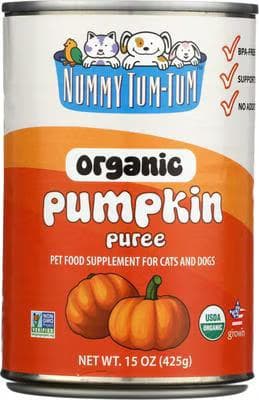
Pure USDA-organic pumpkin puree, no fillers or additives. Adds gentle soluble fiber to firm up loose stool and settle a mildly upset stomach. A simple vet-favorite topper.
Webvet may earn a commission when you click through to Chewy, at no extra cost to you.
Step-by-step at-home protocol
Brief rest of the stomach: For a healthy adult dog, withhold food for a short period (often a few hours up to 12) so the stomach can settle. Do not fast puppies, seniors, tiny breeds, or sick dogs. Never withhold water unless a vet directs it.
Offer water in small amounts: Give small sips frequently rather than letting your dog gulp a full bowl, which can trigger more vomiting.
Reintroduce a bland diet: Once your dog has gone several hours without vomiting, offer a small portion of plain boiled chicken (no skin, no seasoning) and plain white rice, or a vet-recommended GI diet.
Feed small and frequent: Give small bland meals every few hours rather than one large meal, so the stomach is not overloaded or left empty for long.
Transition back to normal food: Over two to three days, gradually mix the regular diet back in as your dog stays comfortable.

When home care is not enough
Call your vet if the vomiting continues past 24 hours, your dog cannot keep water down, the foam keeps coming back, or any red-flag symptom appears. Puppies, seniors, pregnant dogs, and dogs with existing health problems should see a vet sooner rather than later, since they dehydrate and decline faster.
- 1Home care suits bright adult dogs with one or two foamy vomits and no red flags.
- 2Brief stomach rest, small water sips, then a bland diet of plain chicken and rice.
- 3Never give human stomach medicines without your vet's dosing guidance.
- 4Persistent vomiting, an empty water bowl that stays down, or any red flag means call the vet.
Frequently Asked Questions
What should I give my dog after vomiting white foam?
After a healthy adult dog vomits white foam and seems otherwise fine, give the stomach a short rest, then offer small sips of water. Once a few hours pass with no more vomiting, feed a small bland meal of plain boiled chicken and white rice, then small frequent meals. Avoid fatty food and human medicines. If foaming repeats or red flags appear, call your vet.
Why does my dog throw up white foam but acting normal?
A dog that throws up white foam but acts normal is usually fine. Common harmless causes include an empty stomach (bilious vomiting), eating or drinking too fast, mild nausea, eating grass, or a brief stomach upset. If your dog is bright, hungry, and bounces back, watch at home. If foaming keeps repeating, or lethargy, not eating, or diarrhea develop, contact your vet.
What do I do when my dog is throwing up white foam?
First, check for emergencies: unproductive retching, a swollen belly, restlessness, pale gums, or collapse mean go to an ER now. If your dog is bright and it was one or two episodes, rest the stomach briefly, offer small sips of water, then a bland diet. Watch closely. If vomiting continues past 24 hours, blood appears, or your dog stops eating, call your vet.
Is white foamy vomit bad?
Not always. White foamy vomit is often just saliva and air from an empty stomach or mild nausea, and a single episode in a normal-acting dog is usually minor. It becomes bad when it repeats, comes with unproductive retching and a bloated belly (possible bloat), or appears with blood, lethargy, not eating, or diarrhea. Those companion signs, not the foam itself, signal trouble.
Is white foam vomit an emergency for dogs?
It can be. White foam vomit is an emergency when a dog retches repeatedly with little coming up, has a swollen or hard belly, paces restlessly, has pale gums, or collapses, which can mean bloat (GDV). It is also urgent with blood in the vomit, suspected poisoning, or a young unvaccinated puppy that is foaming, lethargic, and not eating. Otherwise, a single foamy vomit in a bright dog is usually not an emergency.
What color is parvo vomit?
Parvo vomit is often clear, frothy, yellow, or brownish rather than a distinct color, so color alone does not confirm it. The bigger clues are severe, foul-smelling, often bloody diarrhea plus profound lethargy, refusal to eat, and sometimes fever in a young unvaccinated puppy. If you see that combination, treat it as a parvovirus emergency and get to a vet right away, because it is life-threatening.
Bottom line: white foam by itself is usually just saliva and air, and a single episode in a happy, hungry dog rarely means trouble. Let timing, behavior, and companion symptoms guide you. When you see unproductive retching, a swelling belly, blood, or a very sick puppy, skip the home remedies and get veterinary help immediately.
$65 · no membershipWorried about your dog's vomiting or diarrhea?
A licensed vet can examine your dog over video and prescribe treatment online when it's appropriate.
Talk to a vet- Licensed vets
- All 50 states
- same-day Rx
Webvet may earn a commission if you book.

Editor
The Webvet Editorial Team is the in-house group of pet-care editors and writers behind Webvet, operated by Smart Pet Collective. The team researches, writes, and maintains Webvet's pet health, behavior, and medication content. Every article follows a defined editorial process: research from reputable veterinary and scientific sources, careful drafting, mandatory review of medical content by a credentialed veterinarian, and dated publication. Health and medication articles are medically reviewed by a licensed veterinary professional before they go live and are kept current over time.
Veterinarian · BVMS MRCVS
Dr. Pippa Elliott, BVMS, MRCVS, is a veterinarian with nearly 30 years of experience in companion animal practice. Dr. Elliott earned her Bachelor of Veterinary Medicine and Surgery from the University of Glasgow. She was also designated a Member of the Royal College of Veterinary Surgeons. Married with 2 grown-up kids, Dr. Elliott has a naughty Puggle named Poggle, 3 cats and a bearded dragon.


