Maropitant for Dogs and Cats

BVMS MRCVS
Medically reviewed by Dr. Pippa Elliott, BVMS MRCVS · Last reviewed

Drug facts
Maropitant
Maropitant is a prescription anti-nausea and anti-vomiting (antiemetic) medication for dogs and cats, used to prevent vomiting from conditions such as chemotherapy, gastrointestinal upset, anesthesia, and motion sickness.
Treats
 $65 · no membership
Need a prescription for Maropitant?
A licensed vet can assess your pet over video and prescribe Maropitant online when it's appropriate.
 Talk to a vet
- Licensed vets
- All 50 states
- same-day Rx

Webvet may earn a commission if you book.
What Is Maropitant for Dogs and Cats
Overview
Maropitant is a prescription anti-nausea and anti-vomiting medication commonly used in dogs and cats. It belongs to a class of drugs called NK-1 receptor antagonists, which block a natural chemical called Substance P, a key trigger for vomiting. Because it acts directly on the brain’s vomiting center, it can prevent vomiting caused by many different conditions including chemotherapy, gastrointestinal upset, and anesthesia medications.
Veterinarians also use maropitant because its effects go beyond nausea control. Research shows that it may help reduce certain types of pain, especially pain linked to internal organs (visceral pain). This makes it useful during surgery recovery or in situations such as spinal discomfort.
Explore more digestive and GI medications in our Digestive section.
What Is Maropitant for Dogs and Cats Used For
Maropitant works by blocking the NK-1 receptors in the brain and gastrointestinal tract. These receptors normally bind to a chemical called Substance P, which triggers vomiting and contributes to pain signaling. By stopping this binding, maropitant prevents vomiting at its source and may lessen certain pain responses.
| Condition | Notes |
|---|---|
| Vomiting from illness | Helps prevent and treat vomiting caused by gastrointestinal disease. |
| Motion sickness | Effective for dogs during travel; must be given before the trip. |
| Chemotherapy-related nausea | Helps reduce vomiting when pets receive chemotherapy. |
| Post-operative nausea | Often used before anesthesia to lessen nausea after surgery. |
| Adjunct pain support | May help reduce visceral (internal organ) pain. |
| Nausea associated with opioids | Prevents vomiting caused by drugs like hydromorphone or morphine. |
Drug Facts
Maropitant is a prescription antiemetic and NK-1 receptor antagonist used for both vomiting and motion sickness. It is available as an injectable solution and oral tablets for dogs and cats. It begins working quickly and provides protection for 24 hours. Because it blocks Substance P, it can also help reduce sensitivity to visceral pain.
Compare coverage choices for your pet, then request a quote directly on Lemonade.
- Check a price for your pet
- Review available coverage choices
- See the terms before you decide
Eligibility, waiting periods, limits and exclusions apply.
Webvet may earn a commission when you click through to Lemonade, at no extra cost to you.
Common Brands
Cerenia
Drug Class
NK-1 receptor antagonist
Substance Classification
Not a controlled substance
Generic Status
No widely available generic
Availability
Prescription
Available forms
Maropitant for Dogs and Cats Dosage Forms
Maropitant is available in two main forms:
- Injectable solution (used in clinics)
- Oral tablets (used at home, especially for motion sickness or vomiting)
The injectable form works quickly and is often used for emergency vomiting or before surgery or chemotherapy. The tablet form is commonly used for travel sickness or ongoing nausea control.
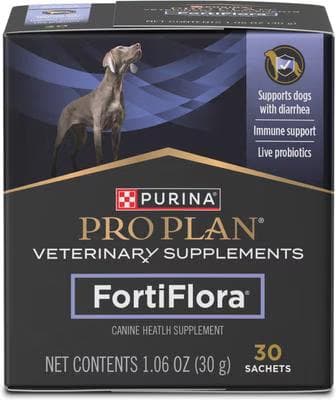
The #1 vet-recommended probiotic for dogs. Daily powder sachets with live probiotics support healthy digestion and firmer stools, and can help dogs coping with diarrhea or GI upset.
Webvet may earn a commission when you click through to Chewy, at no extra cost to you.
Injectable Solution
| Qty/Size | Price as low as | Price per unit |
|---|---|---|
| 20 mL | $195.00 | $9.75 |
Oral Tablets (4 tablets)
| Qty/Size | Price as low as | Price per unit |
|---|---|---|
| 16 mg | $22.00 | $5.50 |
| 24 mg | $28.00 | $7.00 |
| 60 mg | $40.00 | $10.00 |
| 160 mg | $70.00 | $17.50 |
Typical Dosing for Maropitant for Dogs and Cats
Maropitant dosing depends on the purpose: vomiting control or motion sickness. The injectable dose is typically used in clinical settings, while tablets are used at home.
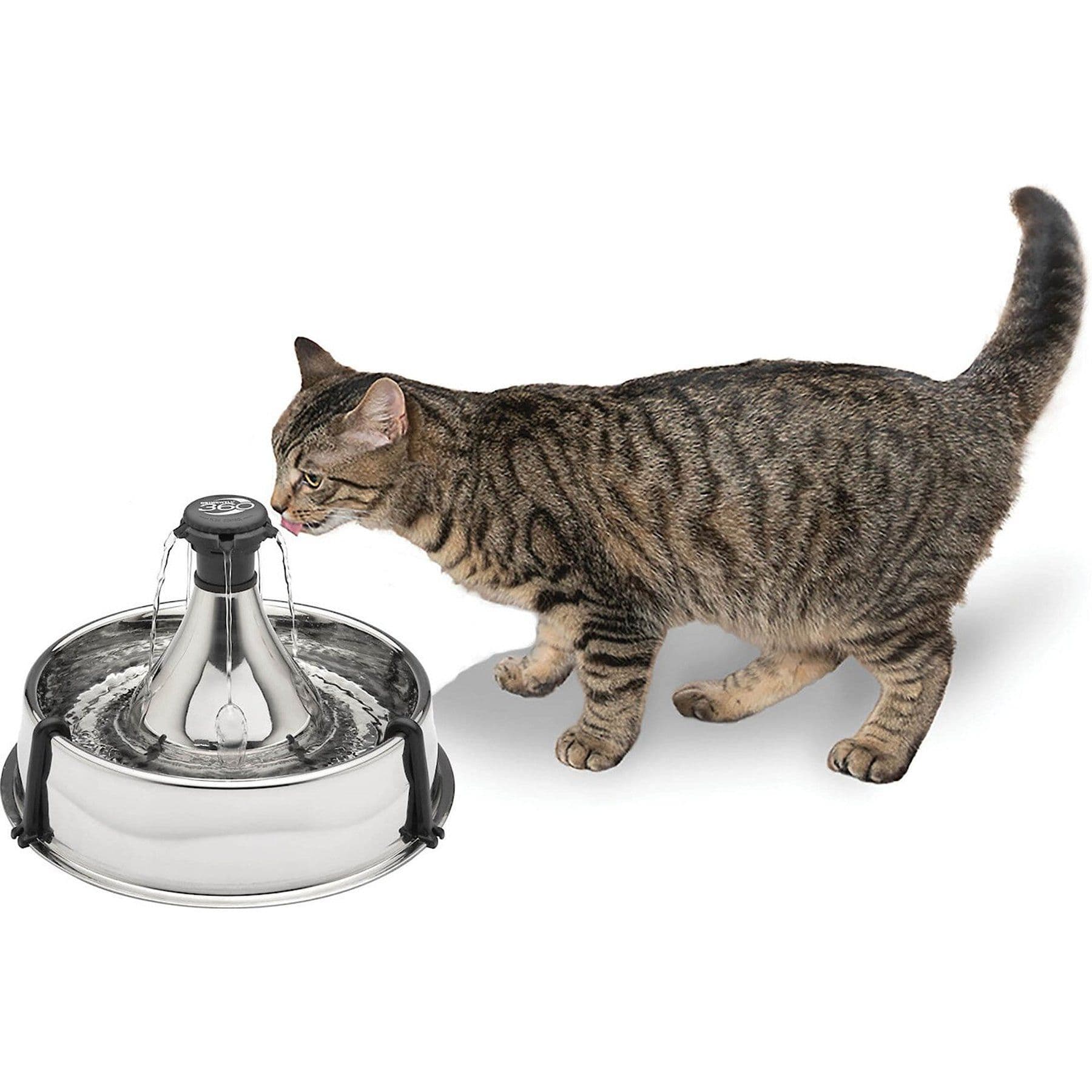
Webvet may earn a commission when you click through to Chewy, at no extra cost to you.
Injectable (SC or IV)
| Group | Typical Dose | Notes |
|---|---|---|
| Dogs 2–7 months | 1 mg/kg once daily (SC only) | Up to 5 days |
| Dogs 4 months and older | 1 mg/kg once daily (SC or IV) | IV must be given slowly over 1–2 minutes |
| Cats 4 months and older | 1 mg/kg once daily | SC or slow IV |
Oral Tablets – Vomiting
| Group | Typical Dose | Notes |
|---|---|---|
| Dogs 2–7 months | 2 mg/kg once daily | Up to 5 days |
| Dogs 7 months and older | 2 mg/kg once daily | Dose can follow an initial injection |
Oral Tablets – Motion Sickness
| Group | Typical Dose | Notes |
|---|---|---|
| Dogs 4 months and older | Minimum 8 mg/kg once | Give at least 2 hours before travel; give with a small meal |
Reported side effects
Risks and Warnings for Maropitant for Dogs and Cats
Maropitant is generally well tolerated, but some precautions are important. The most common reaction is pain at the injection site, especially in cats. This pain is reduced when the injectable solution is kept refrigerated (not warmed).
Maropitant may also cause temporary blood pressure drops when given intravenously, so slow administration is essential. In very young puppies, there is a risk of bone marrow suppression, so it should not be used in puppies under 11 weeks old.
Pets may show increased drooling or lip-licking after oral dosing, which are signs of nausea, not medication toxicity.
Special population notes
- Use caution in pets with liver disease since maropitant is processed through the liver.
- Not recommended in pregnant or nursing pets (insufficient studies).
Maropitant for Dogs and Cats Warnings and Precautions
Use maropitant carefully and only as directed by your veterinarian.
- Do not use in puppies under 11 weeks of age.
- Refrigerate injectable maropitant to reduce injection pain.
- Give IV doses slowly to avoid drops in blood pressure.
- Use caution in pets with liver problems.
- Stop use and contact your vet if severe drooling, collapse, or signs of an allergic reaction occur.
Disclaimer: This information is for educational purposes only and should not replace professional veterinary advice. Always consult your veterinarian before using or combining any medications for your pet.
Frequently Asked Questions (FAQ)
How fast does Maropitant work?
It usually begins working within an hour, with effects lasting about 24 hours.
Can Maropitant be given on an empty stomach?
For vomiting treatment, yes. For motion sickness, it should be given with a small amount of food.
Is Maropitant safe for cats?
Yes, maropitant is approved for cats 4 months and older.
Why does the injection sting?
The injectable contains a compound that can cause discomfort unless kept refrigerated.
Can Maropitant be used long-term?
Only under veterinary guidance, especially if used to manage chronic vomiting.
Related Medications & Supplements
Dogs dealing with nausea, vomiting, or gastrointestinal upset may require additional medications to support symptom control and digestive comfort. These related treatments are commonly used alongside antiemetic drugs like maropitant.
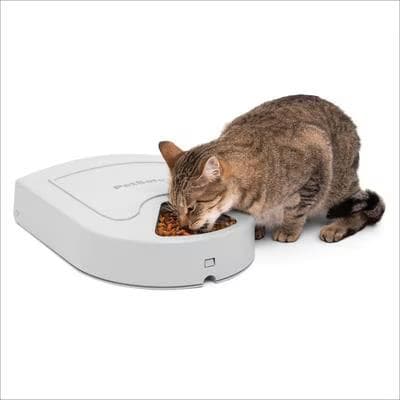
Webvet may earn a commission when you click through to Chewy, at no extra cost to you.
- Ondansetron - anti-nausea medication used for vomiting and chemotherapy-related nausea
- Metoclopramide - gut motility drug that also helps control nausea
- Omeprazole - acid-reducing medication for stomach irritation and reflux
- Famotidine - H2 blocker used to decrease stomach acid and soothe gastric irritation
- Sucralfate - coating agent that protects the stomach lining during GI upset
- Metronidazole - antibiotic often used for diarrhea and gastrointestinal inflammation
References
- Kraus, B.L.H. (2017) ‘Spotlight on the perioperative use of maropitant citrate’, Vet Med (Auckl), 8:41-51. Available at: https://www.sciencedirect.com/science/article/abs/pii/S1090023320300484
- Kinobe, R.T., et al. (2020) ‘Evaluating the anti-inflammatory and analgesic properties of maropitant: A systematic review and meta-analysis’, The Veterinary Journal, 259-260:105471. Available at: https://www.sciencedirect.com/science/article/abs/pii/S1090023320300484
- Parncutt, J., et al. (2025) ‘Effects of intranasal maropitant on clinical signs of naturally acquired upper respiratory disease in shelter cats’, Journal of Feline Medicine and Surgery. Available at: https://journals.sagepub.com/doi/10.1177/1098612X241309826
- Cerda-Gonzalez, S. (2016) ‘Efficacy of Maropitant (Cerenia®) as an Adjunct Analgesic in Dogs’. Available at: https://journals.sagepub.com/doi/10.1177/1098612X241309826
- Cubeddu, F., et al. (2023) ‘Cardiorespiratory Effects and Desflurane Requirement in Dogs Undergoing Ovariectomy after Administration Maropitant or Methadone’, Animals, 13(14), 2388. Available at: https://www.mdpi.com/2076-2615/13/14/2388
- Uslu, M., et al. (2022) ‘Determination of the embryotoxic effect of maropitant using an in ovo model’, Polish Journal of Veterinary Sciences, 25:2, pp. 357-359. Available at: https://www.cabidigitallibrary.org/doi/pdf/10.5555/20220430954
- Correa, J.M.X. (2018) ‘Evaluation of the Antinociceptive Effect of Maropitant, a Neurokinin-1 Receptor Antagonist, in Cats Undergoing Ovariohysterectomy’, Veterinary Medicine International. Available at: https://pmc.ncbi.nlm.nih.gov/articles/PMC6042506/
$65 · no membershipNeed a prescription for Maropitant?
A licensed vet can assess your pet over video and prescribe Maropitant online when it's appropriate.
Talk to a vet- Licensed vets
- All 50 states
- same-day Rx
Webvet may earn a commission if you book.

Editor
The Webvet Editorial Team is the in-house group of pet-care editors and writers behind Webvet, operated by Smart Pet Collective. The team researches, writes, and maintains Webvet's pet health, behavior, and medication content. Every article follows a defined editorial process: research from reputable veterinary and scientific sources, careful drafting, mandatory review of medical content by a credentialed veterinarian, and dated publication. Health and medication articles are medically reviewed by a licensed veterinary professional before they go live and are kept current over time.
Veterinarian · BVMS MRCVS
Dr. Pippa Elliott, BVMS, MRCVS, is a veterinarian with nearly 30 years of experience in companion animal practice. Dr. Elliott earned her Bachelor of Veterinary Medicine and Surgery from the University of Glasgow. She was also designated a Member of the Royal College of Veterinary Surgeons. Married with 2 grown-up kids, Dr. Elliott has a naughty Puggle named Poggle, 3 cats and a bearded dragon.


