Sucralfate for Dogs: Dosage, Timing, and How to Give It
Sucralfate coats stomach ulcers like a bandage, but only if timed right. Get the dog dosage by weight, the empty-stomach schedule, and the slurry trick.

BVMS MRCVS
Medically reviewed by Dr. Pippa Elliott, BVMS MRCVS · Last reviewed

Drug facts
Sucralfate
Sucralfate is a gastroprotectant used in dogs and cats to treat gastrointestinal ulcers, gastritis, and erosive GI conditions by forming a protective gel-like coating over damaged areas of the stomach and intestines.
Treats
 $65 · no membership
Need a prescription for Sucralfate?
A licensed vet can assess your pet over video and prescribe Sucralfate online when it's appropriate.
 Talk to a vet
- Licensed vets
- All 50 states
- same-day Rx
Webvet may earn a commission if you book.
Sucralfate for dogs should only be used under a veterinarian-confirmed plan for that animal. Sucralfate is a prescription stomach protectant that sticks to injured tissue like a temporary bandage. It is not an antacid and does not switch off acid production. Vets use it for ulcers, erosions, esophagitis, and other injuries that need protection while they heal. The medication works best on an empty stomach, separated from food and other drugs, so timing can matter as much as the amount prescribed.
Sucralfate Dosage for Dogs by Weight
When considering sucralfate for dogs, use the veterinarian-confirmed product and plan for that animal. Confirm every sucralfate dose with your veterinarian. The existing WebVet monograph supports 0.5 to 1 gram per dose for dogs, usually given two to four times daily, and 0.25 to 0.5 gram per dose for cats. It does not provide a universal milligram-per-kilogram formula, so an owner's weight estimate cannot safely be converted into a dose. The veterinarian chooses within those ranges based on species, size, injury location, severity, kidney health, and the rest of the medication schedule.
| Patient | Veterinary dose framework | Administration note |
|---|---|---|
| Dog, smaller or larger body size | 0.5 to 1 gram per dose | The veterinarian selects the amount within the range; do not choose by weight alone |
| Cat | 0.25 to 0.5 gram per dose | A measured slurry may be easier to administer |
| Dog or cat with esophagitis | Veterinarian-selected amount | A slurry may improve contact with the injured esophagus |
| Pet with kidney disease | No owner-calculated dose | Aluminum exposure and treatment duration require veterinary caution |
This is a prescription-checking framework, not a personal dosing recommendation. Confirm the exact tablet fraction or liquid volume on the label before the first dose.
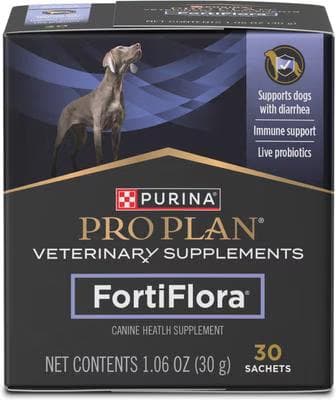
The #1 vet-recommended probiotic for dogs. Daily powder sachets with live probiotics support healthy digestion and firmer stools, and can help dogs coping with diarrhea or GI upset.
Webvet may earn a commission when you click through to Chewy, at no extra cost to you.

Do not assume that a one-gram tablet means every dog receives a whole tablet. Do not substitute a compounded liquid volume for a tablet instruction without confirming its concentration. If the label, discharge sheet, and verbal directions do not match, pause and call the clinic.
What Sucralfate Does for a Dog's Stomach
Sucralfate combines sucrose sulfate with aluminum hydroxide. In an acidic environment, it becomes a sticky material that binds to proteins exposed at an ulcer or erosion. That local barrier shields damaged tissue from acid, digestive enzymes, and bile salts while natural repair continues. Very little of the drug is absorbed into the bloodstream.
Think of sucralfate as a bandage, not an antacid:
- It coats an existing injury.
- It does not meaningfully reduce how much acid the stomach produces.
- It works at the surface it contacts.
- It can protect the esophagus as well as the stomach when prepared and given correctly.
- It can bind other medication and make that medication less available.
This distinction explains why timing is load-bearing. Giving sucralfate with a meal can reduce contact with the injured lining. Giving it at the same time as another tablet can trap that drug in the coating and reduce absorption. A missed separation window is not a reason to double the sucralfate dose. Call the clinic or move the schedule according to its instructions.
Veterinarians may prescribe sucralfate for gastric or intestinal ulcers, gastritis, esophagitis, and suspected erosive injury. It may be part of care for vomiting or diarrhea when damaged mucosa is a concern, but it does not directly stop every episode of vomiting or treat every cause of diarrhea. Foreign bodies, pancreatitis, toxin exposure, infection, kidney disease, liver disease, and many other problems need their own diagnosis and treatment.
The coating is only one part of ulcer care
Sucralfate protects a damaged surface while it heals, but the cause of that damage still needs attention. A stomach or intestinal ulcer can be associated with another medication, severe illness, cancer, kidney or liver disease, inflammation, or another gastrointestinal problem. Esophagitis can follow repeated vomiting, reflux, anesthesia, or a tablet that lodged in the esophagus.
Tell the veterinarian about:
- Every anti-inflammatory or pain medication, including aspirin and human products.
- Repeated vomiting, retching, regurgitation, or trouble swallowing.
- Black stool, fresh blood, pale gums, or collapse.
- Kidney or liver disease and recent laboratory results.
- Previous ulcers, pancreatitis, intestinal disease, or cancer.
- Every prescription, supplement, preventive, and over-the-counter stomach product.
The veterinary plan may pair surface protection with acid suppression, nausea control, fluids, dietary support, stopping an ulcer-causing medication, or treatment of the underlying disease. Sucralfate should not be used to keep an animal comfortable while a bleeding or obstructive problem remains unexamined.
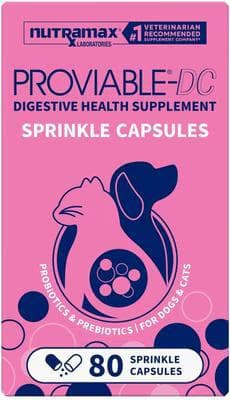
Multi-strain probiotic plus prebiotic sprinkle capsules for dogs and cats; supports digestive balance during diarrhea, diet changes, and antibiotic courses.
Webvet may earn a commission when you click through to Chewy, at no extra cost to you.
Stomach, intestinal, and esophageal injuries need different delivery thinking
A swallowed tablet can reach the stomach and intestines, but a slurry may provide better contact when the esophagus is the target. That does not mean every dog should receive a slurry or that more water creates better coating. The clinic should specify the preparation, volume, and technique for the injury being treated.
Watch the act of swallowing. Repeated gulping, drooling, neck stretching, coughing, bringing up undigested food, or refusing food can point to esophageal discomfort or another problem. Report those signs rather than forcing a larger slurry. A pet that cannot swallow safely may need a different administration plan or urgent treatment.
Why a missed timing window does not call for an extra dose
If sucralfate was accidentally given with food or too close to another medicine, the coating or the other drug's absorption may be less reliable. Do not repeat the dose to compensate. An extra dose can worsen constipation and make the day's medication spacing even more confusing.
Write down what was given and when, then call the clinic or follow its written instructions. The team may advise leaving the schedule alone, moving a later dose, or adjusting another medicine. The decision depends on which drug was close to sucralfate and how important uninterrupted absorption is for that patient.
Prevent timing errors with a one-day chart that uses medication names rather than colors or vague labels. Mark meals separately, and check off each event only after it happens. If two caregivers share the work, use one shared record. This simple system prevents duplicate doses and makes a missed window easy to explain to the veterinary team.
How to tell whether the plan is helping
Improvement depends on the original problem. A dog with esophagitis may swallow more comfortably or regurgitate less. A dog with ulcer pain may show better appetite, less nausea, and more normal posture. Stool color, vomiting, hydration, and energy remain important even when appetite improves.
Track these points each day:
- Dose, meal, and other-medication times.
- Vomiting, regurgitation, or coughing after dosing.
- Appetite and ability to swallow.
- Stool frequency, firmness, and color.
- Abdominal pain, restlessness, or a hunched posture.
- Energy and water intake.
Call the veterinarian if the expected improvement does not appear, if signs return before the course ends, or if constipation becomes more than mild. The response helps determine whether the diagnosis, timing, duration, or broader treatment plan needs to change.
How to Give Sucralfate: Timing Is Everything
Owners often ask how long to wait before feeding a dog after sucralfate. The veterinary practical answer is 30 to 60 minutes before food, while other oral medication is generally separated by two hours. Your veterinarian may arrange a different schedule for an urgent multi-drug protocol. Follow that individualized plan.
| Clock point | Action | Why it is placed here |
|---|---|---|
| Start of the empty-stomach window | Give the prescribed sucralfate dose | Maximizes contact with injured tissue |
| 30 to 60 minutes later | Offer the planned meal | Preserves the pre-meal coating window |
| About two hours away from sucralfate | Give other oral medicines if the veterinarian approved this placement | Reduces binding and absorption interference |
| Later prescribed dose | Repeat only at the written interval | Keeps the treatment schedule consistent without stacking doses |
Use this as a clock-shape example, not a replacement for discharge instructions. Meal times, thyroid medicine, antibiotics, heart medicine, and acid reducers can change the order.
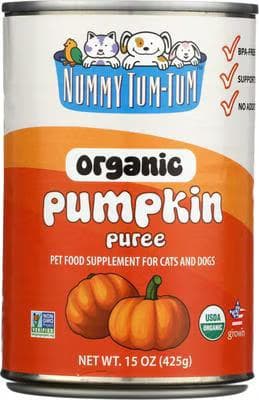
Pure USDA-organic pumpkin puree, no fillers or additives. Adds gentle soluble fiber to firm up loose stool and settle a mildly upset stomach. A simple vet-favorite topper.
Webvet may earn a commission when you click through to Chewy, at no extra cost to you.

How to make a sucralfate slurry
A slurry can help spread the medicine over the esophagus and stomach instead of sending a dry tablet straight through. Use only the tablet and amount prescribed for that dose.
- Place the prescribed tablet or tablet portion in a clean medication cup.
- Add the small amount of water specified by the veterinary team. Warm water may help the tablet disperse, but it should not be hot.
- Allow the tablet to soften, then stir until the mixture is evenly suspended.
- Draw the full mixture into an oral syringe.
- Place the syringe gently into the side of the mouth, aiming across the tongue rather than toward the throat.
- Deliver slowly enough for the pet to swallow without coughing or struggling.
- Rinse the cup with the clinic-approved small amount of water if needed so the full prescribed dose is given.
Do not make several doses in advance unless the veterinarian or dispensing pharmacy says the prepared slurry remains stable. Do not force a large volume rapidly, especially in a nauseated or weak animal. Coughing, choking, breathing difficulty, or blue or pale gums requires urgent care.
Fitting sucralfate around other medication
Sucralfate can reduce absorption of fluoroquinolone antibiotics, doxycycline, thyroid medication, and some heart medication. Cited veterinary guidance uses a two-hour separation rule, but the appropriate window can differ by drug and patient. Give the clinic a complete list of prescriptions, supplements, preventives, and over-the-counter products.
A useful written plan includes:
- The exact time for each sucralfate dose.
- Which doses must be given before meals.
- The earliest permitted meal time.
- The time for every other oral medication.
- Which drug takes priority if the schedule slips.
- What to do after vomiting or a missed dose.
Never stop an antibiotic, thyroid medication, seizure medication, or heart drug just to create a cleaner sucralfate schedule. The prescribing veterinarian should resolve the conflict.
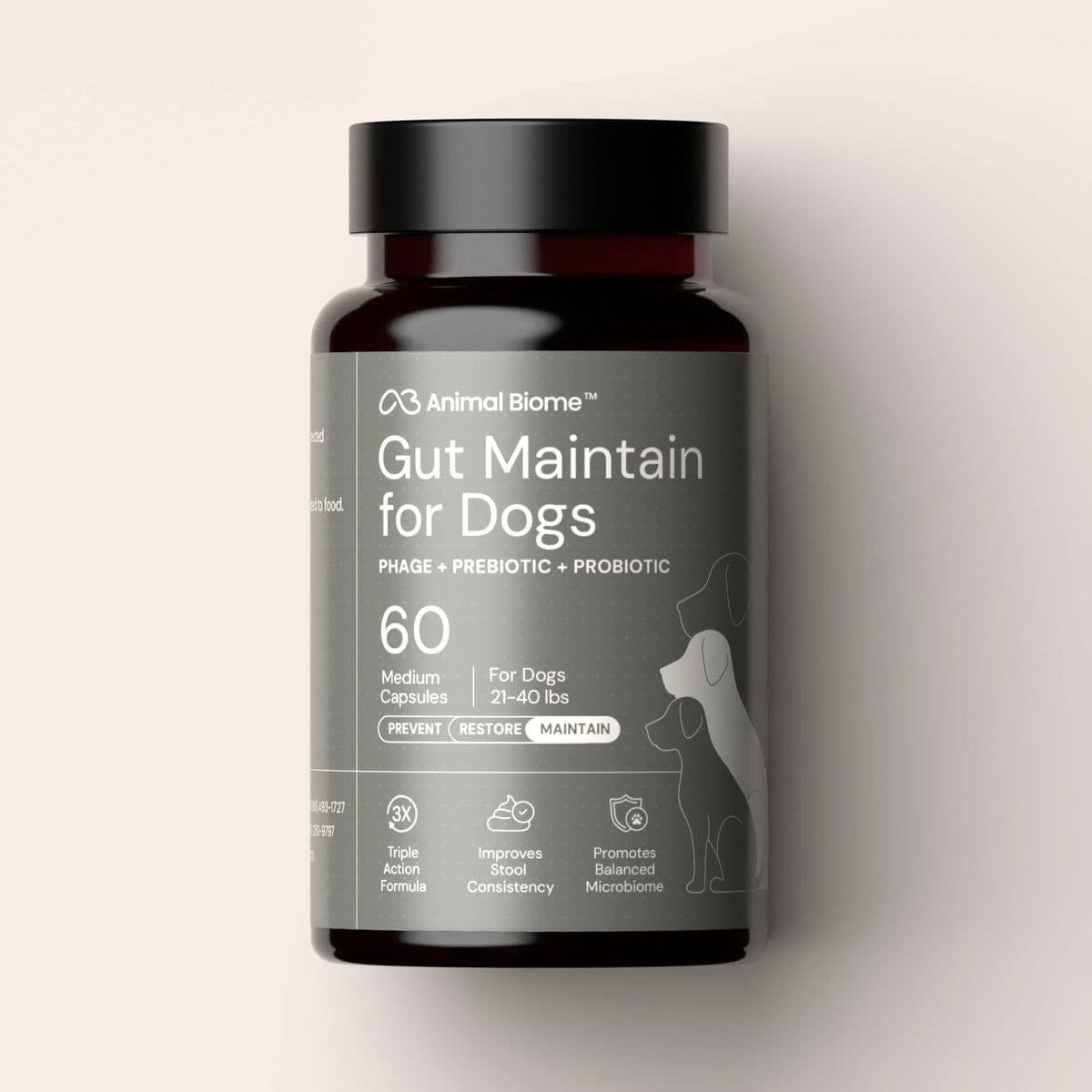
Triple-action phage, prebiotic, and probiotic capsules for everyday maintenance of a balanced gut microbiome once a dog's digestive flare has settled.
Webvet may earn a commission when you click through to Animal Biome, at no extra cost to you.
Questions to settle before the first dose
Sucralfate instructions often sound simple in the exam room and become difficult when an owner tries to fit them around breakfast, work, and several other medicines. Before leaving the clinic, ask the team to turn the prescription into a complete day plan. A phone alarm labeled only "medicine" is not enough when one drug needs an empty stomach and another must be given with food.
Confirm these points in writing:
- Is each dose a whole tablet, a tablet fraction, or a measured liquid volume?
- Should this pet receive a slurry, and exactly how much water should be used?
- How long before food should the dose be given?
- Which other medicines require more than the general two-hour separation?
- What is the plan if the pet vomits immediately after a dose?
- Should a missed dose be skipped or moved later?
- Which stool, appetite, or vomiting changes require a same-day call?
- When is the recheck, and what determines whether the course can stop?
Keep a simple log during treatment. Record the dose time, meal time, other medicines, vomiting, appetite, bowel movements, and energy. The log helps the veterinary team distinguish a timing problem from medication intolerance or worsening disease. It also prevents two household members from giving the same dose.
If the dog refuses the slurry, do not hide it in a full meal without asking. That may defeat the empty-stomach plan. The clinic may adjust the volume, demonstrate syringe placement, or choose a different preparation. Repeated forceful dosing can create stress and aspiration risk, so administration difficulty is a treatment problem worth reporting, not something an owner must simply push through.
When Vets Prescribe Sucralfate (and Its Side Effects)
- 1Sucralfate is a surface protectant for injured tissue, not an acid reducer.
- 2It coats existing ulcers and erosions while the underlying cause is treated.
- 3Constipation is the most common side effect in routine use.
- 4Sleepiness is not an expected direct effect, so unusual lethargy deserves a call.
- 5Kidney disease increases concern about aluminum accumulation and long courses.
The most common sucralfate side effect is mild constipation. A dog may pass smaller, firmer stools or strain more than usual. Call the veterinarian if constipation is persistent, the abdomen is painful or swollen, the dog repeatedly strains without producing stool, or vomiting begins. Do not add a laxative without veterinary guidance because the underlying GI problem and other drugs affect what is safe.
Sucralfate does not normally act as a sedative. If a dog becomes sleepy, weak, disoriented, or difficult to wake, look beyond the assumption that sucralfate is simply making the pet tired. Dehydration, anemia, pain, the primary illness, or another medication may be responsible.
Other practical problems include vomiting when a slurry is given too quickly and reduced absorption of another drug. Pets with kidney disease need extra caution because the medication contains aluminum. Minimal absorption makes sucralfate generally well tolerated, but it does not erase the need for an accurate diagnosis or follow-up.
What improvement should look like
Sucralfate can begin coating damaged tissue within minutes. That does not mean an ulcer heals within minutes or that vomiting should disappear after one dose. Comfort may improve over days, while tissue healing can take longer. The veterinarian may pair the protectant with an acid reducer, nausea medicine, dietary changes, fluids, or treatment for the cause.
Call the clinic promptly if you see:
- Vomit containing blood or dark material that resembles coffee grounds.
- Black, tarry stool.
- Pale gums, collapse, or severe weakness.
- Repeated vomiting that prevents medication or water from staying down.
- Abdominal swelling or severe pain.
- Coughing or breathing trouble after slurry administration.
- Worsening signs despite following the schedule.
These signs can point to bleeding, obstruction, aspiration, or another serious problem. Another sucralfate dose is not emergency treatment.
Sucralfate With Omeprazole and Other Stomach Medications
Sucralfate and an acid reducer can appear in the same treatment plan because they do different jobs. Sucralfate coats injured tissue; omeprazole reduces acid production. Whether a dog needs one, both, or another approach depends on the diagnosis and the schedule. WebVet's omeprazole for dogs and cats guide covers the antacid-choice and pairing decision.
Do not swap sucralfate for omeprazole, famotidine, bismuth products, or an over-the-counter human stomach medicine. A product that helps simple human indigestion can be ineffective or risky for a dog with an ulcer, bleeding, kidney disease, or interacting medication.
Sucralfate for Dogs FAQs
Frequently Asked Questions
How quickly does sucralfate work in dogs?
How quickly sucralfate works in dogs depends on the outcome: it coats damaged tissue within minutes, but symptom relief and healing take longer. The protective layer forms over damaged tissue, and an ulcer can require a course lasting weeks. Call the veterinarian if vomiting, pain, appetite, stool color, or energy is not improving as expected, or if the pet cannot keep the prescribed medicine down.
How long should my dog take sucralfate?
A dog may need a short or several-week course of sucralfate, and owners should continue past relief for the full prescribed period. Course length depends on the injury and response because symptom relief can precede healing. Do not stop early or extend treatment without a recheck, especially when kidney disease is present or the original signs return.
Is sucralfate like Pepto Bismol for dogs?
Sucralfate is not an OTC equivalent to Pepto Bismol; it is a prescription mucosal protectant, and some bismuth products raise salicylate risk. The products work differently, and salicylate can be unsafe for certain dogs or conflict with other medication. Do not substitute an over-the-counter product for sucralfate without asking the veterinarian who diagnosed the stomach problem.
$65 · no membershipNeed a prescription for Sucralfate?
A licensed vet can assess your pet over video and prescribe Sucralfate online when it's appropriate.
Talk to a vet- Licensed vets
- All 50 states
- same-day Rx
Webvet may earn a commission if you book.

Editor
The Webvet Editorial Team is the in-house group of pet-care editors and writers behind Webvet, operated by Smart Pet Collective. The team researches, writes, and maintains Webvet's pet health, behavior, and medication content. Every article follows a defined editorial process: research from reputable veterinary and scientific sources, careful drafting, mandatory review of medical content by a credentialed veterinarian, and dated publication. Health and medication articles are medically reviewed by a licensed veterinary professional before they go live and are kept current over time.
Veterinarian · BVMS MRCVS
Dr. Pippa Elliott, BVMS, MRCVS, is a veterinarian with nearly 30 years of experience in companion animal practice. Dr. Elliott earned her Bachelor of Veterinary Medicine and Surgery from the University of Glasgow. She was also designated a Member of the Royal College of Veterinary Surgeons. Married with 2 grown-up kids, Dr. Elliott has a naughty Puggle named Poggle, 3 cats and a bearded dragon.


