Omeprazole for Dogs and Cats: Dosage Chart, Side Effects, and Cost
Omeprazole for Dogs and Cats explained: see the vet-reviewed dosage-by-weight chart, side effects, safety warnings, cost, and when to call your veterinarian.

BVMS MRCVS
Medically reviewed by Dr. Pippa Elliott, BVMS MRCVS · Last reviewed

Drug facts
Omeprazole
Omeprazole is a proton pump inhibitor that blocks stomach acid secretion. In dogs and cats it is the most commonly recommended gastroprotectant, used for ulcers, esophagitis, erosions, and severe upper GI irritation.
Treats
 $65 · no membership
Need a prescription for Omeprazole?
A licensed vet can assess your pet over video and prescribe Omeprazole online when it's appropriate.
 Talk to a vet
- Licensed vets
- All 50 states
- same-day Rx
Webvet may earn a commission if you book.
Omeprazole for dogs and cats is a proton pump inhibitor that veterinarians use when sustained suppression of stomach acid is medically appropriate. It can be part of treatment for documented gastroduodenal ulcers, esophagitis, and certain reflux-related problems, but it is not a universal home remedy for vomiting or diarrhea. The prescribing veterinarian must choose the dose, formulation, timing, and duration for the individual pet.
Omeprazole Dosage for Dogs and Cats by Weight
| Pet's current weight and situation | Dose decision | Product formulation check | Safe owner action |
|---|---|---|---|
| Any dog or cat starting treatment | The veterinarian calculates the mg dose and interval from weight, diagnosis, severity, organ function, and other medicines | Delayed-release capsules, tablets, compounded liquids, and hospital injections are not interchangeable | Confirm with your vet and follow the dispensed label rather than calculating from a human package |
| Small pet needing less than a whole human unit | Accurate measuring may require a veterinary strength or a specifically compounded concentration | Do not crush, split, or open a delayed-release product unless the veterinarian or pharmacist says that exact product allows it | Ask the clinic or pharmacy to demonstrate measurement and storage |
| Pet whose weight, diagnosis, or medication list changed | The previous dose may no longer fit the current plan | A new brand or concentration can change the amount administered | Reconfirm the pet's name, strength, route, frequency, and duration before giving it |
| Possible double dose, wrong product, or unexpected reaction | Do not repeat the medicine or improvise a correction | Keep the package, prescription label, and ingredient list available | Call the prescribing clinic, emergency veterinarian, or animal poison control service promptly |
When considering omeprazole for dogs, use the veterinarian-confirmed product and plan for that animal. How much omeprazole to give a 10 lb dog? The available primary veterinary evidence does not contain a clean primary veterinary source that safely supports converting body weight into a public mg amount, so no number is provided here. A 10-pound dog can have a different plan depending on whether the target is ulcer healing, esophagitis, hospital care, or another diagnosed condition. Confirm with your vet instead of using a human calculator.
For a focused medication reference, see WebVet’s vet-reviewed Can Dogs Have Tums? Dosage Risks, Side Effects, and Safer Antacids guide, including the dosage, side effects, and safety questions to confirm with your veterinarian.
Omeprazole dosing for dogs also depends on formulation. Delayed-release granules are designed to survive the acidic stomach long enough to reach their target, while a compounded liquid may use a different concentration and handling method. A familiar brand name or capsule strength does not establish the veterinary dose.

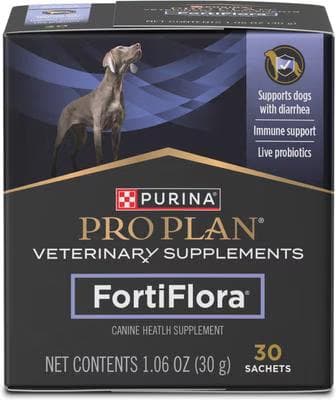
The #1 vet-recommended probiotic for dogs. Daily powder sachets with live probiotics support healthy digestion and firmer stools, and can help dogs coping with diarrhea or GI upset.
Webvet may earn a commission when you click through to Chewy, at no extra cost to you.
What Omeprazole Is Used For in Dogs and Cats
- 1Omeprazole is veterinarian prescribed when strong, sustained acid suppression serves a diagnosed gastrointestinal problem.
- 2It is not a substitute for diagnosis and should not be started for unexplained vomiting, diarrhea, poor appetite, or abdominal pain without guidance.
- 3The product works best only when the formulation and timing instructions are followed correctly.
- 4Vomiting blood, black tarry stool, collapse, pale gums, or a painful swollen abdomen is an emergency warning.
Omeprazole blocks the H+/K+ ATPase proton pump in acid-producing stomach cells. That action is stronger and longer lasting than simply neutralizing acid already present. Raising gastric pH can reduce acid injury and create better conditions for an ulcerated or inflamed upper gastrointestinal tract to heal. The effect builds as active proton pumps are inhibited, which is one reason it should not be treated as an instant antacid.
What is omeprazole used for in dogs? Veterinarians may consider it for documented stomach or duodenal ulceration, esophagitis, and clinically important acid reflux. Cats may receive it for similar acid-related conditions after veterinary assessment. A hospital team may also use acid suppression in a carefully selected high-risk patient, but routine preventive use in every sick pet is not supported by the available primary veterinary evidence.
Conditions that can look like an acid problem but need a diagnosis include:
- vomiting caused by obstruction, toxin exposure, pancreatitis, infection, or kidney disease
- regurgitation caused by esophageal disease or a structural problem
- diarrhea that originates farther down the intestinal tract
- poor appetite caused by pain, nausea, dental disease, or systemic illness
- black stool or blood loss that may signal an active ulcer or another emergency
Why the diagnosis matters before acid suppression
Vomiting, regurgitation, and reflux are different events. Vomiting usually includes nausea and abdominal effort. Regurgitation is often passive and may point to an esophageal problem. Coughing or gagging can also be mistaken for either one. A clear description, video when safe to capture, physical examination, and selected tests help the veterinarian decide whether stomach acid is part of the injury.
Depending on the signs and medical history, the workup may include:
- review of recent NSAIDs, corticosteroids, toxins, supplements, and diet changes
- bloodwork for anemia, organ function, inflammation, or dehydration
- fecal testing or urinalysis when another disease is suspected
- abdominal imaging for obstruction, foreign material, mass, or pancreatitis clues
- chest imaging or endoscopy for selected regurgitation and esophageal cases
- direct evaluation for an ulcer when the clinical risk is high
Starting a human acid medicine before the examination can temporarily change signs without solving the cause. It may also complicate interpretation of a treatment trial. If the veterinarian does recommend omeprazole before testing is complete, follow that defined plan and report exactly when signs improve, persist, or return.
What improvement should look like
The expected endpoint depends on why the medicine was prescribed. An ulcer plan may focus on stopping blood loss and allowing tissue to heal. An esophagitis plan may focus on less regurgitation, easier swallowing, and fewer signs of pain. Hospital prophylaxis, when justified, may be judged by risk reduction rather than a symptom the owner can see.
Useful improvement measures include:
- fewer vomiting or regurgitation episodes
- improved willingness to eat without lip licking or repeated swallowing
- normalizing stool color when bleeding was a concern
- less abdominal discomfort or restlessness
- stable hydration and body weight
- improving anemia or other laboratory abnormalities when monitored
Relief is not proof of a cure. A pet can seem brighter while ulcerated tissue remains vulnerable, and a serious disease can wax and wane. Finish the prescribed course unless the veterinarian changes it, and keep the planned recheck.
Omeprazole does not stop every vomiting pathway. It changes stomach acidity, not the brain's vomiting center or the movement of the gastrointestinal tract. When nausea or vomiting requires a dedicated medicine, the veterinarian may consider an antiemetic such as maropitant, but that is a separate decision from acid suppression.

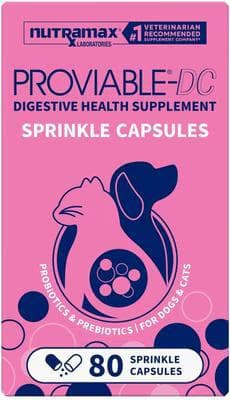
Multi-strain probiotic plus prebiotic sprinkle capsules for dogs and cats; supports digestive balance during diarrhea, diet changes, and antibiotic courses.
Webvet may earn a commission when you click through to Chewy, at no extra cost to you.
When should omeprazole be given?
What time of day should you give a dog omeprazole? The available primary veterinary evidence supports giving it before a meal, but it does not establish one universally correct clock time for every dog. The useful rule is to follow the prescription's relationship to food and maintain a consistent schedule. A morning dose may fit one plan, while another veterinarian may direct a different schedule for a specific condition.
How long after giving omeprazole can a dog eat? Follow the interval printed on the veterinary label. Owners often see a 30-minute rule in human guidance, but the available primary veterinary evidence does not contain a primary veterinary source that proves the same fixed wait for every canine formulation and condition. If the label only says "before food" and the timing is unclear, ask the clinic rather than choosing an interval online.
Why is omeprazole not good at night? There is no universal veterinary rule that omeprazole is unsafe at night. The concern is usually whether the medicine is timed as prescribed relative to a meal and whether the schedule is consistent. A nighttime dose can also be harder to coordinate with fasting instructions in some homes. The prescriber should choose timing around the pet's condition, feeding schedule, and required frequency.
Forms and administration checks
Omeprazole is available in delayed-release capsules or tablets, compounded liquids, and injectable hospital formulations. Equine paste products are not dog or cat substitutes. Human over-the-counter availability does not make every package suitable for a pet, and inactive ingredients or delivery systems can differ.
Before each dose, verify:
- the pet's name on the label
- the active ingredient and strength
- tablet, capsule, liquid, or hospital-only route
- the measured amount and frequency
- whether the product must be given before food
- whether it can be opened, crushed, split, or mixed
- storage and beyond-use instructions for a compounded liquid
If a capsule is difficult to give, do not automatically open it. If a liquid is prescribed, use the supplied oral syringe and read the concentration, not just the volume. Milliliters are not milligrams, and two compounded bottles can contain different milligrams per milliliter.
Omeprazole Side Effects, Interactions, and When to Call the Vet
Is it safe to give my dog omeprazole? It can be safe when a veterinarian has identified an appropriate reason, selected the formulation and dose, and reviewed other medicines. It is not risk-free. The most commonly discussed gastrointestinal effects include diarrhea, vomiting, reduced appetite, or gas, although the underlying illness can produce some of the same signs.
Potential side effects and monitoring concerns include:
- new or worsening diarrhea
- vomiting or reduced appetite after treatment begins
- changes in intestinal bacteria during sustained acid suppression
- altered absorption of medicines that depend on stomach acidity
- possible nutrient effects with prolonged use
- rebound acid secretion if longer-term therapy is stopped abruptly
The number one side effect of omeprazole is often described as diarrhea in veterinary owner guidance, but frequency varies and a single loose stool does not prove the drug caused it. Report persistent diarrhea, blood, black stool, dehydration, or worsening illness. The veterinarian can distinguish a medication effect from progression of the original gastrointestinal disease.

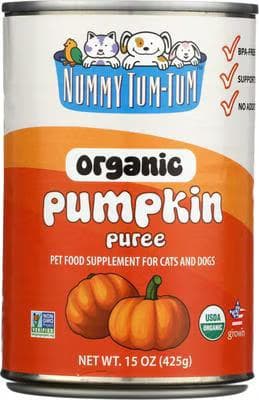
Pure USDA-organic pumpkin puree, no fillers or additives. Adds gentle soluble fiber to firm up loose stool and settle a mildly upset stomach. A simple vet-favorite topper.
Webvet may earn a commission when you click through to Chewy, at no extra cost to you.
Drug interactions and higher-risk situations
Tell the veterinarian about prescriptions, over-the-counter medicines, supplements, and recent injections. Changing stomach pH can alter absorption of certain drugs. Cited veterinary guidance also flags caution when omeprazole is used around anti-inflammatory medicines or corticosteroids, not because every combination is forbidden, but because the underlying gastrointestinal risk and treatment goal must be clear.
Extra caution or reassessment may be appropriate for:
- a pet with liver disease that may process medicines differently
- a pet already taking another acid suppressant or stomach protectant
- a pet receiving an NSAID or corticosteroid
- a pet with persistent diarrhea or suspected gastrointestinal infection
- prolonged daily use without a confirmed continuing indication
- a pet whose vomiting or pain is worsening despite acid suppression
Do not stop a long course suddenly unless the veterinarian directs it. Rebound gastric acid hypersecretion can occur after sustained proton pump inhibition. The prescriber may choose a taper based on treatment length and diagnosis, but a public article cannot set a universal taper schedule.
Missed doses and possible double doses
If a dose is missed, follow the prescription label or call the clinic. Do not double the next amount to catch up. For a possible double dose, wrong concentration, or ingestion of several capsules, call with the pet's weight, exact product, strength, estimated amount, and time. Waiting for symptoms can make triage harder.
Keep medication in its original child-resistant container and away from pets. A dog chewing a bottle can consume many human-strength capsules, and a flavored compounded liquid can attract animals. Bring packaging to the emergency clinic so staff can identify the active ingredient and delayed-release formulation.
Treatment duration, rechecks, and tapering
The treatment length is tied to the diagnosis. A brief trial for a narrowly defined problem is different from a course intended to allow esophageal or ulcerated tissue to heal. Long-term daily use should have a documented reason and a reassessment plan because acid suppression changes the gastrointestinal environment as well as the symptom.
Questions to settle before leaving the clinic include:
- how many days or weeks the course is expected to last
- which change should be visible and by what date
- whether a recheck, blood test, or imaging result will guide stopping
- what to do if a dose is missed or vomiting occurs after administration
- whether the medicine should be tapered rather than stopped abruptly
- which signs mean the plan should be stopped and reviewed immediately
Rebound acid secretion is a reason not to create a do-it-yourself stop schedule after longer use. A veterinarian may reduce frequency or use another individualized approach, but the plan depends on duration and disease. Continuing indefinitely to avoid rebound is also not the answer. The goal is an appropriate course followed by an informed exit.
Microbiome and nutrition concerns
Sustained acid suppression can change which bacteria survive passage through the stomach and can alter intestinal populations. That does not mean every pet needs a probiotic or that a short prescribed course is harmful. It means long-term use deserves a clear benefit and monitoring rather than becoming an automatic refill.
Do not add supplements to "protect the gut" without discussing them. A probiotic, mineral, or vitamin can have its own quality, timing, or interaction issues, and the pet's diet may already be medically restricted. For a prolonged course, ask whether appetite, stool, body weight, bloodwork, or nutrient status needs follow-up.
The same principle applies to infection risk. Stomach acid is one barrier against swallowed organisms. A pet with persistent diarrhea, fever, or worsening illness while on omeprazole needs reassessment instead of a higher acid-suppressant dose.
Omeprazole vs. Famotidine, Sucralfate, and Other Antacids
Which is better for dogs, Pepcid or omeprazole? Neither medicine is universally better. Omeprazole is a proton pump inhibitor that produces strong, sustained suppression of acid production. Famotidine, the active ingredient commonly associated with Pepcid, is an H2-receptor blocker that works through a different pathway and may be chosen for a different duration or clinical goal.
| Option | Main veterinary role | What it does not do | Decision question for the veterinarian |
|---|---|---|---|
| Omeprazole | Sustained proton pump inhibition for selected acid-related disease | It does not directly coat an ulcer or stop every cause of vomiting | Is strong acid suppression indicated, and for how long? |
| Famotidine | H2-receptor blockade for selected acid-control situations | It is not automatically equivalent to a proton pump inhibitor | Is a shorter or different acid-control strategy appropriate? |
| Sucralfate | Forms a protective barrier over injured gastrointestinal tissue in selected cases | It does not suppress acid production | Is mucosal protection needed, and how must it be separated from other medicines? |
| Simple antacid product | Temporarily neutralizes acid already present | It does not provide the same sustained mechanism and may contain unsuitable ingredients | Is this exact product safe for this pet and diagnosis? |
WebVet's famotidine for dogs and cats guide explains the H2 blocker in detail. The sucralfate for dogs and cats monograph covers the coating agent and its timing concerns. Do not stack these products to create a stronger home regimen. Sucralfate can bind other medicines, and two acid suppressants may add complexity without serving the diagnosis.
The same caution applies to calcium carbonate products and other human antacids. Flavorings, sweeteners, sodium, magnesium, calcium, or combination ingredients may matter. A familiar human label does not prove pet safety, and short-term symptom relief can delay care for an ulcer, obstruction, pancreatitis, or toxic exposure.
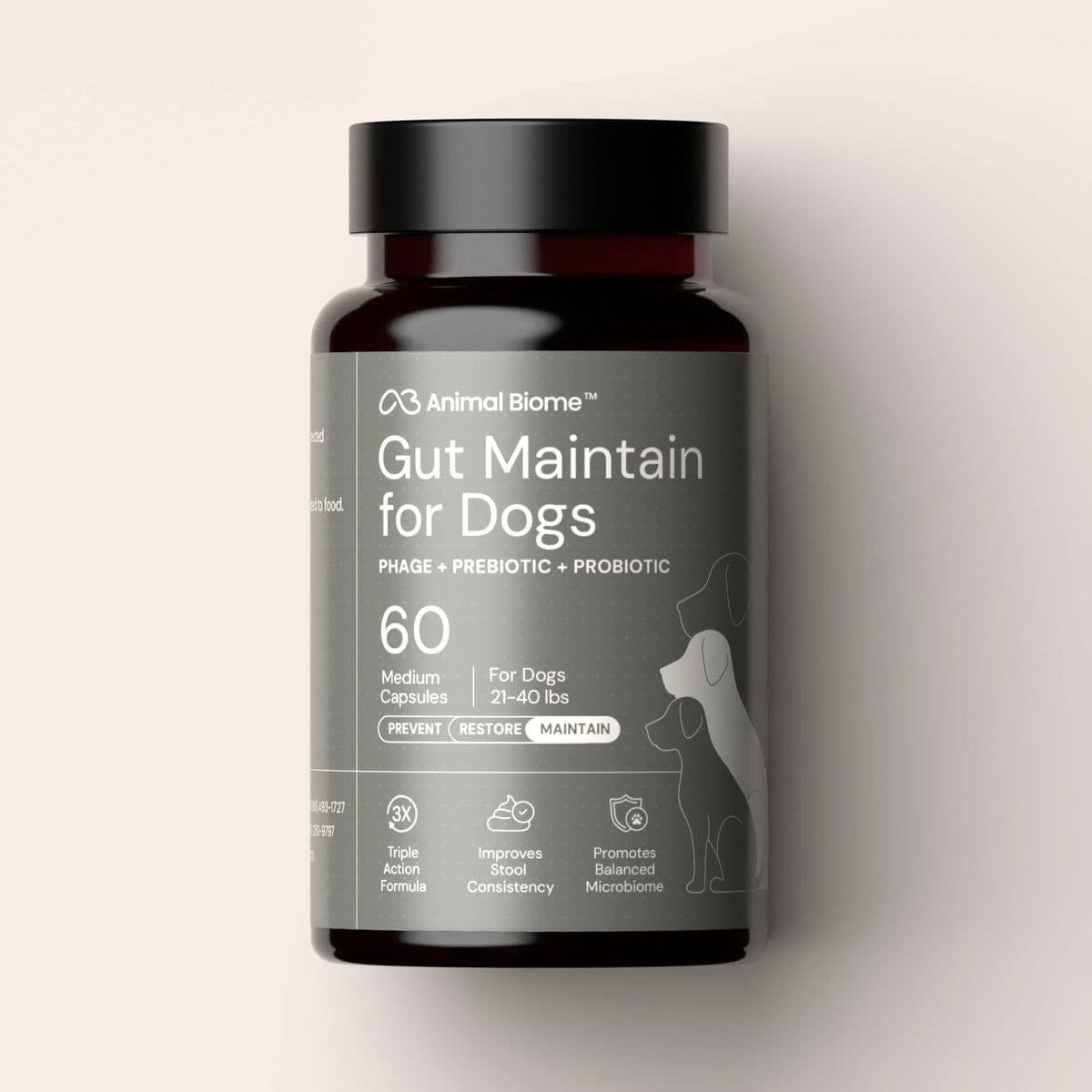
Triple-action phage, prebiotic, and probiotic capsules for everyday maintenance of a balanced gut microbiome once a dog's digestive flare has settled.
Webvet may earn a commission when you click through to Animal Biome, at no extra cost to you.
How the veterinarian chooses
The antacid choice belongs to omeprazole's decision section because mechanism and diagnosis matter more than brand familiarity. The veterinarian considers:
- whether the problem is proven or suspected acid injury
- how strong and sustained acid suppression needs to be
- whether tissue coating is also needed
- current NSAIDs, corticosteroids, antibiotics, or supplements
- kidney and liver function
- ability to give doses around meals and other medicines
- duration of treatment and a plan for reassessment
If one product has already failed, do not conclude that a stronger human dose is the answer. The diagnosis, adherence, formulation, timing, and presence of another gastrointestinal problem should be reviewed first.
Omeprazole Cost and Prescription Options
Omeprazole itself is often inexpensive because generic human products are widely available. The total cost can still vary with capsule strength, quantity, delayed-release formulation, compounding, veterinary examination, diagnostic testing, and follow-up. Hospital injection costs more than a retail capsule because it includes clinical administration and monitoring.
An honest price conversation separates:
- medication price per prescribed course
- compounding or dispensing fees
- diagnostic work needed to establish an acid-related problem
- rechecks for ulcer healing, anemia, or persistent signs
- the cost of another medicine when vomiting or mucosal injury needs separate treatment
Where to buy omeprazole for dogs depends on the prescription. A veterinarian may dispense it, send a prescription to a human pharmacy, or use a veterinary compounding pharmacy when a suitable size or form is not available. Do not choose a product only because it is the cheapest shelf option. The right delayed-release design and measurable strength are part of the treatment.
Price tables age quickly and can create false precision. Ask for the exact strength, quantity, and formulation before comparing pharmacies. If a compounded liquid is proposed, compare concentration and total usable volume rather than the bottle price alone. Insurance or pharmacy discount eligibility varies and does not change the clinical decision.
Compounding and pharmacy questions
A compounded medicine can solve a real measuring problem, but it should come from the veterinarian and a qualified pharmacy. Ask the pharmacy to print concentration in mg/mL, the volume per dose, storage temperature, shaking instructions, expiration or beyond-use date, and what to do if the liquid changes color, separates, or is left unrefrigerated.
When comparing products, verify:
- the same active ingredient and intended formulation
- the same total prescribed milligrams, not just the same liquid volume
- whether delayed-release protection is preserved
- flavoring ingredients that are acceptable for the species
- whether the product is commercially available in a suitable form before compounding
- shipping conditions and what happens if a temperature-sensitive product is delayed
Do not transfer the medicine to an unmarked bottle or kitchen container. Keep the original label and dosing syringe together. If two pets receive compounded liquids, store them separately so a different concentration or flavor cannot be mistaken for the omeprazole prescription.
Feeding and Home Care During Treatment
Omeprazole is one piece of the plan. The veterinarian may recommend smaller meals, a particular texture, fat restriction, a prescription diet, elevated feeding for selected esophageal disease, or a temporary change in water and meal timing. Those instructions address the diagnosis and should not be replaced by generic internet advice about bland food.
Avoid making several unplanned changes at once. New treats, fatty table scraps, abrupt food switches, supplements, and human antacids can trigger symptoms or make the response hard to interpret. If the pet refuses the prescribed diet, tell the clinic rather than withholding food for a prolonged period or hiding medicine in a food the condition makes inappropriate.
Home-care priorities include:
- reliable access to water unless the veterinarian gives a specific restriction
- the prescribed meal size, texture, and frequency
- calm activity after meals when reflux or regurgitation is a concern
- separation of medicines when the veterinarian or pharmacist directs it
- prompt reporting of blood, black stool, repeated vomiting, pain, or weakness
Never force an oral capsule into a pet that is actively vomiting, choking, struggling to swallow, or having breathing difficulty. Those signs may require urgent care and a different medication route. A hospital can use injectable treatment and fluids when oral administration is unsafe or unreliable.
Special Situations That Change the Omeprazole Plan
Age alone does not determine whether omeprazole is appropriate, but puppies, kittens, frail seniors, and very small pets leave less room for measuring error or delayed care. A young animal with repeated vomiting can become dehydrated quickly, and a senior may have kidney, liver, endocrine, or cancer-related disease that changes both diagnosis and monitoring.
Pregnant or nursing animals need a veterinary risk-benefit decision. Do not assume human pregnancy guidance applies to a dog or cat. The prescriber considers the reason for treatment, available alternatives, expected exposure, and the risk of leaving the gastrointestinal disease untreated.
Pets taking anti-inflammatory medicines
An owner may assume acid suppression makes an NSAID or corticosteroid safer. That is too simple. Omeprazole can reduce gastric acidity, but it does not erase intestinal injury, kidney risk, bleeding, or the need to use the anti-inflammatory medicine correctly. Veterinary guidance cautions against routine prophylaxis without evidence that an acid-related problem or a high-risk clinical situation justifies it.
If an NSAID or steroid is part of the plan, confirm:
- why both medicines are being used
- which gastrointestinal signs require stopping and calling
- whether baseline or follow-up bloodwork is needed
- whether any other NSAID, aspirin, or supplement must be avoided
- how long acid suppression should continue after the main medicine changes
Never add over-the-counter omeprazole to a pet's anti-inflammatory prescription without telling the veterinarian. That can mask signs and create the false impression that gastrointestinal protection is complete.
Hospitalized pets and injectable therapy
An injectable proton pump inhibitor belongs in a hospital plan. The patient may be unable to keep oral medicine down, may have active bleeding, or may need fluid therapy and close monitoring. Hospital dosing and route are based on the clinical situation and should not be converted to a take-home injection or oral amount.
The transition home deserves clear instructions. Ask when the first oral dose is due, whether it replaces or follows the hospital dose, what formulation was dispensed, and whether food timing changes. A discharge summary should list every medicine because a hospitalized pet may leave with an antiemetic, sucralfate, antibiotic, pain medicine, or diet plan that has its own schedule.
Liver disease, chronic diarrhea, and infection concerns
The liver participates in drug metabolism, so known liver disease can affect the veterinarian's dose and monitoring decisions. Chronic diarrhea also changes the picture because omeprazole itself can be associated with gastrointestinal effects and because the original disease may not be acid driven.
A pet with fever, worsening diarrhea, marked lethargy, or dehydration needs reassessment. Do not respond by extending the omeprazole course or adding a second acid reducer. The veterinarian may need to investigate infection, inflammatory disease, parasites, pancreatic disease, adverse effects, or another diagnosis.
Monitoring Response and Knowing When the Plan Is Not Working
Acid suppression can begin before damaged tissue has healed. The veterinarian may judge response from vomiting or regurgitation frequency, appetite, pain, stool color, bloodwork, or repeat examination. Do not stop as soon as one meal stays down if the prescription was written for a longer treatment course.
Keep a simple daily record of:
- dose time and relationship to food
- vomiting, regurgitation, or retching episodes
- appetite and water intake
- stool color and consistency
- abdominal discomfort, restlessness, or lethargy
- every other medicine and the time it was given
That record helps distinguish inconsistent administration from treatment failure. It also reveals a dangerous trend such as darker stool, increasing weakness, or repeated vomiting. If symptoms are static or worse, the veterinarian may revisit the diagnosis instead of merely increasing acid suppression.
Omeprazole For Dogs FAQs
Frequently Asked Questions
What is the number one side effect of omeprazole?
When owners ask about the number one side effect of omeprazole, diarrhea is one of the effects most commonly discussed, although vomiting, reduced appetite, or gas can also occur. The original gastrointestinal disease may cause the same signs, so timing alone does not prove the medicine is responsible. Call the veterinarian for persistent diarrhea, blood, black stool, dehydration, marked lethargy, or worsening illness.
Why do you have to wait 30 minutes to eat after taking omeprazole?
If you have to wait 30 minutes to eat after taking omeprazole, that interval comes from the dispensed directions, not a universal veterinary rule for every product and condition. Omeprazole is commonly given before food so active proton pumps are available for the medicine to inhibit, but the available primary veterinary evidence does not support one timing rule for every patient. Follow the dispensed label. If it says "before food" without a clear interval, ask the prescribing clinic rather than importing a human schedule.
What foods should I avoid while on omeprazole?
The foods a dog or cat should avoid while taking omeprazole depend on the diagnosed condition, not a universal forbidden-food list. The diet should match that condition, such as an ulcer, reflux problem, pancreatitis concern, food intolerance, or kidney disease. Avoid introducing rich treats or human foods while signs are being monitored, and follow the veterinarian's feeding plan instead of assuming the medicine protects against dietary irritation.
$65 · no membershipNeed a prescription for Omeprazole?
A licensed vet can assess your pet over video and prescribe Omeprazole online when it's appropriate.
Talk to a vet- Licensed vets
- All 50 states
- same-day Rx
Webvet may earn a commission if you book.

Editor
The Webvet Editorial Team is the in-house group of pet-care editors and writers behind Webvet, operated by Smart Pet Collective. The team researches, writes, and maintains Webvet's pet health, behavior, and medication content. Every article follows a defined editorial process: research from reputable veterinary and scientific sources, careful drafting, mandatory review of medical content by a credentialed veterinarian, and dated publication. Health and medication articles are medically reviewed by a licensed veterinary professional before they go live and are kept current over time.
Veterinarian · BVMS MRCVS
Dr. Pippa Elliott, BVMS, MRCVS, is a veterinarian with nearly 30 years of experience in companion animal practice. Dr. Elliott earned her Bachelor of Veterinary Medicine and Surgery from the University of Glasgow. She was also designated a Member of the Royal College of Veterinary Surgeons. Married with 2 grown-up kids, Dr. Elliott has a naughty Puggle named Poggle, 3 cats and a bearded dragon.


