Dog Probiotics After Antibiotics: Vet Timing Guide
Wondering about dog probiotics after antibiotics? This vet-reviewed guide covers whether to give them, the two-hour dosing gap, the best strains, and how long your dog's gut really takes to recover.

BVMS MRCVS
Medically reviewed by Dr. Pippa Elliott, BVMS MRCVS · Last reviewed

This article contains affiliate links. Webvet may earn a commission when you buy through them, at no extra cost to you.
WebVet may earn a commission from qualifying purchases made through links on this page, at no additional cost to you.
If your dog just finished a course of antibiotics, giving dog probiotics after antibiotics is one of the simplest ways to help the gut bounce back. Antibiotics kill the bacteria that cause an infection, but they also wipe out large numbers of the friendly gut bacteria your dog needs for normal digestion and a healthy immune system. Most vets support using a quality canine probiotic during and after the antibiotic course, spacing the two doses about two hours apart, and continuing the probiotic for several weeks while the microbiome recovers. This guide walks through the timing, the strains that matter, and how long full gut recovery really takes.
Probiotics are live, beneficial microorganisms that help restore balance to the gut microbiome. For the complete picture on choosing and using them day to day, see our full probiotics for dogs guide. Here, we stay focused on the specific situation that brings most owners to this page: what to do when antibiotics have disrupted your dog's gut, and how to rebuild it safely and sensibly.
- 1Yes, most healthy dogs benefit from probiotics during and after antibiotics. Give the probiotic about two hours apart from the antibiotic dose so the medication does not kill the live cultures.
- 2Keep the probiotic going for at least two to four weeks after the antibiotics end. Full microbiome recovery often takes several weeks to a few months.
- 3Look for evidence-backed strains such as Saccharomyces boulardii and Enterococcus faecium, ideally in a vet-formulated product with a guaranteed CFU count.
- 4Skip probiotics, or check with your vet first, for immunocompromised, critically ill, or very young dogs. When in doubt, ask your veterinarian.
 Sponsored
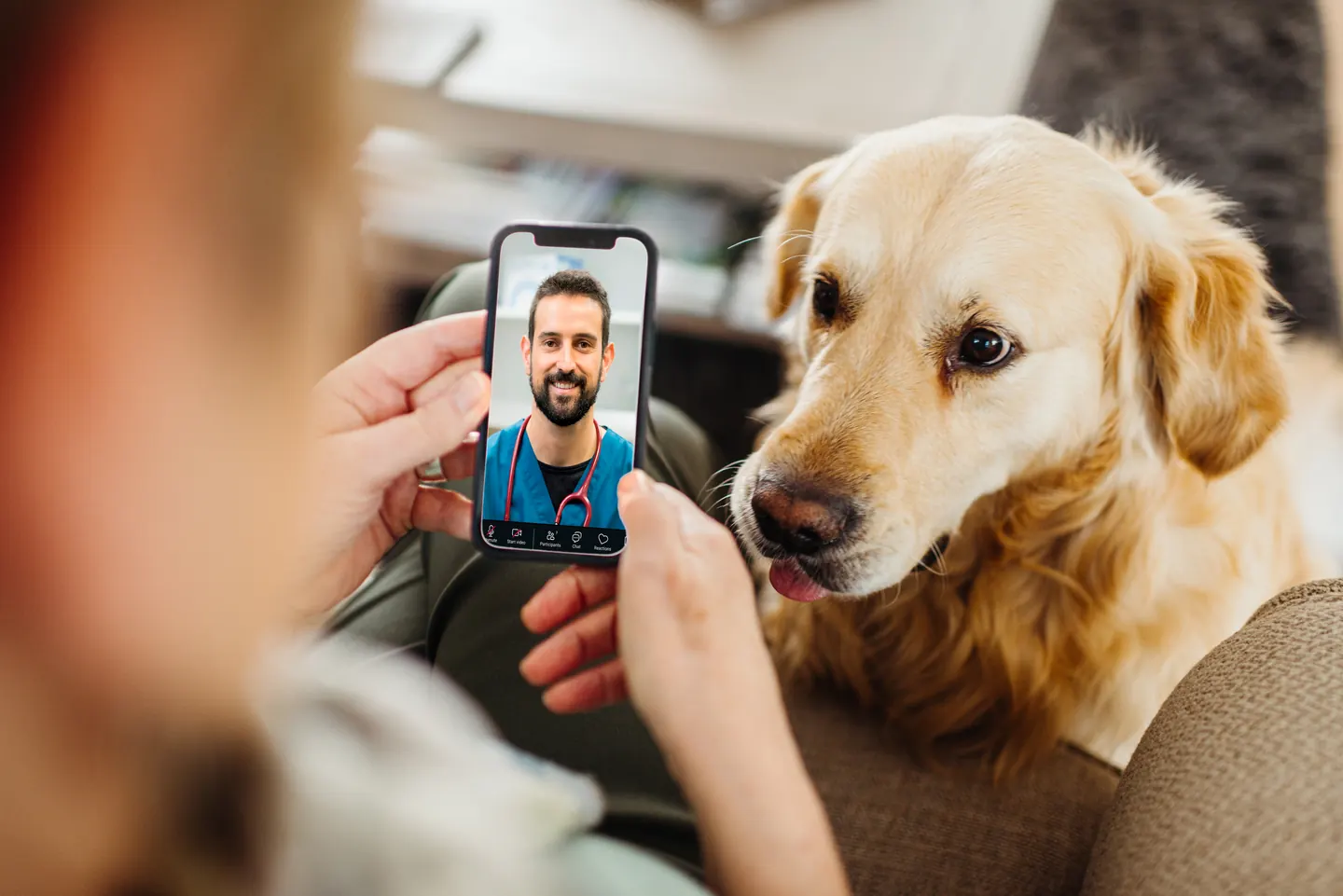
Want a vet's take on your dog's upset stomach?
Talk to a licensed vet at Dutch over video, often the same day. They can recommend treatment and prescribe it when it's appropriate.
Use code Pets60
Plans start at $12/month · covers up to 5 pets
- Licensed vets in most states
- Rx for 150+ conditions
- 4.7 on Trustpilot
Should you give your dog probiotics after antibiotics?
For most healthy dogs, the answer is yes. Antibiotics do not distinguish between the harmful bacteria driving an infection and the beneficial bacteria that keep the gut running smoothly. A single course can sharply reduce the diversity of the gut microbiome, which is one reason loose stools and antibiotic-associated diarrhea are so common during treatment. Adding a probiotic helps replace some of those lost microbes and can shorten the digestive upset that often tags along with a prescription.
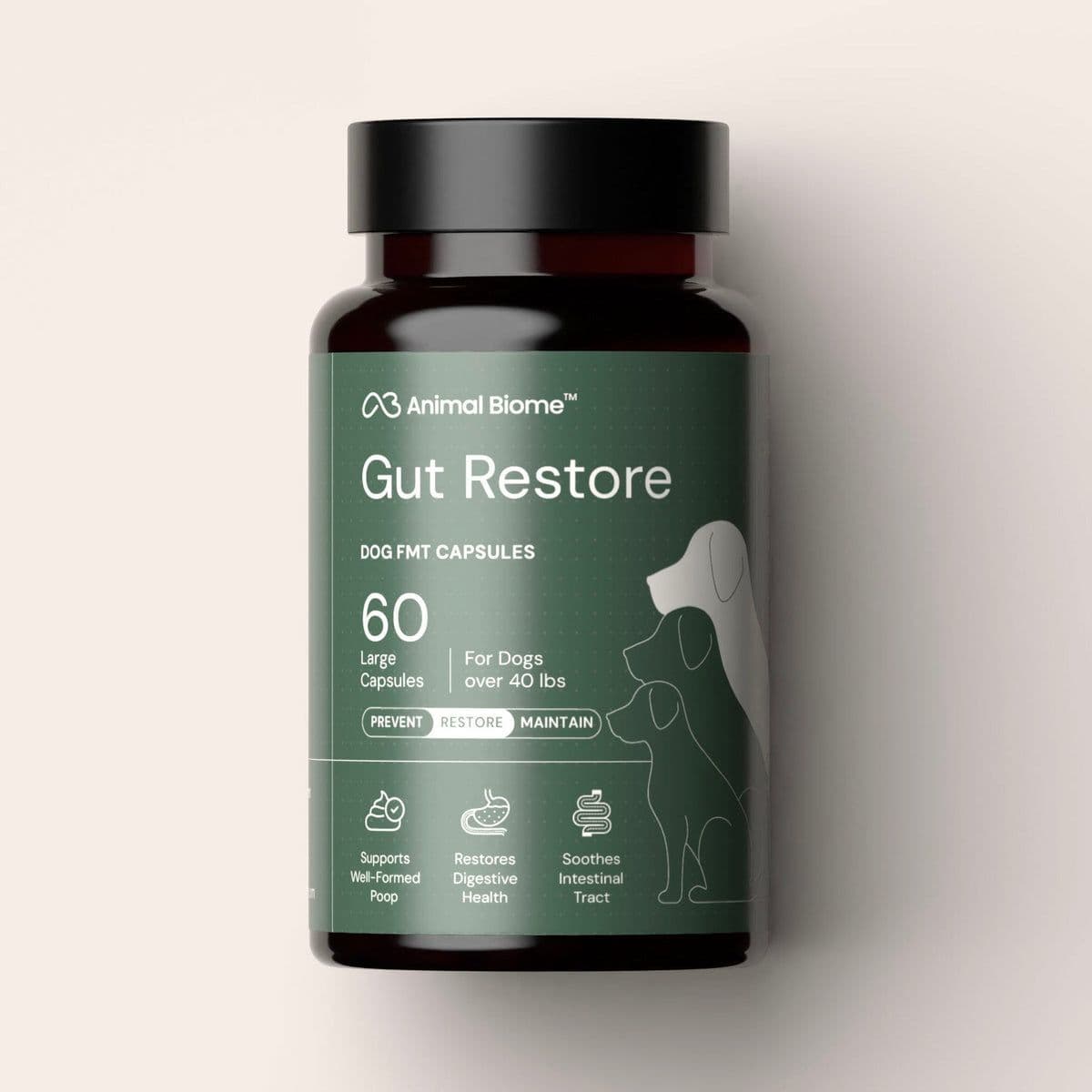
Veterinarian-developed oral fecal microbiota transplant (FMT) capsules that reintroduce a full community of dog-specific gut bacteria; used to support dogs with ongoing soft stools, diarrhea, or recovery after antibiotics.
Webvet may earn a commission when you click through to Animal Biome, at no extra cost to you.
The evidence in dogs is still developing, and probiotics are not a cure-all, but the risk of giving a well-made product to an otherwise healthy dog is very low and the potential upside is real. Veterinary sources, including the Cornell canine probiotics research from the Riney Canine Health Center, note that specific strains can support digestive health, particularly around stressful events like illness, diet changes, and antibiotic courses. The goal is not to overhaul your dog's whole routine, just to give the good bacteria a hand while they are down.
If your vet has not recommended a specific brand, look for a canine-specific probiotic with a guaranteed live count and named strains. Vet-recommended options include Purina Pro Plan FortiFlora, which supplies Enterococcus faecium, Nutramax Proviable, a multi-strain blend with a prebiotic, and Zesty Paws Probiotic Bites for dogs that take a supplement more readily as a soft chew. Choosing a product made for dogs matters, because human yogurt and human probiotic pills are not formulated for a dog's gut or dosed for a dog's size.

Signs your dog's gut is disrupted after antibiotics
Because a course of antibiotics can wipe out much of the gut community at once, some vets suggest a broader reset like AnimalBiome Gut Restore, which reintroduces a full set of dog-specific bacteria once the medication is finished.
Antibiotics can throw the gut out of balance, a state vets call dysbiosis, or an imbalanced gut. You will not always see obvious symptoms, but many dogs show at least a few signs that the microbiome has taken a hit. Knowing what to watch for helps you decide how aggressively to support recovery and when to loop in your vet.
So what are the signs of poor gut health in dogs after a course of antibiotics? The most common clues involve the stool and the digestive tract, but low energy and a dull coat can show up too. Any one of these on its own is usually minor; several together suggest the gut is still working to rebalance.

- Loose stools, soft stools, or full antibiotic-associated diarrhea, sometimes with visible mucus.
- Straining, urgency, or noticeably more frequent bowel movements than normal.
- Gas, gurgling, or a visibly bloated or uncomfortable belly.
- Reduced appetite or mild nausea during or just after the course.
- Vomiting in some dogs, especially when the antibiotic was hard on the stomach.
- Lower energy, a duller coat, or a generally run-down look while the gut recovers.
A little digestive upset during antibiotics is common and usually settles within a few days of finishing the course. For the bigger picture on keeping the digestive system resilient, our guide to gut health for dogs goes deeper, and if the main problem is a queasy stomach rather than the stool, our dog upset stomach guide covers that too.
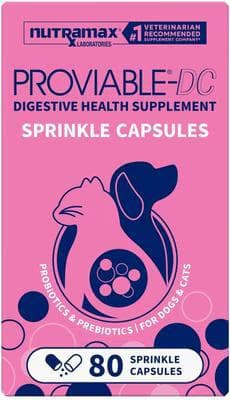
Multi-strain probiotic plus prebiotic sprinkle capsules for dogs and cats; supports digestive balance during diarrhea, diet changes, and antibiotic courses.
Webvet may earn a commission when you click through to Chewy, at no extra cost to you.
What is worth acting on quickly is diarrhea that is severe, bloody, or lasts more than 48 hours, or any dog that becomes lethargic, stops eating, or seems dehydrated. Those are not just gut-flora problems, and they deserve a call to your veterinarian rather than a wait-and-see approach with a supplement.
How long to wait between antibiotics and probiotics
The general rule is to give probiotics about two hours apart from each antibiotic dose. You do not need to wait until the antibiotic course is over to start. Giving the probiotic during treatment, just spaced out from the drug, helps limit the digestive damage as it happens rather than trying to repair everything afterward.
Why the gap? Antibiotics are designed to kill bacteria, and many probiotics are live bacteria. If you give them at the same moment, the antibiotic can destroy a large share of the probiotic cultures before they ever reach the gut. Waiting roughly two hours lets the drug level start to fall so more of the live cultures survive the trip. This is the single most useful timing rule for the whole recovery, and it is easy to build into a normal feeding routine.
- During the course: give the probiotic once or twice daily, about two hours before or after each antibiotic dose.
- Right after the last antibiotic dose: keep the probiotic going on its normal schedule without a break.
- For the following weeks: continue the probiotic daily for at least two to four weeks to help the microbiome rebuild.
So what should the gap between an antibiotic and a probiotic be, and how long between antibiotics and probiotics for dogs overall? Space each individual dose about two hours apart, and think in terms of weeks, not days, for the overall probiotic course. A common approach is to run the probiotic through the entire antibiotic course and then for two to four more weeks afterward, adjusting with your vet if your dog needs longer.
One helpful exception: Saccharomyces boulardii is a beneficial yeast, not a bacterium, so antibiotics do not kill it. That is part of why it is a popular choice to give alongside antibiotics. Spacing doses is still a sensible habit if a product also contains bacterial strains, but the yeast itself can ride through treatment intact.

 Sponsored
Vet care that's always there
Unlimited video calls and messaging with licensed vets for less than a typical vet visit. One membership covers up to five pets.
Use code Pets60
Plans start at $12/month · covers up to 5 pets
- Licensed vets in most states
- Rx for 150+ conditions
- 4.7 on Trustpilot
How long a dog's gut takes to recover
Here is the honest answer many quick-tip articles skip: a dog's gut does not fully recover the moment the pills run out. Visible symptoms like loose stool often improve within a few days, but the deeper work of rebuilding a diverse microbiome takes longer. For many dogs, meaningful recovery lands somewhere in the range of 4 to 8 weeks, and some individuals take a few months to return to their pre-antibiotic baseline.
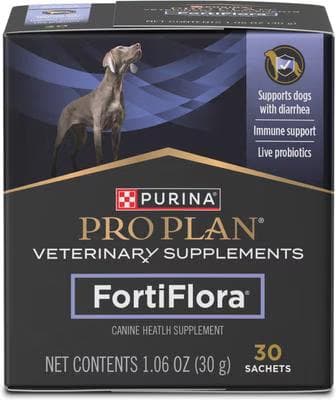
The #1 vet-recommended probiotic for dogs. Daily powder sachets with live probiotics support healthy digestion and firmer stools, and can help dogs coping with diarrhea or GI upset.
Webvet may earn a commission when you click through to Chewy, at no extra cost to you.
Recovery speed depends on the dog and the treatment. A single short course in a healthy young adult usually rebounds faster than repeated or long courses, or antibiotics in a puppy, a senior, or a dog with an underlying digestive condition. Broad-spectrum antibiotics that hit many bacterial types tend to cause more disruption than narrow-spectrum ones, so the same recovery timeline will not fit every dog.
| Stage | Typical timeframe | What is happening |
|---|---|---|
| During the course | Days 1 to 10 or more | Antibiotics reduce both harmful and beneficial bacteria; digestive upset is common. Give probiotics with the two-hour gap. |
| Just after the last dose | Week 1 | Symptoms often ease, but the microbiome is still thinned and fragile. Keep the probiotic going. |
| Early rebuild | Weeks 2 to 4 | Beneficial bacteria repopulate; stool and appetite usually normalize. |
| Fuller recovery | Weeks 4 to 8 | Microbial diversity keeps climbing back toward baseline for most dogs. |
| Extended cases | 2 to 3 months | Puppies, seniors, repeated courses, or sensitive guts may need longer. |
So how long does it take to heal a dog's gut after antibiotics? Plan for a recovery timeline of several weeks. Continuing the probiotic through that window, feeding a consistent high-quality diet, and adding a prebiotic fiber source (such as a small amount of plain canned pumpkin, or a product that already includes prebiotics) all help the beneficial bacteria re-establish. Avoid unnecessary diet changes during this period, since another disruption stacked on top of the antibiotics can slow everything down.


Best probiotic strains for post-antibiotic recovery
Not all probiotics are the same, and the strain on the label matters more than a big front-of-package claim. For the best probiotic for dogs after antibiotics, look for named strains with research behind them in dogs, plus a guaranteed CFU (colony-forming unit) count that tells you how many live organisms you are actually getting per serving.
Three kinds of ingredients do most of the heavy lifting in post-antibiotic recovery. Here is what each one brings to the job.
- Saccharomyces boulardii: a beneficial yeast rather than a bacterium, which is why it survives alongside antibiotics. It is widely used to help firm up antibiotic-associated diarrhea.
- Enterococcus faecium (often the SF68 strain): a well-studied bacterial strain found in products like FortiFlora, used to support stool quality and gut balance during stress and antibiotics.
- Lactobacillus and Bifidobacterium blends: common bacterial groups that help repopulate a thinned gut. Give them spaced from the antibiotic dose so more of the cultures survive.
| Strain or ingredient | Type | Best-known job in recovery |
|---|---|---|
| Saccharomyces boulardii | Beneficial yeast | Not killed by antibiotics; helps control antibiotic-associated diarrhea |
| Enterococcus faecium (SF68) | Bacterium | Supports stool quality and gut balance during and after antibiotics |
| Lactobacillus / Bifidobacterium blends | Bacteria | Help repopulate a thinned microbiome; give with the two-hour gap |
| Prebiotics (inulin, FOS, pumpkin) | Fiber, not a microbe | Feed the good bacteria so they re-establish faster |
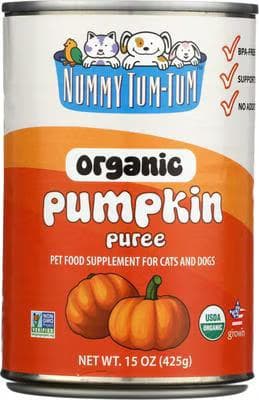
Pure USDA-organic pumpkin puree, no fillers or additives. Adds gentle soluble fiber to firm up loose stool and settle a mildly upset stomach. A simple vet-favorite topper.
Webvet may earn a commission when you click through to Chewy, at no extra cost to you.
Many of the strongest products combine a couple of these, for example a bacterial strain plus S. boulardii, plus a prebiotic. You do not need a mega-dose; you need consistency and a product that truly contains what the label claims. Because probiotic supplements are regulated as animal foods rather than drugs by the FDA, quality control varies between brands, so sticking with established, vet-trusted manufacturers is the safest bet.
If your dog is already on a probiotic that is clearly working, there is usually no need to switch mid-recovery. If you are starting fresh, ask your vet which strain fits your dog, especially if the antibiotics were prescribed for a gut infection rather than, say, a skin or ear problem. The right match can make a real difference in how quickly the stool settles.

When not to give probiotics (and safety notes)
Probiotics are safe for the large majority of dogs, but they are not right for every dog in every situation. Knowing when not to give probiotics to dogs keeps a helpful supplement from turning into a risk. In a few specific cases, live microorganisms can do more harm than good, and the decision should sit with your veterinarian.
- Severely immunocompromised dogs, or dogs on immune-suppressing medication, where live organisms carry more risk. Check with your vet first.
- Critically ill, hospitalized, or post-surgical dogs, where any supplement should be cleared by the treating vet.
- Dogs with a central venous catheter or serious underlying illness, a situation where live cultures have occasionally caused problems in human patients.
- Very young puppies or dogs with a compromised gut barrier, unless your vet specifically recommends a product and dose.
- Any dog having a clear bad reaction, such as worsening diarrhea, vomiting, or bloating after the probiotic starts.
For healthy dogs, side effects are usually mild and temporary, most often a little extra gas or a short-lived change in stool as the gut adjusts to the new cultures. These typically pass within a few days. If the symptoms are worsening rather than settling, stop the probiotic and call your vet instead of pushing through.
Probiotics for ongoing or antibiotic-related diarrhea
Some dogs finish their antibiotics but keep having loose stool, or the diarrhea started because of the infection itself. That situation, ongoing or antibiotic-related diarrhea, has its own playbook, including which strains work best for a runny gut and when loose stool signals something that needs testing, such as giardia or another parasite.
Rather than repeat it all here, we cover it in depth in our guide to probiotics for dog diarrhea. Start there if diarrhea is your dog's main problem, or if it has lasted more than a couple of days after the antibiotics ended, and let your vet know if the stool has blood in it or your dog is not acting like itself.
How probiotics support dogs (full guide)
Everything on this page is about one specific job: recovering from antibiotics. Probiotics do more than that. They can support day-to-day digestion, help during diet transitions and travel stress, and play a role in overall immune health throughout your dog's life.
For the full rundown on how probiotics work, how to choose one, and when a healthy dog benefits from them, read our complete probiotics for dogs guide. And if you are not sure your dog needs one at all, our guide on when to give a dog probiotics walks through the everyday triggers and the signs that are actually worth acting on.
When to call your vet
Probiotics are a support tool, not a substitute for veterinary care. Antibiotics are prescribed for real infections, and the underlying problem, or a bad reaction to it, sometimes needs hands-on treatment that no supplement can provide.
- Diarrhea is severe, bloody, or lasts more than 48 hours after the antibiotics end.
- Your dog is vomiting repeatedly, refusing food, or seems weak, lethargic, or dehydrated.
- The original infection appears to be returning or getting worse.
- Your dog is immunocompromised, very young, or seriously ill and you are considering a probiotic.
- You are unsure which probiotic or dose is right for your dog's size and situation.
Your veterinarian can confirm whether a probiotic is appropriate, recommend a strain and dose matched to your dog, and rule out problems that a supplement cannot fix. When digestive signs are severe or your dog just is not bouncing back the way you expect, that call is always the right move.
Frequently Asked Questions
How long should I wait between antibiotics and probiotics for my dog?
Give the probiotic about two hours apart from each antibiotic dose so the drug does not kill the live cultures. You can start during the antibiotic course rather than waiting until it ends, and then continue the probiotic daily for at least two to four weeks afterward while the gut rebuilds.
How long does it take to heal a dog's gut after antibiotics?
Loose stool often improves within a few days, but rebuilding a diverse microbiome usually takes several weeks. For many dogs, meaningful recovery lands in the 4 to 8 week range, and puppies, seniors, sensitive dogs, or those on repeated courses can take two to three months.
When should I not give my dog probiotics?
Avoid starting a probiotic on your own for immunocompromised, critically ill, hospitalized, or very young dogs, and check with your vet first. Also stop and call your vet if your dog has a clearly bad reaction, such as worsening diarrhea, vomiting, or bloating after the probiotic begins.
What is the best probiotic for a dog after antibiotics?
Look for a canine-specific product with named, research-backed strains such as Saccharomyces boulardii or Enterococcus faecium and a guaranteed CFU count, from an established, vet-trusted brand. The exact best choice depends on your dog, so ask your vet, especially if the antibiotics were for a gut infection.
Can I give probiotics during antibiotics, or only after?
Both. Giving a probiotic during the course, spaced about two hours from each antibiotic dose, helps limit digestive upset as it happens. Saccharomyces boulardii is a yeast that antibiotics do not kill, which is why it is a popular choice to give right alongside a prescription.
The bottom line
For most healthy dogs, giving probiotics after antibiotics is a low-risk, sensible way to help the gut recover. Space the probiotic about two hours from the antibiotic dose, keep it going for two to four weeks after the course, choose a vet-trusted product with research-backed strains, and give the microbiome the several weeks it usually needs to rebound. Watch for the red flags that call for a vet, and check first before giving a probiotic to a fragile dog. For everything beyond the post-antibiotic window, our full probiotics for dogs guide is the place to go next.

Editor
The Webvet Editorial Team is the in-house group of pet-care editors and writers behind Webvet, operated by Smart Pet Collective. The team researches, writes, and maintains Webvet's pet health, behavior, and medication content. Every article follows a defined editorial process: research from reputable veterinary and scientific sources, careful drafting, mandatory review of medical content by a credentialed veterinarian, and dated publication. Health and medication articles are medically reviewed by a licensed veterinary professional before they go live and are kept current over time.
Veterinarian · BVMS MRCVS
Dr. Pippa Elliott, BVMS, MRCVS, is a veterinarian with nearly 30 years of experience in companion animal practice. Dr. Elliott earned her Bachelor of Veterinary Medicine and Surgery from the University of Glasgow. She was also designated a Member of the Royal College of Veterinary Surgeons. Married with 2 grown-up kids, Dr. Elliott has a naughty Puggle named Poggle, 3 cats and a bearded dragon.
Related reading

Gastroenteritis in Cats: Symptoms, Causes, Treatment, and When to See a Vet

Gastroenteritis in Dogs: Symptoms, Causes, Treatment, and Recovery Time

Hemorrhagic Gastroenteritis in Dogs (HGE): Symptoms, Causes, Treatment, and Survival
