Probiotics for Dogs: Benefits, Best Picks & Dosage
Do probiotics for dogs really work? Learn the real benefits, how to spot a dog who needs one, which strains and CFU counts to look for, safe forms to give, and the point where your dog needs a vet.

BVMS MRCVS
Medically reviewed by Dr. Pippa Elliott, BVMS MRCVS · Last reviewed

This article contains affiliate links. Webvet may earn a commission when you buy through them, at no extra cost to you.
WebVet may earn a commission from qualifying purchases made through links on this page, at no additional cost to you.
Probiotics for dogs are live beneficial bacteria and yeasts that support a healthy gut microbiome, and they have quietly become one of the most popular supplements on pet store shelves. But do they actually earn a place in your dog's routine, or are you paying for hype and a nice-looking label? This vet-reviewed guide cuts through the marketing: what the research really shows, how to spot a dog who might benefit, and how to choose and give a quality product without wasting money or putting your dog at risk.
- 1Probiotics are live beneficial bacteria that support digestion and a balanced gut microbiome in dogs.
- 2The strongest evidence is for short-term digestive upset and recovery, not for curing chronic disease or replacing veterinary care.
- 3On the label, look for named strains, a CFU count guaranteed through expiration, and a product formulated for dogs.
- 4Most healthy dogs do not need a daily probiotic; talk to your vet before starting one for an ongoing problem.
Below is an honest walk through the real benefits, a signs checklist, a label-reading buying framework, the safe forms you can give, and the exact point where a supplement is no longer enough and your dog needs a veterinarian.
 Sponsored
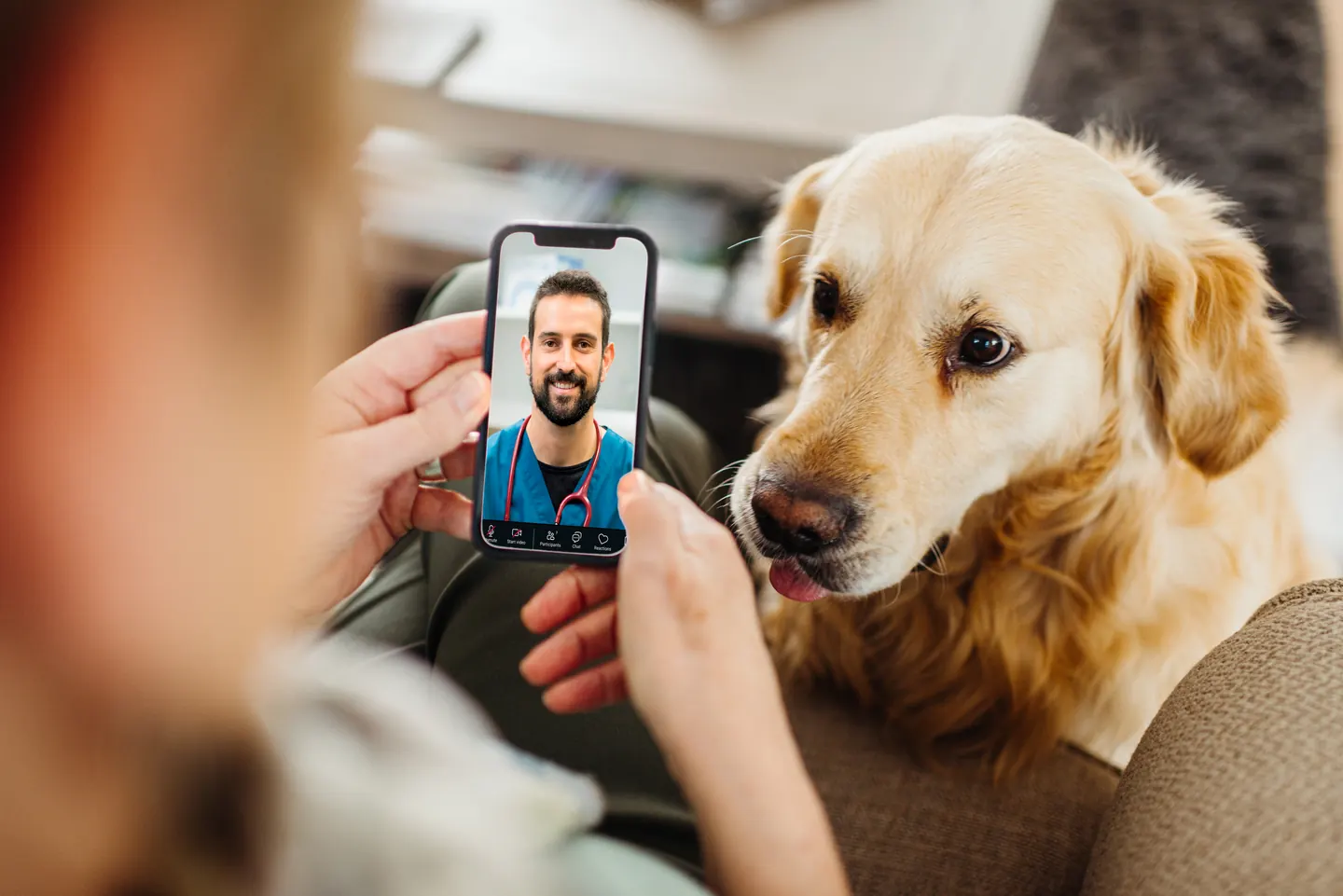
Want a vet's take on your dog's upset stomach?
Talk to a licensed vet at Dutch over video, often the same day. They can recommend treatment and prescribe it when it's appropriate.
Use code Pets60
Plans start at $12/month · covers up to 5 pets
- Licensed vets in most states
- Rx for 150+ conditions
- 4.7 on Trustpilot
Do probiotics actually work for dogs?
Do probiotics work for dogs? The research is still emerging, but specific vet-studied strains do help in defined situations. The core benefits of probiotics for dogs include firmer stools, a faster return to normal after diarrhea, and steadier digestion during stress or a course of antibiotics. Probiotics are not a cure-all, and what they do for a dog depends on the strain, the dose, and the reason you are giving them.
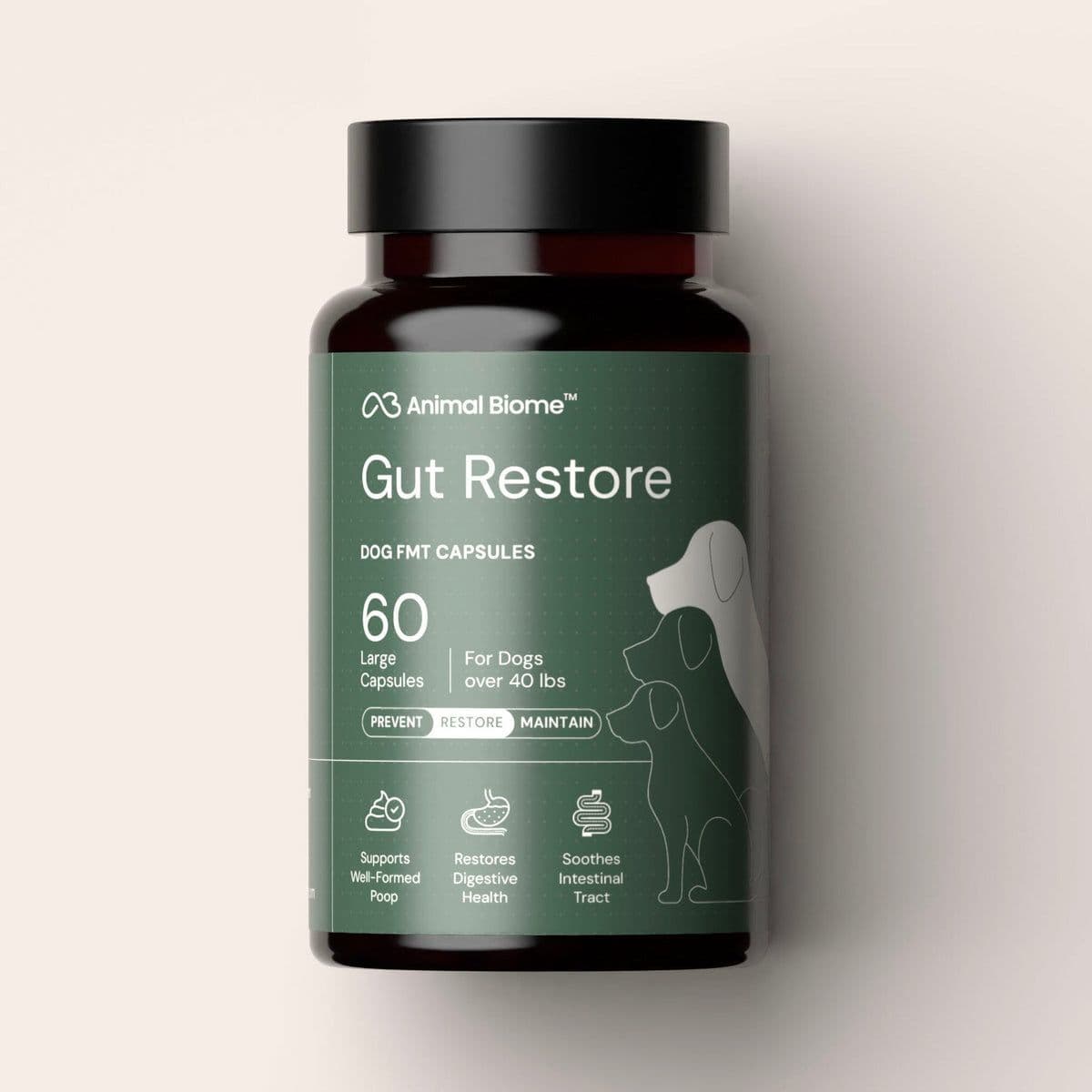
Veterinarian-developed oral fecal microbiota transplant (FMT) capsules that reintroduce a full community of dog-specific gut bacteria; used to support dogs with ongoing soft stools, diarrhea, or recovery after antibiotics.
Webvet may earn a commission when you click through to Animal Biome, at no extra cost to you.
Do probiotics do anything for dogs? Yes, but within limits. Probiotics are live beneficial bacteria that help crowd out harmful microbes, support digestion, and reinforce the lining of the gut. The best evidence shows they can shorten bouts of diarrhea and ease mild digestive upset while the gut microbiome rebalances. They are supportive care, not a cure for serious disease.
Veterinary researchers, including the team at the Cornell Riney Canine Health Center, note that specific probiotic strains can help restore balance to the gut microbiome after stress, a diet change, or a course of antibiotics. What probiotics cannot do is fix a structural problem, clear a parasite, or make a food a dog simply cannot tolerate suddenly agree with them.
If you have browsed the supplement aisle, you have probably seen names like Purina FortiFlora, Nutramax Proviable, and Zesty Paws. These are among the most widely used dog probiotics, and they differ in their strains, potency, and format. Naming a brand is the easy part. Knowing whether your dog actually needs one, and what to verify on the label, is the part that protects both your wallet and your dog.

Here is roughly where the evidence is strong and where it thins out:
- Good support: shortening acute diarrhea, easing mild digestive upset, and helping the gut recover after antibiotics or stress.
- Emerging support: calmer behavior, skin and allergy symptoms, and immune balance, where results look promising but are less consistent between studies.
- Weak or no support: curing chronic disease, replacing a proper diet, or treating an untreated infection or parasite on its own.
Signs your dog needs probiotics
For dogs whose gut issues keep coming back, some owners go a step beyond a single-strain product with AnimalBiome Gut Restore, a vet-developed capsule that reseeds the whole canine microbiome rather than just one or two strains. Talk to your vet before starting one.
How do I tell if my dog needs a probiotic? Most healthy dogs with normal, formed stools do not need one at all. A probiotic becomes worth discussing when your dog shows ongoing signs of an unsettled or imbalanced gut, especially around a trigger like a diet switch, travel, boarding, or a recent medication.
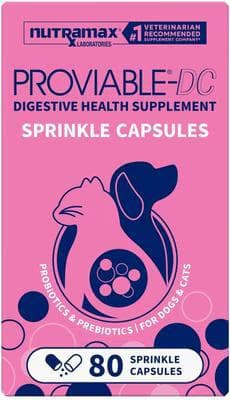
Multi-strain probiotic plus prebiotic sprinkle capsules for dogs and cats; supports digestive balance during diarrhea, diet changes, and antibiotic courses.
Webvet may earn a commission when you click through to Chewy, at no extra cost to you.
Signs of poor gut health in dogs are usually easy to see once you know what you are looking for. Watch for a cluster of these, not just a single off day:

- Loose stools, frequent soft stools, or bouts of diarrhea that come and go
- Excessive gas, loud gurgling belly sounds, or visible bloating
- Occasional vomiting or a picky, up-and-down appetite
- Recent or current antibiotic treatment, which disrupts normal gut flora
- Stress triggers such as travel, boarding, rehoming, or an abrupt new diet
- A dull coat, itchy skin, or recurring anal-gland or yeast issues that seem to track with digestion
 Sponsored
Vet care that's always there
Unlimited video calls and messaging with licensed vets for less than a typical vet visit. One membership covers up to five pets.
Use code Pets60
Plans start at $12/month · covers up to 5 pets
- Licensed vets in most states
- Rx for 150+ conditions
- 4.7 on Trustpilot
How to choose the best probiotic for your dog
What is the best probiotic for dogs? There is no single best product, because the right choice depends on the strains your dog needs and the quality of the manufacturing behind them. In practice, the best probiotic for dogs is one that names its specific strains, guarantees a meaningful CFU count through the expiration date, and is formulated for dogs rather than a human supplement split into portions.

The label is where quality is won or lost, and it is also where most of the marketing hides. When you pick up a package, verify these six things:
- Named strains: look for specific species such as Enterococcus faecium, Lactobacillus acidophilus, or Bifidobacterium animalis, not a vague "proprietary probiotic blend"
- CFU count: a stated number of colony-forming units (CFU), usually in the billions, that is guaranteed through expiration rather than only at the time of manufacture
- Made for dogs: strains and dosing chosen for canine digestion, not a repurposed human product
- Quality signals: a batch or lot number, a real expiration date, and ideally third-party testing or a recognized quality seal
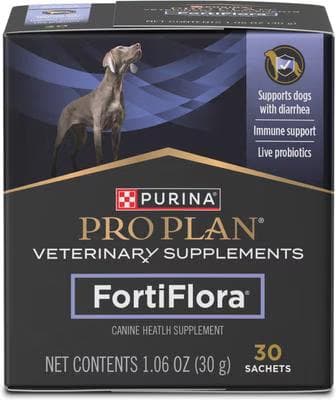
The #1 vet-recommended probiotic for dogs. Daily powder sachets with live probiotics support healthy digestion and firmer stools, and can help dogs coping with diarrhea or GI upset.
Webvet may earn a commission when you click through to Chewy, at no extra cost to you.
- A prebiotic bonus: fibers like inulin or FOS that feed the good bacteria can help, though they are optional
- No junk or overreach: minimal fillers, no added sugar, and no miracle claims about curing serious disease
Types of dog probiotics (and what to give)
What can I give my dog for a probiotic? You have three practical routes: a dedicated dog supplement, a probiotic-fortified food or topper, or a small amount of a naturally fermented food. Each one trades off potency, convenience, and safety in a different way.

The most common forms of dog probiotics are:
- Powders and sachets: sprinkled over food, easy to dose, and often the format used in vet-studied products
- Chews and soft treats: convenient and well accepted, though watch the added calories and any sugar
- Capsules: precise dosing, best for dogs who take a pill without a fuss
- Probiotic-fortified foods and toppers: convenient for maintenance, but usually a lower and unguaranteed CFU count
- Naturally fermented foods: small amounts of plain, unsweetened yogurt or kefir with live cultures
Which is the best natural probiotic for dogs? Plain, unsweetened yogurt or kefir with live active cultures is the most common natural option, and a spoonful can be a reasonable occasional addition for some dogs. Be honest about the limits, though. The live-culture counts are low and inconsistent compared with a formulated supplement, many dogs are lactose sensitive, and you must avoid anything containing xylitol, which is toxic to dogs. Natural does not mean risk-free, and it is no substitute for a targeted product when a dog genuinely needs gut support.
| Option | Potency and consistency | Best for | Watch-outs |
|---|---|---|---|
| Supplement (powder, chew, or capsule) | High; CFU guaranteed through expiration | Targeted gut support and recovery | Cost; choose a dog-specific, strain-named product |
| Probiotic-fortified food or topper | Low to moderate; often not guaranteed | Easy everyday maintenance | May not deliver a therapeutic dose |
| Plain yogurt or kefir (natural) | Low and inconsistent live cultures | Occasional treat for tolerant dogs | Lactose sensitivity; never any xylitol or added sugar |
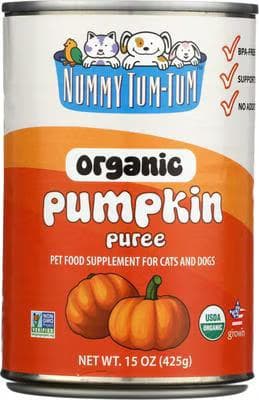
Pure USDA-organic pumpkin puree, no fillers or additives. Adds gentle soluble fiber to firm up loose stool and settle a mildly upset stomach. A simple vet-favorite topper.
Webvet may earn a commission when you click through to Chewy, at no extra cost to you.
Are dog probiotics safe? Side effects to know
Can dogs have too many probiotics? For most healthy dogs, giving too many probiotics is not dangerous, but doubling up on doses can cause temporary gas, bloating, or looser stools until the gut adjusts. Dogs that are immunocompromised or seriously ill should only take probiotics under veterinary guidance.
For most healthy dogs, quality probiotics are very safe, and serious side effects are uncommon. Because they are sold as supplements rather than approved drugs, the FDA does not review them for effectiveness the way it reviews medications, so purity and honesty vary from brand to brand. That is one more reason to stick with a reputable, dog-specific product.
- Mild, temporary gas, soft stool, or bloating can appear in the first few days as the gut adjusts; starting with a low dose helps
- Introduce only one new product at a time so you can tell what is actually working
- Use extra caution in puppies, pregnant dogs, seniors, and any dog with a weakened immune system or a serious illness; check with your vet first
- A probiotic is not a substitute for treating the underlying cause, whether that is a parasite, an infection, or a food intolerance
- Stop and call your vet if symptoms worsen or brand-new symptoms appear after starting a product
Probiotics for dogs with diarrhea
Diarrhea is the single most common reason owners reach for a probiotic, and certain strains genuinely can help shorten a bout of acute, uncomplicated loose stool. Because there is a lot to get right here, from which strains to use to when the diarrhea is signaling something more serious, we cover it in depth in our dedicated guide to probiotics for dogs with diarrhea. Use that guide for the specifics, and see your vet for diarrhea that is bloody, lasts more than a day or two, or comes with vomiting or lethargy.
Probiotics after a course of antibiotics
Antibiotics do not distinguish between harmful bacteria and the helpful residents of the gut, so a course can leave the microbiome depleted and stools loose. Probiotics are commonly used to help that recovery, but the timing and the product choice both matter. Our full guide on dog probiotics after antibiotics explains how to space the doses and rebuild gut flora, so head there if your dog has just finished a prescription.
When and how often to give probiotics
How often a dog should take a probiotic depends on why you are giving it, whether that is a short recovery course or ongoing support, and that timing question really deserves its own answer. Rather than guess, see our guide on when to give a dog probiotics for daily-use guidance and how to fit doses around meals and medications. As a general rule, introduce any new supplement gradually and give it a fair two-to-four-week trial before you judge the results.
Frequently Asked Questions
Do probiotics do anything for dogs?
Yes, within limits. Quality probiotics can support digestion, help crowd out harmful bacteria, and shorten mild bouts of diarrhea. They work best as supportive care alongside a good diet and proper veterinary treatment, not as a cure for serious disease.
What can I give my dog for a probiotic?
You can give a dog-specific probiotic powder, chew, or capsule, a probiotic-fortified food, or a small amount of plain, unsweetened yogurt or kefir with live cultures. A formulated dog supplement delivers the most reliable dose and named strains.
What are the signs that your dog needs probiotics?
Watch for loose stools, gas, bloating, an up-and-down appetite, recent antibiotic use, or stress from travel or a diet change. Persistent or severe signs mean it is time to see your vet rather than self-treat with a supplement.
What is the best probiotic for dogs?
The best probiotic names its specific strains, guarantees a CFU count through expiration, and is made for dogs. Match the product to your dog's issue, choose a reputable brand, and ask your vet if you are unsure which one fits.

Editor
The Webvet Editorial Team is the in-house group of pet-care editors and writers behind Webvet, operated by Smart Pet Collective. The team researches, writes, and maintains Webvet's pet health, behavior, and medication content. Every article follows a defined editorial process: research from reputable veterinary and scientific sources, careful drafting, mandatory review of medical content by a credentialed veterinarian, and dated publication. Health and medication articles are medically reviewed by a licensed veterinary professional before they go live and are kept current over time.
Veterinarian · BVMS MRCVS
Dr. Pippa Elliott, BVMS, MRCVS, is a veterinarian with nearly 30 years of experience in companion animal practice. Dr. Elliott earned her Bachelor of Veterinary Medicine and Surgery from the University of Glasgow. She was also designated a Member of the Royal College of Veterinary Surgeons. Married with 2 grown-up kids, Dr. Elliott has a naughty Puggle named Poggle, 3 cats and a bearded dragon.
Related reading

Gastroenteritis in Cats: Symptoms, Causes, Treatment, and When to See a Vet

Gastroenteritis in Dogs: Symptoms, Causes, Treatment, and Recovery Time

Hemorrhagic Gastroenteritis in Dogs (HGE): Symptoms, Causes, Treatment, and Survival
