Gut Health for Dogs: Soft Stools, Skipped Meals, and Sensitive Stomachs
Spot signs of poor gut health in dogs, understand what causes soft stool, and learn how diet and digestibility support stronger digestive balance.
Medically reviewed by Dr. Athena Gaffud, DVM · Last reviewed

This article contains affiliate links. Webvet may earn a commission when you buy through them, at no extra cost to you.
Gut health for dogs refers to the balance of digestion, intestinal bacteria, and nutrient absorption that supports overall wellness. A dog's digestive system influences appetite, stool quality, immune stability, and daily energy levels. When digestive balance shifts, early clues often appear through soft stools, skipped meals, or occasional stomach sensitivity. These changes sometimes reflect mild digestive imbalance linked to diet quality, stress, or ingredient intolerance.
Understanding how digestion works helps pet parents recognize common causes of soft stools in dogs, identify early digestive changes, and support stronger gut health for dogs through thoughtful nutrition and routine care. Persistent diarrhea or vomiting often warrants a closer look at the underlying causes of digestive upset.
- 1Gut health for dogs covers digestion, intestinal bacteria, and nutrient absorption, all central to daily wellness.
- 2Soft stools, skipped meals, gas, and stomach sensitivity are often the first signs of digestive imbalance.
- 3Sudden diet changes, low ingredient digestibility, and stress are the most common triggers of dog digestive upset.
- 4Most dogs respond well to gradual diet transitions, ingredient simplicity, and balanced nutrition.
- 5Persistent vomiting, diarrhea, or appetite loss always warrants veterinary evaluation.
Signs of Digestive Sensitivity in Dogs
Digestive sensitivity often appears through small but noticeable changes in appetite, stool consistency, or stomach comfort. Recognizing these signs early supports better monitoring of dog digestive health and overall digestive stability.
Soft stools that appear loose or poorly formed often reflect incomplete digestion or temporary disruption in intestinal balance. Occasional diarrhea signals short-term digestive irritation or dietary disruption. Skipped meals and reduced food interest often accompany mild stomach discomfort. Gas, bloating, and audible stomach sounds suggest excess intestinal fermentation. Recurring stomach sensitivity is common in dogs with sensitive stomachs, especially after abrupt diet changes or exposure to a triggering ingredient.
What Causes Soft Stool in Dogs?
Soft stool in dogs is one of the most common digestive complaints, and the cause is usually dietary rather than disease-related. Sudden food changes top the list, since switching brands or formulas in less than a week disrupts intestinal bacteria and produces loose, poorly formed stools within a day or two. Lower-quality ingredients, table scraps, and treats outside a dog's normal diet have a similar effect because the gut hasn't built the enzyme balance to process them efficiently.
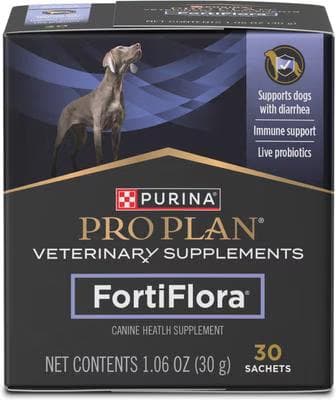
The #1 vet-recommended probiotic for dogs. Daily powder sachets with live probiotics support healthy digestion and firmer stools, and can help dogs coping with diarrhea or GI upset.
Webvet may earn a commission when you click through to Chewy, at no extra cost to you.
Stress is the next most frequent cause. Boarding, travel, a new household member, or a disrupted routine can produce loose stools even when the diet hasn't changed. Soft stool that persists more than 48 hours, contains blood, or appears with vomiting or lethargy warrants a veterinary visit to rule out parasites, infection, or inflammatory bowel disease. For persistent digestive signs, WebVet's guide to inflammatory bowel disease in dogs explains how chronic enteropathy is diagnosed and managed.
Vet-formulated fresh meals delivered to your door. Custom portions tailored to your dog. No fillers, no by-products.
- 50% off your first box
- Custom portion plans tailored to your dog
- Vet-formulated fresh meals made
Trusted by hundreds of thousands of dog parents
Webvet may earn a commission when you click through to Farmers Dog, at no extra cost to you.
Why Gut Health Matters for Dogs
Healthy digestion plays a central role in maintaining overall wellness. Balanced gut health for dogs supports nutrient absorption, microbial stability, immune activity, and stool regulation.
The digestive tract breaks down food into usable nutrients required for body maintenance, growth, and metabolism. Beneficial gut bacteria within the microbiome support digestive stability and help maintain healthy digestion. A large portion of immune function actually occurs within the intestinal lining, where immune cells interact with beneficial microbes. Healthy digestion also produces well-formed stools that reflect balanced nutrition and stable intestinal function.
The Gut-Skin-Allergy Connection in Dogs
Gut health interacts with immune function and may influence skin and ear health in some dogs, though it is rarely the sole cause of recurring skin and ear issues. The gut and immune system are tightly connected, and dysbiosis (an imbalanced gut microbiome) can contribute to systemic inflammation. However, recurrent ear infections, itchy paws, hot spots, yeast overgrowth, and anal gland issues much more commonly trace to environmental allergies, food allergies, parasites, infection, anatomy, endocrine disease, or environment. Gut health belongs in the differential alongside (not above) these primary causes.
Compare coverage choices for your pet, then request a quote directly on Lemonade.
- Check a price for your pet
- Review available coverage choices
- See the terms before you decide
Eligibility, waiting periods, limits and exclusions apply.
Webvet may earn a commission when you click through to Lemonade, at no extra cost to you.
Yeast overgrowth (typically Malassezia) is most often associated with allergies, moisture, anatomy (skin folds), or endocrine disease rather than gut imbalance specifically. The most effective approach to recurring skin and ear issues is a full veterinary workup that considers all the common causes (food allergy trial, environmental allergy testing, parasite check, dermatology referral when needed) rather than assuming gut health is the root cause and treating it in isolation.
 $65 · no membership
Worried about your dog's vomiting or diarrhea?
A licensed vet can examine your dog over video and prescribe treatment online when it's appropriate.
 Talk to a vet
- Licensed vets
- All 50 states
- same-day Rx
Webvet may earn a commission if you book.
Common Causes of Digestive Upset
Digestive disturbances often arise from dietary triggers, environmental changes, or underlying health conditions. Identifying the cause of soft stool in dogs helps guide effective nutritional adjustments and supports veterinary evaluation.
Sudden diet changes are the most frequent culprit because rapid food transitions disrupt the gut microbiome and unsettle digestive balance. Food sensitivities trigger digestive irritation in some dogs, while low ingredient digestibility places greater strain on the digestive tract. Stress and routine disruptions also influence intestinal motility and appetite. Less common but more serious causes include parasites, infections, and inflammatory bowel disease, which contribute to ongoing dog digestion problems that need veterinary diagnosis.
Common Signs of Digestive Imbalance
| Sign | What It Looks Like | Likely Trigger |
|---|---|---|
| Soft stool | Loose, poorly formed, or smearing | Diet change, low digestibility, mild stress |
| Skipped meals | Reduced food interest for 1 to 2 meals | Mild stomach discomfort, environmental stress |
| Gas or bloating | Audible stomach sounds, abdominal pressure | Ingredient fermentation, eating too fast |
| Persistent diarrhea | Watery stool lasting over 24 hours | Parasites, infection, food intolerance |
| Sensitivity flare-ups | Recurring upset after specific foods | Ingredient intolerance in sensitive stomach dogs |
Signs of Poor Gut Health in Dogs
Beyond the obvious digestive symptoms, poor gut health often shows up in less direct ways. Dull or thinning coat, recurring itchy skin, frequent ear infections, low energy, and persistent bad breath all sometimes trace back to imbalance in the gut microbiome. Because the gut interacts heavily with the immune system, ongoing digestive issues can ripple outward into skin, coat, and overall vitality.
The Role of Diet in Gut Health
Nutrition forms the foundation of gut health for dogs. Ingredient quality, nutrient balance, and digestibility influence how efficiently the digestive system processes food and how stable the gut microbiome remains over time.
Webvet may earn a commission when you click through to Chewy, at no extra cost to you.
High-quality protein and carbohydrate sources support efficient digestion and stronger dog digestive health. Balanced nutrient ratios across protein, fat, fiber, vitamins, and minerals promote metabolic stability. Simple ingredient lists reduce exposure to irritants that affect sensitive stomach dogs. Appropriate fat and protein levels support stool consistency and digestive comfort. Dogs with digestive sensitivity often benefit from diets that emphasize ingredient clarity, digestibility, and balanced nutrient composition.
Foods That Naturally Support Gut Health for Dogs
Beyond a balanced base diet, several whole foods can be added in small amounts to support gut health for dogs. The portion table below uses general weight categories (small dog under 25 lbs, large dog over 50 lbs); medium dogs scale between. Always introduce one new food at a time and watch for digestive response over 48 hours before adding another.
Whole Foods That Support Canine Gut Health
| Food | Why It Helps | Daily Portion (Small Dog) | Daily Portion (Large Dog) |
|---|---|---|---|
| Plain canned pumpkin (no spice) | Soluble fiber for stool firming, gentle GI motility | 1 tablespoon | 2 to 3 tablespoons |
| Plain unsweetened kefir | Live probiotic cultures, microbiome diversity | 1 to 2 teaspoons | 1 to 2 tablespoons |
| Bone broth (low or no sodium) | Collagen, gelatin, gut lining support | 2 to 3 tablespoons | 1/4 cup |
| Cooked sweet potato (no butter or salt) | Prebiotic fiber, beta-carotene | 1 tablespoon | 2 to 3 tablespoons |
| Plain unsweetened yogurt | Live cultures, calcium | 1 teaspoon | 1 tablespoon |
| Cooked or raw carrot | Soluble fiber, low-calorie crunch | 1 to 2 slices | 3 to 4 slices |
| Apple slices (no seeds, no core) | Pectin fiber, antioxidants | 1 to 2 slices | 4 to 5 slices |
Vet-formulated fresh meals delivered to your door. Custom portions tailored to your dog. No fillers, no by-products.
- 50% off your first box
- Custom portion plans tailored to your dog
- Vet-formulated fresh meals made
Trusted by hundreds of thousands of dog parents
Webvet may earn a commission when you click through to Farmers Dog, at no extra cost to you.
Fresh Diets and Ingredient Simplicity
Fresh feeding approaches receive increasing attention among pet parents seeking nutritional support for digestive comfort. These diets emphasize recognizable ingredients and cooking methods that support digestibility. Gently cooked recipes preserve nutrients while improving digestibility, and simple ingredient lists reduce exposure to common digestive triggers. Veterinary-guided fresh meal options such as The Farmer's Dog prepare gently cooked recipes using simple ingredients designed to support digestive balance.
These diets represent one example among several nutritional strategies considered when addressing digestive sensitivity. Owners exploring fresh food typically pair it with a slower-than-usual transition window to give the gut time to adjust to richer ingredients.

Tips for Supporting Gut Health in Dogs
Daily care routines and thoughtful feeding habits support long-term digestive stability. These practical strategies help maintain healthy digestion and strong gut health for dogs.
Slow dietary transitions allow intestinal bacteria to adjust and maintain a balanced gut microbiome. Stool quality is one of the most reliable everyday signals, since sudden changes in consistency, color, or frequency warrant closer observation. Consistent feeding routines support stable digestion patterns, and complete, balanced nutrition strengthens intestinal function from the inside out. Persistent vomiting, diarrhea, declining appetite, or ongoing digestive problems in dogs require professional veterinary evaluation.
How to Improve Your Dog's Gut Health
A practical path to better gut health combines three habits: stable nutrition, predictable feeding routines, and careful monitoring. Transition diets gradually over 7 to 10 days, keep treats below 10 percent of daily calories, and stick to consistent meal timing. Veterinarian-recommended probiotics can help during transitions or after a course of antibiotics, but a balanced base diet does most of the work. Most dogs show firmer stools and steadier appetite within one to two weeks of a thoughtful diet adjustment.
For product-level guidance, see our vet-reviewed guides to probiotics for dogs, probiotics for dogs with diarrhea, dog probiotics after antibiotics and when to give a dog probiotics.
Probiotics for Dogs: When They Help, When They Don't
Probiotics for dogs are not a cure-all, but they're genuinely helpful in specific situations. They work best for: post-antibiotic gut recovery, acute GI flare-ups (stress diarrhea after boarding or travel), chronic soft stool that doesn't respond to diet alone, and dogs with diagnosed dysbiosis. They're less consistently helpful as a routine daily supplement for healthy dogs whose diet and gut are already balanced.
When choosing a probiotic, strain and product quality matter more than brand. Veterinary-recommended species include Enterococcus faecium, Bacillus subtilis, and various Lactobacillus strains. Several veterinary-grade products are commonly recommended in U.S. clinics. Always talk to your veterinarian for product selection, especially for puppies, seniors, dogs on other medications, or dogs with diagnosed conditions; specific brand recommendations should come from your dog's vet rather than a general guide.
Vet-formulated fresh meals delivered to your door. Custom portions tailored to your dog. No fillers, no by-products.
- 50% off your first box
- Custom portion plans tailored to your dog
- Vet-formulated fresh meals made
Trusted by hundreds of thousands of dog parents
Webvet may earn a commission when you click through to Farmers Dog, at no extra cost to you.

Firm, well-formed stool does one more job that surprises many owners: it helps empty the anal glands naturally each time your dog passes stool. If your dog scoots on the carpet or you notice a sudden fishy smell, start with our guide to dog anal glands, learn the warning signs of impacted anal glands in dogs, and read up on how to express dog anal glands safely before trying anything at home.
Frequently Asked Questions
What are the signs of poor gut health in dogs?
Common signs include soft stools, inconsistent bowel movements, gas, appetite changes, and stomach sensitivity. Less direct signs include dull coat, itchy skin, recurring ear infections, and bad breath. Persistent digestive symptoms often indicate a disruption in a dog's digestive health.
Can diet affect gut health for dogs?
Yes. Nutrition plays a central role in gut health for dogs, particularly through ingredient digestibility and nutrient balance. High-quality ingredients support healthy digestion and stable stool formation.
Why does my dog have soft stools but seem otherwise healthy?
Temporary stool changes often result from mild digestive disruption, dietary transitions, or environmental stress. Persistent changes lasting more than 48 hours deserve veterinary assessment.
How long does it take to improve a dog's gut health?
Most dogs show firmer stools and a steadier appetite within 1 to 2 weeks of a balanced diet adjustment. Skin and coat improvements from gut-driven inflammation often take 4 to 6 weeks. Persistent symptoms after 2 weeks deserve veterinary evaluation.
Are fresh dog food diets good for dogs with sensitive stomachs?
Fresh diets featuring simple ingredients attract interest among owners of dogs with sensitive stomachs. Veterinary guidance helps determine whether fresh feeding aligns with a dog's digestive needs.
Do dogs need probiotics for gut health?
Most healthy dogs do not need a probiotic supplement if their diet is balanced and complete. Probiotics can help during diet transitions, after antibiotics, or for dogs with diagnosed digestive disorders, but they are not a substitute for high-quality food and consistent routines. Always speak with a veterinarian before adding supplements.
When should I see a veterinarian about digestive issues?
Veterinary consultation becomes important when stool changes persist, appetite declines, vomiting develops, or energy levels decrease. Early evaluation helps identify underlying digestive problems in dogs.
Are gut health supplements worth it for my dog?
It depends on the dog. Probiotics like FortiFlora or Proviable have clear value during specific situations (post-antibiotic recovery, acute GI upset, travel stress) but limited evidence as routine daily supplements for healthy dogs. A quality base diet, consistent feeding routine, and stress management deliver more day-to-day gut benefit than any supplement. Talk to your vet before adding.
Can poor gut health cause skin problems in dogs?
Yes. Roughly 70 percent of immune cells live in the gut lining, so dysbiosis often shows up as chronic itchy paws, recurring ear infections, dull coat, or yeast overgrowth. If your dog keeps having the same skin or ear issue, address gut health alongside surface treatment for lasting improvement.
How much pumpkin should I give my dog for gut health?
Use plain canned pumpkin (not pumpkin pie filling, which contains spices). Small dogs (under 25 lbs) can have 1 tablespoon daily, large dogs (over 50 lbs) 2 to 3 tablespoons. Pumpkin is high in soluble fiber and helps both diarrhea and mild constipation by normalizing stool consistency.
Final Thoughts on Gut Health for Dogs
Maintaining gut health for dogs plays an important role in appetite regulation, stool consistency, immune stability, and overall wellness. Careful observation of digestive patterns helps identify early signs of imbalance affecting digestive comfort.
Balanced nutrition, ingredient digestibility, and consistent feeding routines strengthen the foundation of digestive wellness. Dietary strategies that emphasize ingredient simplicity and balanced nutrition support long-term intestinal stability. Fresh meal options such as those prepared by The Farmer's Dog sometimes appear within veterinary discussions surrounding nutrition strategies for digestive support. Early attention to digestive changes, combined with thoughtful diet management, helps maintain strong digestive balance throughout a dog's life.
$65 · no membershipWorried about your dog's vomiting or diarrhea?
A licensed vet can examine your dog over video and prescribe treatment online when it's appropriate.
Talk to a vet- Licensed vets
- All 50 states
- same-day Rx
Webvet may earn a commission if you book.

Veterinarian · DVM
Athena Gaffud, DVM, is a licensed veterinarian and writer based in the Cagayan Valley of the northern Philippines. She runs the website countryvetmom.com. Dr. Gaffud earned her Doctor of Veterinary Medicine degree from the University of the Philippines Los Baños in 2011, ranking in the top 10 and receiving the Best Undergraduate Thesis Award in Large Animals. With over a decade of experience, she has worked as a researcher, a practitioner for small and large animals, and in veterinary technical sales, marketing, and pet insurance. A published author, Dr. Gaffud promotes responsible pet ownership and combats misinformation on animal care through her platforms, including the DocAthena Facebook Page and DocAthena YouTube channel. She is a writer and editor for various pet-related websites such as Total Vet, Honest Paws, PangoVet, Dogster, Catster, My Best PH, Paw Origins, Bully Max, Not a Bully, Paws and Claws CBD, many others. She was also cited in different pet-related media articles such as The Dog People, USA Today, Newsweek, New York Post, Reader’s Digest, Smithsonian Magazine, Woman’s World, Dog Time, Patch, Kinship, Martha Stewart, and many others. Moreover, she is also a published fiction author on Kindle.


