Transitioning Dog Food: Why Sudden Food Changes Can Upset Your Dog's System
Transitioning dog food too quickly can upset digestion. Use a 7 to 10 day schedule, watch for trouble signs, and learn how to switch to fresh food safely.

This article contains affiliate links. Webvet may earn a commission when you buy through them, at no extra cost to you.
Many dog owners find themselves transitioning dog food several times throughout their pup's life, whether due to health needs, age changes, financial considerations, or simply the desire to try something new. Switching dog food too quickly can cause digestive upset, which isn't fun for the pet or the pet parent.
Switching dog food safely means doing so slowly over a few days so the dog's digestive system has time to adjust. This article covers how to safely transition dog food and provides tips to make the switch smoother.
- 1A safe dog food transition typically spans 7 to 10 days, gradually replacing old food with new at each meal.
- 2Sudden food changes disrupt gut bacteria and can cause vomiting, diarrhea, gassiness, or loss of appetite.
- 3Common transition signs of trouble include diarrhea, soft stools, gas, abdominal pain, and reduced appetite.
- 4Severe symptoms like persistent vomiting, blood in stool, or severe diarrhea warrant immediate veterinary attention.
- 5Sensitive-stomach dogs and dogs switching to fresh food benefit from a longer 10 to 14 day transition window.
Why Sudden Food Changes Can Upset a Dog's Digestive System
The dog's digestive system adapts to specific ingredients over time, which influences its digestive enzymes and the balance of microorganisms (mostly bacteria) in the GI tract. A sudden dietary change can disrupt that balance, leading to gastrointestinal inflammation that impairs nutrient absorption. "Bad" bacteria can also flourish, which further hampers nutrient absorption and leads to loose stools or diarrhea. Gradual dietary changes allow the GI tract to adjust to new ingredients without those side effects.
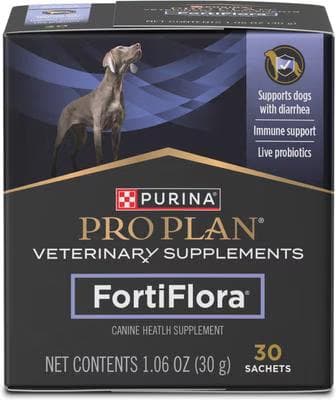
The #1 vet-recommended probiotic for dogs. Daily powder sachets with live probiotics support healthy digestion and firmer stools, and can help dogs coping with diarrhea or GI upset.
Webvet may earn a commission when you click through to Chewy, at no extra cost to you.
Can Switching Dog Food Suddenly Be Dangerous?
For most healthy adult dogs, a sudden food switch is unpleasant but not life-threatening. The typical worst-case scenario is 1 to 3 days of GI upset (loose stools, vomiting, gas) that resolves once the gut adjusts. The realistic dangers come from secondary effects: severe diarrhea leading to dehydration in small dogs, vomiting that triggers aspiration in dogs with megaesophagus or laryngeal issues, or pancreatitis flares triggered by suddenly switching to a much higher-fat food.
Higher-risk situations where sudden switches deserve veterinary input include: dogs with diagnosed GI disease (IBD, chronic pancreatitis), dogs on prescription diets (ask your vet before changing), puppies under 12 weeks (more vulnerable to dehydration), elderly or chronically ill dogs, and any dog with a history of severe reactions to past food changes. The honest answer to 'can switching food kill my dog' is: rarely, but the risk is real enough in vulnerable dogs to make a 7-to-10-day transition the default.
Vet-formulated fresh meals delivered to your door. Custom portions tailored to your dog. No fillers, no by-products.
- 50% off your first box
- Custom portion plans tailored to your dog
- Vet-formulated fresh meals made
Trusted by hundreds of thousands of dog parents
Webvet may earn a commission when you click through to Farmers Dog, at no extra cost to you.
Signs Your Dog May Be Struggling With a Food Change
Signs of Trouble During a Food Transition
If you switch your dog's diet too quickly, your dog can experience digestive upset. Common symptoms include vomiting, diarrhea or loose stools, gassiness, abdominal pain, loss of or reduced appetite, and lethargy. If your dog is eating less mid-switch, these vet-approved ways to increase your dog's appetite during a food change can help. If your dog shows mild symptoms, slow the transition. If severe symptoms appear (repetitive vomiting, blood in the stools, or unmanageable diarrhea), seek veterinary attention promptly.
How to Properly Transition Dog Food
The goal is to transition your dog's food slowly so the digestive system has time to adjust. Throughout the switch, you gradually increase how much of the new food you serve while decreasing the amount of the old food with each meal. A typical dog food transition schedule lasts 7 to 10 days.
Dog Food Transition Schedule
Dog Food Transition Schedule (7 to 10 Days)
| Days | Old Food | New Food | Notes |
|---|---|---|---|
| Days 1-2 | 75% | 25% | Watch stool quality and appetite |
| Days 3-4 | 50% | 50% | Most dogs tolerate this stage well |
| Days 5-6 | 25% | 75% | Slow further if soft stools appear |
| Day 7+ | 0% | 100% | Full transition; continue monitoring |
| Sensitive stomach dogs | Extend each step 1-2 extra days | Total: 10-14 days | Slower is safer for dogs with GI history |
This transition can be slowed further if your dog continues to show signs of gastrointestinal upset. Remember, though, if symptoms are severe or you're concerned, speak with a veterinarian.

Transitioning to Fresh Dog Food
How to Switch to Fresh Dog Food
Pet parents switching from kibble or canned diets to a fresh-food diet often wonder how to make the transition. The basic plan stays the same. Even high-quality fresh foods formulated for dogs like The Farmer's Dog should be introduced gradually. The digestive system still needs time to adjust to richer, more bioavailable ingredients. Follow the same schedule above for most healthy dogs.
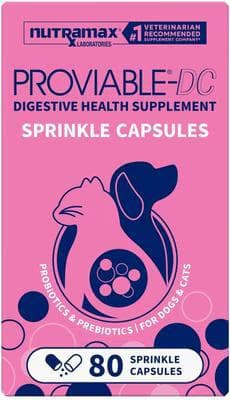
Multi-strain probiotic plus prebiotic sprinkle capsules for dogs and cats; supports digestive balance during diarrhea, diet changes, and antibiotic courses.
Webvet may earn a commission when you click through to Chewy, at no extra cost to you.
Throughout the transition, mealtime routines matter. Feed your dog at consistent times. Pay attention to package instructions for thawing time, how long food keeps after the package opens, how long the food can stay outside the fridge, and any other manufacturer guidelines.
Transitioning Between Different Food Types: Kibble to Fresh, Kibble to Raw
Switching between food TYPES (kibble to fresh, kibble to raw, dry to wet) is harder on the gut than switching brands within the same type. The moisture content, fat ratio, ingredient density, and digestion time all change. Most type-switches benefit from a longer transition window of 10 to 14 days rather than the standard 7. Fresh-food brands like The Farmer's Dog typically recommend the longer window because their meals are richer and more bioavailable than typical kibble.
Compare coverage choices for your pet, then request a quote directly on Lemonade.
- Check a price for your pet
- Review available coverage choices
- See the terms before you decide
Eligibility, waiting periods, limits and exclusions apply.
Webvet may earn a commission when you click through to Lemonade, at no extra cost to you.
Kibble-to-raw transitions are the steepest, and they carry a separate set of safety concerns beyond GI adjustment. Per CDC and FDA guidance, raw, freeze-dried raw, and dehydrated raw diets can carry Salmonella, Listeria, and pathogenic E. coli that pose risk to both the dog and anyone in the household. Raw diets are not appropriate for puppies, senior dogs, dogs on immunosuppressants or chemotherapy, dogs with diagnosed GI disease, or households that include infants, elderly people, immunocompromised people, or pregnant people. If a raw transition is right for a particular dog, work with a veterinarian on both the gradual transition plan and the safe-handling protocols (separate prep surfaces, sanitation, refrigeration). Kibble-to-canned and canned-to-fresh transitions are usually smoother and carry no comparable bacterial risk.
Vet-formulated fresh meals delivered to your door. Custom portions tailored to your dog. No fillers, no by-products.
- 50% off your first box
- Custom portion plans tailored to your dog
- Vet-formulated fresh meals made
Trusted by hundreds of thousands of dog parents
Webvet may earn a commission when you click through to Farmers Dog, at no extra cost to you.
Tips for a Smooth Dog Food Transition
Transitioning dog food doesn't have to be difficult. Follow a gradual transition schedule over 7 to 10 days (longer for sensitive-stomach dogs). Monitor stool quality and adjust the schedule if loose stools appear. Introduce dietary changes one at a time, never multiple simultaneously. Maintain a consistent feeding routine (same place, same time) throughout. Remain calm; dogs read your stress. Consider probiotics during transitions if your veterinarian agrees. If digestive issues persist or are severe, consult a veterinarian.
What If You Don't Have Enough Old Food to Transition?
Running out of the old food before the new bag arrives is one of the most common practical scenarios in dog feeding. Three options work well in most cases. First, buy a small emergency bag of the old food (most pet stores stock samples or smallest sizes) to bridge the transition properly. Second, if the old food is unavailable, use boiled chicken and white rice as a transitional bland diet for 2 to 3 days, mixing in increasing amounts of the new food gradually.
Third, if neither option is feasible, transition the new food faster than the standard 7-day plan: 50/50 with bland food on days 1 to 2, then 75 percent new and 25 percent bland on days 3 to 4, then 100 percent new from day 5. Watch stool consistency closely. If diarrhea develops, slow down. Add a vet-approved probiotic (FortiFlora or similar) for the duration; it meaningfully reduces transition GI upset when you can't do the slow-and-steady approach.

Vet-formulated fresh meals delivered to your door. Custom portions tailored to your dog. No fillers, no by-products.
- 50% off your first box
- Custom portion plans tailored to your dog
- Vet-formulated fresh meals made
Trusted by hundreds of thousands of dog parents
Webvet may earn a commission when you click through to Farmers Dog, at no extra cost to you.
Frequently Asked Questions
How long should transitioning dog food take?
Transitioning dog food usually takes 7 to 10 days. For dogs with sensitive stomachs, plan for 10 to 14 days with smaller daily increments.
What happens if you change dog food too quickly?
Switching a dog's diet too quickly disrupts the balance of bacteria in the gut. This can cause vomiting, diarrhea or loose stools, gassiness, and reduced appetite.
Can some dogs transition food faster than others?
Yes. Some dogs handle transitions faster than others, but a minimum of 7 days is recommended for most. Sensitive-stomach dogs always need a longer window.
Do fresh dog foods require a transition period?
Yes. Fresh dog foods still require a transition period of at least 7 days, and 10 to 14 days is often gentler on the gut due to the richer ingredients.
What should I do if my dog gets diarrhea during a food transition?
Slow the transition. If diarrhea is severe, contains blood, or doesn't improve in 24 to 48 hours, speak with a veterinarian. Vet-recommended probiotics can sometimes help.
Should I give my dog probiotics during a food transition?
Sometimes. Veterinarian-recommended probiotics can help stabilize gut bacteria during a transition, especially for sensitive dogs. Talk to your vet before adding any supplement.
Can I pause a food transition midway?
Yes. If your dog shows GI upset at a particular ratio (say, 50/50), hold that ratio for a few extra days until stools normalize, then continue the transition. Pausing is safer than pushing forward.
Can changing my dog's food too fast be life-threatening?
For healthy adult dogs, sudden food changes typically cause 1 to 3 days of GI upset rather than emergencies. Real risks exist for puppies (dehydration), elderly or sick dogs, dogs with chronic GI disease, and dogs on prescription diets. Bloody diarrhea, severe vomiting, dehydration signs, or extreme lethargy after a food change need same-day vet attention regardless of how minor the change seemed.
What do I do if I don't have enough old food to transition?
Buy a small bag of old food if possible, or use boiled chicken and white rice as a bland bridge diet for 2 to 3 days while mixing in increasing amounts of new food. A vet-approved probiotic like FortiFlora helps reduce GI upset when you can't do the slow-and-steady transition. Watch stool consistency and slow down if diarrhea develops.
How long should I take to transition from kibble to fresh food?
Most fresh-food brands recommend 10 to 14 days for kibble-to-fresh transitions, longer than the standard 7 days. Fresh food is richer and more bioavailable than typical kibble, so a slower transition reduces the risk of GI upset. The Farmer's Dog and similar brands typically include transition guidance in their first shipment.
Final Thoughts on Transitioning Dog Food
Gradually transitioning dog food gives the GI tract time to adjust to new ingredients, which reduces the signs of stomach upset that sometimes accompany food transitions. By following a slow schedule and monitoring stool quality and appetite, most diet changes can be made successfully.
Fresh foods like The Farmer's Dog can be safely incorporated into a dog's feeding routine, but the transition still needs to be gradual. If you have concerns about transitioning your dog's diet, consult a veterinarian for individualized guidance.

Veterinarian · DVM
Athena Gaffud, DVM, is a licensed veterinarian and writer based in the Cagayan Valley of the northern Philippines. She runs the website countryvetmom.com. Dr. Gaffud earned her Doctor of Veterinary Medicine degree from the University of the Philippines Los Baños in 2011, ranking in the top 10 and receiving the Best Undergraduate Thesis Award in Large Animals. With over a decade of experience, she has worked as a researcher, a practitioner for small and large animals, and in veterinary technical sales, marketing, and pet insurance. A published author, Dr. Gaffud promotes responsible pet ownership and combats misinformation on animal care through her platforms, including the DocAthena Facebook Page and DocAthena YouTube channel. She is a writer and editor for various pet-related websites such as Total Vet, Honest Paws, PangoVet, Dogster, Catster, My Best PH, Paw Origins, Bully Max, Not a Bully, Paws and Claws CBD, many others. She was also cited in different pet-related media articles such as The Dog People, USA Today, Newsweek, New York Post, Reader’s Digest, Smithsonian Magazine, Woman’s World, Dog Time, Patch, Kinship, Martha Stewart, and many others. Moreover, she is also a published fiction author on Kindle.
Related reading

Low Calorie Dog Treats: Calories and Portion Guide

Minimally Processed Dog Food: What It Means and Why It Matters

Best Soft Dog Food for Senior Dogs: Gentle, Nutrient-Dense Options
