Dog Eating Less: When Do Dogs Eat Less and What It Means
A dog eating less can reflect seasonal shifts, aging, stress, or routine disruption. See what's normal, what isn't, and how to gently restore appetite.
Medically reviewed by Dr. Athena Gaffud, DVM · Last reviewed

This article contains affiliate links. Webvet may earn a commission when you buy through them, at no extra cost to you.
Sometimes, a dog eating less raises concern among pet parents, yet appetite shifts often occur as part of normal canine life. Dogs occasionally eat less due to environmental changes, aging, stress, or disruptions to their daily routine.
A temporary reduction in food intake does not always signal illness. Many healthy dogs experience mild fluctuations in appetite throughout the year. Understanding the reasons behind a dog's reduced appetite helps pet parents respond calmly and recognize situations that warrant closer attention. This guide explains common factors behind appetite variation and explores why a dog eating less occurs in otherwise healthy dogs.
- 1A dog eating less is often normal: seasonal shifts, aging, stress, and routine changes are the most common explanations.
- 2Warm-weather months and reduced activity naturally lower calorie needs in many dogs.
- 3Senior dogs typically eat less because of slower metabolism and reduced scent and taste perception.
- 4A single skipped meal in an otherwise healthy dog rarely indicates a problem.
- 5Sudden food refusal paired with vomiting, weight loss, lethargy, or behavior changes warrants a same-week veterinary check.
Why Is My Dog Eating Less?
The most common answers fall into four buckets: environment, age, stress, and food appeal. Hot weather and shorter walks reduce calorie needs. Aging slows metabolism and dulls scent and taste perception. Travel, boarding, new household members, or even a small shift in feeding time can quiet a dog's appetite for a meal or two. And sometimes, the food itself is the issue: a less aromatic kibble, an opened bag that's lost freshness, or a recipe that no longer excites a particular palate.
Mild appetite reduction with normal behavior usually reflects one of these factors rather than illness. If weight and energy remain stable, the pattern often represents normal variation that resolves on its own.
Seasonal Changes and Appetite
Seasonal shifts influence metabolism, energy expenditure, and feeding patterns in many dogs. During warmer months, reduced activity and increased environmental heat often lead to a dog eating less than usual. Lower calorie needs naturally reduce appetite in some dogs.
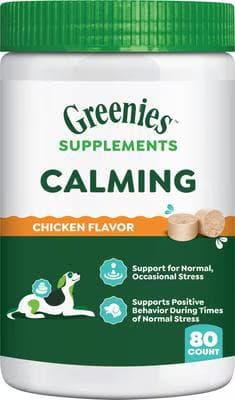
Chicken-flavored soft chew that supports normal, occasional stress and positive behavior during times of normal stress.
Webvet may earn a commission when you click through to Chewy, at no extra cost to you.
Warmer temperatures often reduce energy expenditure and daily caloric demand. Changes in daylight patterns influence activity cycles and metabolism. Hot weather frequently leads to shorter walks and reduced physical activity. Lower energy needs can then translate to a dog eating less during certain seasons. These shifts usually appear gradually and resolve as environmental conditions change.
Vet-formulated fresh meals delivered to your door. Custom portions tailored to your dog. No fillers, no by-products.
- 50% off your first box
- Custom portion plans tailored to your dog
- Vet-formulated fresh meals made
Trusted by hundreds of thousands of dog parents
Webvet may earn a commission when you click through to Farmers Dog, at no extra cost to you.
Aging and Appetite Changes
Aging is another common explanation behind dog appetite loss. Older dogs undergo gradual metabolic changes that affect hunger signals and energy requirements. Reduced activity levels, slower metabolism, and changes in sensory perception frequently alter feeding behavior.
Senior dogs burn fewer calories during daily activities and often spend more time resting than exercising. Aging weakens scent perception, which matters because dogs rely heavily on smell when choosing food. Altered taste perception can also lead to a dog eating less during meals. Reduced scent perception in senior dogs is one of the most common reasons a dog eats less but otherwise acts normal.
Senior Dog Eating Less: What's Normal
Many senior dogs (typically 7+ years) eat somewhat less than they did at their adult peak. Reduced calorie burn, slower metabolism, and dulled scent and taste are the main drivers. The amount of reduction varies widely by individual and breed; some seniors eat noticeably less while others stay close to their adult intake. Senior-formulated diets that emphasize aroma, palatability, and nutrient density help compensate for these shifts. Slightly warming the food (just a few seconds) releases scent molecules and often re-engages an older dog's interest in meals.
Stress and Routine Changes
Environmental disruptions frequently trigger temporary shifts in appetite. Dogs thrive on predictable schedules and familiar surroundings. When routines change, feeding behavior sometimes changes as well.
Moving homes introduces unfamiliar sounds, scents, and routines. Travel or boarding temporarily alters feeding patterns. New pets or family members sometimes increase stress levels. Schedule disruptions, including altered feeding or walking times, also influence appetite signals. Stress-related appetite shifts usually resolve once routine stability returns.
Common Reasons a Dog Eats Less
| Reason | What You'll Notice | Usually Resolves In |
|---|---|---|
| Warm weather or reduced activity | Smaller summer meals, steady weight | Days to weeks, with the season |
| Aging metabolism and dulled senses | Gradual portion reduction in senior years | Long-term: adjust portions to match |
| Travel, boarding, household change | Skipped or partial meals | 1 to 3 days after routine returns |
| Less aromatic food or stale bag | Sniffs food, walks away | Same day if food is refreshed or warmed |
| Illness, pain, or dental issue | Refusal plus lethargy, vomiting, or weight loss | Needs veterinary evaluation |
 $65 · no membership
Worried about your dog's vomiting or diarrhea?
A licensed vet can examine your dog over video and prescribe treatment online when it's appropriate.
 Talk to a vet
- Licensed vets
- All 50 states
- same-day Rx
Webvet may earn a commission if you book.
The Role of Scent and Food Appeal
Dogs rely strongly on scent when evaluating food. Aroma often determines whether a meal appears appealing. Foods with strong natural aroma tend to attract more interest during periods of mild appetite reduction.
Compare coverage choices for your pet, then request a quote directly on Lemonade.
- Check a price for your pet
- Review available coverage choices
- See the terms before you decide
Eligibility, waiting periods, limits and exclusions apply.
Webvet may earn a commission when you click through to Lemonade, at no extra cost to you.
Dogs evaluate food primarily through smell rather than taste. Real, whole ingredients often produce stronger natural aromas. Slight warmth releases scent molecules that increase food appeal. Diets with natural ingredients sometimes stimulate stronger interest, which is why appetite-driven feeding strategies often start with food fragrance. Fresh dog foods made with real ingredients, including options such as The Farmer's Dog, often produce noticeable natural aromas that can help re-engage a dog experiencing mild appetite loss.
Vet-formulated fresh meals delivered to your door. Custom portions tailored to your dog. No fillers, no by-products.
- 50% off your first box
- Custom portion plans tailored to your dog
- Vet-formulated fresh meals made
Trusted by hundreds of thousands of dog parents
Webvet may earn a commission when you click through to Farmers Dog, at no extra cost to you.

When Reduced Appetite Signals a Problem
Occasional appetite fluctuation is often harmless. However, persistent reduction in appetite, accompanied by additional symptoms, warrants veterinary attention.
Abrupt refusal of meals without a clear environmental explanation is a warning sign. Visible weight loss alongside reduced eating warrants prompt evaluation. Vomiting episodes occurring with reduced food intake, low energy or unusual fatigue, and behavioral withdrawal or unusual restlessness all justify a veterinary visit. Veterinary evaluation helps identify the underlying causes of prolonged loss of appetite in dogs and protects overall canine health.
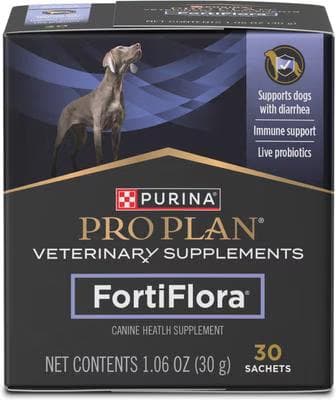
The #1 vet-recommended probiotic for dogs. Daily powder sachets with live probiotics support healthy digestion and firmer stools, and can help dogs coping with diarrhea or GI upset.
Webvet may earn a commission when you click through to Chewy, at no extra cost to you.
When Eating Less Is Normal vs Concerning
Normal appetite reduction is gradual, partial, and accompanied by otherwise stable behavior. The dog still drinks water, still greets you at the door, still wags or plays. Concerning appetite reduction is sudden, complete, or paired with other symptoms (vomiting, diarrhea, lethargy, weight loss, vocalization of pain, or withdrawal). A single skipped meal rarely matters. Two or more, especially with any of the warning signs above, deserves a vet check.
My Dog Drinks Water But Won't Eat: Causes and What to Do
A dog that's drinking but not eating is in a different and more concerning category than picky eating. Drinking water while refusing food can signal mild stomach upset (the safest scenario), dental pain that makes chewing uncomfortable but lets drinking happen normally, nausea that makes food smells aversive while liquids stay tolerable, or early illness like kidney disease, liver disease, infection, or pancreatitis where appetite drops before other symptoms appear.
Time matters here. In the first 24 hours, monitor closely, try warming food slightly to release aroma, and offer a small amount of bland boiled chicken and rice as a low-stakes test. By 48 hours of refusal with continued drinking, schedule a vet call. If your dog also shows lethargy, vomiting, increased thirst beyond normal, pale gums, or any signs of pain, treat it as a same-day vet visit, not a wait-and-see situation. Senior dogs especially earn an earlier vet check; their appetite changes often signal medical issues sooner than younger dogs.
Tips to Encourage Healthy Eating
Small lifestyle adjustments often support healthy feeding behavior in dogs experiencing mild variations in appetite. Regular meal timing supports predictable appetite patterns and reduces dog appetite changes linked to schedule disruptions. Stable diets help maintain digestive balance and feeding familiarity, while regular daily exercise stimulates metabolism and natural hunger signals. Monitor portion sizes carefully. Appropriate portions support balanced energy intake and prevent overeating. Persistent appetite reduction always deserves a veterinary check.
My Dog Won't Eat Food But Will Eat Treats: What's Really Going On
When a dog refuses regular meals but happily eats treats, the cause usually falls into one of three buckets: learned picky behavior, mild physical discomfort that makes hard food less appealing, or food fatigue from the same recipe over months. Treats win because they're more aromatic, softer in texture, novel in flavor, and earned in a high-attention context. From the dog's perspective, holding out for treats is rational behavior.
For most healthy adult dogs, a structured reset can help: stop offering treats or alternatives outside meal times for one week, set a 15 to 20 minute eating window for each meal, then remove uneaten food and watch closely. Many healthy adult dogs will resume eating once a predictable routine returns. The 'reset' approach is NOT appropriate for puppies, toy breeds, diabetic dogs, senior dogs, or any dog showing additional symptoms (vomiting, lethargy, weight loss). Vulnerable dogs need a vet call after a single missed meal rather than a wait-and-see period, since they can decompensate quickly. Dental pain is also a common hidden cause: redness or swelling around the gums, dropping food while eating, or chewing on only one side suggests the food itself is uncomfortable, not the dog being picky.
Vet-formulated fresh meals delivered to your door. Custom portions tailored to your dog. No fillers, no by-products.
- 50% off your first box
- Custom portion plans tailored to your dog
- Vet-formulated fresh meals made
Trusted by hundreds of thousands of dog parents
Webvet may earn a commission when you click through to Farmers Dog, at no extra cost to you.

Frequently Asked Questions
Why is my dog eating less but acting normal?
Mild appetite reduction with normal behavior often reflects environmental factors, routine changes, or reduced activity. If weight and energy remain stable, the pattern often represents normal variation rather than illness.
Do dogs eat less as they get older?
Many do. Aging commonly leads to slower metabolism, reduced activity, and changes in scent and taste perception, which can lower food requirements. The degree of appetite reduction varies widely by individual; some senior dogs eat noticeably less, while others stay close to their adult intake.
Can seasonal changes affect a dog's appetite?
Warmer temperatures and reduced activity often lead to lower calorie needs and reduced appetite. Seasonal shifts in daylight and routine also influence feeding behavior.
Should I worry if my dog skips a meal?
A single missed meal in an otherwise healthy dog usually does not indicate a problem. Two or more missed meals in a row, or any missed meal paired with vomiting, diarrhea, lethargy, or weight loss, deserves a same-week veterinary call.
How can I encourage my dog to eat more?
Consistent feeding routines, regular exercise, and appealing food aroma often improve appetite. Slightly warming food releases scent molecules and helps re-engage interest. Persistent appetite reduction requires assessment by a veterinarian.
What if my dog won't eat but drinks water normally?
A dog that drinks but won't eat is sometimes experiencing mild stomach upset, dental discomfort, or a short-term food aversion. If the pattern lasts more than 24 hours, or comes with any vomiting, lethargy, or weight change, schedule a veterinary check.
Should I force my dog to eat?
No. Forcing a dog to eat creates negative associations with food and bowls, and can worsen the underlying issue. Try warming food, switching to a more aromatic option, or adjusting routine first. If appetite doesn't recover in 24 to 48 hours, see a vet.
Why does my dog refuse food but eat treats?
Treats are softer, more aromatic, and earned in high-attention moments, so they often win over regular meals. Most cases reflect learned picky behavior, mild dental discomfort, or food fatigue. The fix is a structured reset: stop treats outside meal times, set a 15 to 20 minute eating window, and remove uneaten food. If refusal lasts more than 48 hours or comes with weight loss or lethargy, see a vet.
What if my senior dog stopped eating but is still drinking water?
In senior dogs, refused food with continued drinking warrants a same-week vet visit even if the dog seems otherwise stable. Early kidney disease, liver disease, dental infection, and certain cancers often present this way before other symptoms appear. Increased thirst alongside refusal is more urgent and deserves a same-day call.
Could dental pain be why my dog isn't eating?
Yes, and it's often missed. Signs include dropping kibble while eating, chewing on only one side, pulling away when you touch the muzzle, bad breath, and visible redness or swelling along the gums. Dental disease is one of the most common hidden causes of appetite changes in adult and senior dogs. A vet exam usually confirms it within minutes.
Final Thoughts on Dog Eating Less
A dog eating less often happens for understandable reasons: seasonal temperature shifts, age-related metabolic changes, environmental stress, and routine disruptions. Occasional variation in appetite is often a normal part of canine behavior. Understanding the factors behind changes in dog appetite helps pet parents recognize harmless fluctuations and identify warning signs that warrant veterinary attention.
Balanced nutrition, stable routines, and appealing food aroma support healthy feeding habits. Fresh dog food options with real, whole ingredients, including diets such as The Farmer's Dog, sometimes increase interest in meals through stronger scent appeal. Careful observation of appetite patterns allows early recognition of unusual changes and supports long-term canine wellness.
$65 · no membershipWorried about your dog's vomiting or diarrhea?
A licensed vet can examine your dog over video and prescribe treatment online when it's appropriate.
Talk to a vet- Licensed vets
- All 50 states
- same-day Rx
Webvet may earn a commission if you book.

Veterinarian · DVM
Athena Gaffud, DVM, is a licensed veterinarian and writer based in the Cagayan Valley of the northern Philippines. She runs the website countryvetmom.com. Dr. Gaffud earned her Doctor of Veterinary Medicine degree from the University of the Philippines Los Baños in 2011, ranking in the top 10 and receiving the Best Undergraduate Thesis Award in Large Animals. With over a decade of experience, she has worked as a researcher, a practitioner for small and large animals, and in veterinary technical sales, marketing, and pet insurance. A published author, Dr. Gaffud promotes responsible pet ownership and combats misinformation on animal care through her platforms, including the DocAthena Facebook Page and DocAthena YouTube channel. She is a writer and editor for various pet-related websites such as Total Vet, Honest Paws, PangoVet, Dogster, Catster, My Best PH, Paw Origins, Bully Max, Not a Bully, Paws and Claws CBD, many others. She was also cited in different pet-related media articles such as The Dog People, USA Today, Newsweek, New York Post, Reader’s Digest, Smithsonian Magazine, Woman’s World, Dog Time, Patch, Kinship, Martha Stewart, and many others. Moreover, she is also a published fiction author on Kindle.


