Senior Dog Health: Comprehensive Guide To Navigating Your Dog’s Golden Years
Senior dog health depends on noticing small changes early. Use this vet-reviewed guide to plan checkups, support mobility and daily comfort, and recognize symptoms that need prompt veterinary care.

BVMS MRCVS
Medically reviewed by Dr. Pippa Elliott, BVMS MRCVS · Last reviewed

This article contains affiliate links. Webvet may earn a commission when you buy through them, at no extra cost to you.
Senior Dog Health depends less on a single birthday than on noticing change early. As dogs enter the final part of their expected lifespan, their needs shift at different rates. A gray muzzle or a longer nap can be normal, but new thirst, weight loss, stiffness, confusion, or withdrawal deserves attention.
The goal is not to label every change as disease. It is to build a reliable baseline, protect comfort and mobility, and involve your veterinarian before a small problem becomes a crisis. This guide combines a practical home checklist with clear boundaries for routine monitoring, a prompt appointment, and emergency care.
When Is a Dog Considered Senior?
The AAHA canine life-stage guidance defines the senior stage as the last quarter of a dog's estimated lifespan. That approach is more useful than one universal cutoff because size, breed, genetics, and individual health all influence aging. Larger dogs often reach the senior stage earlier, while many smaller dogs do so later.
At what age do dogs slow down? Some dogs show a gradual change in stamina around the time their veterinarian begins calling them senior, but slowing down is not a diagnosis. A dog that suddenly avoids walks, stairs, play, or getting up may be painful or ill. Compare the change with your dog's own normal pattern, then ask your veterinarian whether the timing and degree fit healthy aging.
A senior dog age chart should therefore be a conversation starter, not a medical verdict. Senior dogs of the same calendar age can have very different reserves. Your veterinarian can use body size, medical history, examination findings, and expected lifespan to decide when screening and care should change.
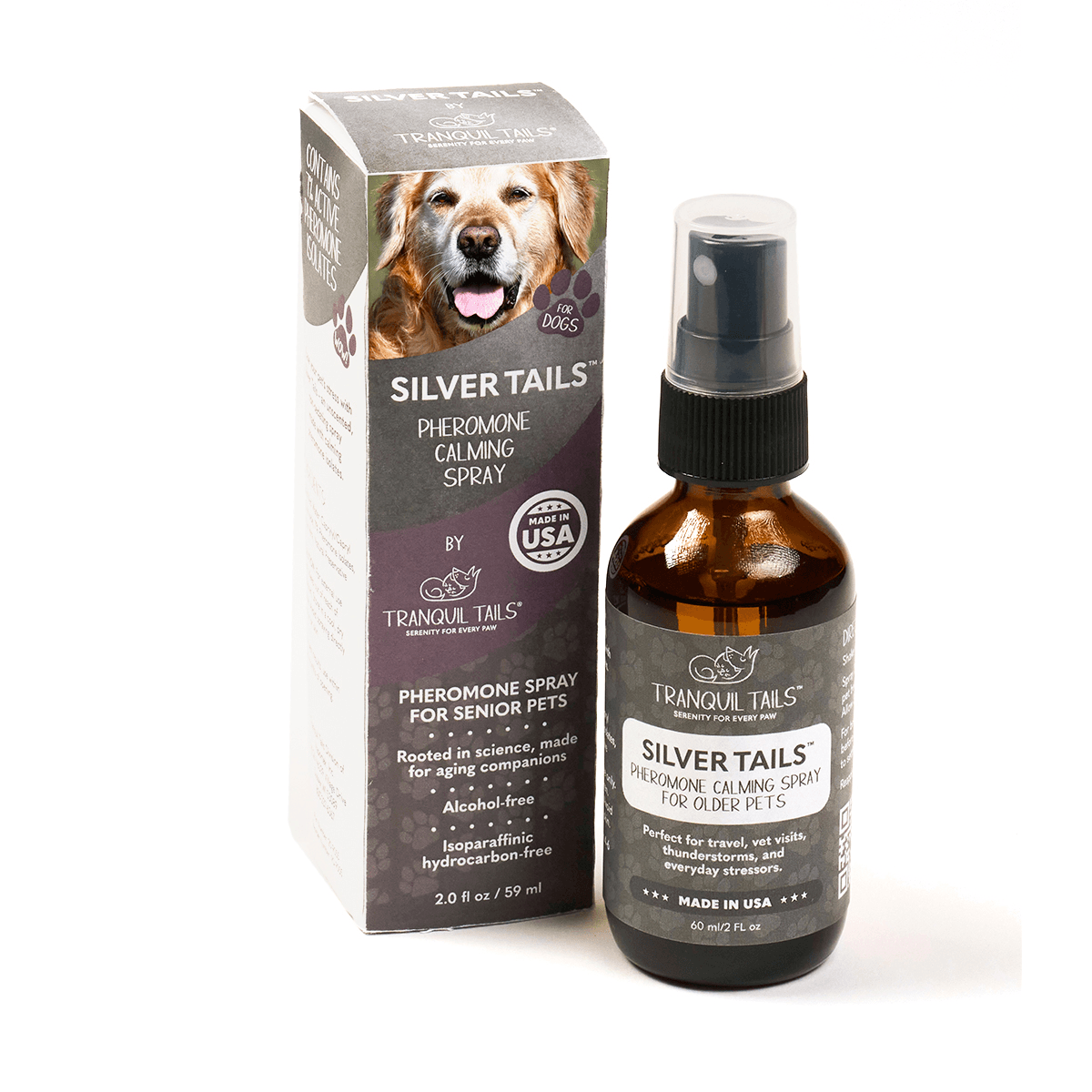
A senior-dog pheromone surface spray for optional calming support. It does not treat pain, cognitive decline or other medical causes of distress.
Webvet may earn a commission when you click through to Chewy, at no extra cost to you.
| Typical adult size | General life-stage pattern | How to use this reference |
|---|---|---|
| Small | Smaller dogs often enter the senior stage later. | Watch the individual trend and ask your veterinarian when senior screening should begin. |
| Medium | Many enter the senior stage between the small- and large-dog patterns. | Use breed, body condition, health history, and expected lifespan together. |
| Large or giant | Larger dogs often enter the senior stage earlier. | Start life-stage discussions earlier and report new mobility or stamina changes promptly. |
Senior Dog Health Checklist
- 1Have a twice-yearly discussion about whether a six-to-twelve-month veterinary reassessment schedule fits your dog.
- 2Track small changes in weight, appetite, thirst, sleep, movement, toileting, and social behavior instead of waiting for one dramatic symptom.
- 3Support lean body condition, muscle, dental health, low-impact activity, traction, and easy access to food, water, and rest.
- 4Call your veterinarian promptly for persistent or sudden changes. Seek emergency care now for collapse, breathing difficulty, uncontrolled bleeding, repeated seizures, or severe distress.

A useful senior dog health checklist is a repeatable system, not a once-a-year memory test. Keep brief notes or a monthly phone photo of your dog's body shape and posture. Bring medication and supplement lists to appointments. Videos of coughing, trembling, hesitation on stairs, or unusual nighttime behavior can help your veterinary team see what may not happen in the clinic.
This senior dog health checklist brings veterinary reassessment, mobility and pain, cognitive changes, nutrition, dental care, and home observations into one repeatable review. It helps the veterinary team compare today's findings with your dog's own baseline instead of treating age alone as the answer. Repeating the same observations over time also makes it easier to separate a stable quirk from a meaningful change in function.
A senior dog health check should combine what you observe with a veterinary wellness examination. The AAHA senior care guidelines emphasize individualized care across nutrition, mobility, cognition, dental health, diagnostics, medication review, and quality of life. Your veterinarian may recommend bloodwork, urinalysis, blood-pressure measurement, imaging, or other tests based on age, history, examination, and risk. No single panel fits every dog.
| Area | Track at home | Discuss with your veterinarian |
|---|---|---|
| Weight and muscle | Monthly weight when practical; waist, ribs, spine, and thigh muscle | Body condition score, muscle condition score, unexplained gain or loss |
| Mobility and pain | Rising, stairs, jumping, footing, walk pace, play, grooming tolerance | Pain assessment, joints, spine, nails, rehabilitation, medication safety |
| Food and water | Appetite, chewing, swallowing, thirst, bowl access | Diet fit, calorie needs, dental pain, increased hunger or thirst |
| Toileting | Urine volume, accidents, stool quality, straining, nighttime trips | Urinalysis, kidney or endocrine screening, pain, incontinence plan |
| Behavior and cognition | Sleep-wake cycle, pacing, confusion, interaction, house training | Pain, sensory loss, canine cognitive dysfunction, household support |
| Skin, mouth, and senses | New lumps, odor, sores, bad breath, chewing changes, vision or hearing changes | Dental examination, lump sampling, skin care, eye and ear assessment |
Signs your senior dog is healthy include stable weight and muscle, comfortable movement, interest in family and surroundings, predictable eating and toileting, restful sleep, and enjoyment of normal activities. The pattern matters more than perfection. A dog with a managed chronic condition may still have an excellent quality of life when comfort, function, and good days remain stable.
Senior dog veterinary care is preventive as well as reactive. Routine visits create the comparison points that make early change easier to detect. The AVMA's senior-pet guidance also encourages owners to report changes rather than assuming they are simply old age.
Prepare for a Senior Wellness Visit
Bring a complete list of foods, treats, supplements, and medications, including doses and timing. Note changes in weight, appetite, thirst, urine, stool, sleep, breathing, movement, and behavior, plus when each change began. Short videos can document coughing, pacing, trembling, stair hesitation, or difficulty rising. Ask which findings should be monitored, which tests are recommended now, and what result would change the care plan. Before leaving, confirm medication instructions, follow-up timing, and the signs that should trigger an earlier call. This preparation helps the veterinarian interpret a brief clinic examination in the context of daily life. For a focused vital-sign baseline, our guide to senior dog breathing and heart rate explains how to record repeatable resting measurements for your veterinarian. See WebVet’s guide to tracking a dog’s respiratory rate over time.

A room-based option for dogs. The standard kit includes scented pads; compatible unscented pads are sold separately. Follow this device's own directions.
Webvet may earn a commission when you click through to Chewy, at no extra cost to you.
Signs Your Senior Dog Needs a Vet
Use urgent versus prompt warning signs to decide how quickly to act. This integrated monitoring framework separates routine tracking, prompt appointments, and emergency signs, then links each concern to a practical next step. Senior dog health symptoms overlap. Increased thirst can accompany hot weather, a medication effect, kidney disease, diabetes, or other conditions. Stiffness can reflect osteoarthritis, a soft-tissue injury, neurologic disease, or nail and paw problems. An online list cannot sort those possibilities safely, so use timing, severity, and impact on function to choose the next action.
If you are unsure, call. A veterinary team can ask focused questions and tell you whether the safest next step is monitoring, an appointment, urgent care, or an emergency hospital. Never give human pain medicine unless a veterinarian specifically directs it; several common products can seriously harm dogs.
 $65 · no membership
Have a health question about your dog?
A licensed vet can assess your dog over video and prescribe online when it's appropriate.
 Talk to a vet
- Licensed vets
- All 50 states
- same-day Rx
Webvet may earn a commission if you book.
Common Health Changes in Senior Dogs
Senior dog health issues often affect more than one system. Osteoarthritis may reduce exercise and muscle, dental pain may reduce eating, sensory loss may look like confusion, and illness may first appear as a behavior change. Pain and mobility observation should focus on trends across ordinary activities, not one staged test. Watch your dog rise, turn, walk on familiar flooring, settle, toilet, and interact when they do not know they are being evaluated. The useful questions are what changed, how quickly it changed, and what function your dog has lost.

How Can You Tell When a Dog Is in Pain?
Look for a pattern of behavior and movement changes: reluctance to rise, shortened steps, lagging on walks, difficulty on stairs, repeated position changes, panting at rest, guarding, flinching, reduced grooming tolerance, reduced interaction, less play, lower appetite, irritability, or withdrawal. Dogs may still eat, wag, and greet you while hurting. Record when the signs occur and share a short video with your veterinarian, who can assess joints, spine, nerves, teeth, abdomen, and other possible sources.
For a deeper mobility plan, see WebVet's guide to senior dog joint pain. Senior dog joint health may involve weight management, tailored exercise, rehabilitation, environmental changes, and veterinary treatment. If your veterinarian recommends a supplement as one part of that plan, compare the label and size options for Cosequin joint-health chewable tablets. The right combination depends on the diagnosis and on kidney, liver, digestive, and medication history.
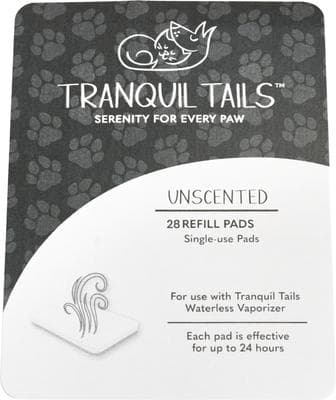
Unscented replacement pads for a compatible Tranquil Tails diffuser, sold separately. These are diffuser pads, not a spray refill or starter kit.
Webvet may earn a commission when you click through to Chewy, at no extra cost to you.
What Is Silent Pain in Dogs?
Silent pain means discomfort without dramatic crying, limping, or refusal to move. Subtle clues may include sleeping away from the family, moving more slowly, hesitating before jumping, licking one area, changing posture, resisting touch, losing interest in play, or seeming unusually quiet or irritable. These signs are not proof of pain by themselves, but a new cluster or steady decline deserves a veterinary assessment. Earlier recognition can protect function and quality of life.
The AAHA pain-management guidelines emphasize regular pain assessment and a plan tailored to the patient. Do not increase, combine, or stop prescribed pain medication without veterinary guidance.
Cognition, Sleep, and Behavior
Canine cognitive dysfunction can cause disorientation, altered interaction, sleep-wake changes, house-soiling, anxiety, pacing, or changed activity. Pain, urinary disease, endocrine disease, hearing loss, vision loss, medication effects, and other problems can look similar. That is why senior dog brain health begins with an examination rather than an assumption, especially when behavior changes suddenly or interfere with sleep, eating, toileting, or safe movement.
If you are learning how to care for a senior dog with dementia, keep the routine predictable, make resources easy to find, use gentle daytime activity, reduce nighttime obstacles, and avoid punishment for accidents or confusion. Ask your veterinarian about diagnosis, environmental support, diet, medication, and quality-of-life tracking. Seek prompt help if the change is sudden because abrupt confusion is not typical slow aging.
A senior-dog pheromone surface spray for optional calming support. It does not treat pain, cognitive decline or other medical causes of distress.
Webvet may earn a commission when you click through to Chewy, at no extra cost to you.
Teeth, Eyes, Hearing, and Lumps
Bad breath, dropping food, chewing on one side, facial swelling, or avoiding hard food can signal dental pain. Home care helps, but it does not replace an examination or professional treatment when disease is present. See WebVet's dog dental health guide for food-texture limits and oral-care context. If your veterinarian says dental chews are safe for your dog's teeth and size, compare the Virbac C.E.T. VeggieDent dental chews.
Cloudiness, bumping into objects, startled responses, or reduced hearing should be checked rather than dismissed. Cloudy eyes in senior dogs can have different causes, and a visual examination is needed. Check the skin during grooming and report a new, fast-growing, firm, bleeding, painful, or changing lump. Appearance alone cannot identify a mass.
Thirst, Urination, Digestion, and Trembling
Measure unusual water intake when practical and note urine volume, accidents, appetite, weight, and medications. A senior dog drinking a lot of water needs veterinary guidance because kidney disease, diabetes, hormonal disorders, infection, medication effects, and other causes require different tests and treatment.

The number-one veterinarian-recommended joint supplement brand. Glucosamine, chondroitin, and MSM support cartilage and cushion the joints, easing the stiffness and hind-end weakness that can leave an older or arthritic dog trembling.
Webvet may earn a commission when you click through to Chewy, at no extra cost to you.
Repeated vomiting or diarrhea, straining, black stool, blood, abdominal pain, or a marked appetite change also needs attention. Trembling can occur with cold, fear, pain, weakness, or illness; the old dog trembling guide explains the next steps. Look at the whole dog, not one symptom in isolation.
Food, Weight, and Muscle
Nutrition weight and muscle monitoring work together. The scale, body condition score, and muscle condition score answer different questions, so use all three when judging whether a food and calorie plan still fits. There is no single diet that every older dog should eat. Some healthy seniors do well on an appropriate adult maintenance food, while others need a senior formula or a veterinary diet for a diagnosed condition. Calorie needs may fall as activity changes, but protein or other nutrient needs should not be restricted casually. Weight loss, muscle loss, chewing difficulty, increased hunger, vomiting, diarrhea, and increased thirst need assessment before a food change becomes the only response.
People searching for senior dogs food or the best senior dog food for joint health are usually comparing broad claims that do not account for the individual dog. Our dedicated senior dog food guide owns that decision, including senior dog food for joint health and senior dog food for brain health. Use it to prepare questions, then choose food with your veterinarian based on body condition, muscle condition, dental comfort, disease history, medications, and complete-and-balanced nutrition.
Monitor the Trend, Not One Number
Weigh portions instead of topping off the bowl by eye. Recheck body weight and muscle after a diet or activity change. A stable scale number can hide muscle loss if body fat is rising, so feel over the ribs, spine, shoulders, and thighs and ask the veterinary team to record both body condition score and muscle condition score.
Exercise and Mental Enrichment
Regular movement supports muscle, joint range of motion, circulation, bowel habits, sleep, and engagement. The safest plan is consistent and adjustable: several shorter walks may suit an older dog better than one long weekend outing. Use warm-up time, good footing, sniff breaks, and weather-appropriate pacing. Stop and seek advice if your dog develops pain, weakness, heavy breathing, collapse, or a recovery time that is clearly longer than usual.
Mental enrichment does not need to be strenuous. Scatter a measured portion of food in a snuffle mat, practice familiar cues, offer safe scent searches, rotate easy food puzzles, or take a slow sniff walk. Keep tasks solvable for dogs with vision, hearing, dental, or mobility changes. Supervise food toys, count the calories, and remove anything your dog might chew apart or swallow.

Make the Home Safer
Practical home safety changes reduce avoidable strain. Put nonslip runners on slick routes, keep nails and paw fur maintained, block unsafe stairs, and use a stable ramp when your dog can use it comfortably. Place food and water where they are easy to reach. Add night-lights for dark hallways and keep furniture layouts predictable for dogs with sensory or cognitive changes.
Choose a supportive bed with a low step-in height and enough space to change position. A low-profile option such as the FurHaven orthopedic dog bed may be easier for some dogs to enter and exit. Keep the bed warm, dry, and away from drafts, but do not isolate a social dog from the household. Washable covers and waterproof layers simplify care. Check the skin over elbows, hips, and hocks in dogs that rest for long periods, especially if they are thin or have limited mobility.

New urine or stool accidents need a veterinary check before they are treated as a training problem. Once the cause is understood, washable bedding, scheduled trips outside, and a properly fitted product may help. See WebVet's guides to diapers for old dogs and dog diapers for poop for fit, hygiene, skin protection, and limitations. For a favorite resting place, a washable layer such as the Pet Parents Pawtect waterproof blanket can protect bedding while the cause of accidents is addressed.
Reassess the setup whenever function changes. A ramp that worked last year may become too steep, and a bowl moved for convenience may confuse a dog with declining vision. The best environment preserves safe independence while keeping family contact, resources, and veterinary care close.
Senior Dog Health Questions
Frequently Asked Questions
Do dogs sleep more as they get older?
Dogs often sleep more as they get older or spread rest across the day as activity and stamina change. A gradual increase can be normal when your dog still wakes easily, enjoys usual activities, eats and drinks normally, and settles comfortably. A sudden sleep change, nighttime pacing, difficulty getting comfortable, weakness, coughing, confusion, or withdrawal needs a veterinary check. Keep a short sleep and activity log, and compare the pattern with WebVet's guide to how much dogs sleep.
Why is my old dog suddenly hungry all the time?
An old dog who is suddenly hungry all the time has a sudden appetite increase that needs a veterinary check rather than an automatic portion increase. Diabetes, hormonal disease, intestinal problems, medication effects, poor nutrient absorption, and other conditions can change hunger. Contact your veterinarian, especially if increased appetite appears with weight and thirst changes, more urination, vomiting, diarrhea, or behavior change. Keep the current diet steady unless the veterinary team advises otherwise, and record portions, treats, weight, water intake, and medications.
What position do dogs lay in when in pain?
Dogs may lay in many different positions when they are in pain, so no single sleeping position proves discomfort. A painful dog may curl tightly, stretch unusually, guard one area, avoid lying on one side, keep getting up, or simply rest more than usual. The more useful evidence is a movement and behavior pattern that includes changes such as stiffness, panting at rest, flinching, withdrawal, or reduced appetite. Take a short video and ask your veterinarian to assess the whole pattern.
Build a Baseline, Then Notice Change
Good senior care is a partnership between daily observation and veterinary medicine. Keep the routines your dog enjoys, adjust the environment as function changes, and protect lean body condition, muscle, comfort, dental health, and social connection. Use the same few observations each week so subtle trends become visible.
Most importantly, do not wait for a dog to look seriously ill before asking a question. Earlier assessment may reveal a manageable problem, and even when a condition cannot be cured, comfort and quality of life can often be supported. Aging is not a disease, and a senior label is not a deadline. It is a prompt to pay closer attention to the dog in front of you.
Sources and Further Reading
$65 · no membershipHave a health question about your dog?
A licensed vet can assess your dog over video and prescribe online when it's appropriate.
Talk to a vet- Licensed vets
- All 50 states
- same-day Rx
Webvet may earn a commission if you book.

Editor
The Webvet Editorial Team is the in-house group of pet-care editors and writers behind Webvet, operated by Smart Pet Collective. The team researches, writes, and maintains Webvet's pet health, behavior, and medication content. Every article follows a defined editorial process: research from reputable veterinary and scientific sources, careful drafting, mandatory review of medical content by a credentialed veterinarian, and dated publication. Health and medication articles are medically reviewed by a licensed veterinary professional before they go live and are kept current over time.
Veterinarian · BVMS MRCVS
Dr. Pippa Elliott, BVMS, MRCVS, is a veterinarian with nearly 30 years of experience in companion animal practice. Dr. Elliott earned her Bachelor of Veterinary Medicine and Surgery from the University of Glasgow. She was also designated a Member of the Royal College of Veterinary Surgeons. Married with 2 grown-up kids, Dr. Elliott has a naughty Puggle named Poggle, 3 cats and a bearded dragon.


