Why Does My Dog Stare at Me?
Do you ever think, "Why does my dog stare at me?" Dogs are known for their endearing and often peculiar behaviors, one of which is staring intently at their owners. You may be well acquainted with those curious eyes following your every move, and sometimes, it can leave you wondering about the reasons behind such behavior.


BVMS MRCVS

This article contains affiliate links. Webvet may earn a commission when you buy through them, at no extra cost to you.
Dogs are known for their endearing and often peculiar behaviors, one of which is staring intently at their owners. You may be well acquainted with those curious eyes following your every move, and sometimes, it can leave you wondering about the reasons behind such behavior.
This article from Webvet serves as a comprehensive guide to understanding the motivations that drive your canine companion to fixate on you. From simple adoration to more complex nonverbal communication methods, explore the different aspects of your dog’s staring habits and uncover the mystery behind the question, “Why is my dog always staring at me?”
Why Does My Dog Stare At Me?
The bond between a dog and their owner is truly special and incredibly multifaceted. Because of this, the reasons behind your dog’s stares vary from just curiosity to deeper emotional connections.
To gain a better understanding of this shared, nonverbal communication, here are a few that may strike a chord with your own experiences.
1. Trying To Sniff Out the Intriguing Odor on You
To comprehend why dogs stare, consider how powerful their sense of smell is. Dogs can perceive almost every detail about us through their noses.
Whether you’ve just come from a run, baked cookies, or had a different pet on your lap, dogs are likely to pick up on these intriguing smells and stare at you, trying to decipher the unique odors you bring to their world.
2. Wholehearted Adoration From Your Pup
Another primary reason for a dog’s earnest gaze is genuine affection. The loyalty and love dogs have for their owners is unmatched.
They adore your company, value your attention, and one of the ways they express this is by maintaining eye contact. It’s their simple and nonverbal method of showing their wholehearted adoration for you.
3. A Longing for a Cozy Lap From Larger Breeds
Size can play an influential role in your dog’s staring behavior. Larger breeds, despite their size, often long for that cozy lap they once fit into as a puppy.
Unable to curl up comfortably on their owner’s laps as they used to, they may compensate by looking at you consistently, making up for the physical bond they yearn for.
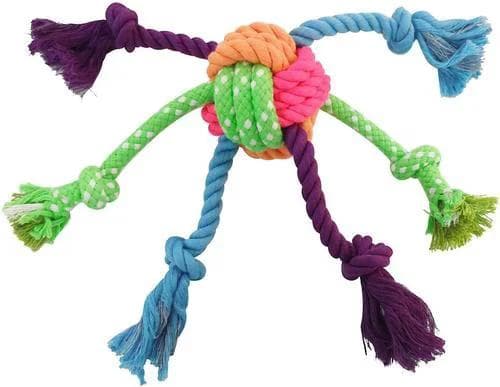
A durable rope-and-knot fetch toy that channels chewing, tugging, and fetch energy into safe play, and the woven rope gives teeth a light scrub.
Webvet may earn a commission when you click through to Chewy, at no extra cost to you.
4. Nonverbal Communication
Your dog’s stare could be their way of trying to communicate with you. Using their expressive eyes, they might be attempting to tell you something they find important, like the need for food, play, or a comforting cuddle.
When your dog is staring at you, take time to look back into their eyes. If they’re trying to tell you something, listen closely for any nonverbal cues that might give away what it is.
5. Behavior During Changes in Routine
Dogs are creatures of routine and are meticulous observers of their surroundings. When changes occur in their routine or environment, dogs often look to their owners for cues on how to react.
If you’ve recently moved to a new house, brought home a new pet, or changed your schedule, your dog might stare at you more frequently, seeking reassurance and guidance in response to the new circumstances.
6. Learning and Predicting Your Habits
Dogs are keen observers who can learn their owner’s daily habits and routines. By watching you closely, they can anticipate when it’s time for a walk, a meal, or a play session.
Staring at you helps them predict these events more accurately, and with enough close observation, they quickly learn when to expect certain activities in their day-to-day lives.
7. Seeking Attention or Affection
Dogs may stare at you to grab your attention or to invite affection. They might want you to pet them or play with them, and by staring, they’re gently signaling their desires.
You’ll often find that when you reach out to pet their head, the staring stops as they’ve achieved their goal of securing your love and attention.
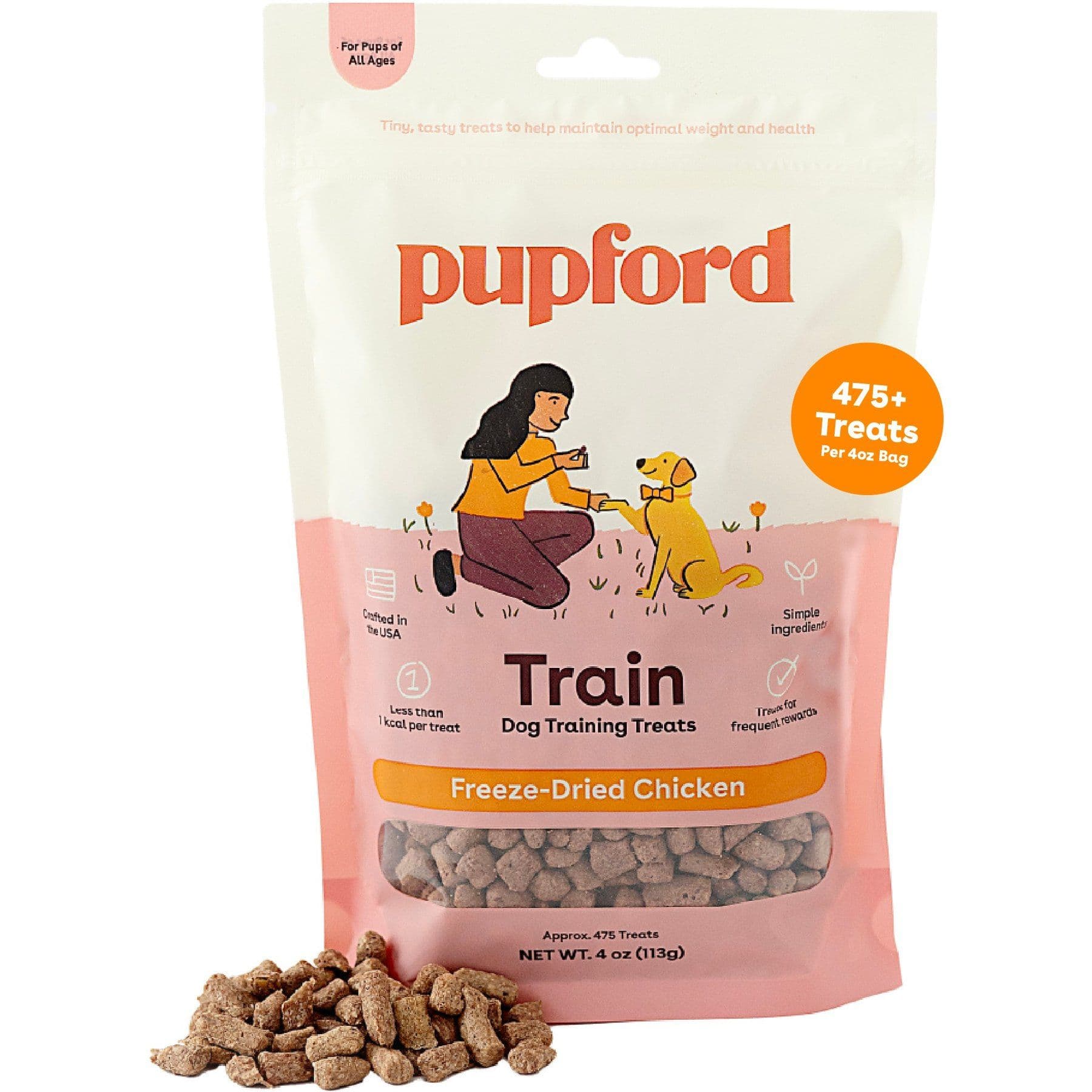
Freeze-dried chicken training rewards with a compact format for rewarding individual repetitions. Check the label for ingredients and feeding directions.
Webvet may earn a commission when you click through to Chewy, at no extra cost to you.
8. Monitoring Your Emotional State
Dogs are empathetic creatures and are sensitive to their owner’s emotions. They may stare at you when they sense that you are feeling sad, stressed, or even happy.
Their gaze in these situations can be a way of offering comfort and support, or joining in your excitement. They are trying to understand your emotional state and adjust their own behavior accordingly.
9. Curiosity and Intrigue
At times, your dog might simply be curious about what you’re doing or feeling intrigued by your actions. Dogs do not share our understanding of many human activities, yet they remain curious about what takes up our attention or time.
Staring in these situations could be their way of trying to figure out our world better or even to learn from us how they could be more involved in our lives.
10. Confusion or Uncertainty
Dogs don’t understand human language, and at times they may stare at you out of confusion or uncertainty, trying to decipher your actions or expectations better.
Staring helps them gather information to better understand their situation or your commands. Remember, dogs are naturally curious.
11. Hunger
If your dog is a foodie, they might be staring at you with longing each time you’re eating, hoping you might share a morsel or two with them. If your dog is staring at you while you’re eating, it could be because they want your attention or because they smell something good.
12. Need for Protection
Dogs may often stare at you while doing their business. During these moments, they’re relatively vulnerable, looking to their trusted owner for protection and reassurance. They may also stare at you if they need to go outside or need some attention.
Dogs often look to their owners for certainty. If your dog is staring at you while doing their business, it could be because they’re looking for protection from larger animals or people who might try to harm them.
13. Mental Conditions
Occasionally, continuous staring, especially in older dogs, could hint at cognitive dysfunction or a form of canine dementia. If you notice your dog staring off into space or at nothing, it could be a sign. Dogs with this condition have difficulty processing information and may appear disoriented.
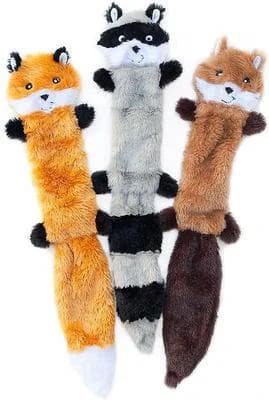
No-stuffing squeaky plush toys that satisfy a dog's urge to shake and carry prey, with no stuffing to shred and scatter.
Webvet may earn a commission when you click through to Chewy, at no extra cost to you.
14. Aggressiveness
Although not common with owners, a dog’s gaze can indicate aggression, especially toward other dogs they perceive as threats. In such cases, they exhibit a stiff body with intense, assertive stares.
Dogs stare at their owners for a myriad of reasons, each reflecting the complex and nuanced relationship between canines and their human companions. Understanding how to interpret and respond to your dog’s unspoken cues will make it easier for you to meet his or her needs.
What To Do When Your Dog Stares at You
Knowing why your dog stares at you can guide you on how to respond when your furry friend sends a gaze your way. Here are steps to take in order to appropriately handle different situations that involve your dog staring at you:
1. Respond to Their Needs
If your dog’s stare is meant to communicate a specific need, like hunger or a desire to play, take the time to accommodate their request.
Ensure they’re well fed, have time to exercise, and receive the affection they long for. Addressing your dog’s needs not only enriches their lives but also reinforces the trust they have in you.
2. Engage in Quality Time
If your dog wants attention or affection, spend quality time by playing, cuddling, or simply petting them. This can strengthen the bond between both of you,
If you have a certain routine for feeding, walking, and playing with your dog each day, stick to it. Dogs are creatures of habit and enjoy knowing what’s expected of them on a daily basis. They will feel more secure when they can depend on their owners for consistency.
3. Assess the Situation
If your dog appears confused, uncertain, or is seeking guidance during a change in routine, pause and assess the situation.
Gently talk to them and offer reassuring physical contact to ease their anxiety or concerns. Help them acclimate to new situations with patience and consistency.
4. Encourage Good Behavior
When your dog stares at you during training or focuses on you for instructions, reward their attentiveness with praise, treats, or a loving gesture. Reinforcing positive behavior encourages their continued focus and willingness to learn.
5. Monitor Your Dog’s Health
If your dog’s staring is accompanied by symptoms that indicate a potential health issue, such as problems with mental faculties, consult your veterinarian to determine the cause and seek appropriate treatment. Early detection and intervention can significantly improve your dog’s quality of life.
6. Address Aggression
In the case that your dog exhibits any signs of aggression while staring, take immediate action to correct this behavior. Consult a professional dog trainer or behaviorist for guidance on addressing aggressive tendencies and maintaining a harmonious home environment.
By responding appropriately to your dog’s stares, you can establish a deeper emotional connection and a more balanced relationship with your canine companion. Their unspoken language can now serve as a tool for improved communication, enhancing the special bond you both have nurtured.
Encouraging Eye Contact While Training
Eye contact plays an integral role in the communication and bonding process between dogs and humans. During training sessions or casual interactions, fostering a healthy eye contact habit is important to enhancing:
- Trust
- Cooperation
- Responsive Behavior
Here are a few tips on how to encourage eye contact while keeping your dog’s unique personality and needs in mind:
1. Developing Trust Between Dogs and Humans
Building trust with your dog is a gradual process, and eye contact is a valuable tool to help facilitate this connection. To establish a solid foundation of trust, start by engaging in enjoyable activities and maintaining a calm, positive demeanor.
Pay attention to your dog’s body language and nonverbal cues, and respond accordingly, creating a mutual understanding of each other’s needs.
2. Appropriate Case-by-Case Encouragement Techniques
Every dog is different, with unique ways of engaging with their owner. Below are several approaches to encouraging and reinforcing healthy eye contact:
- Treat Luring: Hold a treat in your hand and place it near your face, close to your eyes. As your dog looks up to the treat, simultaneously use a verbal cue like “watch me” or your dog’s name. Reward your dog with the treat and positive reinforcement as soon as they make eye contact with you.
- Capturing: Whenever your dog spontaneously makes eye contact with you, acknowledge it with a cue word, like “yes” or “good,” and reward them immediately. Repeat this process to reinforce the desired behavior. Your dog will soon learn that initiating eye contact leads to positive outcomes.
- Shaping: If your dog is too shy or hesitant to make eye contact, start with smaller steps, praising them for looking in your general direction. Gradually raise your expectations, rewarding them only when they’ve grown bolder, meeting your eyes more directly.
Over time, your dog will become more comfortable with eye contact, associating the behavior with a positive response.
- Toy Focus: Similar to the technique involving treats, for dogs who adore playing with toys, incorporate their favorite toy into the training session, holding it close to your eyes. As your dog fixates their gaze on the toy and meets your eyes, use a verbal cue before treating them with a brief play session or the toy itself.
Remember that patience is critical. Some dogs might take longer before they feel comfortable with direct eye contact. Consistent and positive reinforcement during training can help establish a bond of trust between you and your dog, which will lead to better responsiveness when commands are given.
Adapting your approach to suit your dog’s individual needs will promote healthier communication and make life with them more fulfilling.

Daily dental chews with a porous, ridged texture designed to help clean teeth and reduce tartar buildup as part of an at-home oral-care routine.
Webvet may earn a commission when you click through to Chewy, at no extra cost to you.
Why Does My Dog Always Stare at Me?
Living with dogs is truly an extraordinary experience, painted with mutual respect, understanding, trust, and profound affection.
As this fascinating connection is explored, the emotional intelligence of canine companions become more apparent. Dogs always want to connect with and navigate the world alongside their treasured human partners. Each glance is a testament to the incredible, cooperative bond dogs and humans have fostered over thousands of years — a partnership that’s both nurturing and mutually beneficial.
Feature Photo by Mia X/Pexels
FAQs
Why do dogs stare at their owners?
Dogs can stare at their owners for various reasons, such as seeking attention, conveying confusion, bonding, searching for guidance, or expressing their needs. By interpreting these cues, owners can better cater to their dog's emotions and needs.
How can I teach my dog to make eye contact during training?
There are several methods to encourage eye contact, such as treat luring, capturing, shaping, and toy focus. These techniques involve positive reinforcement, gradual progress, and adapting to your dog’s unique personality.
What should I do when my dog stares at me?
When your dog stares at you, it's essential to respond appropriately based on the situation. Assess their needs, spend quality time together, help them adapt to new scenarios, or address health and behavior concerns if necessary. These steps foster a deeper emotional connection and balanced relationship.
Frequently asked questions
Should I stare back when my dog stares at me?
With your own dog, soft, relaxed eye contact is usually fine and can feel like a shared moment of affection. Keep your face and body loose, blink normally, and break the gaze gently. Avoid a hard, prolonged stare at an unfamiliar or tense dog, since a fixed glare can read as a threat and trigger a defensive response.
How can I tell if my dog is bonded to me?
A bonded dog seeks you out, follows you between rooms, settles calmly near you, and checks in with relaxed eye contact and a loose, wiggly body. Greeting you happily, bringing you toys, and relaxing enough to sleep in your presence are all signs of a secure attachment rather than a problem.
How do dogs say I love you?
Dogs show affection through soft, lingering eye contact, leaning into you, gentle tail wags, relaxed body language, and wanting to be close. Research suggests that mutual gazing between dogs and their people raises oxytocin, the bonding hormone, in both. A calm, loving stare really can be your dog's version of a hug.
What is the 7-7-7 rule for dogs?
The 7-7-7 rule is an informal socialization guideline, not a veterinary diagnosis. It suggests that by about 7 weeks of age a puppy should have experienced 7 surfaces, 7 new places, 7 types of people, and similar categories of safe exposure. Early, positive experiences help a dog grow into a confident adult who reads people and situations well.
Can dogs sense a good person?
Dogs cannot judge morality, but they are very good at reading body language, tone of voice, scent, and how someone treats them and their owner. A dog staring at a new person is often gathering this information. Calm, predictable, friendly behavior tends to earn a dog's trust, which is why your dog may watch a stranger closely before relaxing.
Related reading
Staring is just one signal in a much bigger conversation. For the full picture, start with our guide to dog body language, then explore how dogs talk to us through their canine vocabulary and what science says about canine cognition. If your dog's stare comes with stiff posture and raised fur, learn what raised hackles (piloerection) are really telling you.

Wendy Toth is an entrepreneurial writer, editor, and mom of two humans, two dogs and one cat. She’s currently Content Director here at PetFul. For the last 15 years she has held positions at Parents Magazine, NBC, PetSmart, and GreatPetCare, where she was co-founder. Her writing has appeared in many national outlets including Pet Lab Co., Retail Me Not, Ask Men, Wild Society Nutrition, and The New York Times. Because she loves her work so much, she’s obsessed with helping others find career fulfillment, and covers it regularly at PowerSuiting.
Veterinarian · BVMS MRCVS
Dr. Pippa Elliott, BVMS, MRCVS, is a veterinarian with nearly 30 years of experience in companion animal practice. Dr. Elliott earned her Bachelor of Veterinary Medicine and Surgery from the University of Glasgow. She was also designated a Member of the Royal College of Veterinary Surgeons. Married with 2 grown-up kids, Dr. Elliott has a naughty Puggle named Poggle, 3 cats and a bearded dragon.


