Why Does My Dog Constantly Lick Me? How To Prevent Unwanted Dog Licking
Understanding and Addressing Your Dog’s Licking Habit


BVMS MRCVS

This article contains affiliate links. Webvet may earn a commission when you buy through them, at no extra cost to you.
If you’ve ever wondered, “Why does my dog constantly lick me?” and how to prevent unwanted dog licking, you’re not alone.
Many dog parents are familiar with the scene: Just as they settle down on the couch or step through the door, their furry friend is right there, enthusiastically offering a cascade of doggie kisses. While this slobbery affection can be endearing to some, the constant licking can become overwhelming for others.
Personal comfort, hygiene, or allergies might lead you to ask, “How can I get my dog to stop licking me?” The desire to curb this behavior doesn’t make you a “mean” pet parent but a responsible one seeking balance in your relationship with your pup.
This article from Webvet shares the reasons why dogs lick, why you might want to discourage it, and most importantly, effective strategies to help curb your dog’s excessive licking. See WebVet’s guide to why a dog licks your feet.
However, it’s important to remember that every pet is unique. What works for one may not work for another. But with a consistent and positive approach, it’s possible to shape your dog’s behavior for the better.

A durable rope-and-knot fetch toy that channels chewing, tugging, and fetch energy into safe play, and the woven rope gives teeth a light scrub.
Webvet may earn a commission when you click through to Chewy, at no extra cost to you.
The Science Behind Dogs’ Licking Behavior
To manage your dog’s licking habit, we first need to talk about why they do it.
Dogs primarily use their mouths and noses to interact with the world around them, and licking is an integral part of this exploration.
Natural Instincts
In the early stages of their lives, puppies experience their mother’s licking as a form of care — it’s how they’re cleaned, stimulated to start breathing, and encouraged to feed.
Consequently, as they mature, dogs often maintain licking as a form of social interaction and bonding with those they consider part of their pack.
Affection and Submission
Dogs also lick to show affection and submission. In a pack, lower-ranking dogs would often lick the more dominant members as a peaceful gesture, signaling their acceptance of the pack hierarchy. Similarly, your pet might be trying to tell you they see you as their leader and are comfortable in their subordinate role.
Seeking Attention
Another motivation for licking could be your dog’s attempt to get your attention. If your dog gets a positive response (for example, petting or verbal praise) when they lick you, they might associate the action with receiving attention and continue doing it.
Taste
It’s also worth noting that dogs might find the taste of human skin appealing due to the salty flavor from our sweat.
Stress or Boredom
Lastly, excessive licking could be a sign of stress or boredom. Much like humans resort to habits like nail-biting in stressful situations, dogs might lick as a “self-soothing” mechanism.
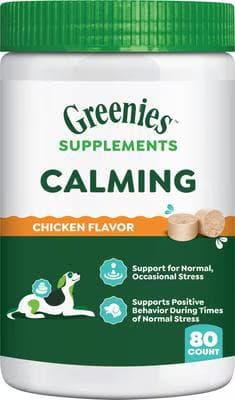
Chicken-flavored soft chew that supports normal, occasional stress and positive behavior during times of normal stress.
Webvet may earn a commission when you click through to Chewy, at no extra cost to you.
Understanding these reasons can provide insight into your dog’s behavior, helping you address their licking habit more effectively.
How To Prevent Unwanted Dog Licking
Despite its roots in natural dog behavior, excessive licking might not always be welcome. There are several reasons you might prefer to discourage your furry friend from showering you with these slobbery affections:
- Hygiene Concerns
- Personal Comfort
- Allergy Issues
- Behavioral Standards
Strategies To Stop a Dog From Licking You
If you’ve reached the point of wondering, “How can I get my dog to stop licking me?” here are some practical strategies that can assist you in training your dog not to lick.
Approach this with patience and consistency to be sure your dog understands the behavior you’re promoting.
Consistent Training
Consistent, positive reinforcement training stands as one of the most effective ways to discourage constant licking. This method involves rewarding your dog for showing the desired behavior — in this case, not licking — and either ignoring or redirecting them when they start licking.
Over time, your dog will begin to associate not licking with positive experiences and rewards, which should help reduce the behavior.
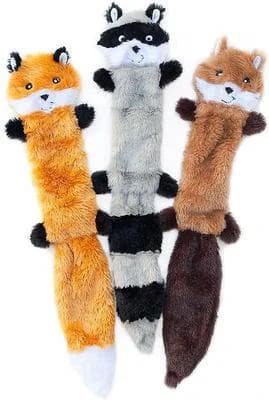
No-stuffing squeaky plush toys that satisfy a dog's urge to shake and carry prey, with no stuffing to shred and scatter.
Webvet may earn a commission when you click through to Chewy, at no extra cost to you.
Distraction Techniques
If your dog starts to lick excessively, employing distraction techniques can be an effective short-term solution. Redirect their attention to a toy or task. This strategy not only interrupts the licking but also provides your dog with a constructive outlet for their energy.
Use of Commands
Training your dog to understand commands such as “no” or “enough” can be beneficial in stopping the dog from licking you. Initiate by using the command when they begin to lick, then distract them or redirect their attention. Reward them when they respond correctly to the command.
Rewarding Good Behavior
Rewarding good behavior promptly and consistently is key. Whether it’s a treat, a favorite toy, or praise, rewarding your dog will reinforce the positive behavior and motivate them to repeat it.
Avoid Punishment
When considering how to train your dog not to lick, avoid punishments. Negative reinforcement can lead to confusion or fear, potentially making the issue worse or creating new ones.
Remember, training is a process that takes time and patience — it’s about communication and teaching. Stay consistent and positive, and over time, you’re likely to see progress.
When to Seek Professional Help
While the strategies discussed above can be effective in managing your dog’s licking behavior, there may be times when professional help is needed.
If you’ve tried the techniques and still find yourself asking, “Why does my dog lick constantly?” it might be time to consult a professional.
Veterinary Consultation
Excessive licking can sometimes be indicative of underlying health issues, including skin conditions, allergies, or gastrointestinal problems.
If your dog’s licking is focused on a specific body part, appears obsessive, or is accompanied by other signs of distress (like changes in appetite, behavior, or irregular bowel movements), it’s recommended to consult a vet to rule out medical causes.
Behavioral Specialist
If your dog’s health is cleared by a vet but the excessive licking persists, consider seeking help from a canine behaviorist or a professional dog trainer. These experts can provide customized training plans and help you understand the root of the behavior, whether it’s anxiety, boredom, or a learned habit.
Final Thoughts
Understanding why dogs lick can be interesting but also a bit tough, especially when your dog licks too much. Many people face the same problem. But remember, all dogs are different, so what works for one may not work for another. The trick is to be patient, consistent, and positive.
With the right approach, you can help your dog behave better without stopping them from being themselves. This way, you both can keep enjoying the special friendship you share.
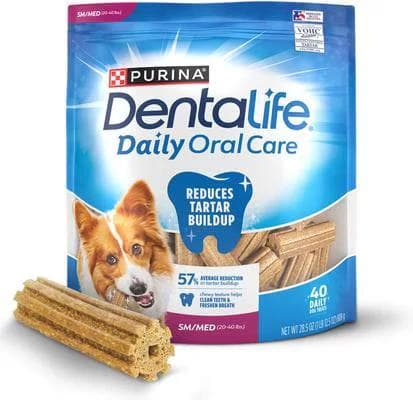
Daily dental chews with a porous, ridged texture designed to help clean teeth and reduce tartar buildup as part of an at-home oral-care routine.
Webvet may earn a commission when you click through to Chewy, at no extra cost to you.
FAQs
Can a dog’s diet influence their licking behavior?
It hasn’t been studied but it could be possible a dog’s diet can influence their licking behavior. Excessive licking could be a sign that your dog is missing certain nutrients from their diet, leading them to seek it elsewhere.
Can my dog’s licking behavior be linked to their age?
Indeed, a dog’s age can impact its licking behavior. Puppies often lick more as they are exploring the world around them
Are certain breeds more prone to excessive licking than others?
Yes, some dog breeds can be more prone to excessive licking than others due to their temperament. Breeds like labrador retrievers, golden retrievers, and border collies are known to display more licking behavior.
Links/Sources:
Frequently asked questions
What deters dogs from licking?
The most reliable deterrent is consistency, not a product. The moment your dog starts licking, calmly turn away, withhold attention, and redirect to a sit or a chew. Because licking is usually reinforced by your reaction, removing that reward works better than any spray. Pet-safe bitter deterrents can discourage licking of a specific spot or wound, but they do not address the underlying habit and should not be relied on alone.
What is considered excessive licking for a dog?
Occasional licking is normal canine communication. It becomes excessive when it is hard to interrupt, focuses repeatedly on one body part (often the paws, legs, or belly), continues when your dog is alone, or causes hair loss, redness, or raw skin. Licking that escalates suddenly or seems compulsive warrants a veterinary exam, since allergies, pain, nausea, and anxiety are common drivers.
What taste do dogs hate that can stop licking?
Most dogs dislike bitter flavors, which is why commercial pet deterrent sprays use bitter apple or similar bittering agents. These are formulated to be safe and are meant for surfaces, bandages, or a specific spot a dog is overgrooming. Avoid homemade citrus, vinegar, or hot-pepper mixes, which can irritate skin and eyes. If a dog is licking a wound or hot spot, ask your veterinarian before applying anything topical.
How do you stop compulsive licking in dogs?
Compulsive licking (of you, objects, or themselves) is treated by finding the cause first. Rule out medical triggers such as skin allergies, pain, dental disease, or gastrointestinal upset with your veterinarian, then address boredom and stress through daily exercise, enrichment, and reward-based redirection. For true canine compulsive disorder, a vet or veterinary behaviorist may add behavior modification and, in some cases, medication. Punishment tends to increase anxiety and make licking worse.
Related reading
Licking is one signal in a much larger conversation. To read the whole picture, start with our guide to dog body language, then explore why dogs lick ears and what excessive drooling can mean for health. You can also decode the sounds behind the behavior in our look at canine vocabulary.

Wendy Toth is an entrepreneurial writer, editor, and mom of two humans, two dogs and one cat. She’s currently Content Director here at PetFul. For the last 15 years she has held positions at Parents Magazine, NBC, PetSmart, and GreatPetCare, where she was co-founder. Her writing has appeared in many national outlets including Pet Lab Co., Retail Me Not, Ask Men, Wild Society Nutrition, and The New York Times. Because she loves her work so much, she’s obsessed with helping others find career fulfillment, and covers it regularly at PowerSuiting.
Veterinarian · BVMS MRCVS
Dr. Pippa Elliott, BVMS, MRCVS, is a veterinarian with nearly 30 years of experience in companion animal practice. Dr. Elliott earned her Bachelor of Veterinary Medicine and Surgery from the University of Glasgow. She was also designated a Member of the Royal College of Veterinary Surgeons. Married with 2 grown-up kids, Dr. Elliott has a naughty Puggle named Poggle, 3 cats and a bearded dragon.


