Cat Probiotics: Benefits, Best Types, and Dosing
Do cats need probiotics? This vet-reviewed guide to cat probiotics covers what they do, proven strains like Enterococcus faecium SF68, how to choose the best type, and how to give them safely every day.

BVMS MRCVS
Medically reviewed by Dr. Pippa Elliott, BVMS MRCVS · Last reviewed

This article contains affiliate links. Webvet may earn a commission when you buy through them, at no extra cost to you.
WebVet may earn a commission from qualifying purchases made through links on this page, at no additional cost to you.
If you have ever watched your cat battle a bout of diarrhea after a course of antibiotics, you have probably wondered whether cat probiotics could help. These supplements have moved from the fringe to the mainstream, and many veterinarians now reach for a clinically studied strain when a cat's digestion goes sideways. Still, probiotics are not a cure-all, and the right product depends on your cat's specific problem.
This vet-reviewed guide explains what probiotics actually do inside a cat's gut, which cats benefit most, how to read a label for a proven strain, and how to give them safely every day. Well-known options such as Purina FortiFlora, Nutramax Proviable, and Zesty Paws cat probiotics appear again and again in vet clinics, but the label details matter more than the brand on the box.
- 1Probiotics are live beneficial bacteria that help rebalance a cat's gut microbiome after antibiotics, stress, or digestive upset.
- 2The most evidence-backed feline strain is Enterococcus faecium SF68, found in many vet-recommended products.
- 3Choose by CFU count, a proven strain, the NASC seal, and a form your cat will actually eat.
- 4Daily use is generally safe for healthy cats, but bloody diarrhea, weight loss, or an immunocompromised cat means see your vet first.
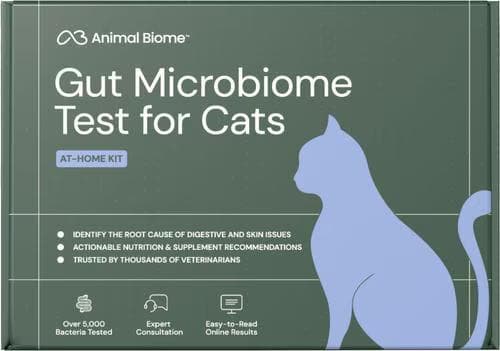
At-home gut microbiome test for cats that sequences the fecal microbiome and returns diet and supplement guidance. Used to investigate chronic digestive or skin issues at the root.
Webvet may earn a commission when you click through to Chewy, at no extra cost to you.
Do Cats Need Probiotics? Benefits Explained
Not every cat needs a daily probiotic, but many go through periods when one helps. Probiotics are live microorganisms that, when given in adequate amounts, support gut microbiome balance. In cats, the best-studied strains belong to the Enterococcus faecium and Bifidobacterium families, and they work by crowding out harmful bacteria, supporting the intestinal lining, and helping firm up loose stool.
So what does a feline probiotic actually do? A quality product reintroduces beneficial bacteria that everyday life can deplete. According to the Merck Veterinary Manual, probiotics can help shorten bouts of diarrhea and support recovery when the normal gut flora is disrupted. They do not replace veterinary care for a sick cat, but they can ease the day-to-day symptoms of an unsettled stomach and shorten the road back to normal digestion.
So should your cat take probiotics? The cats that benefit most share a common thread: their gut balance has been knocked off course. Consider a probiotic if your cat matches any of the situations below.
- Recovering from antibiotics, which wipe out good bacteria along with the bad
- Prone to stress-related diarrhea from travel, boarding, a new pet, or a house move
- Living with chronic soft stool, gas, or inflammatory bowel disease
- Kittens with fragile, still-developing digestive systems
- Senior cats whose gut flora and immune resilience naturally decline with age
If none of these apply and your cat has firm, regular stools, a good diet is already doing its job and a supplement is optional. Probiotics shine as a targeted tool for the rough patches, not a lifelong requirement for every healthy cat.
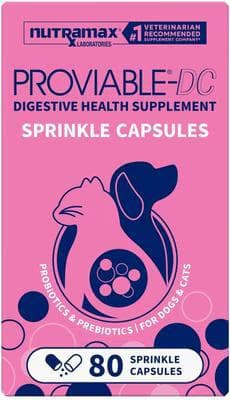
Multi-strain probiotic plus prebiotic sprinkle capsules for dogs and cats; supports digestive balance during diarrhea, diet changes, and antibiotic courses.
Webvet may earn a commission when you click through to Chewy, at no extra cost to you.

 Sponsored
Want a vet's take on your cat's upset stomach?
Talk to a licensed vet at Dutch over video, often the same day. They can recommend treatment and prescribe it when it's appropriate.
Use code Pets60
Plans start at $12/month · covers up to 5 pets
- Licensed vets in most states
- Rx for 150+ conditions
- 4.7 on Trustpilot
How to Choose the Best Cat Probiotic
To pinpoint what a particular cat gut actually needs before buying a supplement, some owners start with an AnimalBiome Gut Microbiome Test for Cats, an at-home kit that sequences the fecal microbiome and returns tailored recommendations.
There is no single best probiotic for every cat, but vets consistently recommend products built around a clinically proven strain rather than a long, unproven ingredient list. The strain most veterinarians reach for is Enterococcus faecium SF68, the active ingredient in widely used feline probiotics, because it has published research behind it in cats specifically.
When cat owners ask what probiotics vets recommend for cats, the answer usually points to veterinary-formulated products over generic human supplements. Beyond the strain, four label details separate a quality probiotic from a marketing gimmick.
- CFU count: look for the colony-forming units, the number of live organisms, listed clearly and ideally in the billions per serving
- A named, proven strain: Enterococcus faecium SF68, or specific Bifidobacterium and Lactobacillus strains, not a vague probiotic blend
- The NASC seal: the National Animal Supplement Council quality seal signals third-party manufacturing standards
- A form your cat will eat: powder, paste, capsule, or chew, matched to your cat's preferences
The right strain also depends on the problem you are trying to solve. Use the matrix below to match your cat's situation to what belongs on the label.
| Your cat's problem | Strain to look for | Form and CFU tip |
|---|---|---|
| Post-antibiotic diarrhea | Enterococcus faecium SF68 | Powder topper, billions of CFU, daily until stool firms |
| Stress or travel colitis | Enterococcus faecium SF68 or Bifidobacterium | Start a few days before the known stressor |
| Chronic soft stool or IBD | Bifidobacterium and Lactobacillus, vet-guided | Multi-strain, given long term with vet oversight |
| General gut maintenance | Multi-strain plus a prebiotic | Lower CFU is fine; consistency matters most |
Products like Purina FortiFlora, Nutramax Proviable, and VetriScience probiotics are popular because they pair a proven strain with an easy-to-use form. Match the strain to the column that fits your cat, and do not pay a premium for exotic ingredients with no feline research behind them.
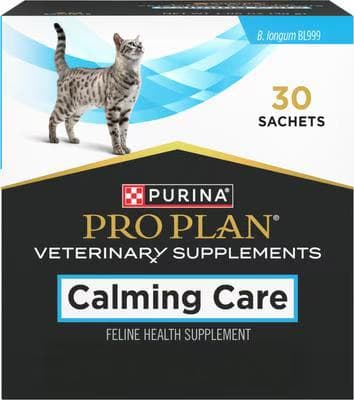
Probiotic supplement with Bifidobacterium longum BL999 that supports cats in maintaining calm behavior plus digestive and immune health. One daily sachet.
Webvet may earn a commission when you click through to Chewy, at no extra cost to you.
 Sponsored
Vet care that's always there
Unlimited video calls and messaging with licensed vets for less than a typical vet visit. One membership covers up to five pets.
Use code Pets60
Plans start at $12/month · covers up to 5 pets
- Licensed vets in most states
- Rx for 150+ conditions
- 4.7 on Trustpilot
How and When to Give Your Cat Probiotics
Yes, it is generally safe to give cats probiotics every day, and for many issues daily use is exactly how they work best. Probiotic bacteria do not permanently colonize the gut, so consistent daily dosing keeps a fresh supply arriving. Healthy cats tolerate long-term daily use well, with side effects usually limited to mild, temporary gas or a change in stool as the gut adjusts.
Timing and delivery matter more than most owners expect. Give the probiotic with a meal, because food buffers stomach acid and helps more live bacteria survive the trip to the intestines. Most feline probiotics are powders you sprinkle over wet food, which is the easiest route for a fussy cat.
- Mix the dose into a spoonful of wet food or a lickable treat your cat already loves
- Serve it with a regular meal, not on an empty stomach
- Give it at the same time each day to keep gut levels steady
- Space it a couple of hours apart from any oral antibiotic if your cat is on both
- Give it time: allow one to four weeks to judge whether it is helping
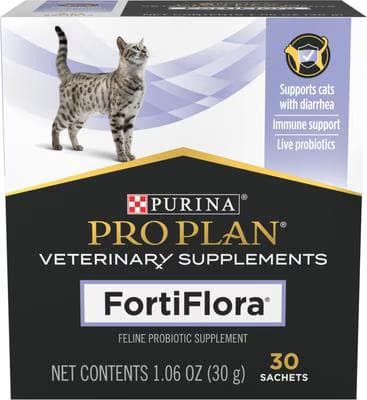
The #1 vet-recommended probiotic for cats. Daily powder sachets support healthy digestion and firmer stools, and can help cats coping with diarrhea or GI upset.
Webvet may earn a commission when you click through to Chewy, at no extra cost to you.

Forms, Strains, and the Conditions Probiotics Help
Probiotics are often one part of managing a cat digestive issue rather than a stand-alone cure. If your cat strains in the litter box or passes hard, infrequent stools, our guide to constipation in cats walks through relief options and when the problem needs a vet.
Feline probiotics come in several forms, and the best one is simply the one your cat will reliably eat. The active strains drive the results, but the format decides whether the supplement ever makes it past your cat's nose.
- Powder: the most common form, easy to hide in wet food, so a probiotic powder for cats sprinkled as a topper is the go-to for most owners
- Paste or gel: convenient for travel and for cats who mainly eat dry food
- Capsules: precise dosing, though you may need to open one and sprinkle the contents
- Soft chews: treat-like and easy, but palatability and CFU count vary a lot by brand
On the strain side, Enterococcus faecium SF68 leads the research for acute and stress-related diarrhea, while Bifidobacterium and Lactobacillus strains are often layered in for longer-term support. Probiotics are used most for cat probiotics for diarrhea, post-antibiotic recovery, stress colitis, and as supportive care for probiotics for cats with IBD, where they complement rather than replace prescription treatment.
If loose stool is your main concern, pair the probiotic with the underlying fix and read our guide on why your cat has diarrhea and what to do about it for the bigger picture. And if you also share your home with a dog, the same principles apply a little differently for canines, which we cover in our guide to probiotics for dogs.

When to See Your Vet
Probiotics are a supportive tool, not a substitute for a diagnosis. A short bout of soft stool in an otherwise bright, eating, playful cat is reasonable to support with a probiotic and a bland diet. Anything more concerning deserves a professional look, because diarrhea and weight change can signal parasites, organ disease, or inflammatory bowel disease that a supplement alone will not fix.
- Blood, black tarry stool, or diarrhea lasting more than two days
- Vomiting, refusing food, or hiding and lethargy
- Unexplained weight loss or a suddenly poor, dull coat
- A kitten, senior, or immunocompromised cat showing any GI upset
When in doubt, ask your veterinarian which strain and dose fit your cat's history. For chronic conditions such as inflammatory bowel disease, resources from the Cornell Feline Health Center and your own vet should guide the plan, since the right probiotic is one piece of a larger treatment approach rather than a standalone fix.

Frequently Asked Questions
How long does it take for probiotics to work in cats?
For acute diarrhea, many cats show firmer stool within one to three days. For chronic gut issues or general maintenance, give it two to four weeks of consistent daily use before deciding whether it is helping your cat.
Can I give my cat human probiotics?
It is better not to. Human probiotics use strains selected for the human gut and doses meant for human bodies, and some contain sweeteners or additives that do not suit cats. A feline-specific product with a proven strain such as Enterococcus faecium SF68 is a safer, more effective choice.
Do cats need probiotics all the time?
Most healthy cats do not need a daily probiotic for life. They are most useful during and after antibiotics, stress, or digestive upset. Some cats with chronic conditions benefit from long-term use, but that is a decision to make with your vet.
Can probiotics help a cat with constipation, or just diarrhea?
Probiotics are best studied for diarrhea and loose stool, but a balanced microbiome supports regularity in both directions. For constipation they are supportive rather than curative, and most constipated cats also need added fiber, better hydration, and a vet's input.
Are probiotics or prebiotics better for cats?
They work together. Prebiotics are fibers that feed beneficial bacteria, while probiotics supply the bacteria themselves. Many quality feline products combine both, sometimes labeled a synbiotic, so the good bacteria you add have the fuel they need to survive and multiply.

Editor
The Webvet Editorial Team is the in-house group of pet-care editors and writers behind Webvet, operated by Smart Pet Collective. The team researches, writes, and maintains Webvet's pet health, behavior, and medication content. Every article follows a defined editorial process: research from reputable veterinary and scientific sources, careful drafting, mandatory review of medical content by a credentialed veterinarian, and dated publication. Health and medication articles are medically reviewed by a licensed veterinary professional before they go live and are kept current over time.
Veterinarian · BVMS MRCVS
Dr. Pippa Elliott, BVMS, MRCVS, is a veterinarian with nearly 30 years of experience in companion animal practice. Dr. Elliott earned her Bachelor of Veterinary Medicine and Surgery from the University of Glasgow. She was also designated a Member of the Royal College of Veterinary Surgeons. Married with 2 grown-up kids, Dr. Elliott has a naughty Puggle named Poggle, 3 cats and a bearded dragon.
Related reading

Gastroenteritis in Cats: Symptoms, Causes, Treatment, and When to See a Vet

Gastroenteritis in Dogs: Symptoms, Causes, Treatment, and Recovery Time

Hemorrhagic Gastroenteritis in Dogs (HGE): Symptoms, Causes, Treatment, and Survival
