Probiotics for Dogs With Diarrhea: Vet Guide
Probiotics for dogs with diarrhea can firm up stool faster when used right. See vet-recommended strains, how long they take to work, dosing by dog size, and the red flags that mean it is time to call your vet.

BVMS MRCVS
Medically reviewed by Dr. Pippa Elliott, BVMS MRCVS · Last reviewed

This article contains affiliate links. Webvet may earn a commission when you buy through them, at no extra cost to you.
WebVet may earn a commission from qualifying purchases made through links on this page, at no additional cost to you.
If your dog has loose, watery stool, probiotics for dogs with diarrhea are one of the first supportive remedies many vets suggest. These live beneficial bacteria help crowd out harmful microbes, calm an irritated gut, and firm up stool faster than doing nothing. They work best for mild, short-lived cases, and they are a support tool rather than a cure. When diarrhea is severe or comes with other warning signs, a probiotic is not enough on its own.
- 1Probiotics can shorten mild, acute dog diarrhea by helping rebalance gut bacteria, but they do not treat the underlying cause.
- 2Look for canine-specific strains like Enterococcus faecium SF68 and Bifidobacterium animalis, not human yogurt or your own supplements.
- 3Most dogs pass more acceptable stool within about 3.5 days, with fuller resolution by roughly 14 days.
- 4Dose by your dog's size and follow the product label, since potency is measured in colony-forming units (CFU).
- 5See a vet if diarrhea lasts beyond 24 to 36 hours, or sooner with blood, vomiting, lethargy, or a painful belly.
Popular vet-recommended options include Purina FortiFlora, a single-strain paste sachet, Nutramax Proviable, a multi-strain capsule and paste line, and Zesty Paws soft chews for dogs that refuse powders. Each delivers a measured dose of live bacteria, and the right pick depends on your dog's size, the type of diarrhea, and how fussy an eater you are dealing with.
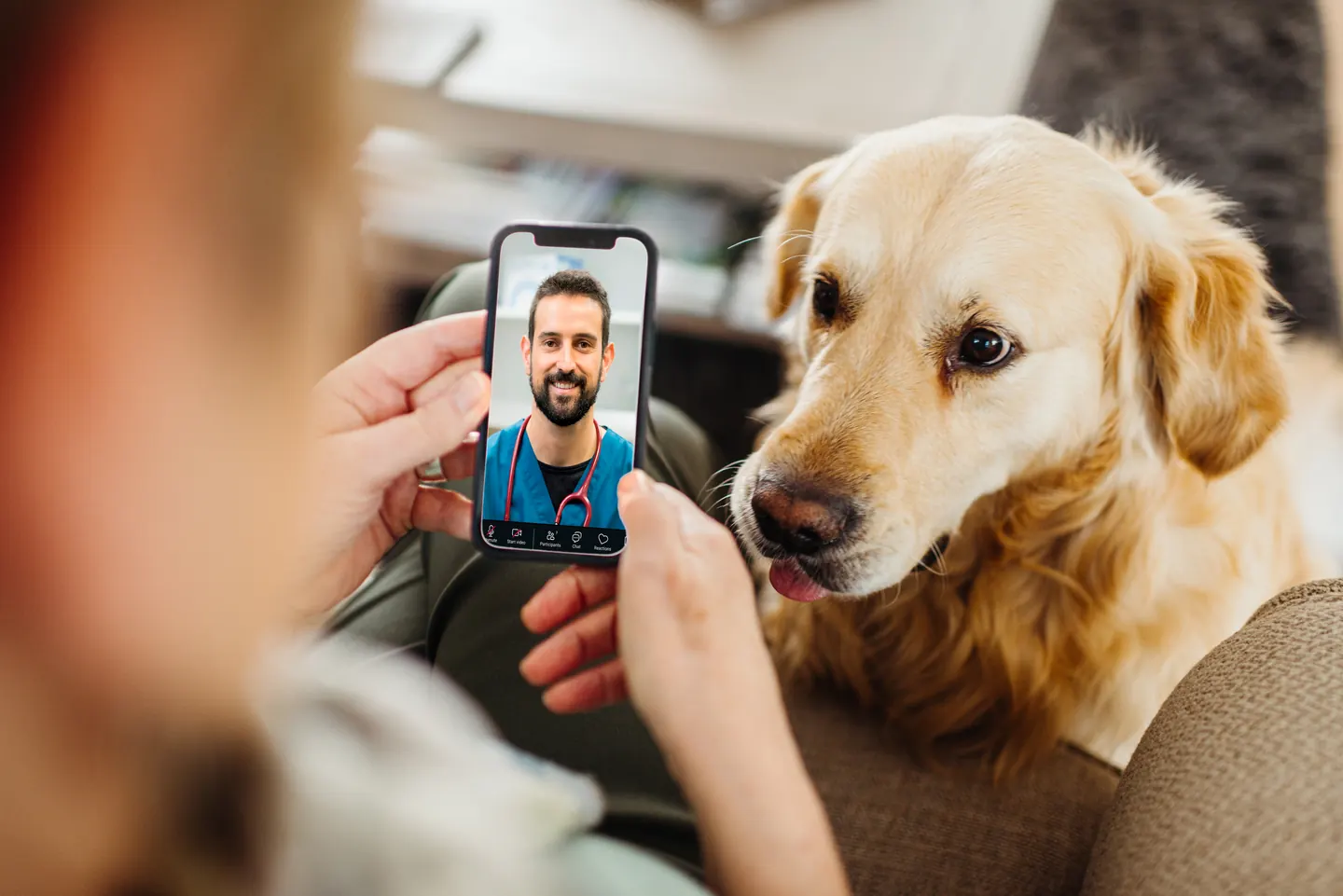
 Sponsored
Want a vet's take on your dog's upset stomach?
Talk to a licensed vet at Dutch over video, often the same day. They can recommend treatment and prescribe it when it's appropriate.
Use code Pets60
Plans start at $12/month · covers up to 5 pets
- Licensed vets in most states
- Rx for 150+ conditions
- 4.7 on Trustpilot
Do probiotics help dogs with diarrhea?
Yes, dogs can have probiotics for diarrhea, and in mild acute cases they often help. Probiotics are live beneficial bacteria that support the balance of the gut microbiome. When diarrhea disrupts that balance, adding the right strains helps harmful bacteria lose ground and lets the intestinal lining recover. Studies in dogs have found that certain strains, especially Enterococcus faecium SF68, can shorten acute diarrhea compared with no probiotic support.
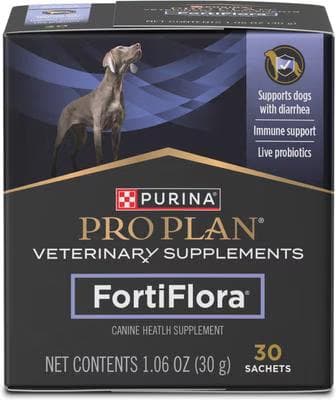
The #1 vet-recommended probiotic for dogs. Daily powder sachets with live probiotics support healthy digestion and firmer stools, and can help dogs coping with diarrhea or GI upset.
Webvet may earn a commission when you click through to Chewy, at no extra cost to you.
A healthy canine gut holds a diverse community of bacteria that helps break down food, produce nutrients, and keep harmful microbes in check. Diarrhea both reflects and worsens a disruption in that community. By reintroducing beneficial strains in large numbers, a probiotic tips the balance back toward the good bacteria while the gut lining repairs itself.
The key word is support. Probiotics do not kill parasites, clear infections, or fix a dietary indiscretion on their own. They help the gut do its own recovery work faster. That is why they pair well with a bland diet and plenty of water, and why they are not a substitute for deworming, prescription medication, or fluids when a dog is truly sick.
Probiotics for dog diarrhea at a glance
Pros
- Can shorten mild, acute diarrhea and firm stool faster
- Support recovery during and after antibiotic courses
- Low risk of side effects in otherwise healthy dogs
- Easy to add to food as a paste, powder, or chew
Cons
- Do not treat parasites, infections, or blockages
- Little proven benefit for severe or bloody diarrhea
- Quality and live-bacteria count vary between brands
- Not a replacement for a vet visit when red flags appear
For diarrhea specifically, look for canine-formulated products. A dog's gut microbiome differs from a human's, so human yogurt or a bottle of your own probiotic capsules is not the right tool. The canine strains with the most veterinary support behind them are Enterococcus faecium SF68, Bifidobacterium animalis, and Lactobacillus rhamnosus.

The veterinary probiotic evidence from the Cornell Riney Canine Health Center points to probiotics being most useful for short-term digestive upset and as support during and after antibiotic courses. For a broader look at how these supplements work day to day, see our probiotics for dogs guide. If you are still trying to pin down why the stool is loose in the first place, our guide to what causes dog diarrhea walks through the common triggers.
How long do probiotics take to stop diarrhea in dogs?
When loose stools keep returning despite a daily probiotic, a fuller microbiome reset such as AnimalBiome Gut Restore is worth raising with your vet, since it delivers a complete community of dog gut bacteria instead of a couple of strains.
Most dogs begin to show firmer stool within one to three days of starting a probiotic, with many reaching acceptable stool consistency in about 3.5 days on average. Fuller resolution, where stool returns to a normal, formed state and stays that way, tends to happen by roughly 14 days. Some dogs respond faster, especially when the diarrhea is mild and stress-related.
That timeline assumes the underlying cause is minor and self-limiting, such as a diet change, mild stress, or a short antibiotic course. If a dog has parasites, an infection, or a food intolerance that has not been addressed, a probiotic alone may barely move the needle no matter how long you give it.
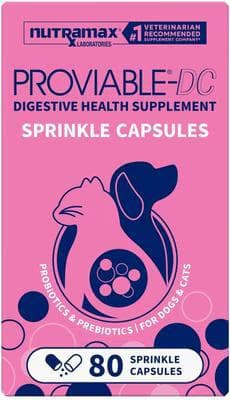
Multi-strain probiotic plus prebiotic sprinkle capsules for dogs and cats; supports digestive balance during diarrhea, diet changes, and antibiotic courses.
Webvet may earn a commission when you click through to Chewy, at no extra cost to you.

It also helps to track your dog's stool on a simple scale, from firm and formed down to fully liquid. Watching it move up that scale day by day tells you whether the probiotic is working or whether it is time to escalate to a vet.
- Day 1 to 3: stool usually starts to firm as the gut microbiome rebalances.
- Around day 3.5: many dogs reach acceptable, scoopable stool.
- By about day 14: stool is typically back to a normal, formed state and holding.
- By 24 to 36 hours with no improvement: stop waiting and call your vet.
How long probiotics take to work in dogs also depends on consistency. Skipping doses or stopping the moment stool improves can stall progress. Give the full course on the label, usually at least five to seven days even after the stool looks normal, so the beneficial bacteria have time to establish.
 Sponsored
Vet care that's always there
Unlimited video calls and messaging with licensed vets for less than a typical vet visit. One membership covers up to five pets.
Use code Pets60
Plans start at $12/month · covers up to 5 pets
- Licensed vets in most states
- Rx for 150+ conditions
- 4.7 on Trustpilot
Which probiotics do vets recommend for diarrhea?
When vets recommend a probiotic for dog diarrhea, they usually pick a canine-specific product with named strains, a guaranteed CFU count, and evidence behind it. The most commonly recommended options include Purina FortiFlora, which supplies Enterococcus faecium SF68, and Nutramax Proviable, a multi-strain formula with a prebiotic. For dogs that spit out powders, a soft-chew brand like Zesty Paws can be easier to dose. The best probiotic for dog diarrhea is the one your dog will actually take at the right potency.
The right match also depends on the type of diarrhea. Stress or travel-related diarrhea, post-antibiotic loose stool, and ongoing chronic soft stool respond to slightly different strain and dose profiles. The table below maps the common diarrhea types vets see to the strains and CFU ranges that tend to fit each one.
Reading a probiotic label well takes a minute. Check for named strains rather than a vague probiotic blend, a guaranteed CFU count through the date of expiration rather than at time of manufacture, and a product formulated for dogs. A product that lists all three is more trustworthy than one leaning on marketing claims, which is what most vet-recommended probiotics for dogs have in common. See our guide to whether dogs can take human probiotics.
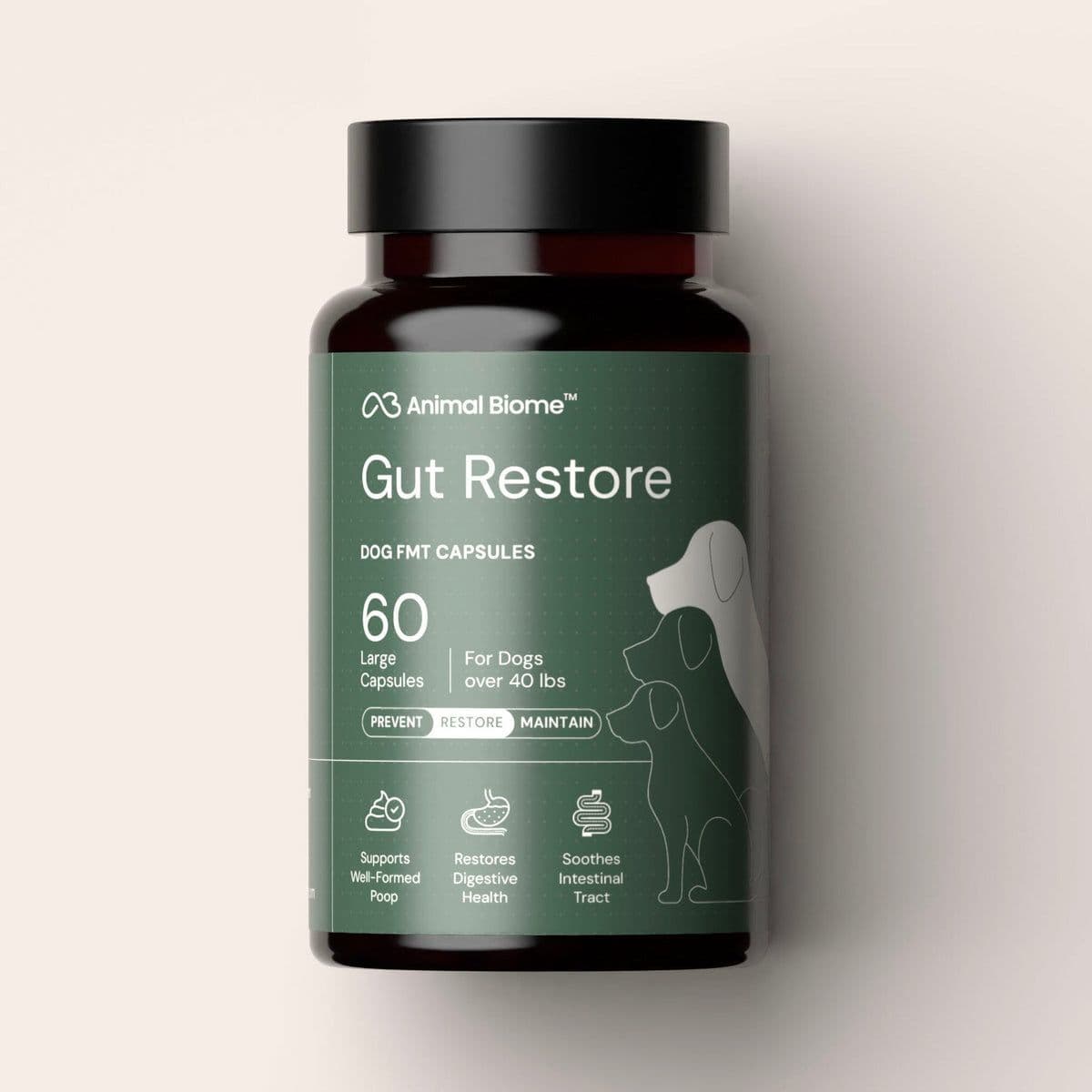
Veterinarian-developed oral fecal microbiota transplant (FMT) capsules that reintroduce a full community of dog-specific gut bacteria; used to support dogs with ongoing soft stools, diarrhea, or recovery after antibiotics.
Webvet may earn a commission when you click through to Animal Biome, at no extra cost to you.
| Diarrhea type | Strains that tend to fit | Typical daily CFU |
|---|---|---|
| Acute stress or travel | Enterococcus faecium SF68 | 1 to 5 billion CFU |
| Post-antibiotic loose stool | Multi-strain: E. faecium plus Bifidobacterium animalis and Lactobacillus | 2 to 10 billion CFU |
| Chronic or intermittent soft stool | Multi-strain with a prebiotic (synbiotic) | 5 to 10 billion CFU |
| Diet change or dietary indiscretion | Enterococcus faecium SF68 or a multi-strain blend | 1 to 5 billion CFU |

Whichever product you choose, buy from a source that guarantees the live bacteria count through the expiration date, and store it as directed. Heat and moisture kill probiotics, so a sachet that has been sitting in a hot car may deliver far fewer live organisms than the label claims. Quality and strain specificity matter more than the biggest number on the front of the box.
If your dog is on antibiotics now, probiotics can help limit the loose stool that often comes with them. Our guide on when to give a dog probiotics covers the timing around medication, meals, and stressful events in more detail.
How much probiotic to give by dog size
Probiotic potency is measured in colony-forming units, or CFU, which count the live organisms in each dose. When people ask about a dog probiotic dosage for diarrhea, the honest answer is that most healthy dogs do well somewhere between 1 and 10 billion CFU per day, but the right amount scales with body weight. A small dog needs far less than a large dog to reach the same effect.
Always start with the dose printed on your product, because probiotic CFU for dogs differs between brands. A single FortiFlora sachet, for example, is formulated as one full dose regardless of the math below. Use these weight-based ranges as a sanity check on how much probiotic to give a dog, not as a reason to override the label.
| Dog size | Approximate weight | Typical daily CFU |
|---|---|---|
| Small dog | Under 20 lbs | 1 to 3 billion CFU |
| Medium dog | 20 to 50 lbs | 2 to 5 billion CFU |
| Large dog | 50 to 90 lbs | 5 to 8 billion CFU |
| Giant dog | Over 90 lbs | 8 to 10 billion CFU |

Give the probiotic with food to buffer the bacteria through the stomach, and split the daily amount into two servings if your dog eats twice a day. Consistency matters more than precision here; a steady daily dose does more good than a big one-time scoop.
- Weigh your dog or use a recent vet weight to pick the right range.
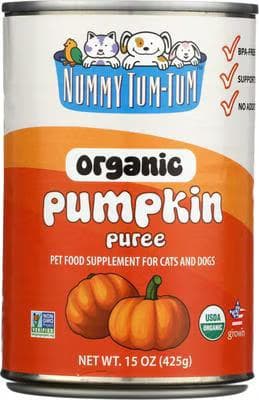
Pure USDA-organic pumpkin puree, no fillers or additives. Adds gentle soluble fiber to firm up loose stool and settle a mildly upset stomach. A simple vet-favorite topper.
Webvet may earn a commission when you click through to Chewy, at no extra cost to you.
- Match that weight to the label dose, using the table above as a cross-check.
- Mix the paste, powder, or chew into a normal meal.
- Give it at the same time each day through the full recommended course.
- Keep offering fresh water and a bland diet until the stool firms up.
Some products pair probiotics with prebiotics, the fibers that feed beneficial bacteria; the combination is called a synbiotic. For diarrhea, a synbiotic can give the new bacteria a better chance of taking hold, though a straightforward probiotic is fine for most short bouts.
Home care to firm up stool and when to call a vet
The best remedy for most cases of mild dog diarrhea is simple supportive care: rest the gut, keep your dog hydrated, feed a bland diet, and add a probiotic to help the microbiome recover. There is no single magic cure, because the right fix depends on the cause, but this combination is what most vets recommend first for an otherwise healthy dog.
To firm up runny dog poop at home, the goal is to give the intestines less work while they heal. A few steps do most of that work:
- Feed a bland diet of plain boiled chicken and white rice, or a vet-recommended GI food, in small frequent meals.
- Add a spoonful of plain canned pumpkin, not pie filling, for gentle soluble fiber.
- Keep fresh water available at all times to replace fluids lost to diarrhea.
- Give a canine probiotic at the labeled dose to support recovery.
- Avoid treats, table scraps, and rich food until the stool is back to normal.
What vets recommend for dogs with diarrhea depends on how the dog is doing overall. For a bright, active dog with mild diarrhea and no other signs, home care for 24 to 36 hours is reasonable. Popular options such as pumpkin and bland food make a sensible dog diarrhea home remedy: they have modest, mostly anecdotal support, and they are low risk, but they are not proven to stop diarrhea on their own. Human anti-diarrheal medications are a different story and can be dangerous for dogs, so never give one without your vet's direction.
- Diarrhea that lasts longer than 24 to 36 hours or keeps coming back
- Blood in the stool, or black, tarry stool
- Repeated vomiting alongside the diarrhea
- Lethargy, weakness, or collapse
- A painful, bloated, or hard belly
- Signs of dehydration such as tacky gums, sunken eyes, or skin that stays tented
- Puppies, senior dogs, or dogs with an existing illness, which dehydrate quickly
Dehydration is the biggest short-term danger with diarrhea, because a dog loses both water and electrolytes with every loose stool. Puppies, toy breeds, and senior dogs slip into trouble fastest. If you gently pinch the skin over the shoulders and it does not spring back, or the gums feel dry and tacky, treat that as a reason to call the vet now.
For ongoing digestive support once the crisis passes, our guides to gut health for dogs and a dog upset stomach cover longer-term feeding and supplement strategies.
What causes dog diarrhea?
Diarrhea has a long list of possible triggers, from a sudden diet change or stress to parasites, infections, food intolerances, and more serious illness. Because the cause changes what the right treatment is, it is worth understanding the category you are dealing with before assuming a probiotic will fix it. We cover the full range in our dedicated guide to what causes dog diarrhea, which is the best starting point if you are not sure why your dog's stool is loose.
How probiotics support dogs beyond diarrhea
Beyond firming up loose stool, probiotics play a broader role in canine health. They can support digestion, nutrient absorption, immune function, and recovery after antibiotics. Those wider benefits are the focus of our main probiotics for dogs guide, which covers everyday use, strains, and how to choose a daily supplement rather than a short-term diarrhea fix. For questions about the right moment to start one, see when to give a dog probiotics.
Frequently Asked Questions
Can I give my dog human probiotics for diarrhea?
It is better to use a canine-specific probiotic. Dogs and humans host different gut bacteria, so human yogurt or supplements may not contain the strains, like Enterococcus faecium SF68, that help dog diarrhea. Human products can also carry sweeteners such as xylitol that are toxic to dogs.
How long does it take for probiotics to stop diarrhea in dogs?
Many dogs pass firmer, more acceptable stool within about 3.5 days, with full resolution by roughly 14 days. If there is no improvement within 24 to 36 hours, or the diarrhea worsens, contact your vet rather than waiting longer.
Which probiotic do vets recommend for dogs with diarrhea?
Vets commonly recommend canine-specific products with named strains and guaranteed CFU counts, such as Purina FortiFlora with Enterococcus faecium SF68, or the multi-strain Nutramax Proviable. The best pick depends on your dog's size and the type of diarrhea.
Can probiotics make diarrhea worse?
Serious side effects are rare in healthy dogs. Some dogs have mild gas or temporary changes in stool when starting a probiotic. If diarrhea clearly worsens after starting one, stop and check with your vet, since another cause may be at work.
Do probiotics for dogs with diarrhea need a prescription?
No. Most canine probiotics, including popular options like FortiFlora and Proviable, are sold over the counter. Prescription GI diets and medications are separate; your vet may recommend those alongside a probiotic for more stubborn cases.
What is the best remedy for dogs with diarrhea?
For a healthy adult dog with mild diarrhea, the best first remedy is supportive care: a bland diet, plenty of water, rest, and a canine probiotic. If the diarrhea is severe, bloody, or lasts beyond 24 to 36 hours, the best remedy is a vet visit.

Editor
The Webvet Editorial Team is the in-house group of pet-care editors and writers behind Webvet, operated by Smart Pet Collective. The team researches, writes, and maintains Webvet's pet health, behavior, and medication content. Every article follows a defined editorial process: research from reputable veterinary and scientific sources, careful drafting, mandatory review of medical content by a credentialed veterinarian, and dated publication. Health and medication articles are medically reviewed by a licensed veterinary professional before they go live and are kept current over time.
Veterinarian · BVMS MRCVS
Dr. Pippa Elliott, BVMS, MRCVS, is a veterinarian with nearly 30 years of experience in companion animal practice. Dr. Elliott earned her Bachelor of Veterinary Medicine and Surgery from the University of Glasgow. She was also designated a Member of the Royal College of Veterinary Surgeons. Married with 2 grown-up kids, Dr. Elliott has a naughty Puggle named Poggle, 3 cats and a bearded dragon.
Related reading

Gastroenteritis in Cats: Symptoms, Causes, Treatment, and When to See a Vet

Gastroenteritis in Dogs: Symptoms, Causes, Treatment, and Recovery Time

Hemorrhagic Gastroenteritis in Dogs (HGE): Symptoms, Causes, Treatment, and Survival
