Best Dog Food for Sensitive Stomachs: 9 Vet-Reviewed Picks
The 9 best dog foods for sensitive stomachs in 2026, vet-vetted. JFFD Sensitive Stomach and the JFFD Fish & Sweet Potato recipe, Hill's Science Diet, Purina Pro Plan, Royal Canin, and more compared.

BVMS MRCVS

This article contains affiliate links. Webvet may earn a commission when you buy through them, at no extra cost to you.
WebVet may earn a commission on purchases made through links in this article, at no extra cost to you. Brand selection is independent. This product is intended for use under veterinary supervision. Nutritional recommendations should be discussed with your veterinarian to determine the most appropriate diet for your dog's individual needs.
- 1Just Food For Dogs Sensitive Stomach (adult, frozen, single-protein turkey + rice formulation) and the Fish & Sweet Potato recipe (adults and puppies, frozen) are our editorial picks at the OTC tier for limited-ingredient sensitive digestion. Both are gently cooked in USDA-inspected human-food kitchens.
- 2Veterinary alternatives include Hill's Science Diet Sensitive Stomach & Skin, Purina Pro Plan Sensitive Skin & Stomach Salmon & Rice, and Royal Canin Veterinary Diet Gastrointestinal Low Fat.
- 3Key features to look for: high digestibility, single or limited protein source, added prebiotic fiber, live probiotics, and avoidance of artificial preservatives.
- 4Prescription gastrointestinal diets (Royal Canin GI Low Fat, Hill's i/d) are reserved for diagnosed conditions like acute pancreatitis or inflammatory bowel disease.
- 5Switch foods gradually over 7 to 10 days. Abrupt diet changes are the most common cause of stomach upset in dogs with sensitive digestion.
The best dog food for sensitive stomachs in 2026 leads with Just Food For Dogs Sensitive Stomach (a frozen single-protein turkey + rice recipe labeled for adult maintenance) and the JFFD Fish & Sweet Potato recipe (a frozen limited-ingredient option labeled for adults and puppies), both gently cooked from USDA-inspected human-grade ingredients. For mainstream kibble options, Hill's Science Diet Sensitive Stomach & Skin and Purina Pro Plan Sensitive Skin & Stomach Salmon & Rice are commonly recommended by veterinarians; both brands publicly respond to WSAVA's manufacturer-selection questions and substantiate selected recipes against AAFCO nutritional adequacy standards for adult maintenance. The American College of Veterinary Internal Medicine (ACVIM) is a useful clinical reference for chronic digestive disease in dogs, though prevalence estimates for chronic digestive sensitivity vary widely between sources. Daily cost ranges from $1.50 (Pro Plan kibble) to $5.50 (JFFD Sensitive Stomach) for a 30-pound dog. The right food depends on whether the sensitivity is mild, moderate, or veterinarian-diagnosed.
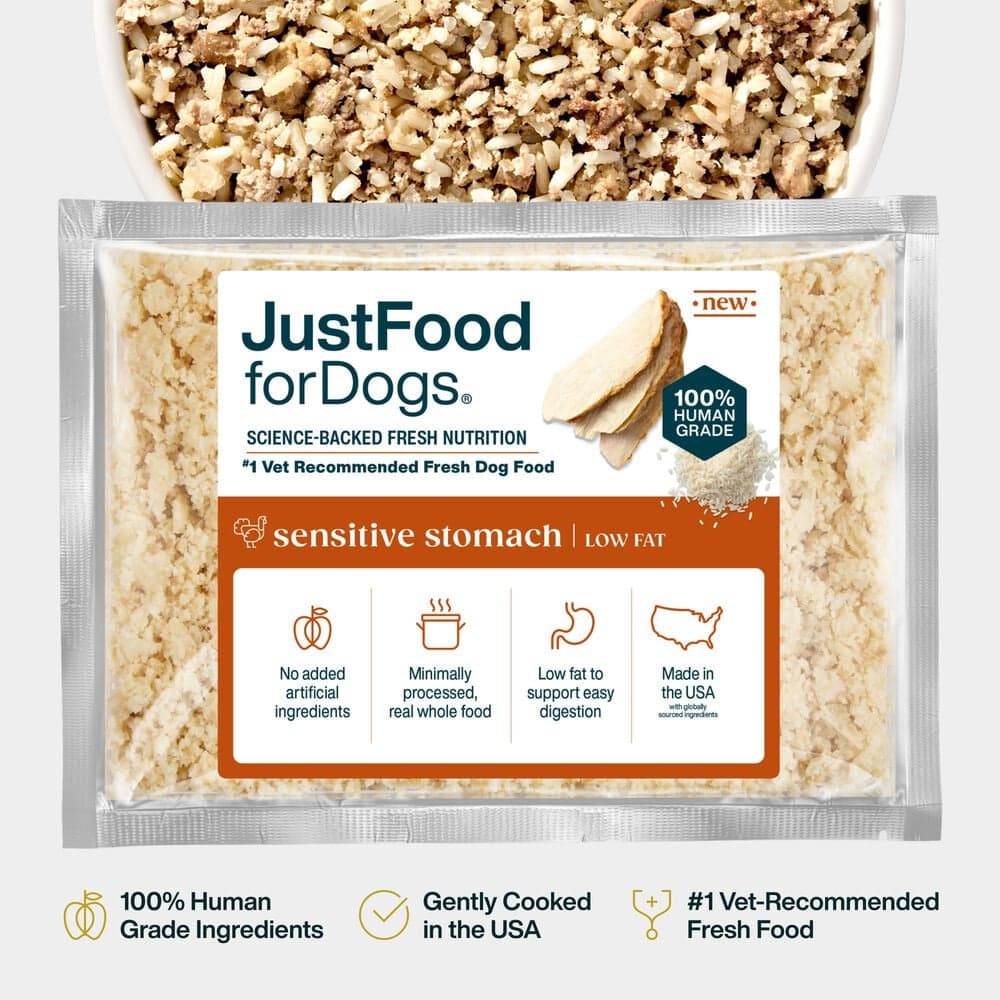
Compare the gentle recipes reviewed here, and bring any diagnosed digestive condition to your veterinarian first.
- Turkey with white and brown rice
- Gently cooked Fresh Frozen meals
- View the full recipe and feeding guidance
A fresh-food option to discuss with your veterinarian.
Webvet may earn a commission when you click through to JustFoodForDogs, at no extra cost to you.
| Brand | Format | Lead Protein | Best For | Daily Cost (30-lb dog) |
|---|---|---|---|---|
| 1. Just Food For Dogs Sensitive Stomach | Fresh Frozen | Turkey + brown rice | Overall sensitive digestion | $5.50 |
| 2. Purina Pro Plan Sensitive Skin & Stomach | Dry kibble | Salmon | Vet-recommended mainstream | $2.50 |
| 3. Hill's Science Diet Sensitive Stomach & Skin | Dry kibble | Chicken | Combined skin + stomach issues | $2.75 |
| 4. Royal Canin Veterinary Diet Gastrointestinal Low Fat | Dry kibble (Rx) | Chicken | Diagnosed GI disease, fat-restricted | $4.00 |
| 5. Open Farm Catch-of-the-Season Whitefish | Dry kibble | Whitefish | Sustainable + sensitive | $3.50 |
| 6. The Farmer's Dog Custom Blend | Fresh subscription | Custom by weight | Subscription convenience | $6.00 |
| 7. VICTOR Super Premium Sensitive Skin & Stomach | Dry kibble | Fish meal | Chicken-free option | $2.00 |
| 8. Blue Buffalo Basics Skin & Stomach Care | Dry kibble | Turkey | Mid-range OTC LID | $2.25 |
| 9. Wellness CORE Digestive Health | Dry kibble | Chicken | Grain-inclusive option | $2.75 |

What Makes Dog Food for Sensitive Stomachs Effective?
Veterinary gastroenterologists consistently recommend five features when evaluating a sensitive-stomach formula. The Veterinary Information Network clinical guide and the AVMA's clinical practice review both emphasize digestibility above all other factors.
High Digestibility
Ask the manufacturer whether protein digestibility data are available; brands that engage publicly with WSAVA's manufacturer-selection questions are often willing to share this on request. The Merck Veterinary Manual classifies protein digestibility above approximately 86 to 93 percent as high, and above 93 percent as very high. Higher digestibility means less undigested matter reaches the large intestine where it ferments, supports gas, or worsens sensitive-stomach symptoms. Look for a guaranteed analysis or technical data sheet that publishes the protein digestibility figure for the specific recipe you are evaluating.
Single or Limited Protein Source
A limited ingredient diet (LID) reduces the surface area of potential triggers. Limited-ingredient recipes use a focused ingredient list (typically a single named animal protein and one or two carbohydrate sources, with minimal additional inclusions) compared to the typical 8 to 12 ingredients in conventional kibble. Common LID proteins include fish, lamb, venison, and duck.
Prebiotic Fiber and Probiotics
Prebiotic fibers like beet pulp, chicory root, and FOS (fructooligosaccharides) feed beneficial gut bacteria. Live probiotic strains (commonly Enterococcus faecium SF68 or Bifidobacterium animalis AHC7) can further support gut microbiome balance. The Purina Pro Plan Sensitive Skin & Stomach formula lists 'guaranteed live probiotics' on the label; Purina uses SF68 in their FortiFlora veterinary supplement and references the same strain in product literature for the Sensitive Skin & Stomach line.
Moderate Fat Content
Dogs with sensitive stomachs typically tolerate moderate fat (10 to 14 percent) better than high-fat foods. Very low-fat diets (under 8 percent fat) are reserved for diagnosed pancreatitis. Higher-fat formulas (over 18 percent) can trigger digestive upset in sensitive dogs.
Avoidance of Artificial Additives
Artificial colors, BHA, BHT, ethoxyquin, and certain flavor enhancers can trigger non-immune sensitivity reactions in some dogs. Choose formulas preserved with natural alternatives like mixed tocopherols (vitamin E) and rosemary extract.
What Are the 9 Best Dog Foods for Sensitive Stomachs in 2026?
1. Just Food For Dogs Sensitive Stomach (frozen, adult): Best Overall
Just Food For Dogs Sensitive Stomach is the strongest limited-ingredient pick in the OTC sensitive-stomach category: a frozen, gently cooked single-protein recipe built on ground turkey, long-grain white and brown rice, turkey liver, omega marine microalgae oil, and a taurine-fortified nutrient blend. JFFD labels it for canine adult maintenance per AAFCO nutrient profiles. For households that also need a recipe suitable for puppies, the JFFD Fish & Sweet Potato recipe (a separate frozen entree with a white fish blend of cod, pollock, and haddock plus sweet potato and other limited whole-food ingredients per the JFFD product page) is labeled for adults and puppies, and is the cleanest novel-protein option in the line for sensitive dogs of mixed life stage. Both recipes are prepared from USDA-inspected human-grade ingredients with no artificial preservatives, colors, or flavor enhancers. The gentle cooking process at lower temperatures preserves bioavailable nutrients and supports easier digestion. Recipes are developed by board-certified veterinary nutritionists, and the product line is formulated to meet AAFCO nutrient profiles for the labeled life stage.
Pros
- Limited-ingredient, single-protein formulations across multiple frozen recipes
- Human-grade ingredients (USDA-inspected at the ingredient level)
- Multiple JFFD formats available (frozen recipes plus shelf-stable JustFresh pouches) for different storage needs
- No artificial preservatives, colors, or flavor enhancers
- Board-certified veterinary nutritionist-formulated
Cons
- $5.50 per day for a 30-pound dog (higher than mainstream kibble)
- Sensitive Stomach recipe is labeled for adult maintenance; Fish & Sweet Potato is labeled for adults and puppies per the JFFD product page
- Limited retail distribution outside JFFD direct channels
Compare the gentle recipes reviewed here, and bring any diagnosed digestive condition to your veterinarian first.
- Turkey with white and brown rice
- Gently cooked Fresh Frozen meals
- View the full recipe and feeding guidance
A fresh-food option to discuss with your veterinarian.
Webvet may earn a commission when you click through to JustFoodForDogs, at no extra cost to you.
2. Purina Pro Plan Sensitive Skin & Stomach (Salmon & Rice): Best Vet-Recommended Mainstream
Purina Pro Plan Sensitive Skin & Stomach is among the sensitive-stomach formulas commonly stocked in U.S. veterinary clinics and frequently cited in mainstream veterinary client-education materials. Salmon as the lead protein provides omega-3 fatty acids that support both digestive and skin health. Rice is the primary carbohydrate, providing easily digestible energy. The formula lists guaranteed live probiotics on the label (Purina uses Enterococcus faecium SF68 in their FortiFlora veterinary supplement and references the same strain in Sensitive Skin & Stomach product literature). Manufactured by Nestlé Purina with AAFCO feeding-trial substantiation on selected recipes; Purina Pro Plan is consistently cited among brands evaluated against WSAVA's manufacturer-selection guidelines.
Pros
- Purina publicly responds to WSAVA's manufacturer-selection questions
- Live probiotic in the formula (Purina identifies Enterococcus faecium as the strain family in the related FortiFlora supplement; check the current Pro Plan label for the strain identifier on this specific recipe)
- Salmon-first protein for omega-3 and digestive support
- Widely available at grocery and pet specialty retailers
- Premium kibble pricing ($2.50 per day for 30-lb dog)
Cons
- Not human-grade or gently cooked
- Less ingredient transparency than fresh brands
- Single-protein options limited compared with fresh limited-ingredient alternatives
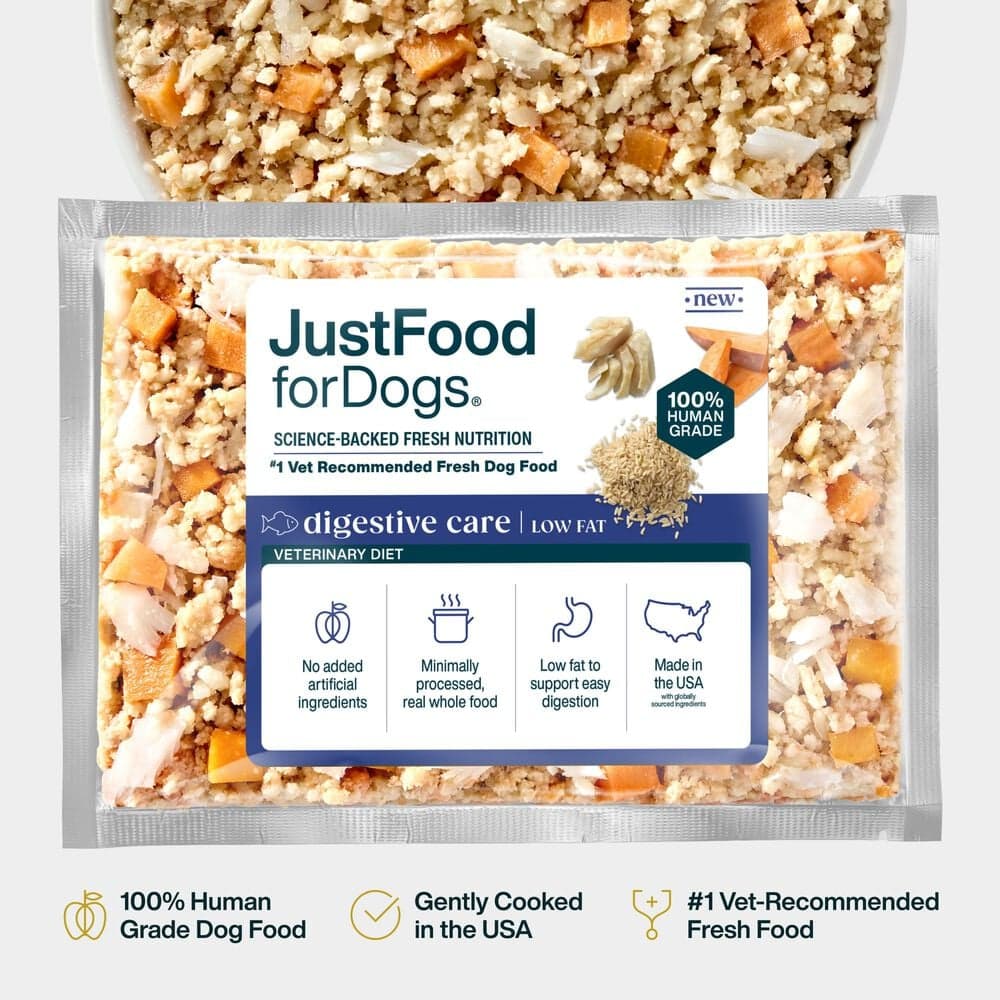
Compare the gentle recipes reviewed here, and bring any diagnosed digestive condition to your veterinarian first.
- Whitefish single novel protein
- 1 to 4% crude fat, 26 kcal per ounce
- For diagnosed GI disorders and fat sensitivity
Vet Support diet: requires your veterinarian’s information to ship.
Webvet may earn a commission when you click through to JustFoodForDogs, at no extra cost to you.
3. Hill's Science Diet Sensitive Stomach & Skin: Best for Combined Issues
Hill's Science Diet Sensitive Stomach & Skin combines digestive support (prebiotic fiber, easily digestible chicken protein) with skin health (omega fatty acids, vitamin E). Recommended by many veterinary clinics for dogs whose sensitivity presents as both GI symptoms and coat or skin issues. Hill's publicly responds to WSAVA's manufacturer-selection questions and substantiates selected adult-maintenance recipes through AAFCO feeding trials. Available in dry kibble and wet entree formats.
4. Royal Canin Veterinary Diet Gastrointestinal Low Fat: Best Prescription
Royal Canin Veterinary Diet Gastrointestinal Low Fat is a commonly used prescription option for diagnosed digestive conditions, particularly chronic pancreatitis, food-responsive diarrhea, and post-surgical recovery. The Royal Canin product page describes the recipe as highly digestible with reduced fat content for short-term to long-term clinical use under veterinary direction. Royal Canin separately offers a Gastrointestinal Low Fat + Hydrolyzed Protein product for cases where hydrolyzed protein is also indicated; the two are distinct products on the Royal Canin veterinary catalog, and product selection should be made by your veterinarian. Both require veterinary authorization to purchase.
5. Open Farm Catch-of-the-Season Whitefish: Best Sustainable Option
Open Farm Catch-of-the-Season Whitefish uses sustainably sourced wild-caught whitefish as the lead protein, paired with non-GMO fruits and vegetables. Open Farm publishes farm-level ingredient traceability through its LotID tool, allowing owners to trace sourcing for every batch. Grain-free formulation; the FDA's open investigation into reports of non-hereditary canine DCM associated with certain diets (especially diets high in pulses or potatoes) has not established a causal relationship, so discuss any grain-free diet with your veterinarian for breeds with hereditary DCM risk.
6. The Farmer's Dog Custom Blend: Best Fresh Subscription
The Farmer's Dog delivers fresh, gently cooked meals customized to your dog's weight, age, and sensitivity profile. Veterinary nutritionists develop the recipes; meals arrive frozen on a subscription cadence. Strong customer-service track record and a 100 percent satisfaction guarantee. Pricier than store-bought options at $6 per day for a 30-pound dog.
7. VICTOR Super Premium Sensitive Skin & Stomach: Best Chicken-Free
VICTOR Sensitive Skin & Stomach is a strong chicken-free option for dogs with chicken protein sensitivity. Fish meal is the lead protein, paired with brown rice and oatmeal. Higher protein content than most mainstream sensitive-stomach formulas. Made in the U.S. with sourcing transparency. Best for dogs with confirmed chicken sensitivity.
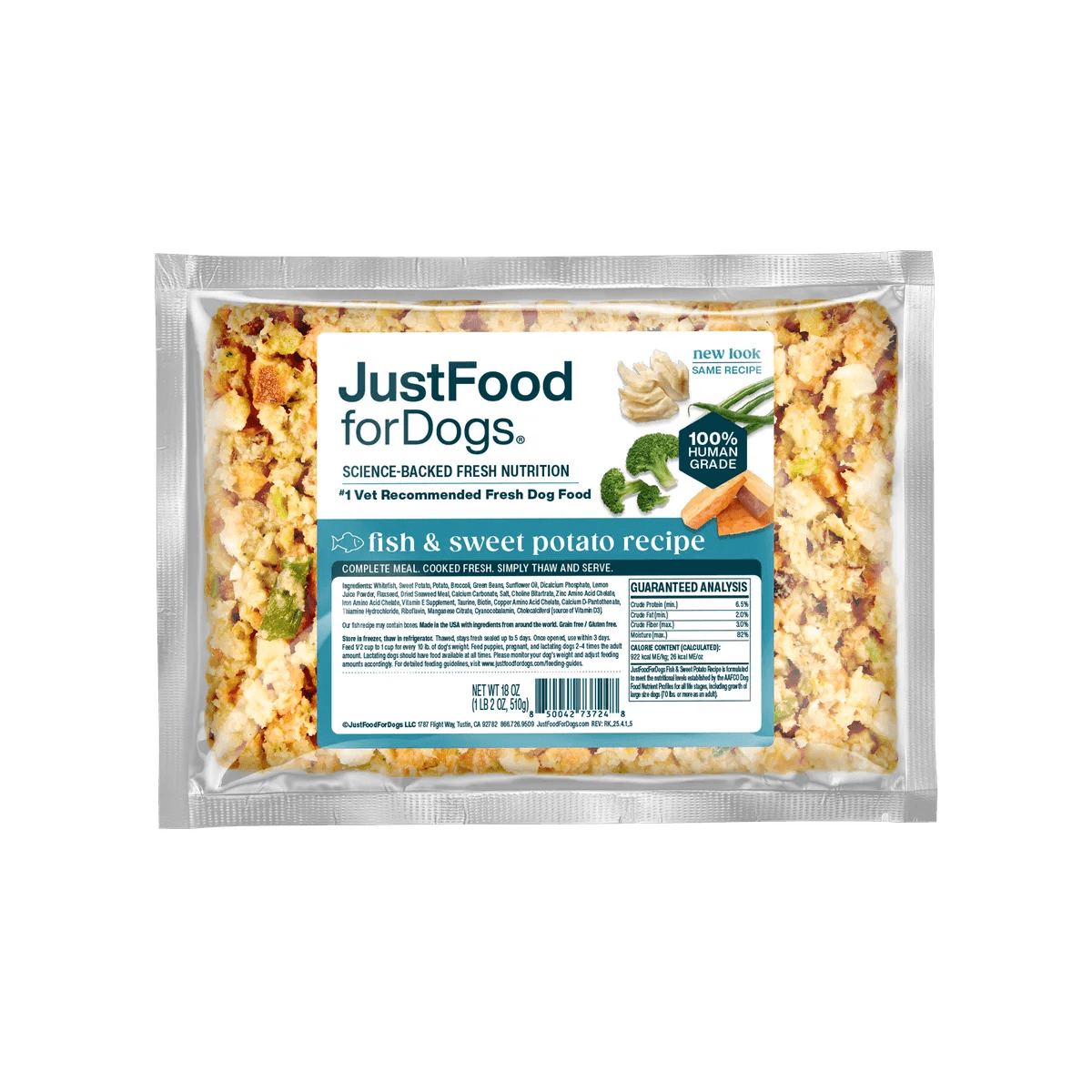
Compare the gentle recipes reviewed here, and bring any diagnosed digestive condition to your veterinarian first.
- Whitefish with sweet potato
- Fresh Frozen meals with whole-food ingredients
- View the recipe and life-stage guidance
Webvet may earn a commission when you click through to JustFoodForDogs, at no extra cost to you.
8. Blue Buffalo Basics Skin & Stomach Care: Best Mid-Range LID
Blue Buffalo Basics is an over-the-counter limited ingredient diet at a more accessible price point than premium brands. Turkey or salmon as the single protein source, sweet potato or oatmeal as the single carb. No corn, wheat, soy, or artificial preservatives. Useful for owners wanting an LID without prescription cost.
9. Wellness CORE Digestive Health: Best Grain-Inclusive
Wellness CORE Digestive Health is a grain-inclusive option for owners who prefer to feed grains because of the FDA's open investigation into reports of non-hereditary canine DCM associated with certain diets (the FDA has stated that adverse-event reports do not establish causality). Chicken-first protein with brown rice and barley. Contains probiotics and prebiotics for ongoing gut support. Moderate fat content suits most adult dogs.
Hydrolyzed Protein for Diagnosed Sensitivities
When sensitive-stomach symptoms persist despite a limited-ingredient diet, hydrolyzed protein formulas become the next clinical tier. Hydrolyzed protein is enzymatically broken down into peptide fragments small enough that the dog's immune and digestive systems struggle to recognize them as triggers. Royal Canin Veterinary Diet Hydrolyzed Protein, Hill's Prescription Diet z/d, and Purina Pro Plan HA Hydrolyzed are the three veterinary-prescribed hydrolyzed formulas most commonly used in clinical sensitive-stomach protocols. These prescription diets are reserved for diagnosed gastrointestinal disease such as chronic enteropathy, food-responsive enteropathy, or inflammatory bowel disease, rather than mild sensitivities. For dogs whose sensitivity stops short of clinical disease, OTC limited-ingredient recipes like the JFFD Sensitive Stomach formula (adult, frozen) or the JFFD Fish & Sweet Potato recipe (adults and puppies, frozen) may deliver useful digestive support without veterinary authorization, with human-grade ingredients and gentle cooking that preserves nutrient bioavailability.
How Do You Transition a Sensitive Dog to a New Food?
An abrupt food change is one of the most common causes of acute stomach upset in dogs with sensitive digestion. The AKC and AAHA both recommend a 7 to 10-day gradual transition.
- Days 1 to 2: 75 percent old food, 25 percent new food
- Days 3 to 4: 50 percent old food, 50 percent new food
- Days 5 to 6: 25 percent old food, 75 percent new food
- Days 7 to 10: 100 percent new food
Watch for signs of digestive distress during the transition. If symptoms appear at any stage, return to the previous ratio for 3 to 4 days before continuing. Dogs with severe sensitivity may require a longer transition (14 to 21 days).
When Should You See a Veterinarian for Digestive Issues?
Some sensitive-stomach symptoms warrant urgent veterinary evaluation rather than at-home dietary management. Seek veterinary care if your dog has any of the following:
- Bloody or black, tarry stools (potential GI bleeding)
- Persistent vomiting (more than 3 times in 24 hours)
- Severe abdominal pain or distension (potential intestinal obstruction or torsion)
- Refusal to eat for over 24 hours, lethargy, or weakness
- Sudden onset of severe diarrhea in an otherwise healthy dog
Frequently Asked Questions
What is the best dog food for sensitive stomachs?
Just Food For Dogs Sensitive Stomach (a frozen single-protein turkey + rice recipe labeled for adult maintenance) and the JFFD Fish & Sweet Potato recipe (labeled for adults and puppies) are our overall picks for sensitive stomachs in 2026. Both are gently cooked in USDA-inspected human-food kitchens, with no artificial preservatives or colors. For mainstream kibble alternatives, Purina Pro Plan Sensitive Skin & Stomach Salmon & Rice and Hill's Science Diet Sensitive Stomach & Skin are commonly recommended by veterinarians. For diagnosed gastrointestinal conditions, prescription Royal Canin Veterinary Diet Gastrointestinal Low Fat is the standard.
What ingredients should I avoid in sensitive-stomach dog food?
Avoid artificial preservatives (BHA, BHT, ethoxyquin), artificial colors, common protein triggers (beef, chicken if your dog reacts), high-fat content (over 18 percent), and high-fiber ingredients that can ferment in the gut. Some dogs are also sensitive to grain (especially wheat), though grain-free formulations carry their own discussion in light of the FDA's open investigation into reports of non-hereditary canine DCM (no causal relationship has been established). Discuss specific ingredient avoidance with your veterinarian.
Can puppies eat sensitive-stomach dog food?
Most sensitive-stomach formulas are designed for adult maintenance and do not meet AAFCO nutrient profile requirements for growth. Puppies with digestive sensitivity should be evaluated by a veterinarian to rule out parasites or congenital conditions. Hill's Science Diet Puppy Sensitive Stomach & Skin and Royal Canin Puppy Gastrointestinal (prescription) are designed specifically for growth.
How long does it take to see results from sensitive-stomach dog food?
Most dogs show improvement in stool quality, gas, and vomiting within 1 to 2 weeks of switching to an appropriate sensitive-stomach formula. Full resolution may take 4 to 6 weeks. If no improvement appears by 6 weeks, the cause is likely not food-related and warrants veterinary investigation.
Is wet food or dry food better for sensitive stomachs?
Either format can work for sensitive dogs. Wet food has higher moisture content (70 to 82 percent) which can support hydration and may be easier for some dogs to digest. Dry kibble is more convenient and shelf-stable; only VOHC-accepted dental diets have demonstrated meaningful dental benefit (standard kibble does not).
Should I give my dog probiotics with sensitive-stomach food?
Many sensitive-stomach formulas already include probiotics. If yours does not, adding a veterinary-recommended probiotic supplement (FortiFlora, Proviable-DC) can support gut health during a food transition or recovery from acute GI upset. Discuss probiotic supplementation with your veterinarian before adding it to your dog's regimen.
What wet dog food do vets recommend for sensitive stomachs?
Vets most commonly recommend Royal Canin Veterinary Diet Gastrointestinal Low Fat (prescription), Hill's Prescription Diet i/d Digestive Care, and Purina Pro Plan Veterinary Diets EN Gastroenteric for diagnosed digestive conditions. For over-the-counter wet options, Hill's Science Diet Sensitive Stomach & Skin and Purina Pro Plan Sensitive Skin & Stomach (wet variants) are commonly recommended mainstream choices. For a fresh wet alternative with high digestibility, Just Food For Dogs JustFresh and Just Food For Dogs Sensitive Stomach are editorial picks at the non-prescription tier.
Are there non-prescription dog food options that work for sensitive stomachs?
Yes. Non-prescription dog food options for sensitive stomachs include Just Food For Dogs Sensitive Stomach (frozen, adult), the JFFD Fish & Sweet Potato recipe (frozen, adults and puppies), Purina Pro Plan Sensitive Skin & Stomach Salmon & Rice, Hill's Science Diet Sensitive Stomach & Skin, Blue Buffalo Basics Skin & Stomach Care, and Open Farm Catch-of-the-Season Whitefish. These work for mild to moderate sensitivity. Diagnosed gastrointestinal disease (IBD, pancreatitis, food-responsive enteropathy) typically requires a prescription veterinary diet.
Explore More Dog Food Guides
Each of these companion guides drills into a related dog food topic:
- Allergens in Dog Food, the top 9 food allergens for dogs and how to recognize them
- Food Intolerance in Dogs, how to distinguish food intolerance from a true food allergy
- Best Dog Food for Allergies, a vet-reviewed buyer's guide for diagnosed food allergies
- Fresh Dog Food, fresh, gently cooked options for sensitive digestive systems
- Best Wet Dog Food, wet food picks including options for sensitive stomachs
Which Sensitive-Stomach Food Should You Choose?
Start with the severity of your dog's symptoms. For mild sensitivity (occasional soft stool, mild gas), an over-the-counter sensitive-stomach formula like Purina Pro Plan Sensitive Skin & Stomach Salmon & Rice is often sufficient. For moderate sensitivity (recurring vomiting, frequent loose stools, gas with discomfort), JFFD Sensitive Stomach (frozen, adult) or the JFFD Fish & Sweet Potato recipe (frozen, adults and puppies) provides high digestibility and ingredient transparency at the over-the-counter tier. For veterinarian-diagnosed conditions (pancreatitis, IBD, food-responsive enteropathy), follow your veterinarian's prescription recommendation, typically Royal Canin Veterinary Diet Gastrointestinal Low Fat or Hill's Prescription Diet i/d. For recurring large-bowel signs such as urgency, mucus, or fresh blood, see WebVet's guide to colitis in dogs.
Veterinarian · BVMS MRCVS
Dr. Pippa Elliott, BVMS, MRCVS, is a veterinarian with nearly 30 years of experience in companion animal practice. Dr. Elliott earned her Bachelor of Veterinary Medicine and Surgery from the University of Glasgow. She was also designated a Member of the Royal College of Veterinary Surgeons. Married with 2 grown-up kids, Dr. Elliott has a naughty Puggle named Poggle, 3 cats and a bearded dragon.
Related reading

Best Dog Advent Calendars and Cat Advent Calendars for 2026: Vet-Reviewed Picks

How to Help a Cat Lose Weight: A Safe Weight Loss Plan

When Can Puppies Eat Solid Food? Weaning Timeline and Tips
