Allergens in Dog Food: Top 9 Triggers and What to Feed Instead
The most common allergens in dog food are beef, dairy, chicken, wheat, and lamb. Learn which ingredients trigger food allergies in dogs, how to recognize the symptoms, and what to feed instead.

BVMS MRCVS

This article contains affiliate links. Webvet may earn a commission when you buy through them, at no extra cost to you.
WebVet may earn a commission on purchases made through links in this article, at no extra cost to you. Brand selection is independent. This product is intended for use under veterinary supervision. Nutritional recommendations should be discussed with your veterinarian to determine the most appropriate diet for your dog's individual needs.
- 1The top 5 food allergens in dogs, per a Mueller et al. 2016 PubMed-indexed review of 297 affected dogs, are beef (34 percent), dairy (17 percent), chicken (15 percent), wheat (13 percent), and lamb (5 percent).
- 2Food allergies in dogs are immune-mediated reactions to specific proteins. They typically present as itching, ear infections, and skin issues, not gastrointestinal upset.
- 3Diagnosis requires a strict 8 to 12-week elimination diet trial supervised by a veterinarian, using either a hydrolyzed protein or single novel-protein recipe.
- 4The majority of itchy dogs in dermatology practice are diagnosed with environmental allergies (atopic dermatitis) rather than food allergies; exact prevalence varies by source per ACVD educational materials. Switching food without a vet diagnosis rarely resolves the underlying cause.
- 5Over-the-counter limited-ingredient options like Just Food For Dogs Sensitive Skin (frozen, adult) and the JFFD Fish & Sweet Potato recipe (frozen, adults and puppies) may be useful for mild sensitivities after a vet-guided plan. Diagnosed food allergies typically require prescription hydrolyzed diets.
The most-commonly-reported allergens in dog food are five protein and grain ingredients, per the Mueller et al. 2016 PubMed-indexed review of 297 dogs with confirmed cutaneous adverse food reactions: beef (34 percent of cases), dairy products (17 percent), chicken (15 percent), wheat (13 percent), and lamb (5 percent). Less common but still documented allergens include soy, corn, eggs, pork, fish, and rice. The American Veterinary Medical Association (AVMA) classifies these as cutaneous adverse food reactions, a category that includes both true food allergies and intolerances. The majority of itchy dogs in dermatology practice are diagnosed with environmental allergies (atopic dermatitis) rather than food allergies; exact prevalence varies by source and clinical setting per ACVD educational materials.
What Are the Top 9 Allergens in Dog Food?
The veterinary literature identifies a consistent set of ingredients as the most-frequently-reported triggers of food allergies in dogs. The Mueller et al. 2016 PubMed-indexed review of 297 dogs with confirmed cutaneous adverse food reactions ranks beef, dairy, chicken, wheat, and lamb as the top five, with soy, egg, corn, and fish appearing less frequently. Aggregate percentage figures vary by source. The Merck Veterinary Manual's clinical entries on canine cutaneous adverse food reactions describe broadly the same picture (common-versus-less-common allergens) without giving the exact Mueller ranking.
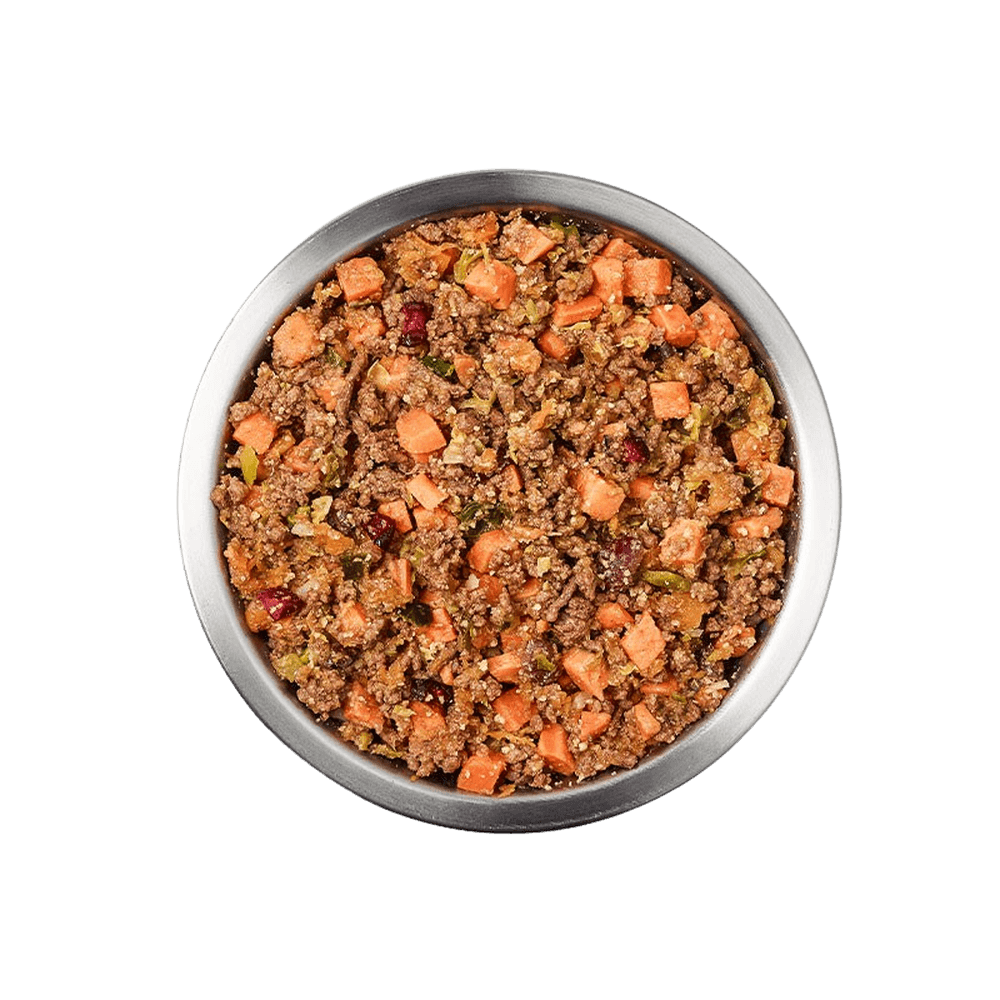
Avoiding a trigger protein? Check each recipe’s named protein against the allergens in this guide.
- Venison paired with squash and vegetables
- Fresh Frozen recipe for adult maintenance
- See the complete ingredient list
Novel protein depends on your dog’s own diet history.
Webvet may earn a commission when you click through to JustFoodForDogs, at no extra cost to you.
1. Beef
Beef is the single most common food allergen in dogs, implicated in roughly 34 percent of confirmed cases. The likely explanation is exposure: beef is a primary protein in most commercial dog foods, so dogs encounter it earliest and most often. Symptoms range from chronic ear infections and paw licking to gastrointestinal upset. Dogs allergic to beef should also avoid bouillon, gravies, and beef-flavored treats.
2. Dairy Products
Dairy is the second most common allergen, affecting roughly 17 percent of food-allergic dogs. Dogs lack significant lactase enzyme activity as adults, so dairy can cause two distinct reactions: a true immune allergy to dairy proteins (casein, whey) or a non-immune lactose intolerance. Cheese, yogurt, milk, ice cream, and any product containing milk solids should be avoided.

3. Chicken
Chicken affects roughly 15 percent of food-allergic dogs in the Mueller review. The high rate likely reflects high exposure: chicken is among the most commonly used proteins in commercial dog foods, so dogs encounter it earliest and most often. Some chicken-allergic dogs may also react to related avian proteins (turkey, eggs), though cross-reactivity should be confirmed with a veterinarian rather than assumed.
4. Wheat
Wheat is the most common grain allergen, affecting 13 percent of food-allergic dogs. The trigger is gluten and other wheat proteins, not the carbohydrate itself. Most dogs tolerate grains well; grain-free diets are not a default solution unless wheat is the confirmed trigger. The FDA has investigated reports of non-hereditary canine dilated cardiomyopathy in dogs eating certain grain-free diets but has not established a causal relationship; discuss grain-free diets with your veterinarian, especially for DCM-prone breeds.
5. Lamb
Lamb affects roughly 5 percent of food-allergic dogs. Lamb was historically marketed as a hypoallergenic protein because few dogs were exposed to it. As lamb-based diets became mainstream, however, exposure increased and allergies followed. Today lamb is no longer considered a novel protein.
6. Soy
Soy is a less common but well-documented allergen. It appears in many commercial dog foods as a protein supplement, in fillers, and in vegetable oils. Soybean meal and soy protein isolates are the typical sources. Dogs allergic to soy often also react to other legumes.
7. Eggs
Egg allergies in dogs are usually reactions to the egg white protein albumin. Dogs allergic to chicken often react to eggs as well. Eggs appear in commercial dog foods as a protein source and in many homemade recipes, so eggs should be eliminated during any food trial.
8. Corn
Corn is a frequent target of pet-food marketing, but the data does not support corn as a top-tier allergen. Corn allergies do exist but are less common than beef, dairy, chicken, wheat, or lamb. Most dogs tolerate corn well as a digestible carbohydrate source.
9. Fish
Fish allergies are uncommon but documented. Salmon, whitefish, and tuna can trigger reactions in sensitive dogs. Because fish is often used as a novel protein in hypoallergenic diets, a fish allergy makes elimination dieting more difficult.
How Do You Know If Your Dog Has a Food Allergy?
Food allergies in dogs manifest very differently than in humans. Where humans typically experience digestive symptoms, dogs primarily develop skin and ear issues. The American College of Veterinary Dermatology (ACVD) identifies the following as the canonical symptom pattern.
- Chronic itching, especially on the paws, ears, belly, and face. The itching is non-seasonal and does not respond to seasonal allergy treatments.
- Recurring ear infections (otitis externa). The same dog will have repeated ear infections every few weeks, often involving yeast or bacteria.
- Skin infections and hot spots. Inflamed, oozing patches of skin, often caused by the dog scratching or licking constantly.
- Hair loss in localized patches, especially around the eyes, ears, paws, and groin.
- Gastrointestinal upset, though less common than skin issues. Vomiting, diarrhea, gas, or unusually frequent bowel movements (sometimes 3 to 5 times a day).
The AKC and PetMD both emphasize that food allergies typically develop after months or years of exposure to the same ingredient. A dog who has eaten the same food for two years and suddenly develops chronic itching is a classic food-allergy presentation. Puppies under 6 months old are less commonly diagnosed with true food allergies than older dogs (their immune systems are still developing); presenting symptoms in this age group are more often environmental or parasitic. Veterinary evaluation should rule out parasites and environmental triggers before considering food allergy.
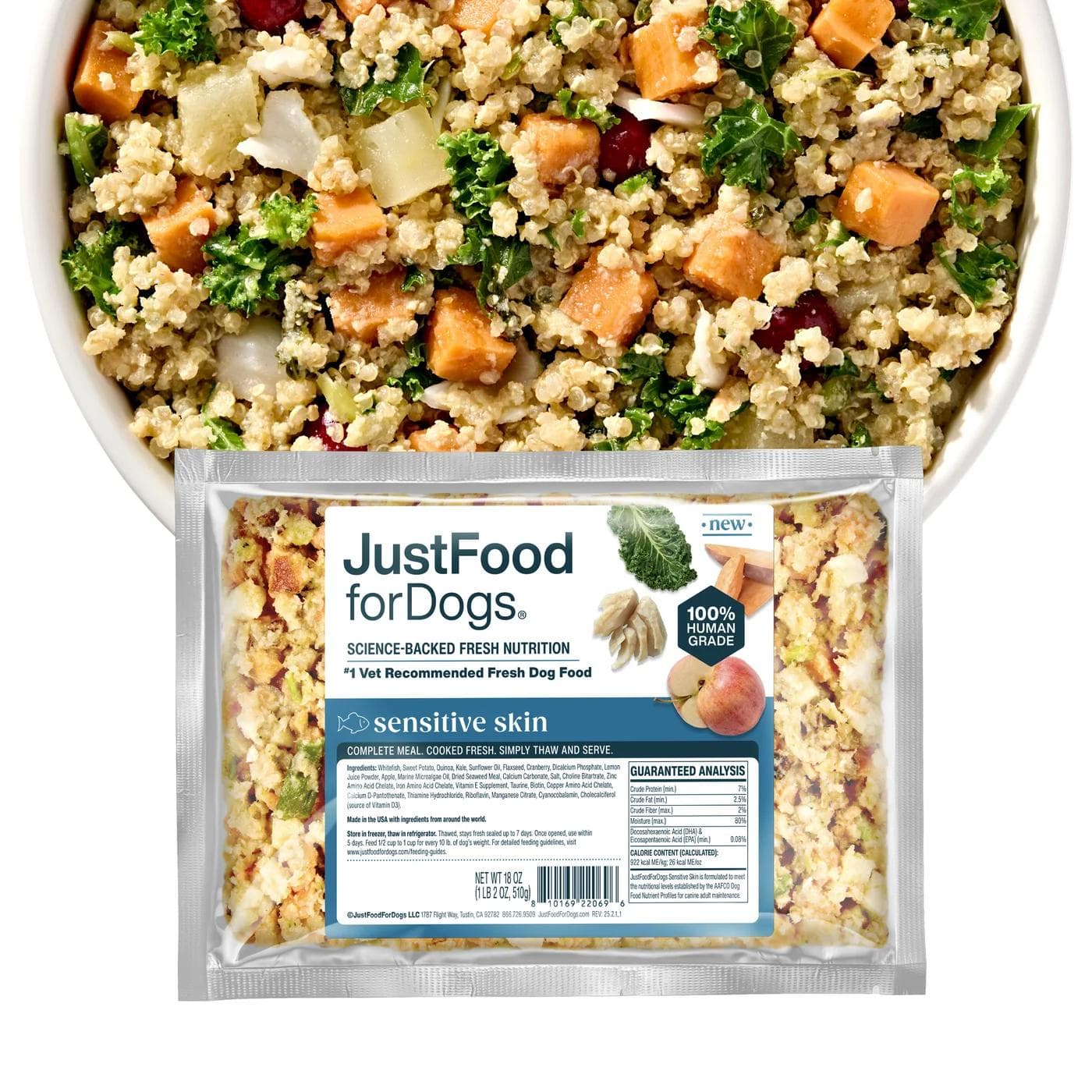
Avoiding a trigger protein? Check each recipe’s named protein against the allergens in this guide.
- Whitefish-based Fresh Frozen recipe
- Made for adult dogs
- Review the full ingredient list with your vet
Choose a recipe around your dog’s known food triggers.
Webvet may earn a commission when you click through to JustFoodForDogs, at no extra cost to you.
How Are Food Allergies Diagnosed in Dogs?
There is no reliable blood test or skin-prick test for food allergies in dogs. The AVMA and the American College of Veterinary Dermatology agree that the only valid diagnostic approach is a strict elimination diet trial of 8 to 12 weeks.
The Elimination Diet Protocol
The protocol works as follows. Your veterinarian will prescribe either a hydrolyzed protein diet (where the protein is broken into low-molecular-weight peptide fragments intended to reduce the likelihood of immune recognition) or a single novel-protein diet (using a protein the dog has never eaten, like venison, kangaroo, or rabbit). The dog eats only that diet for 8 to 12 weeks. No treats, no flavored medications, no human food scraps, no other proteins. If symptoms resolve during the trial and recur within 14 days of reintroducing the original food, food allergy is confirmed.
What an At-Home Trial Cannot Diagnose
Over-the-counter limited-ingredient diets are not adequate for a true diagnostic trial. They often contain trace amounts of multiple proteins from shared manufacturing lines. They can manage mild sensitivities but cannot rule out a true food allergy. If your dog's symptoms persist after 8 to 12 weeks on an OTC LID, the diet was likely not strict enough; this requires a prescription diet under veterinary supervision.
Avoiding a trigger protein? Check each recipe’s named protein against the allergens in this guide.
- Whitefish-based Fresh Frozen recipe
- Made for adult dogs
- Review the full ingredient list with your vet
Choose a recipe around your dog’s known food triggers.
Webvet may earn a commission when you click through to JustFoodForDogs, at no extra cost to you.
How to Feed a Dog with Suspected Food Allergies
Once an allergy is suspected or diagnosed, four food categories make sense, ordered by clinical evidence. Just Food For Dogs offers veterinary-developed options in two of the four categories (LID and limited-ingredient fresh), making it our editorial pick for the over-the-counter tier.
1. Just Food For Dogs Sensitive Skin (OTC limited-ingredient option)
Just Food For Dogs offers limited-ingredient OTC recipes formulated by board-certified veterinary nutritionists for dogs with food-related skin sensitivities. The Sensitive Skin recipe is a wild-caught white fish formulation (cod, pollock, and haddock) labeled for adult maintenance, enriched with omega-3 and omega-6 fatty acids plus concentrated EPA and DHA to nourish skin and support a healthy coat; the Fish & Sweet Potato recipe is a fish-based limited-ingredient option labeled for adults and puppies per the JFFD product page. Both use transparent whole-food ingredients (significantly fewer inclusions than the typical 8 to 12 ingredients found in conventional kibble) and are gently cooked from USDA-inspected human-grade ingredients before being shipped frozen for nutrient preservation. Each meal is whole-food, human-grade, and free from preservatives, artificial colors, or flavor enhancers.
Pros
- Board-certified veterinary nutritionist formulation
- Human-grade ingredients (USDA-inspected at the ingredient level)
- Multiple limited-ingredient recipes available (Sensitive Skin for adults, Fish & Sweet Potato for adults and puppies)
- Gently cooked, no preservatives or artificial flavors
- Whole-food traceable ingredients you can recognize on the label
Cons
- $4 to $7 per day for a 30-pound dog (higher than mainstream kibble)
- Limited flavor variety compared to kibble
- Not a substitute for a prescription hydrolyzed diet when allergies are diagnosed
2. Prescription Hydrolyzed Protein Diets (Rx)
For confirmed food allergies, prescription hydrolyzed protein diets are the gold standard. The protein is broken down enzymatically into low-molecular-weight peptide fragments intended to reduce the likelihood of immune recognition. The three major options are Purina Pro Plan Veterinary Diets HA Hydrolyzed, Hill's Prescription Diet z/d Skin/Food Sensitivities, and Royal Canin Veterinary Diet Hydrolyzed Protein HP. All three require veterinary authorization to purchase and run $4 to $7 per day for a 30-pound dog.
Pros
- Gold-standard mechanism for diagnosed food allergies
- Extensive veterinary clinical research backing
- Controlled distribution through veterinarians ensures quality oversight
- Single hydrolyzed protein eliminates immune recognition
Cons
- Requires veterinary authorization to purchase
- Less palatable than fresh foods (some dogs refuse)
- Higher carbohydrate ratio than fresh alternatives
- Not human-grade
3. Single Novel Protein Diets
A novel protein is a protein the dog has never eaten before, so the immune system has not had a chance to develop sensitivity. Common novel proteins include venison, alligator, kangaroo, rabbit, duck, and (in some cases) bison. Single novel protein diets work for elimination trials and for ongoing management once a triggering protein has been identified. Natural Balance Limited Ingredient Diets and Zignature both offer good OTC novel-protein options.
Avoiding a trigger protein? Check each recipe’s named protein against the allergens in this guide.
- Venison paired with squash and vegetables
- Fresh Frozen recipe for adult maintenance
- See the complete ingredient list
Novel protein depends on your dog’s own diet history.
Webvet may earn a commission when you click through to JustFoodForDogs, at no extra cost to you.
4. Veterinary Nutritionist-Designed Home-Cooked Diets
For owners committed to cooking, a balanced home-cooked diet can work, but it must be designed by a board-certified veterinary nutritionist. The risk of nutritional imbalance from unsupervised recipes is high. Balance.it is a veterinary nutritionist-developed recipe builder; some recipes require Balance.it's own supplement products or specific veterinary review to be considered complete and balanced. Once a balanced recipe is established, the elimination trial follows the same 8 to 12-week protocol.
What's the Difference Between a Food Allergy and a Food Intolerance?
Food allergies are immune-mediated reactions: the dog's immune system identifies a normally harmless protein as a threat and mounts an inflammatory response. Symptoms are primarily skin-related (itching, ear infections, hot spots) and develop after repeated exposure. Food intolerances are non-immune reactions, usually due to a digestive enzyme deficiency (lactose intolerance in dogs, for example) or a sensitivity to a specific ingredient or additive. Symptoms are primarily gastrointestinal (vomiting, diarrhea, gas, bloating) and can occur on the first exposure. The two conditions are sometimes confused because the same ingredient (beef, dairy, chicken) can trigger either. Diagnosis and treatment differ. See our companion article on food intolerance in dogs for a deeper breakdown.
Common Myths About Allergens in Dog Food
Myth: Grain-free is hypoallergenic
False. Grain allergies (especially wheat) account for only about 13 percent of food allergies in dogs, while protein allergies (beef, dairy, chicken) account for the majority of confirmed cases. Switching to grain-free has no benefit unless wheat or corn has been confirmed as the trigger. The FDA's open investigation into reports of non-hereditary canine dilated cardiomyopathy associated with certain diets (especially diets high in pulses or potatoes) has not established a causal relationship; discuss any grain-free diet with your veterinarian, especially for DCM-predisposed breeds.
Myth: Organic ingredients prevent allergies
False. Organic certification has no bearing on whether the dog is allergic to the protein. An allergic dog will react to organic chicken the same way as conventional chicken. Organic and natural labeling are about farming practices, not allergen content.
Myth: Raw diets cure food allergies
False. Raw diets contain the same proteins as cooked diets, so allergic reactions persist if the trigger protein is present. The Pet Dermatology Clinic notes that raw diets do not improve food allergies and carry significant pathogen risks (Salmonella, Listeria, E. coli) for both dogs and the humans handling the food.
How Long Does It Take Food Allergies to Clear Up?
Symptoms typically begin improving within 4 to 6 weeks of starting a strict elimination diet, with full resolution by 8 to 12 weeks. Skin issues such as itching and recurrent ear infections often resolve fastest, while severe inflammation or secondary bacterial or yeast infections may require up to 16 weeks of continuous trial along with topical or systemic treatment. Reintroduction challenge testing, in which the suspected trigger is deliberately added back to confirm sensitivity, takes an additional 1 to 2 weeks. Veterinary dermatology guidance is that clinical improvement during the trial period is not considered definitive until symptoms recur after the deliberate reintroduction of the original food, with a reintroduction-response window commonly cited at 7 to 14 days in veterinary literature.
Protein-Specific Allergy Patterns
The five most common protein-based allergens, per the Mueller et al. 2016 PubMed-indexed review, show distinct presentation patterns. Beef allergies, accounting for 34 percent of confirmed cases, most often produce dermatologic symptoms with secondary ear infections. Dairy allergies (17 percent) commonly present as gastrointestinal upset including diarrhea, gas, and bloating in addition to skin issues. Chicken allergies (15 percent) typically cause facial and paw itching with chronic otitis externa. Wheat sensitivity (13 percent) often presents alongside dietary intolerance to grains, while lamb allergies (5 percent), historically marketed as hypoallergenic, are now recognized as a significant trigger. Cross-reactivity between proteins is rare but documented in chicken-allergic dogs reacting to other poultry such as turkey or duck.
Frequently Asked Questions
What are the most common allergens in dog food?
The five most common allergens in dog food are beef (34 percent of confirmed cases), dairy (17 percent), chicken (15 percent), wheat (13 percent), and lamb (5 percent), per the 2016 NIH-cited study by Mueller and colleagues. Less common but documented allergens include soy, egg, corn, fish, and pork. Beef, dairy, and chicken together account for roughly two-thirds of all confirmed canine food allergies.
What are the most commonly reported food allergens for dogs?
Per the Mueller et al. 2016 review of 297 dogs with confirmed cutaneous adverse food reactions, beef (34 percent), dairy (17 percent), chicken (15 percent), wheat (13 percent), and lamb (5 percent) are the most-commonly-reported allergens. Soy, corn, eggs, pork, fish, and rice are documented but less common. Aggregate percentage figures vary by source; the Mueller review remains the most-cited PubMed-indexed reference.
Can a dog suddenly develop a food allergy?
Food allergies develop after repeated exposure to an ingredient, so 'sudden' is misleading. A dog who has eaten chicken for two years can develop a clinical allergy to chicken because the immune system has had time to sensitize. Puppies under 6 months old are less commonly diagnosed with true food allergies than older dogs (their immune systems are still developing); presenting symptoms in this age group are more often environmental or parasitic. The most common age of first food-allergy diagnosis is 1 to 5 years.
How long does it take to clear up food allergies in dogs?
On a strict elimination diet, symptoms typically begin to improve within 4 to 6 weeks, with full resolution by 8 to 12 weeks. Skin issues take longer than digestive issues. If no improvement appears by 12 weeks, the diet was likely not strict enough (an OTC LID may contain trace allergens from shared manufacturing) or the dog has environmental rather than food allergies.
Is grain-free dog food better for dogs with allergies?
Not unless grain has been specifically identified as the trigger. Grain allergies account for only about 13 percent of food allergies in dogs; protein allergies are far more common. The FDA has investigated potential links between grain-free diets and canine dilated cardiomyopathy. Choose grain-inclusive formulas unless your veterinarian has confirmed a grain allergy.
What are the signs of a dog food allergy?
The signs of a dog food allergy primarily affect the skin and ears, not the digestive tract. The most common signs are chronic itching (especially paws, ears, face, and belly), recurring ear infections, hot spots, skin infections, and localized hair loss. Gastrointestinal upset (vomiting, diarrhea, gas) is a less common but documented sign. Symptoms develop after months or years of exposure to a trigger ingredient and persist year-round (vs seasonal allergies). Signs that suggest food allergy rather than environmental allergy include non-seasonal itching, food-specific symptom timing, and lack of response to standard environmental-allergy treatments.
What is the cleanest brand of dog food for an allergic dog?
There is no single 'cleanest' dog food brand for an allergic dog; the most appropriate diet depends on whether a true food allergy is confirmed by an elimination diet trial and which protein has been identified as the trigger. For diagnosed allergies, a prescription hydrolyzed diet (Purina Pro Plan HA, Hill's z/d, Royal Canin Veterinary Diet Hydrolyzed Protein HP) is the most defensive choice. For mild sensitivities under veterinary guidance, brands with transparent ingredient sourcing and strong manufacturing standards include Just Food For Dogs (USDA-inspected human-food kitchens), The Honest Kitchen, and Open Farm. Independent testing rankings change as products are reformulated; consult each brand's current published documentation rather than relying on older third-party rankings.
What does an itchy skin from food allergy look like vs environmental?
Food allergy itchy skin is non-seasonal (year-round) and concentrated on the paws, ears, face, belly, and anal area. Environmental allergy itchy skin (atopic dermatitis) is often seasonal and concentrated on similar areas but worsens with pollen exposure or specific environmental triggers. The majority of itchy dogs in dermatology practice are diagnosed with environmental allergies rather than food allergies (exact prevalence varies by source per ACVD educational materials). A protein allergy in dogs is specifically an immune reaction to a specific food protein, with skin symptoms appearing within hours to days of consumption.
Explore More Dog Food Guides
Each of these companion guides drills into a related dog food topic:
- Best Dog Food for Allergies, a vet-reviewed buyer's guide to the 9 best dog foods for diagnosed and suspected food allergies
- Food Intolerance in Dogs, how to distinguish food allergies from intolerances and treat each correctly
- Dog Food for Sensitive Stomachs, the best foods for dogs with digestive sensitivities and easily upset stomachs
- Human-Grade Dog Food, what 'human-grade' actually means under AAFCO 2019 standards
- Fresh Dog Food, fresh, gently cooked options compared by cost, format, and palatability
How Should You Feed a Dog with Food Allergies?
Start with the diagnostic step: schedule a veterinary visit before changing the food. If your veterinarian suspects food allergy, ask about a prescription hydrolyzed diet for the 8 to 12-week elimination trial. If a true allergy is confirmed and identified, transition to a limited-ingredient diet that excludes the trigger protein. For mild sensitivities or for dogs whose allergies have already been identified, JFFD Sensitive Skin (frozen, adult, a wild-caught white fish recipe with skin-supporting omega-3 and omega-6 fatty acids) or JFFD Fish & Sweet Potato (frozen, adults and puppies) are editorial picks at the over-the-counter tier, gently cooked from USDA-inspected human-grade ingredients. OTC limited-ingredient diets do not replace prescription hydrolyzed diets in diagnosed allergy cases.
Veterinarian · BVMS MRCVS
Dr. Pippa Elliott, BVMS, MRCVS, is a veterinarian with nearly 30 years of experience in companion animal practice. Dr. Elliott earned her Bachelor of Veterinary Medicine and Surgery from the University of Glasgow. She was also designated a Member of the Royal College of Veterinary Surgeons. Married with 2 grown-up kids, Dr. Elliott has a naughty Puggle named Poggle, 3 cats and a bearded dragon.


