Why Is My Dog So Itchy? Common Causes of Canine Pruritus
Occasional scratching is normal, but constant licking, chewing, or head shaking usually is not. A veterinarian explains the 7 most common causes of itching in dogs, which remedies genuinely help, and when scratching needs a vet visit.

MRCVS
Medically reviewed by Dr. Joanna Woodnutt, MRCVS · Last reviewed

This article contains affiliate links. Webvet may earn a commission when you buy through them, at no extra cost to you.
It is the middle of the night, and suddenly you hear jangling. It is not Santa, though: it is just the dog, scratching her neck again. An hour later, she is at it again. If you have found yourself asking why is my dog so itchy at 3 a.m., you are in the right place.
As a vet, I have seen plenty of itchy dogs, and my own dog is pretty itchy too. Itchiness is medically termed pruritus. While occasional scratching is completely normal, frequent licking, chewing, scratching, or head shaking usually points to an underlying problem.
In this article, I will cover the common causes of itching in dogs, how vets work out what is behind your dog's pruritus, which remedies genuinely help (and which do not), and when it is time to schedule an appointment with your veterinarian.
- 1Allergies and parasites (usually fleas) are the top reasons dogs itch, and skin infections often pile on top of the original cause.
- 2Constant scratching is not just annoying: it breaks the skin, lets in bacteria and yeast, and fuels the itch-scratch cycle.
- 3Home remedies such as oatmeal baths, coconut oil, and omega-3s can soothe, but none of them treat the underlying cause.
- 4Modern prescription options such as Apoquel and Cytopoint control allergic itch far better than antihistamines, which research does not support.
- 5See your veterinarian if scratching is frequent, skin looks red or smells sour, or your dog is losing sleep to the itch.
Why Dogs Itch: The Big Picture
There are loads of reasons dogs can be itchy. Where they itch, whether that is ears, feet, or all over, gives us some clues, but it is not an exact science. Special nerve endings in the skin feel the itch, and the dog scratches, licks, or chews in response.
The trouble starts when itching becomes constant. Claws and teeth break the skin, letting in bacteria, allergens, and yeasts. The damaged skin becomes inflamed, which makes your dog even itchier. Vets call this the itch-scratch cycle.
This cycle can really confuse the clinical picture. Dogs can have underlying allergies with an infection on top. Fleas can complicate things further. And, just to keep us on our toes, dogs can be allergic to fleas themselves.
Location does offer hints. Flea allergy classically targets the rump and tail base, atopy favors the feet, face, armpits, and ears, and sarcoptic mange loves ear edges and elbows. Vets weigh these patterns carefully, but no location is exclusive to one cause, which is why testing matters.
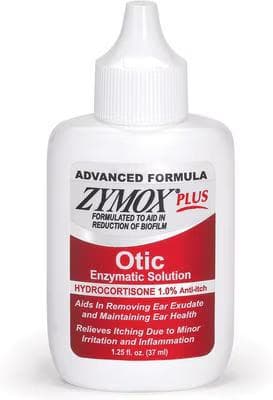
Webvet may earn a commission when you click through to Chewy, at no extra cost to you.
Why Is My Dog Suddenly So Itchy?
Sudden, intense itching in a dog that was fine last week points first to parasites, insect bites or stings, or contact irritation from something new, such as a different shampoo or a freshly cleaned carpet. Fleas are the classic culprit, even in dogs on patchy prevention.
Seasonal allergy flares can also appear abruptly, often in spring and summer when pollen counts climb. If sudden itching comes with hives, facial swelling, or rapidly worsening skin damage, contact your veterinarian promptly rather than waiting it out.
Are Some Breeds More Prone to Itching?
Yes. According to VCA Animal Hospitals, breeds predisposed to atopic dermatitis include West Highland White Terriers, French Bulldogs, English Bulldogs, Labrador and Golden Retrievers, German Shepherds, Boxers, Cocker Spaniels, and Shar-Peis.
Atopy usually shows up for the first time in young adult dogs, so a Westie who starts chewing her paws at age two fits the classic pattern. That said, any breed, at any age, can develop itchy skin, so breed alone never rules a cause in or out.
Why Is My Dog So Itchy: 7 Common Causes of Itching in Dogs
Here are the seven causes of canine pruritus that vets like me see most often. Keep in mind that many itchy dogs have more than one of these going on at the same time.
| Cause | Typical clues |
|---|---|
| Fleas and flea allergy | Scratching around the rump and tail base; flea dirt in the coat, sometimes with no visible fleas |
| Environmental allergies (atopy) | Paw licking, face rubbing, recurrent ear infections; often seasonal at first |
| Food allergies | Year-round itching, sometimes with chronic or recurring tummy upset |
| Skin infections | Sour smell, warm red skin, greasiness, or moist raw patches |
| Mange and mites | Intense scratching at ear edges, elbows, and belly; can appear suddenly |
| Ear infections | Head shaking, ear scratching, discharge, and a yeasty odor |
| Dry skin or overbathing | Flaky, dull coat and mild all-over itching |

1. Fleas and Flea Allergy Dermatitis
Fleas are a very common cause of dog itching, but your dog does not have to be crawling with them. Dogs can be hypersensitive to flea saliva, meaning just one bite sets them off scratching like they are going for a world record.
We call this flea allergy dermatitis (FAD), and it is one of the most common allergic skin diseases in dogs. It is similar to the way some humans react badly to mosquito bites: a tiny trigger, a huge response.
Remember that the adult fleas on your dog are just the tip of the iceberg. The eggs and larvae live in carpets and bedding, so treating the house, washing bedding on a hot cycle, and covering every pet in the home is what actually breaks the cycle.
The nice thing about fleas (there is something you never thought you would read) is that they are straightforward to treat with consistent, year-round prevention. Learn exactly what to look for in our guide to fleas on dogs.
2. Environmental Allergies (Atopy)
Environmental allergies, also called atopy or atopic dermatitis, are unfortunately very common. The immune system over-reacts to pollen, dust mites, or molds in the air, making the skin itch furiously. It is the doggy equivalent of eczema.
Some dogs react to a single allergen; others are allergic to just about everything. I once saw a dog we eventually decided was allergic to Christmas trees, as he only itched in December. He was lucky: house dust mite allergy is far more common, and those dogs itch year-round.
Atopy does not always look like scratching, either. Recurring ear infections, anal gland problems, and constant foot licking are classic signs. If your dog will not leave her feet alone, our guide to dog paw licking explains what to check.

Environmental allergies cannot be cured, but they can be managed well. Options range from allergy testing and immunotherapy through to medicated shampoos, injections, and daily anti-itch medication, all of which I cover in the treatment section below. For an evidence-aware look at adjunctive gut support, see WebVet's guide to probiotics for dogs with allergies and the gut-skin connection.
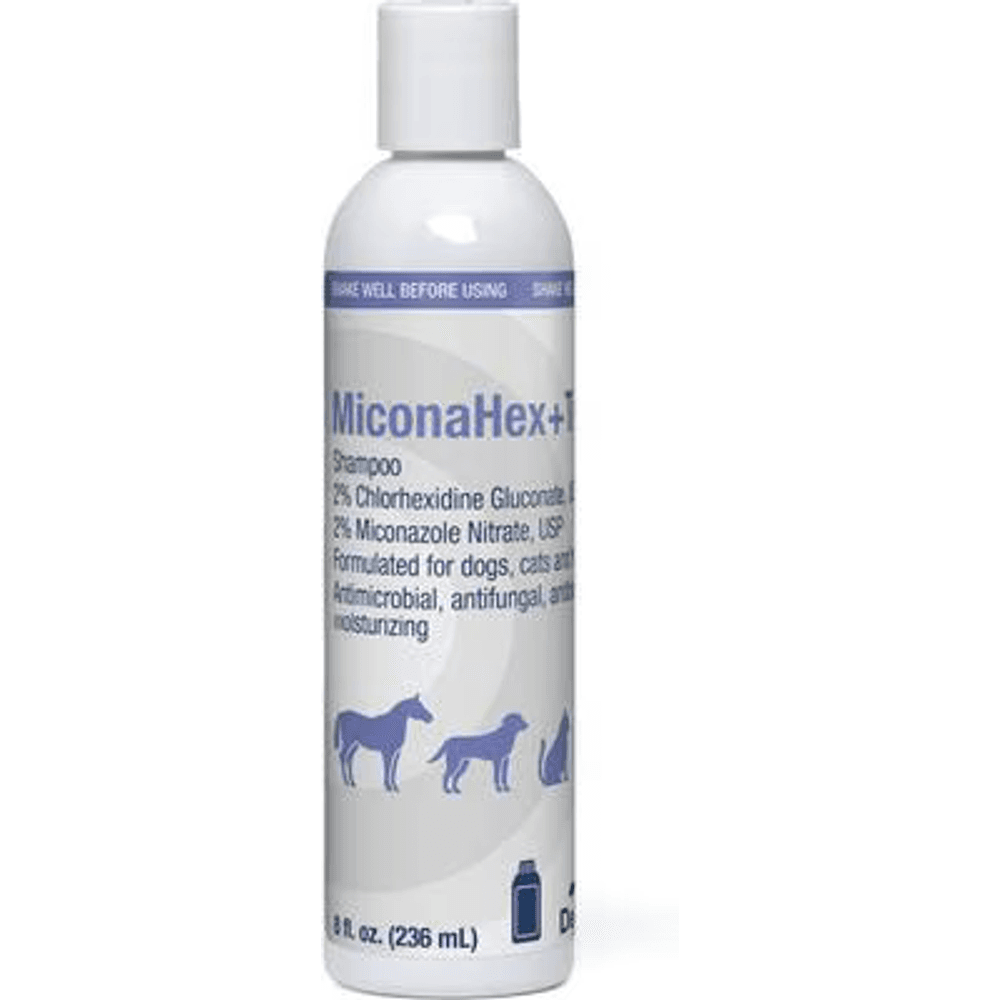
A vet-strength medicated shampoo pairing 2% chlorhexidine and 2% miconazole, a potent antifungal and antibacterial combination widely used to help clear ringworm and yeast or bacterial skin infections.
Webvet may earn a commission when you click through to Chewy, at no extra cost to you.
3. Food Allergies or Sensitivities
Food allergies are to blame in only about 20% of itchy dogs, but they are the thing everyone focuses on. I suppose it is easier to imagine an allergy to something your dog ate than to something she was unlucky enough to walk past on a walk.
Contrary to popular opinion, most canine food allergies are to proteins such as chicken and beef. True grain allergies are rare. Dogs become allergic to foods over time, so a diet they have eaten happily for years can still be the problem.
Alongside itching, food-allergic dogs often have chronic or recurrent tummy trouble. Do not get sucked into buying a mail-order allergy test: they do not work for food allergies. A strict, vet-supervised elimination diet trial is the only reliable way to diagnose them.
Not sure whether food or fleas are behind your dog's skin trouble? Our guide to telling food allergies from flea problems walks through the differences.
4. Skin Infections (Bacterial or Yeast)
Skin infections cause some of the worst pruritus vets see, but they are almost always secondary to something else. Allergies, parasites, or constant scratching damage the skin's protective barrier and let bacteria and yeast take hold.
Underlying hormonal imbalances, such as hypothyroidism or Cushing's disease, can also weaken the skin's defenses. As well as itching, you might notice a sour smell, warm red skin, excessive greasiness, or moist raw patches.
Those raw, oozing patches that seem to appear overnight are often acute moist dermatitis, better known as hot spots on dogs. Whatever the trigger, established infections need vet-prescribed medicated shampoos or antibiotics before they will leave.
5. Mange and Other Mites
Mites are tiny parasites that cause outsized misery. Sarcoptic mange (scabies) is among the itchiest conditions in veterinary medicine, causing frantic, relentless scratching that often starts at the ear edges, elbows, and belly.
Sarcoptic mange is contagious to other dogs and can temporarily affect humans too, so a quick diagnosis matters. Demodectic mange, caused by a different mite, is usually much less itchy unless a skin infection develops on top of it.
Ear mites, harvest mites, and walking dandruff (Cheyletiella) round out the list, alongside lice in less-pampered pets. The good news: modern parasite treatments handle mites very well once your veterinarian identifies them, often using the same products that control fleas.
6. Ear Infections
An itchy dog that mainly shakes her head or scratches at her ears may have otitis externa, an infection or inflammation of the ear canal. Ear infections are extremely common in dogs and are frequently driven by underlying allergies.
Look for redness, discharge, a yeasty smell, or a dog who cries when her ears are touched. Ear infections rarely clear on their own, and home remedies can make them worse, especially if the eardrum is damaged. Your vet needs to examine the canal and prescribe the right drops.
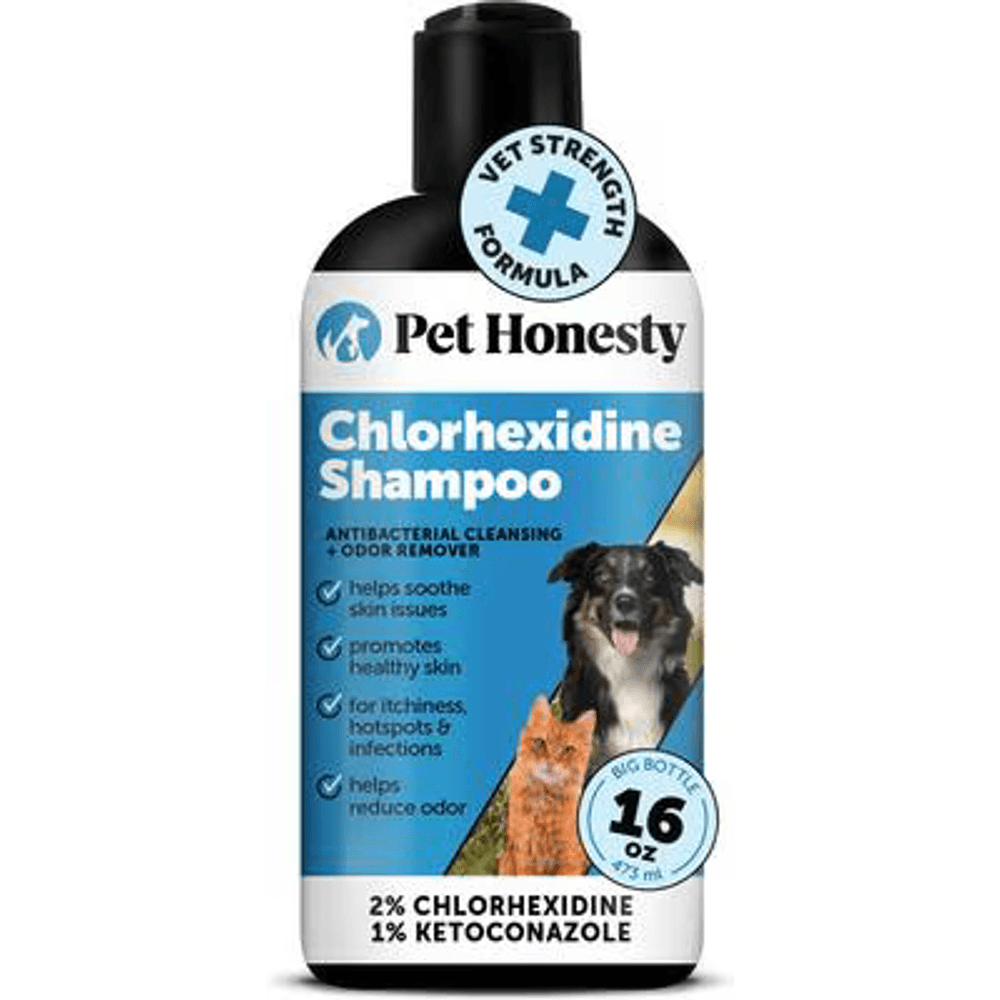
A vet-strength medicated shampoo with 2% chlorhexidine and 1% ketoconazole, the antifungal and antibacterial combination vets use to help clear ringworm and skin infections and to cut fungal spore shedding during treatment.
Webvet may earn a commission when you click through to Chewy, at no extra cost to you.
7. Dry Skin or Overbathing
Shampooing dogs is good. Overbathing is bad. Frequent baths, harsh shampoos, and dry winter air all strip the coat's natural oils, leading to flaky, itchy skin.
If your dog's coat looks dull and dandruffy, review your bathing routine, switch to a moisturizing dog shampoo, and ask your vet about omega-3 fatty acid supplements to support the skin barrier from the inside.
 $65 · no membership
Is your dog's itching or skin issue getting worse?
A licensed vet can examine your dog over video and prescribe treatment online when it's appropriate.
 Talk to a vet
- Licensed vets
- All 50 states
- same-day Rx

Webvet may earn a commission if you book.
Less Common Causes of Itching in Dogs
If none of the big seven fits, there are plenty of rarer reasons a dog might be itchy. These are worth knowing about, especially if your dog's itching has resisted the usual treatments.
- Insect bites and stings: mosquitoes, ants, and wasps can trigger short-lived but intense itching and swelling
- Lice: uncommon in well-cared-for dogs but very itchy when present, and easily treated once spotted
- Contact irritation: harsh cleaning products, certain plants, or a new bed or shampoo can inflame the skin they touch
- Hormonal disease: hypothyroidism and Cushing's disease change the skin and invite itchy secondary infections
- Pain: dogs sometimes lick or chew at a sore joint or painful spot, which can masquerade as itching
- Stress and boredom: some dogs lick repeatedly to self-soothe, which can leave skin sore and infected
Stress-related licking deserves a special mention because it looks so much like allergic itching. Licking is inherently calming for dogs, so anxious dogs may do it compulsively. If your dog is the worried type, redirecting the habit onto a lick mat and asking your vet about a behavior consult can both help.
How to Tell When It's Serious
Frequent scratching or constant licking is a red flag that something is not right. While itching is rarely life-threatening, it is genuinely miserable, and it chips away at your dog's quality of life (and your sleep). I recommend booking a vet appointment if you notice:
- Persistent scratching, chewing, or licking, noticed more than a couple of times a day
- Sore skin, redness, scabs, or thinning fur and bald patches
- Head shaking and scratching at the ears
- A foul or yeasty smell to the skin
- Restlessness or waking at night to scratch
It is also worth acting sooner for puppies, elderly dogs, and dogs with other health conditions, whose skin problems can escalate faster. And if anyone in the household develops itchy bites themselves, mention it to your vet: that detail points strongly toward fleas or sarcoptic mange.
Diagnosis: How Vets Find the Cause

You may arrive at the clinic wanting a one-line answer to why is my dog so itchy, but there is rarely a simple one. Your vet will start with a thorough physical exam and a detailed history of your dog's itching and general health.
The first step is ruling out parasites and infections, usually with skin scrapes, tape samples, and a look under the microscope. These quick tests catch mites, yeast, and bacteria, and they steer treatment straight away.
Once those are excluded, a vet-supervised food elimination trial is the next move. Food allergies are less common than environmental ones, but they must be ruled out before your vet can confidently diagnose atopy.
Blood testing or intradermal skin testing can then identify which environmental allergens your dog reacts to, which is essential if you want to pursue immunotherapy. Finding environmental allergies does not rule out food allergies, though: some unlucky dogs have both.
A practical tip: take short videos of the itching at home and note when and where it happens, what your dog was doing beforehand, and any seasonal pattern. Dogs often refuse to perform their symptoms in the consult room, and that history genuinely speeds up diagnosis.
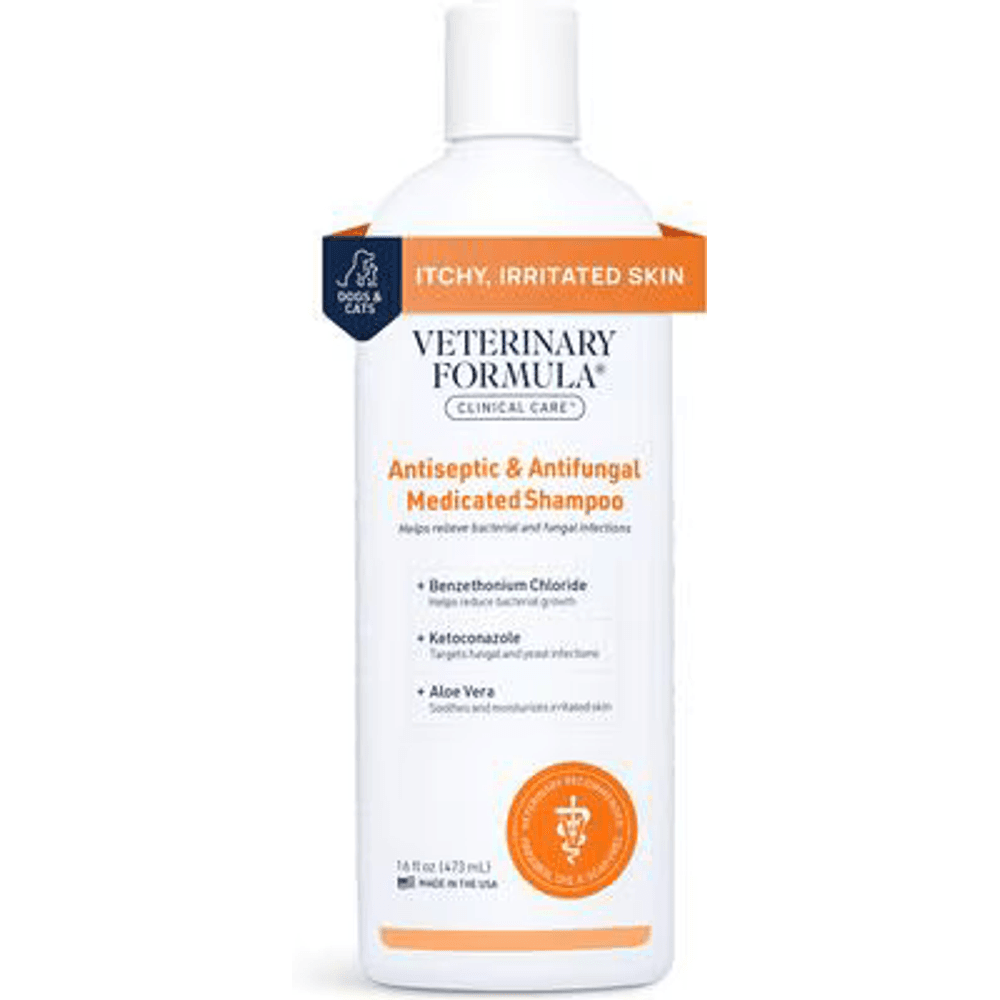
A budget-friendly medicated shampoo with ketoconazole and benzethonium chloride that helps control the fungal and bacterial skin infections behind ringworm, with aloe to soothe irritated skin.
Webvet may earn a commission when you click through to Chewy, at no extra cost to you.
Treatment and Relief Options
Parasites and infections can usually be cleared completely, bringing fast, lasting relief. Your veterinarian may prescribe flea and mite treatment, medicated shampoo, ear drops, or a course of antibiotics, depending on what the tests show.
Allergies are more complex, and this is where treatment has improved enormously over the last decade. According to the Merck Veterinary Manual, current research does not support antihistamines for itch relief in dogs, but several modern medications work very well.
Your veterinarian may prescribe Apoquel (oclacitinib), a daily tablet in the JAK inhibitor family that switches off itch signaling, or Cytopoint (lokivetmab), an injection given roughly every four to eight weeks that blocks a key itch protein. Read our full guide to Apoquel for dogs for details.
Steroids remain useful for short bursts, cyclosporine helps some dogs, and allergen-specific immunotherapy is the only treatment that can retrain the immune system itself, significantly reducing itching in about half of treated dogs over several months to a year.
| Treatment | What it is | Good to know |
|---|---|---|
| Apoquel (oclacitinib) | A daily anti-itch tablet in the JAK inhibitor family | Starts working quickly on allergic itch; prescription-only with vet monitoring |
| Cytopoint (lokivetmab) | An injectable antibody that blocks a key itch-signal protein | Given at the clinic roughly every four to eight weeks |
| Corticosteroids | Anti-inflammatory drugs such as prednisone | Effective and inexpensive, but best kept short-term because of side effects |
| Cyclosporine (Atopica) | A daily immune-modulating medication | Takes several weeks to reach full effect |
| Allergen-specific immunotherapy | Custom injections or drops based on allergy test results | The only option that can retrain the immune system; significantly reduces itching in about half of treated dogs |
| Antihistamines | Human allergy tablets sometimes tried in dogs | Current research does not support them for itch relief; use only if your vet suggests a trial |
Every option has trade-offs, from bloodwork monitoring on long-term medication to budget considerations with the newer drugs. The right plan depends on your dog's severity, age, and your circumstances, so your veterinarian will tailor it rather than reaching for one-size-fits-all.
Whatever the cause, moisturizing shampoos and omega-3 fatty acid supplements support a healthier skin barrier that is better able to fend off allergens, parasites, and infection. Think of them as helpers, though, not headline treatments.
Home Remedies for Itchy Dogs: What Helps and What Does Not
If you are here on the internet, you may not love my first piece of advice, which is to schedule a vet appointment. Until you know the cause, anything you try at home is guesswork, and some of that guesswork wastes money or makes things worse.
That said, a few home measures can genuinely take the edge off while you wait for an appointment. Here is my honest take on the popular ones.
Oatmeal Baths

A lukewarm bath with a colloidal oatmeal dog shampoo is the best quick soother on this list. Oatmeal calms inflamed skin, and the bath rinses away pollen and dust trapped in the coat. The relief is real but temporary, typically lasting a day or two.
Use lukewarm water rather than hot, which makes itching worse, and stick to products formulated for dogs. An oatmeal bath will not fix fleas, an infection, or the underlying allergy, so treat it as comfort care, not a cure.
Coconut Oil
Coconut oil is hugely popular and only mildly useful. A thin layer rubbed into dry, flaky patches can act as a moisturizer, and most dogs come to no harm from it. There is little scientific evidence that it relieves allergic itching, though.
The main downsides are greasy furniture and the fact that most dogs lick it straight off, adding fat calories and sometimes upsetting their stomach. Never rely on coconut oil to treat broken or infected skin.
Omega-3 Fatty Acid Supplements
Omega-3s from fish oil are the best-evidenced supplement for itchy dogs. They support the skin barrier and dial down inflammation. The Merck Veterinary Manual notes they are rarely effective on their own, but they can help meaningfully when used long-term alongside other treatment.
Expect to wait several weeks to see any benefit, and ask your veterinarian to recommend a product and amount suited to your dog's size. More is not better with fish oil.
Whatever you try at home, keep notes on what you used and whether it helped. If the itching persists beyond a week or two, or worsens at any point, stop experimenting and book the exam.
Everyday Habits That Reduce Itching
Alongside the remedies above, a few simple routines lower the overall allergen and parasite load on your dog's skin:
- Feed a high-quality, complete and balanced diet to support skin health
- Bathe no more than every one to two weeks unless your vet advises otherwise
- Wipe or rinse your dog's paws and belly after walks to remove pollen
- Wash bedding weekly, and wash any dog coats and boots regularly too
- Buy smaller bags of dry food, or freeze portions, to discourage storage mites
- Keep flea prevention going year-round, with no gaps, for every pet in the house
- Consider an air purifier to reduce the allergen load indoors
FAQs
One rare cause belongs on the list when nothing else fits: if red, scaly, itchy patches keep returning despite months of allergy treatment, ask your veterinarian about a skin biopsy. Cutaneous lymphoma is an uncommon skin cancer that imitates allergies for months before diagnosis.
Frequently Asked Questions
What can you do when your dog is itchy?
Book a veterinary exam to find the cause, and check that flea prevention is current for every pet in the home. In the meantime, a lukewarm oatmeal bath can soothe irritated skin, and wiping paws after walks reduces allergen load. Avoid human medications and creams unless your vet approves them.
Why is my dog so itchy but not fleas?
Environmental allergies, food allergies, mites, skin infections, ear infections, and dry skin can all make a dog itchy without a flea in sight. Some dogs also have flea allergy dermatitis, where a single bite triggers days of scratching even though you never find a flea. Your vet can narrow it down.
Can I give my dog Benadryl for itching?
Only after checking with your veterinarian, who can confirm whether it is safe for your dog and what dose fits her size and health. Even then, current research shows antihistamines rarely control allergic itching in dogs. Never use combination products containing decongestants, and see your vet if the itching continues.
What human foods relieve dog itching?
No human food reliably relieves itching in dogs. The best-evidenced dietary help is omega-3 fatty acids from fish oil, given as a vet-recommended supplement over several weeks. Random diet changes can muddy the diagnostic picture, so ask your veterinarian before adding foods or switching your dog's meals.
How do I tell what is making my dog itch?
It is very hard to tell the causes apart at home, because allergies, parasites, and infections look similar and often overlap. Your veterinarian will examine your dog, take skin samples, and rule out causes step by step. Persistent or severe cases may need referral to a veterinary dermatologist.
Conclusion
Itching is annoying to witness and outright miserable to live with. The more your dog scratches, the itchier she becomes, and that itch-scratch cycle has a lot to answer for.
The number one mistake dog parents make is treating itchy skin at home first and hoping. Getting the root cause diagnosed and treated is the fastest route to lasting relief, and with today's medications, very few dogs need to stay itchy.
For stubborn cases, ask about referral to a veterinary dermatologist. They deal with these problems day in, day out, and can often get your dog comfortable faster, with fewer false starts, which frequently makes them cheaper in the long run.
$65 · no membershipIs your dog's itching or skin issue getting worse?
A licensed vet can examine your dog over video and prescribe treatment online when it's appropriate.
Talk to a vet- Licensed vets
- All 50 states
- same-day Rx
Webvet may earn a commission if you book.

Veterinarian · MRCVS
After graduating from the University of Nottingham, Dr Woodnutt initially worked in companion animal practice in the Midlands, UK, where she developed a love for chronic conditions. Since moving home to Alderney in the Channel Islands, Dr Woodnutt does less clinical work, and now mostly writes articles about pets – including writing a column for the local newspaper, writing articles to help educate other vets, and writing for several websites across the internet.


