How to Tell the Difference Between an Allergy and a Skin Infection in Cats
Have you noticed your cat licking or scratching at one specific spot? It can be hard to tell the difference between a skin infection and allergies, and often these two conditions go hand in hand.

MRCVS BVMS, BS ASci, MLitt
Medically reviewed by Dr. Caitlin Merrill, MRCVS BVMS, BS ASci, MLitt · Last reviewed

This article contains affiliate links. Webvet may earn a commission when you buy through them, at no extra cost to you.
Have you noticed your cat licking or scratching at one specific spot? Is the skin looking red, flaky, or wet? It can be hard to tell the difference between a skin infection and allergies, and often these two conditions go hand in hand. Allergies can disrupt the skin barrier and open the path for bacteria to settle in, and bacteria can set off your cat’s immune system, causing a localized allergic reaction. So how do you know what’s really going on, and when is it time to consult your vet? In this article we’ll take a look at these two conditions and when it’s time to seek professional care.
For more on flakes, see our guide to cat dandruff.
Quick Facts on Skin Infections in Cats
- Allergies cause itching and irritation; infections cause inflammation, discharge, and odor.
- Because constant itching and licking can cause infection, it often accompanies allergies.
- Food allergies, fleas, yeasts and bacteria are all common causes of infection.
- Most cats improve quickly with the right veterinary treatment.
Allergies vs. Infections: The Basics
Allergies are an overreaction of the immune system to things like fleas, food, or pollen. The main symptoms are inflammation and itching, causing your cat to scratch and lick. This constant scratching disrupts the skin barrier, allowing infection in.
Compare coverage choices for your pet, then request a quote directly on Lemonade.
- Check a price for your pet
- Review available coverage choices
- See the terms before you decide
Eligibility, waiting periods, limits and exclusions apply.
Webvet may earn a commission when you click through to Lemonade, at no extra cost to you.
Skin infections in cats are caused by bacteria, yeast, or fungi colonizing broken or irritated skin. Symptoms include oozing, odor, swelling, or crusts. Infections are usually secondary illnesses, piggy-backing on untreated parasites, allergies, or injuries to invade the skin.
Signs of Allergies in Cats
- Itching and over-grooming - especially around the face, neck, belly, and tail-base.
- Hair loss - allergies cause hair loss from licking or chewing
- Red, irritated skin - Allergies on their own don’t usually cause pus or foul smells.
- Frequent ear or interdigital (between the toes) infections - These are especially common with food or environmental allergies.
- Seasonal flares - commonly seen with allergies to pollen, grass, and dust.
- Normal appetite and energy levels - in most cases allergies don’t cause lethargy or appetite loss.
If your cat is licking or scratching excessively but the skin looks clean and dry, they are likely dealing with an allergy.
Signs of Skin Infection in Cats
- Red, moist, or crusted lesions - These often appear circular or patchy.
- Yellow or green discharge (pus) - You may see this in more severe cases.
- Foul odor from the skin or coat - yeast commonly smells musty, while bacteria can smell more foul. Not all bacterial infections smell, however.
- welling, scabs, or sores that ooze or bleed.
- Pain or tenderness when touched.
- Hair loss with sticky or greasy skin.
- Behavior changes - these might include hiding, irritability, loss of appetite, or less frequent grooming.
Infections can be caused by bacteria, yeast, or fungi. Fungal infections like ringworm are likely to be dry, with crusted areas of hair loss, while yeast often forms brownish, greasy buildup in the ears or creases of the skin. Bacterial infections may appear red, wet or oozy, and are often secondary to allergies or wounds.
 $65 · no membership
Is your cat's itching or skin issue getting worse?
A licensed vet can examine your cat over video and prescribe treatment online when it's appropriate.
 Talk to a vet
- Licensed vets
- All 50 states
- same-day Rx
Webvet may earn a commission if you book.
Common Causes Behind Each Condition
Allergy Triggers:
- Flea bites (flea allergy dermatitis).
- Food ingredients: chicken, beef, fish, and dairy are common culprits
- Environmental: dust, pollen, and molds
- Contact irritants like cleaners, fabrics, or shampoos
Infection Triggers:
- Scratching, licking, or biting from allergic reaction.
- Untreated wounds or abscesses.
- Poor grooming or obesity which traps moisture against the skin.
- Parasites like mites or fleas causing intense scratching.
- A weakened immune system or hormonal issues disrupting the skin barrier.
How Vets Diagnose the Difference
Your vet will start with a physical exam and detailed history to identify patterns like seasonal flares. Skin scrapes and cytology samples can help identify mites, bacteria, yeast, or fungi. A sample taken for culture will grow any fungi or bacteria over the course of 1 to 2 weeks to identify the type and likely treatment.
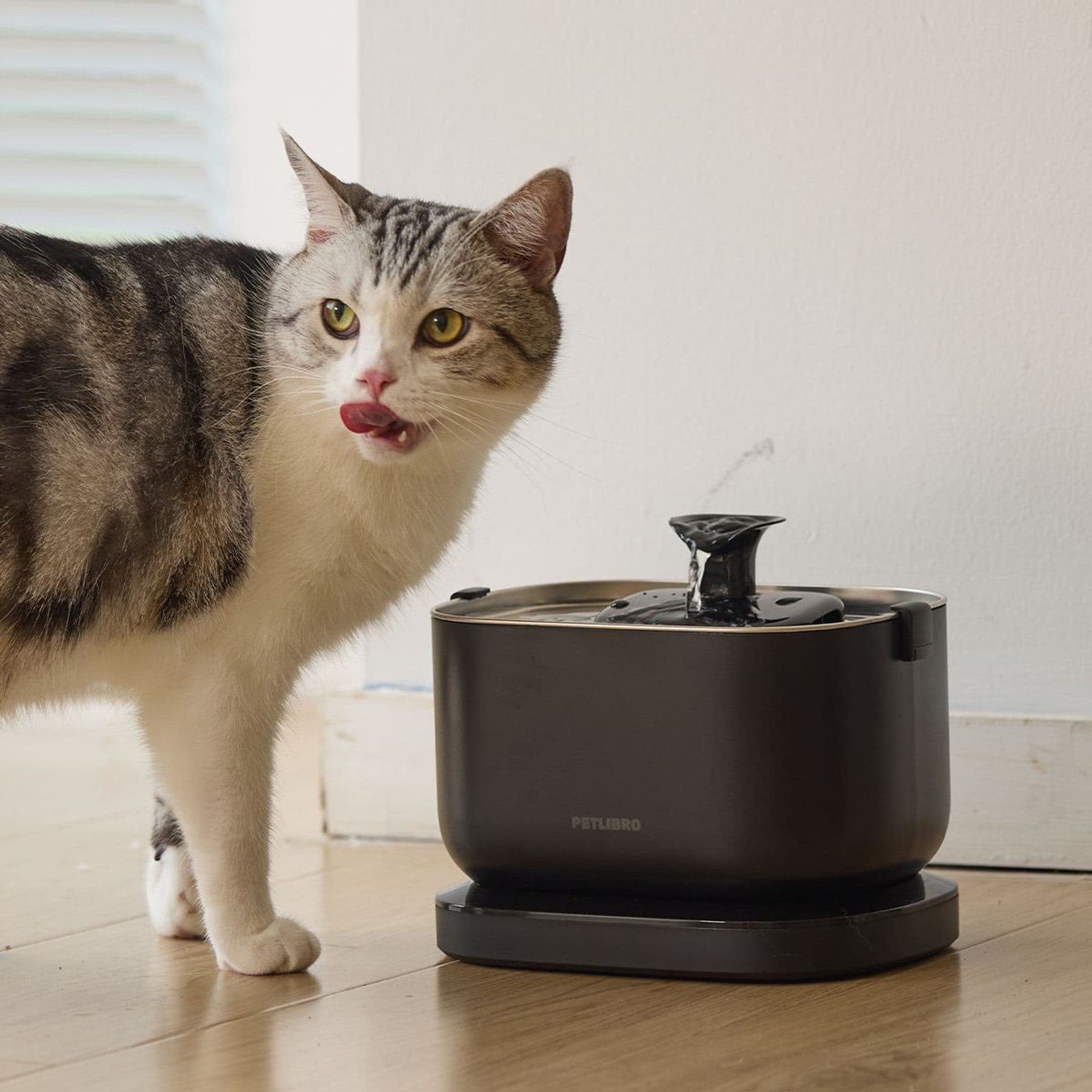
Webvet may earn a commission when you click through to Chewy, at no extra cost to you.
If Ringworm is suspected, your vet may use a UV light called a Wood’s Lamp to look for fluorescent fungal spores. Blood or intradermal tests can check for suspected environmental allergies, or your vet may recommend a prescription diet trial to identify food allergies.
Anti-allergy medications and antibiotics can be used to help determine whether allergy or infection is the underlying issue. If medication is prescribed, your vet will monitor your cat’s response to treatment to make sure they’ve correctly identified the cause of your cat’s skin problem.
Treatment Options
While allergies and skin infections in cats can be present at the same time, they require different treatments to resolve. Often, your vet will combine medications and therapies for each into one treatment plan.

A vet-recommended plug-in diffuser that releases the drug-free Feliway Classic pheromone to reduce stress signs in cats like scratching, hiding, and urine marking. 30-day starter kit.
Webvet may earn a commission when you click through to Chewy, at no extra cost to you.
If your vet suspects or identifies that the cause of your cat’s skin problem is allergic, they may recommend:
- Eliminating or minimizing identified triggers - This may involve parasite preventatives, air filters, or diet trials
- Anti-allergy medications - anti-histamines or corticosteroids are medications can be prescribed by your vet where appropriate.
- Supportive supplements like omega-3 fatty acids can help strengthen the skin barrier.
- Immunotherapy injections or oral medications can be formulated for specific allergies through your vet.
If your vet suspects or identifies that the cause of your cat’s skin problem is infectious, they may recommend:
- Bacterial - Oral or injectable antibiotics, as well as medicated wipes and shampoos may be prescribed.
- Fungal - Antifungal treatments available in creams, wipes, and shampoos, and for more severe cases oral medications can be prescribed. Cleaning the environment is a key factor in preventing re-infection.
- Yeasts - Medicated wipes and shampoos may be prescribed. Your vet will also discuss addressing underlying allergies or moisture issues contributing to yeast overgrowth.
- Addressing discomfort - pain relief or anti-inflammatory medications may be prescribed to keep your cat comfortable during healing.
Preventing Future Flare-Ups
There are some simple steps you can take to help keep your cat’s skin problems from coming back. Keep your cat on a year-round parasite control program. Regular grooming helps keep an eye out for scabs, redness, and fleas. A well-balanced, high-quality diet high in omega-3 fatty acids helps keep the skin healthy. Control household allergens and fungal spores by washing bedding regularly and using air-filters. If you notice your cat over-grooming, don’t wait until the skin breaks down to seek veterinary advice. This can prevent skin infections from taking hold.
When to Call the Vet
Your cat is losing hair or developing bald spots.
- You suspect mites, fleas, or ringworm.
- Scratching or licking intense enough to keep your cat from sleeping properly.
- The skin is itchy, red, scabby, or oozing.
- You notice crusty or smelly skin.
- Lesions are spreading or not resolving within a day or two.
Final Thoughts
A similar set of symptoms means it can be hard to tell the difference between a skin infection and allergies. While you may suspect your cat has a skin infection, it’s important to remember that correct diagnosis leads to much faster healing than trial and error. Your vet can perform the necessary tests to get to the bottom of your cat’s skin problem, and with their help you can help your cat heal and prevent future skin problems.
FAQs
What do skin infections look like in cats?
Skin infections are often red, swollen, or smelly. Your cat may be itchy, or lose fur. You may see scabs, crusting, or pus.
What’s the fastest way to treat a skin infection in a cat?
Infections have a range of causes, and it’s important to treat the correct one. Your vet can help you identify whether your cat’s infection is due to yeast, bacteria, or fungus and prescribe the correct treatment for the quickest resolution. They can also help you identify any underlying conditions like allergies.
Are skin infections in cats contagious to humans?
Some skin infections can pass from your cat to you. Ringworm is a highly contagious fungal infection that passes easily to other pets and people. If you suspect your cat has an infection, discuss with your vet whether you or anyone else in the family might be at risk.
Author Bio
Caitlin Merrill MRCVS, BVMS, BS ASci, MLitt
Caitlin is a primary care clinician based at the University of Glasgow. She currently splits her time between clinical work, teaching, and writing. When not working she can be found hiking the moors with her mildly dramatic terrier or cuddling on the sofa with her wildly naughty cat.

Webvet may earn a commission when you click through to Chewy, at no extra cost to you.
Feature photo: istockphoto
$65 · no membershipIs your cat's itching or skin issue getting worse?
A licensed vet can examine your cat over video and prescribe treatment online when it's appropriate.
Talk to a vet- Licensed vets
- All 50 states
- same-day Rx
Webvet may earn a commission if you book.
Veterinarian · MRCVS BVMS, BS ASci, MLitt
Caitlin is a primary care clinician based at the University of Glasgow. She currently splits her time between clinical work, teaching, and writing. When not working she can be found hiking the moors with her mildly dramatic terrier or cuddling on the sofa with her wildly naughty cat.


