Dog Licking Paws? Here’s What It Could Mean
Why is your dog licking paws non-stop? A vet explains the 6 most common causes, from allergies and yeast infections to anxiety, plus a safe paw-cleaning routine and the signs that mean it is time to see your vet.

MRCVS
Medically reviewed by Dr. Joanna Woodnutt, MRCVS · Last reviewed

This article contains affiliate links. Webvet may earn a commission when you buy through them, at no extra cost to you.
I wish I could write the sound a dog licking paws makes, but I can't. You know the one, though, right? It goes "shlurp, shlurp, shlooooop", again and again and again. If your dog won't stop licking their paws, you will want to know why, and how to help.
A little paw licking is normal. Everyone has to have clean feet! But when it is non-stop, it is a red flag. As a vet, excessive paw licking is one of the most common problems I deal with in practice.
In this guide, I will walk you through the six most common causes, how to spot a yeast infection, what it means when there is seemingly nothing there, a safe paw-cleaning routine you can start today, and the signs that mean it is time to call your vet.
Dog Licking Paws? Quick Facts
- 1Dogs lick their paws to clean them, soothe an itch, relieve pain, or out of boredom, anxiety, or habit.
- 2Allergies (environmental or food) are the most common medical cause of chronic paw licking in dogs.
- 3Constant licking keeps the paws moist, which invites secondary yeast and bacterial infections that make the itch even worse.
- 4Red-brown staining on the fur of the paws comes from pigments in your dog's saliva and is a reliable sign of excessive licking, even if you never catch them doing it.
- 5See your vet if licking continues after a rinse and dry, targets one paw, wakes your dog at night, or comes with limping, swelling, or a bad smell.
When Paw Licking Is Normal (vs. Not)
Dogs can't wash their hands in the sink, but they will clean their feet after a walk just the same, by licking. It is also common for dogs to lick their paws briefly after a meal. This is normal grooming behavior, and it should be short and easy to interrupt.
What is not normal is incessant licking. If it is going on in the middle of the night, or you can't distract your dog away from it, it is a problem. Discolored fur (white fur turning reddish-brown), thinning hair, and red or swollen skin all mean too much licking is happening.
And of course, any limping or whining alongside the licking is a big red flag that something is not right.

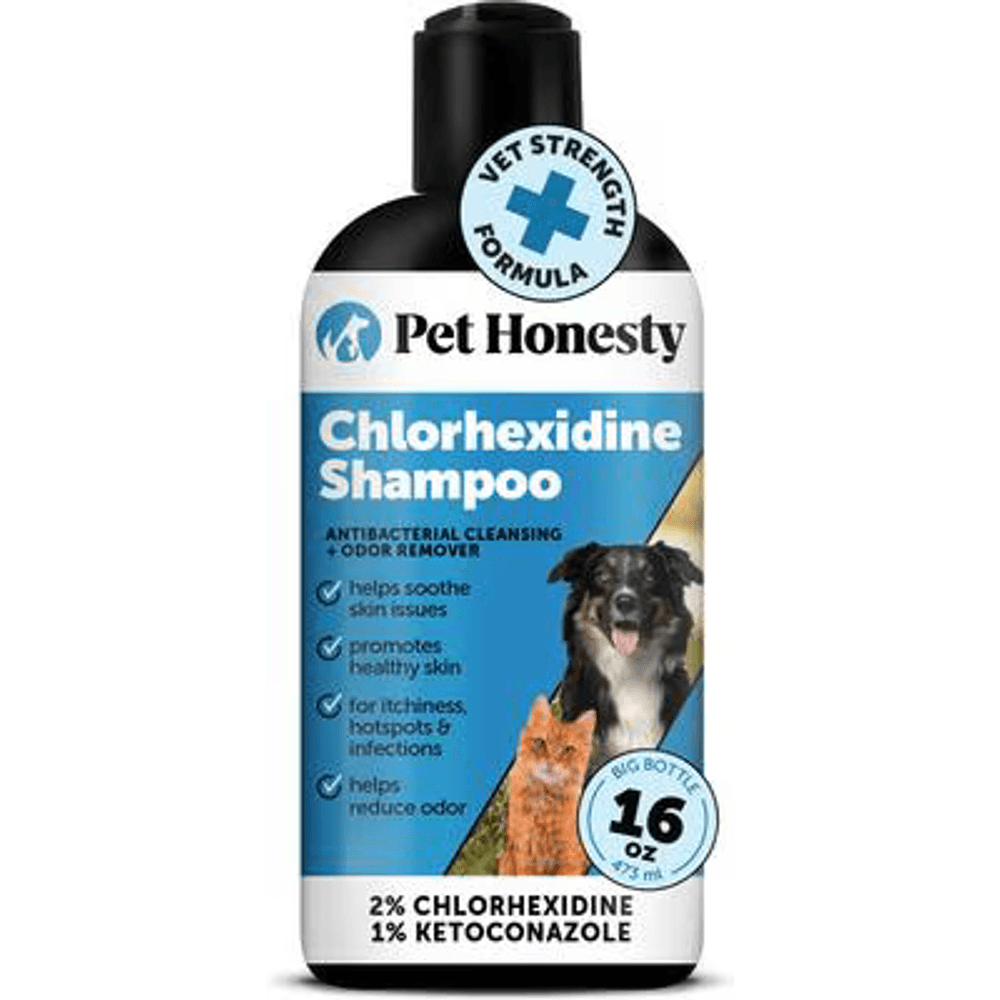
A vet-strength medicated shampoo with 2% chlorhexidine and 1% ketoconazole, the antifungal and antibacterial combination vets use to help clear ringworm and skin infections and to cut fungal spore shedding during treatment.
Webvet may earn a commission when you click through to Chewy, at no extra cost to you.
The 6 Common Causes of Paw Licking
Here is a quick at-a-glance view of the six causes I see most often, then we will go through each one in detail.
| Cause | Telltale clues | How urgent? |
|---|---|---|
| Allergies (environmental or food) | Red skin between the toes, more than one paw, itchy ears or body, often seasonal | Vet visit within a few days |
| Irritation from walks or chemicals | Starts right after a walk or cleaning day; may affect all four paws | Rinse paws; vet if licking continues |
| Parasites (ticks, mites, fleas) | Sudden licking or limping; a visible tick; itching elsewhere on the body | Remove tick; vet for mites or fleas |
| Pain or injury | One paw only; limping, swelling, a cut, thorn, or grass seed | Same-day vet check |
| Nail diseases | Licking focused on a nail; torn, crusty, or misshapen nails | Vet visit within a few days |
| Anxiety or boredom | Licking when alone, at rest, or in the evening; no skin changes early on | Vet first to rule out medical causes |
1. Allergies (Environmental or Food)
The single most common cause of chronic paw licking is environmental allergy, also called atopy or atopic dermatitis. Your dog's skin contacts an allergen, say dust mites or pollen, and the immune system overreacts, causing intense itching (the Merck Veterinary Manual has a good owner-level overview).
Some dogs react to a single allergen and only get itchy paws seasonally. Others are allergic to several things, or to things present year-round, so the licking never really stops.
About 1-2% of dogs are allergic to something in their diet, with beef and chicken being common culprits. Paw licking is rarely the only sign of a food allergy. You will usually see it alongside an itchy body, recurrent ear infections, or a chronically upset stomach.
Allergic dogs typically have red, sometimes swollen skin between the toes, and they usually target more than one paw. Anal gland issues and general itchiness often ride along. Allergies are tricky to diagnose and manage, so a full vet workup is needed. Our guide to why dogs get so itchy covers the wider itch picture.
2. Irritation From Walks or Chemicals
Unless your dog wears shoes, their paws touch everything, everywhere they go. Road salt in winter (toxic if ingested, too), lawn fertilizer or weed spray, household cleaning products, and even carpet deodorizing powders can all sting or burn the skin and set off a licking frenzy.
If the licking mostly happens straight after a walk, look at their feet. A gentle rinse in cool water removes irritants and helps you spot sore areas. If you can't avoid a known irritant, dog boots plus a paw wash when you get home work well.
3. Parasites
Some parasites particularly affect the feet. A tick lodged between two toes can cause sudden limping and licking, solved as soon as the tick is removed. Certain mites make the feet intensely itchy. They are too small to see without a microscope, but your vet needs to rule them out early.
Fleas don't usually live on the paws, but flea-allergic dogs can chew and lick their feet as part of a whole-body itch. If you are seeing licking plus scratching around the tail base and belly, check our guide to spotting fleas on dogs and make sure parasite prevention is up to date.
4. Pain or Injury
If the licking is confined to one foot, pain or injury becomes much more likely. A splinter, a thorn, or a migrating grass seed is a common finding. Look out for cuts, grazes, burns, and lumps too. This usually needs a vet check-up to find the problem and treat it promptly.
Some dogs also lick to soothe joint pain from arthritis. You might notice them targeting a single joint, or a matching pair like both wrists. Get this checked so your dog can have pain relief. There is a lot we can do for canine arthritis these days!
5. Nail Diseases and Conditions
Several conditions affect the nails and can be painful or itchy enough to trigger paw licking. Nail bed infections are a common one, as is a torn nail that has exposed the quick. Rarer problems include autoimmune diseases of the nail beds and certain cancers.
Vets usually pick these up during an exam, but it is worth checking the nails thoroughly at home whenever you notice paw licking. A nail that looks crusty, discolored, or misshapen deserves an appointment.
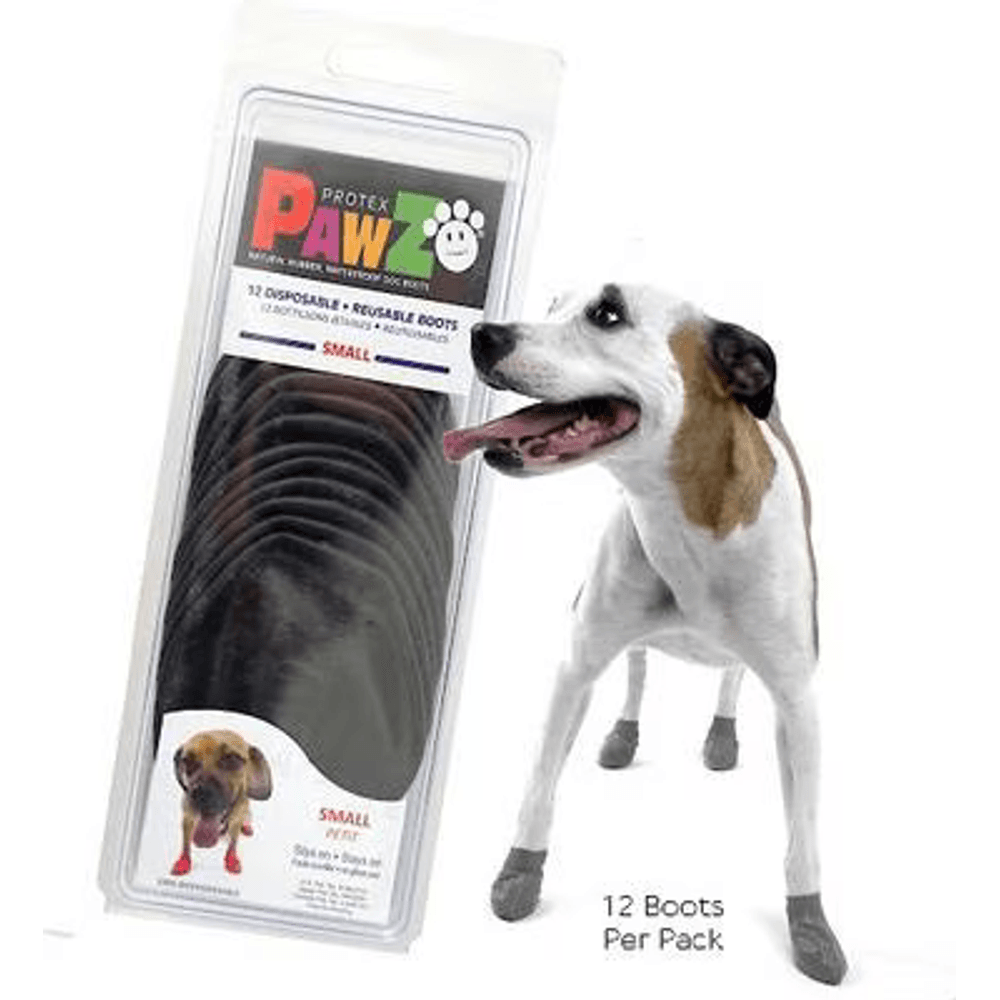
Disposable, reusable natural-rubber boots that slip on like a balloon to give a dog waterproof paw protection and extra grip on slippery floors, a simple traction aid for a senior or wobbly dog. No straps, 12 boots per pack.
Webvet may earn a commission when you click through to Chewy, at no extra cost to you.
6. Anxiety or Boredom
Some licking is behavioral. My old dog, Jazz, licked and licked her paws when suffering from canine cognitive dysfunction (doggy dementia). It is often a self-soothing behavior in dogs who are under-stimulated or anxious. If Jazz couldn't reach her feet, she would lick my leg, the table leg, or the carpet.
Once medical causes are ruled out, try increasing mental stimulation with play or extra walks. A safe dog chew or a lick mat gives busy brains a healthy licking outlet. In stubborn cases, a behaviorist can help; our article on preventing unwanted dog licking has practical strategies to start with.
 $65 · no membership
Is your dog's itching or skin issue getting worse?
A licensed vet can examine your dog over video and prescribe treatment online when it's appropriate.
 Talk to a vet
- Licensed vets
- All 50 states
- same-day Rx
Webvet may earn a commission if you book.
Yeast Infections: The Corn-Chip Smell and Rust-Colored Fur
Any of the causes above can come with a bonus problem: a secondary infection. Yeast and bacteria live on healthy dog skin without causing trouble. But constant licking damages the skin and keeps it moist, creating perfect conditions for a bacterial skin infection (pyoderma) or a yeast overgrowth, and both are intensely itchy.
So how can you tell if your dog has a yeast infection on their paws? The classic giveaway is the smell: a musty, corn-chip or "Frito feet" odor coming from the feet. The skin between the toes may look red, greasy, or thickened, per VCA Animal Hospitals.
The other big clue is red-brown or rust-colored fur staining on the paws. Dog saliva contains pigments called porphyrins that dye light fur pink to reddish-brown over time. The staining itself is harmless, but it is a reliable licking meter: heavy staining means heavy licking, even if you never catch your dog in the act.

Your vet can take samples to check for yeast and bacteria, and may prescribe a medicated shampoo or wipes to clear it. The infection will keep coming back if the underlying cause isn't treated. Intense licking can trigger raw, weepy patches too; see our guide to hot spots on dogs.
Why Is My Dog Licking His Paws But Nothing Is There?
This is one of the most common things owners tell me: "He keeps licking, but I've looked and there's nothing there." The frustrating truth is that most causes of paw licking are invisible to the naked eye.
Allergic itch has no visible trigger; the pollen or dust mite is long gone by the time the paw itches. Mites are microscopic. Early yeast overgrowth may not look like anything before the smell and staining develop. And a grass seed can bury itself completely under the skin, leaving only a tiny puncture.
Referred pain hides too. A dog with an aching wrist or elbow may lick the paw below it, so you inspect a perfectly healthy foot while the real problem sits one joint higher. If "nothing there" licking persists for more than a day or two, that is exactly the situation a vet exam is for.
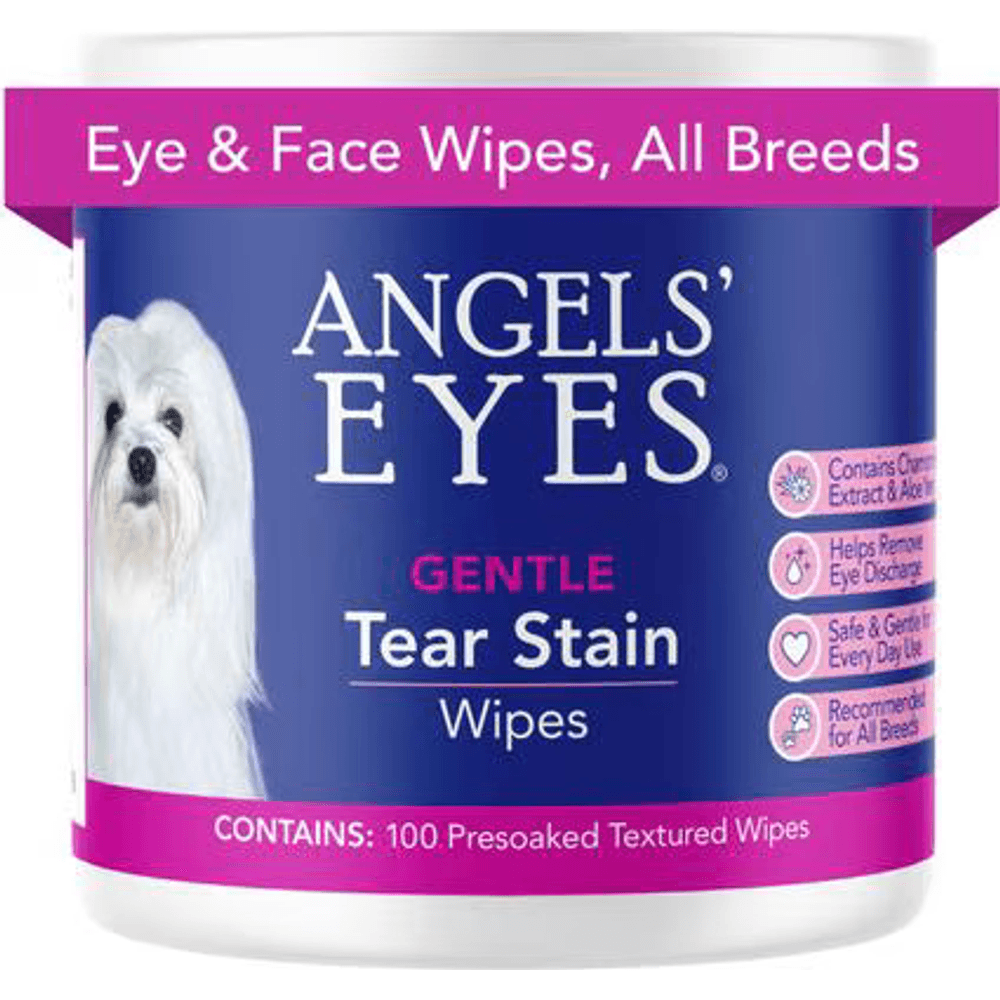
Presoaked wipes that gently clean the fur and skin around a dog's or cat's eyes, lifting away tear stains, discharge, and daily debris as part of routine grooming. A quick, no-rinse way to keep the eye area clean and tidy between baths.
Webvet may earn a commission when you click through to Chewy, at no extra cost to you.
What Is Your Dog Trying to Tell You?
Paw licking is communication. Your dog can't say "my feet itch" or "I'm stressed," so the behavior is the message. A dog licking after every walk is telling you something on the ground bothers them. A dog licking at rest, in the evening, is more likely soothing an itch, an ache, or their nerves.
Context is the key. Note when the licking happens, which paws are targeted, and what else you are seeing (scratching, head shaking, limping, restlessness). That pattern is the single most useful thing you can bring to your vet appointment.
One caution: don't jump straight to a behavioral explanation. In my experience, most "anxious licking" turns out to be itchy or painful licking once we look properly. Medical causes should always be ruled out first.
Situational Licking: At Night, After Walks, After Eating
Licking Paws at Night
Night-time licking often means the house has gone quiet, so there is nothing to distract your dog from an itch that was there all day. Allergic itching can also feel worse at night, and stiff, arthritic joints ache after a day of activity. A dog who repeatedly wakes to lick needs a vet visit.
Licking Paws After Walks
Licking right after walks points to something picked up outdoors: road salt, lawn chemicals, a grass seed, or fresh pollen on an allergic dog's feet. Rinsing and drying the paws when you get home both treats the problem and tests it. If a rinse stops the licking, an outdoor irritant is your likely answer.
Licking Paws After Eating
A quick lick after dinner is normal grooming. But if post-meal licking is prolonged, or paired with ear infections, an itchy face or rear, and tummy troubles, a food allergy climbs the suspect list. Our guide to telling food allergies from flea problems explains how vets separate the two.
How Vets Diagnose the Cause
The first thing your vet will do is check your dog over, head to tail. Then they will focus on the skin, looking for redness, spots, or bald patches, and checking between the toes and pads. They may take samples: skin scrapings help identify mites, while tape strips check for yeast and bacterial overgrowth.
Once they have a clearer picture, they will recommend further testing. That might mean a strict food elimination trial (an essential step in allergy diagnosis) or intradermal allergy testing. A word of warning: allergy tests sold directly to the public are worthless, especially any that claim to diagnose food allergies from hair or saliva.
They may also suggest a pain relief trial or imaging to check for arthritis, particularly if the licking targets one leg or your dog is older and slowing down.
This might sound like a lot of investigation for some paw licking, but finding the underlying cause is the only way to stop the repetitive, schlurpy sound for good. If you have cost concerns, raise them. Your vet can often skip steps by making sensible assumptions, or trial treatment before a definitive diagnosis.
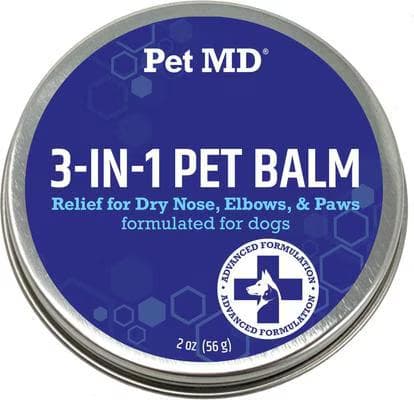
Webvet may earn a commission when you click through to Chewy, at no extra cost to you.
Treatment Options for Dog Licking Paws
It is always best to get treatment recommendations from your vet, because the right treatment depends entirely on the cause. Human medications and creams should never be used on dogs. Their skin is different, and there is a high chance of ingestion. Here is what vet-recommended treatment typically looks like.
If It's Allergies
There are lots of management options for allergies, but no permanent cure. The closest we get is immunotherapy, which teaches the body to tolerate the allergen. Many dogs need regular prescription anti-itch medication, and food-allergic dogs need a permanent diet change.
Physically blocking allergens helps too. Dog coats, paw covers, rinsing after walks, regular bathing, and air purifiers can all reduce the allergen load on the skin.
If It's Irritation or Injury
Once you have identified the irritant, avoid it where you can. Doggy boots help, as does rinsing paws after every walk. Rinsing also lets you spot splinters, ticks, and grass seeds before they bury into the skin. Your vet will treat the current injury, which could mean a cream, antibiotics, or minor surgery.
If It's Infection
A pyoderma or yeast overgrowth rarely needs oral antibiotics or antifungals. A good medicated shampoo and a cone to prevent further licking are usually sufficient. Follow your vet's directions to the letter, and make sure the underlying cause is being treated at the same time.
If It's Anxiety
Try adding an extra walk (a dog walker is a valuable resource!) or a daily play session. Food puzzles and safe chews provide stimulation and a legitimate licking outlet. If you are seeing other anxious behaviors, talk to your vet about calming supplements or referral to a qualified behaviorist.
Home Care: A Safe Paw-Cleaning and Soak Routine
Owners ask me about home remedies for paw licking all the time. Here is my honest answer: home care can remove irritants and keep skin healthy, but it cannot diagnose or cure the underlying cause. Think of it as first aid and maintenance, not treatment.
A simple routine that is genuinely worth doing:
- Rinse paws in cool, clean water after walks, or use a shallow basin soak for 30-60 seconds per paw
- Dry thoroughly afterward, especially between the toes; trapped moisture feeds yeast
- Use dog-specific paw wipes for quick clean-ups when a full rinse isn't practical
- Keep the fur between the pads trimmed so you can see problems early and less debris gets trapped
- Do a weekly paw inspection: spread the toes, check the pads, nails, and nail beds, and sniff for that corn-chip smell

Preventing Paw Licking
The best prevention is treating underlying causes as they arise. Washing feet after walks and checking them for injury is a great habit. If your dog has long fur around their feet, keeping it trimmed reduces the risk of foreign bodies and lets you spot problems sooner.
If you know a walk could involve something irritating (road salt, or a freshly sprayed field), invest in dog booties to keep irritants and allergens off the paws. I also recommend keeping a plastic cone at home, so you can stop the licking damage while you wait for a vet appointment.
When to Call the Vet
Visit your vet the same day if your dog carries on licking after you have rinsed their feet and let them dry for a couple of hours. Also call if you spot blood or oozing, or signs of pain such as limping.
If you suspect allergies, schedule a visit too. It is not an emergency, but getting seen within 24-48 hours will bring your dog relief sooner, and stops the secondary infections that make everything harder to treat.
FAQs
When should I worry about my dog licking his paws?
Worry when the licking is constant, hard to interrupt, or happens at night, or when you see red skin, swelling, stained fur, limping, or a bad smell. Brief licking after walks or meals is normal grooming. If licking continues after you rinse and dry the paws, book a vet visit.
How can I tell if my dog has a yeast infection on their paws?
The classic signs are a musty, corn-chip smell from the feet, red or greasy skin between the toes, brown discharge around the nail beds, and rust-colored saliva staining on the fur. Your vet confirms yeast with a quick tape or swab sample under the microscope, then usually prescribes a medicated shampoo or wipes.
Why does my dog keep licking his paws but nothing is there?
Most causes of paw licking are invisible: allergic itch, microscopic mites, early yeast overgrowth, a buried grass seed, or referred pain from an aching joint higher up the leg. "Nothing there" does not mean nothing is wrong. If it persists more than a day or two, a vet exam is the next step.
What is your dog trying to tell you when it licks its paws?
The licking itself is the message: usually "my feet itch," "something hurts," or occasionally "I'm stressed or bored." The timing tells you which. Licking after walks points to irritants or allergens, licking one paw suggests pain or injury, and licking at rest can be itch, ache, or self-soothing. Track the pattern for your vet.
What home remedies help stop dog paw licking?
Safe home care is limited to rinsing paws in cool water after walks, drying thoroughly between the toes, trimming paw fur, and using dog-specific wipes. These remove irritants but cannot cure allergies, infections, or pain. Avoid human creams and tea tree oil, and see a vet if licking continues despite a clean-paw routine.
How can I tell if my dog's paw licking is from anxiety?
There is no simple test for anxiety in dogs. Vets look for other anxious behaviors, such as pacing, destructiveness, or licking that spreads to furniture and carpet, and rule out medical causes first. Most licking that looks behavioral turns out to be itch or pain, so a medical workup comes before a behavioral diagnosis.
Should I stop my dog from licking his paws?
Yes, if it is excessive. Constant licking damages the skin, feeds yeast and bacterial infections, and can cause permanent hair loss. Use a cone or clean dog boot to break the cycle while you arrange a vet visit, but remember that blocking the licking without treating the cause leaves your dog uncomfortable.
Conclusion
Dogs lick their paws for lots of reasons, and some of them are perfectly normal. But incessant paw licking is a symptom of irritation, itch, or pain that needs a veterinarian to investigate.
Before your appointment, note when the problem started, whether it has happened before, which paw or paws are targeted, and whether it happens at particular times of day. That little diary, plus a rinse-and-dry test, will help your vet find the cause and finally silence the schlurping.
$65 · no membershipIs your dog's itching or skin issue getting worse?
A licensed vet can examine your dog over video and prescribe treatment online when it's appropriate.
Talk to a vet- Licensed vets
- All 50 states
- same-day Rx
Webvet may earn a commission if you book.

Veterinarian · MRCVS
After graduating from the University of Nottingham, Dr Woodnutt initially worked in companion animal practice in the Midlands, UK, where she developed a love for chronic conditions. Since moving home to Alderney in the Channel Islands, Dr Woodnutt does less clinical work, and now mostly writes articles about pets – including writing a column for the local newspaper, writing articles to help educate other vets, and writing for several websites across the internet.


