How Vets Diagnose Cat Skin Problems: What to Expect
If you’ve noticed your cat’s skin is itchy, or that their coat is looking thin, it might be time to visit your vet. But while skin problems are common, it may not be as simple a visit as you might think. Because there are many causes for skin problems in cats it sometimes takes several rounds of testing before the root cause can be identified.

MRCVS BVMS, BS ASci, MLitt
Medically reviewed by Dr. Caitlin Merrill, MRCVS BVMS, BS ASci, MLitt · Last reviewed

This article contains affiliate links. Webvet may earn a commission when you buy through them, at no extra cost to you.
If you’ve noticed your cat’s skin is itchy, or that their coat is looking thin, it might be time to visit your vet. But while skin problems are common, it may not be as simple a visit as you might think. Because there are many causes for skin problems in cats it sometimes takes several rounds of testing before the root cause can be identified. So what are some of the most common tests your vet may recommend to get to the bottom of your cat’s skin issues? In this article we’ll look into the ways your vet can help you identify and treat the cause of your cat’s itchy, red, or flaking skin.
Cat Skin Problems At a Glance
- Skin conditions in cats are common and can be caused by many factors.
- Parasites, allergies, bacteria, and fungi can all cause skin symptoms.
- An ordered, step-by-step approach to diagnostics helps find the cause and correct treatment.
- Tests include: skin scrapes, hair plucks, cytology, cultures, and medication or diet trials.
- Most cats respond well to targeted treatment.
Why Skin Problems in Cats Are So Common
A nice shiny coat and healthy skin are signs that your cat is feeling good. When things start to go wrong it’s common to see the signs in their skin, coat, and grooming behavior.

Webvet may earn a commission when you click through to Chewy, at no extra cost to you.
You may see:
- Itching, over-grooming, or hair loss
- Redness, scabs, or flakes
- Odor or discharge
- Changes in coat texture
But while these symptoms are common, they don’t specifically point to any one cause. In fact, many different conditions can look similar or even identical, so a thorough, systematic approach to diagnosis is key in getting to the bottom of what’s really going on.
Step 1: History and Physical Exam
The First Step: The process begins with an in-depth discussion about what symptoms your cat is experiencing. You vet will want to know what you’ve noticed, when, and whether any other animals in the house are affected. They may ask you about changes in the home environment or your cat’s diet, whether your cat is on parasite preventatives, as well as any medications your cat has previously been prescribed. Next your vet should perform a thorough physical exam, focusing on the skin, ears, and fur, and looking for any signs of underlying illnesses like weight loss.

Webvet may earn a commission when you click through to Chewy, at no extra cost to you.
What It Reveals: Any patterns that emerge can point to a cause, be it infectious, allergic, parasitic, or hormonal. For instance, itching and hair loss around the tail base might point to allergies or fleas, while weight changes and symmetrical hair loss might point to a hormonal condition.
Pro tip: Bringing photos or notes about when your cat started scratching can help your vet spot patterns faster.
 $65 · no membership
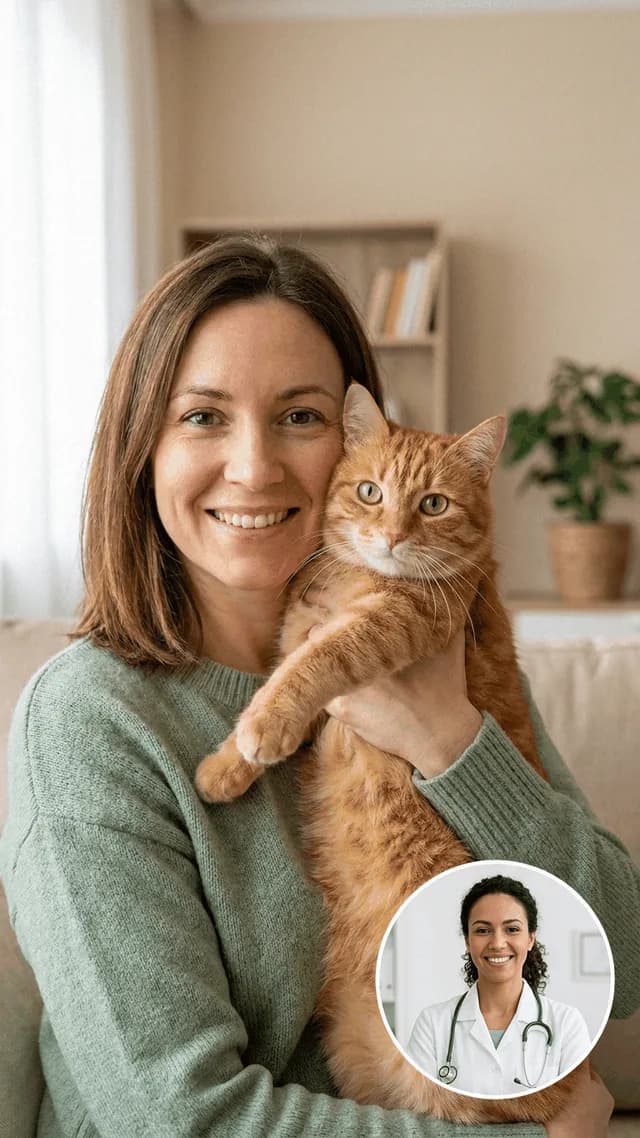
Is your cat's itching or skin issue getting worse?
A licensed vet can examine your cat over video and prescribe treatment online when it's appropriate.
 Talk to a vet
- Licensed vets
- All 50 states
- same-day Rx
Webvet may earn a commission if you book.
Step 2: Parasite Check (Fleas, Mites, Lice)
How It’s Done: Your vet will use a special flea comb to look for fleas and the dark debris they leave behind, called “flea dirt”. They may also collect skin scrapings or tape strips. These pull debris and cells from your cat’s skin which can be examined under a microscope for mites or lice.
What It Reveals: Otodectes (ear mites), Cheyletiella (“walking dandruff”), or Demodex are all types of mites that cause itchiness. Because many cats are allergic to fleas and can react to even a single bite your vet may recommend a flea preventative even if they don’t find any live fleas.
Step 3: Skin Cytology (Looking for Infection)
How It’s Done: A glass slide or a strip of tape is pressed gently to the skin to pick up any bacteria, yeast, or inflammatory cells. This sample is then dyed and examined under a mircoscope. Your vet may also take a swab from the ears or any wounds.
Compare coverage choices for your pet, then request a quote directly on Lemonade.
- Check a price for your pet
- Review available coverage choices
- See the terms before you decide
Eligibility, waiting periods, limits and exclusions apply.
Webvet may earn a commission when you click through to Lemonade, at no extra cost to you.
What It Reveals: Bacteria (either rods of cocci) can be identified and treated with the appropriate antibiotic. Topical or oral anti-fungal medications can be used to treat yeast (Malassezia), while high numbers of inflammatory cells might point to allergies.
Step 4: Fungal Culture (Checking for Ringworm)
How It’s Done: Some species of fungal spores will glow fluorescent under a UV light. Your vet will use a special tool called a Wood’s Lamp to examine your cat’s skin. They may also take hair and skin flakes to place in growth medium and see if any fungus grows over the course of 10 to 14 days.
What It Reveals: Ringworm is a common and highly contagious fungal infection that can spread to other pets and people. It can travel to your indoor cat carried on objects and non-symptomatic people. These quick, painless tests are key to ruling it out or confirming and treating an infection early.
Step 5: Allergy Evaluation
How It’s Done: If your vet has ruled out parasites and infection, the next likely culprit is allergies. Strict trials of hypoallergenic or anallergenic diets for up to 16 weeks are often recommended to test for allergies. Specific blood or intradermal tests can help identify environmental allergies like dust, pollen, or grass.
What It Reveals: If allergies are the cause of your cat’s skin problems your vet can recommend long-term management strategies like immunotherapy or prescription diets. While allergies are not something your vet can cure, they can help you manage your cat’s exposure and symptoms.
Step 6: Bloodwork and Hormone Testing
How It’s Done: If your cat is older, losing hair but not itchy, or is having unexplained weight changes, your vet can take simple blood samples to check for underlying health issues. Thyroid, adrenal, and metabolic function abnormalities can all affect your cat’s skin.
Webvet may earn a commission when you click through to Chewy, at no extra cost to you.
What It Reveals: Bloodwork can reveal if your cat’s problems are strictly in the skin, or whether an underlying disease like hyperthyroidism, Cushing’s disease, or diabetes might be at work.
Step 7: Biopsy or Advanced Diagnostics (If Needed)
How It’s Done: If your cat’s skin problem is severe or chronic your vet might take a small skin sample called a biopsy using local anesthetic. They can then send this biopsy to a lab for histopatholgy where a specialist identifies any abnormal cells.
What It Reveals: Biopsies are helpful when other tests haven’t given clear answers. They identify more complex or rare conditions like chronic infections, auto-immune diseases, and cancers. While most cats don’t end up needing this level of testing, those that do usually get a clear answer from a biopsy.
What Happens After Diagnosis?
Once a cause is identified your vet will create a treatment plan tailored to your cat’s needs
- Parasites → antiparasitic treatment.
- Infection → antibiotics, antifungals, or medicated shampoo.
- Allergies → diet change, allergy meds, or immunotherapy.
- Hormonal → medication or dietary support.
It’s likely you will need to bring your cat for follow up visits so your vet can track their response to treatment and ensure your cat’s skin heals up well.It’s important to remember that skin takes time to heal, so you might not see improvement overnight. But with the right plan in place you can often see your cat’s skin improving over the course of a few weeks.
Final Thoughts
Because there are many causes, skin problems in cats often require a range of tests to find the correct treatment. But while it may take time, patience pays off, and whatever the cause, your cat’s skin problems can be identified, managed, and often cured with prompt veterinary intervention.
FAQs
What are common causes of skin problems in cats?
Allergies, parasites, and infections are all common causes of skin problems. Your vet can help you determine whether your cat is suffering from any of these, or whether an underlying disease may be playing a part.
What is important to tell my vet about my cat’s skin problems?
Your vet will ask you several questions to narrow down the possible causes. It’s important to tell them if any other pets have shown similar signs, or if your cat has had this problem before. If you can, take pictures of any changes in your cat’s skin or coat to bring with you on your visit. Timings of any changes to your cat’s diet, routine (like bringing home a new pet), or environment can be very helpful in getting to the root cause.
Can my skin problems in cats go away on their own?
While the occasional itchy patch or tuft of loose hair may resolve after a few days, it is important to seek veterinary advice if your cat’s skin is itchy for more than 24-48 hours, or has red, scabby, or flaky patches. Sustained hair loss which doesn’t regrow is also a reason to call your vet.
Author Bio
Caitlin Merrill MRCVS, BVMS, BS ASci, MLitt
Caitlin is a primary care clinician based at the University of Glasgow. She currently splits her time between clinical work, teaching, and writing. When not working she can be found hiking the moors with her mildly dramatic terrier or cuddling on the sofa with her wildly naughty cat.
Feature image: istockphoto
$65 · no membershipIs your cat's itching or skin issue getting worse?
A licensed vet can examine your cat over video and prescribe treatment online when it's appropriate.
Talk to a vet- Licensed vets
- All 50 states
- same-day Rx
Webvet may earn a commission if you book.
Veterinarian · MRCVS BVMS, BS ASci, MLitt
Caitlin is a primary care clinician based at the University of Glasgow. She currently splits her time between clinical work, teaching, and writing. When not working she can be found hiking the moors with her mildly dramatic terrier or cuddling on the sofa with her wildly naughty cat.


