Omega-3 Fatty Acids for Dogs

BVetMed MRCVS
Medically reviewed by Dr. Hannah Godfrey, BVetMed MRCVS · Last reviewed

Drug facts
Omega-3 Fatty Acids
Omega-3 fatty acids are essential fatty acids (EPA, DHA, ALA) sold for dogs as a nutritional supplement, typically from fish, krill, or algal oil. They reduce inflammation and support skin, coat, joint, heart, brain, and eye health.
Treats
 $65 · no membership
Need a prescription for Omega-3 Fatty Acids?
A licensed vet can assess your dog over video and prescribe Omega-3 Fatty Acids online when it's appropriate.
 Talk to a vet
- Licensed vets
- All 50 states
- same-day Rx
Webvet may earn a commission if you book.
What Is Omega-3 Fatty Acids for Dogs
Overview
Omega-3 fatty acids are essential fatty acids, which means pets must get them from their diet. The three main forms are EPA (great for inflammation and joint and heart support), DHA (important for the brain, eyes, and nervous system), and ALA (found in plants, but pets don’t convert it very well to EPA/DHA). Modern diets for dogs and cats often contain too much omega-6 and not enough omega-3. Adding omega-3 supplements helps bring these fats back into balance, supporting healthier skin, joints, and overall wellness.
Explore more skin-related medications in our Dermatology section.
What Is Omega-3 Fatty Acids Used For
Omega-3 fatty acids help the body by reducing inflammation. They replace other fats in cell membranes, allowing the body to produce gentler, calmer anti-inflammatory chemicals instead of harsh inflammatory ones. EPA is especially good for reducing inflammation, while DHA is essential for brain and eye function.
| Condition | Notes |
|---|---|
| Skin allergies & itching | Reduces inflammation , improves itching , helps with red or irritated skin. |
| Arthritis & joint stiffness | Helps reduce pain , improves mobility , supports cartilage. |
| Heart disease | Supports heart rhythm , reduces inflammation, and helps heart function. |
| Kidney disease | Helps protect the kidneys and may slow disease progression. |
| Cancer support | Helps reduce inflammation and support weight and energy levels. |
| Brain and eye development | DHA supports learning, memory, and vision in young pets. |
| Senior cognitive issues | Helps older pets with mental sharpness and behavior changes. |
Drug Facts
Omega-3 products for pets are usually sold as nutritional supplements rather than medications. They often come from fish oil, krill oil, or algal oil, and may include vitamin E to help prevent oxidation.
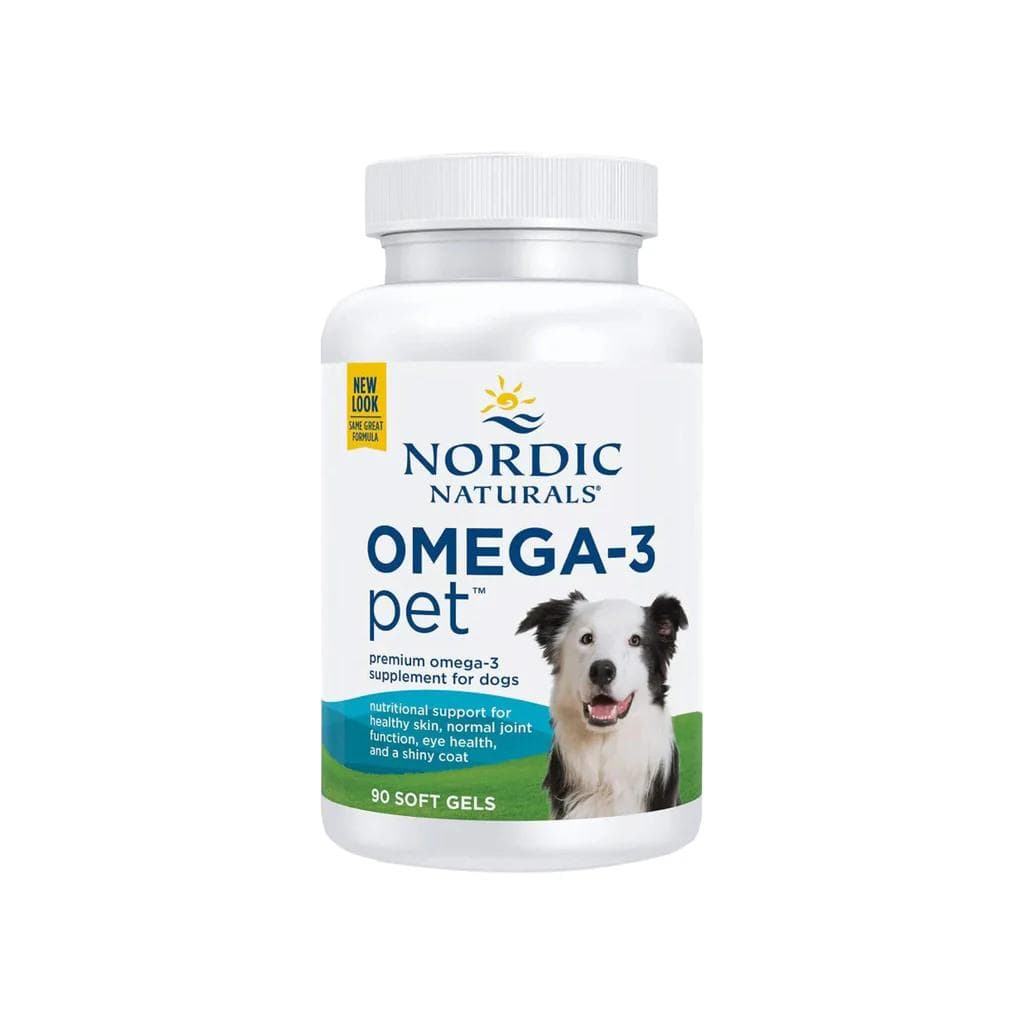
Third-party-tested omega-3 softgels (EPA and DHA) that support skin, coat, and joint health in dogs. Fish oil is one of the first things many vets suggest for a dull, dry, or flaky coat.
Webvet may earn a commission when you click through to Chewy, at no extra cost to you.
Common Brands
Welactin®, and Nordic Naturals®
Drug Class
Essential fatty acid supplement
Substance Classification
Not a controlled medication
Generic Status
Widely available from many companies
Availability
In stores, online, and at vet clinics
Available forms
Omega-3 Fatty Acids for Dogs Dosage Forms
Omega-3 supplements come in easy-to-use forms for both dogs and cats, including softgel capsules, liquid oils, and chewable treats. Prices vary depending on size and brand.
Webvet may earn a commission when you click through to Chewy, at no extra cost to you.
Softgel Capsules
| Qty/Size | Price as low as | Price per unit |
|---|---|---|
| 120 softgels | $19.99 | $0.17 |
Liquid Oils
| Qty/Size | Price as low as | Price per unit |
|---|---|---|
| 8 fl oz | $12.74 | $1.59 |
Chewable Treats
| Qty/Size | Price as low as | Price per unit |
|---|---|---|
| 90 chews | $32.99 | $0.37 |
Typical Dosing for Omega-3 Fatty Acids
Omega-3 doses are based on how much EPA + DHA your pet gets per day, not the number of capsules or teaspoons. Most products list this on the label.
General guidance:
- Everyday health: about 30–70 mg/kg/day
- Joint, skin, heart, or kidney support: higher ranges under vet direction
- Cats: smaller, carefully measured doses
Softgel Capsules
| Group | Typical Dose | Notes |
|---|---|---|
| Dogs – general use | ~30–70 mg/kg/day | Start low, increase gradually. |
| Dogs – arthritis | ~70–130 mg/kg/day | Helps reduce pain and stiffness. |
| Dogs – heart support | ~50–100 mg/kg/day | Use under veterinary supervision. |
| Cats | Vet-guided | Cats require care with dosing. |
Liquid Oils
| Group | Typical Dose | Notes |
|---|---|---|
| Dogs | Dose based on mg EPA+DHA per teaspoon | Split between meals. |
| Cats | Very small measured amounts | Use only vet-approved products. |
Chewable Treats
| Group | Typical Dose | Notes |
|---|---|---|
| Dogs | Based on product label | Easy for picky eaters. |
Reported side effects
Risks and Warnings for Omega-3 Fatty Acids for Dogs
Omega-3s are generally very safe, but giving too much or using low-quality products can cause problems.
Compare coverage choices for your pet, then request a quote directly on Lemonade.
- Check a price for your pet
- Review available coverage choices
- See the terms before you decide
Eligibility, waiting periods, limits and exclusions apply.
Webvet may earn a commission when you click through to Lemonade, at no extra cost to you.
Common risks include:
- Upset stomach (vomiting, diarrhea)
- Fishy breath or odor
- Weight gain from extra fat calories
- Bleeding issues at very high doses
- Vitamin E deficiency if diets are extremely high in fats
- Delayed healing at excessive levels
- Low immune response when the omega-6:omega-3 ratio becomes too low
Pets with pancreatitis, bleeding disorders, or those taking NSAIDs or steroids should use omega-3s only with a vet’s guidance.
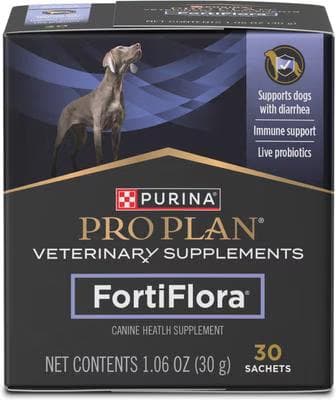
The #1 vet-recommended probiotic for dogs. Daily powder sachets with live probiotics support healthy digestion and firmer stools, and can help dogs coping with diarrhea or GI upset.
Webvet may earn a commission when you click through to Chewy, at no extra cost to you.
Omega-3 Fatty Acids for Dogs Warnings and Precautions
Use omega-3 supplements carefully and follow your vet’s advice.
- Do not give excessive doses.
- Use caution if your pet has pancreatitis or high fat levels.
- Avoid combining with blood-thinning drugs unless approved by a vet.
- Make sure your pet gets enough vitamin E.
- Introduce slowly to avoid stomach upset.
- Stop use and call your vet if you notice vomiting, diarrhea, bleeding, or unusual bruising.
Disclaimer: This information is for educational purposes only and should not replace professional veterinary advice. Always consult your veterinarian before using or combining any medications for your pet.
Frequently Asked Questions (FAQ)
Can I give my pet fish oil for humans?
Sometimes, but only if your vet approves. Some human products contain
unsafe ingredients
like xylitol.
How long before Omega-3s start helping?
Most pets show improvement in
4–12 weeks
, depending on the condition.
Are Omega-3s safe with joint medications?
Yes, they are commonly used together, but high doses may affect
bleeding
, so ask your vet.
Do cats benefit from Omega-3s?
Absolutely—but cats need
EPA and DHA
, not plant-based ALA alone.
When should I stop the supplement?
Stop and call your vet if you see
vomiting
,
diarrhea
,
bruising
,
nosebleeds
, or sudden changes in behavior.
$65 · no membershipNeed a prescription for Omega-3 Fatty Acids?
A licensed vet can assess your dog over video and prescribe Omega-3 Fatty Acids online when it's appropriate.
Talk to a vet- Licensed vets
- All 50 states
- same-day Rx
Webvet may earn a commission if you book.

Editor
The Webvet Editorial Team is the in-house group of pet-care editors and writers behind Webvet, operated by Smart Pet Collective. The team researches, writes, and maintains Webvet's pet health, behavior, and medication content. Every article follows a defined editorial process: research from reputable veterinary and scientific sources, careful drafting, mandatory review of medical content by a credentialed veterinarian, and dated publication. Health and medication articles are medically reviewed by a licensed veterinary professional before they go live and are kept current over time.

Veterinarian · BVetMed MRCVS
Hannah graduated in 2011 and works as a small animal vet in Cardiff, UK. She loves meeting people and their special pets and has a particular interest in diagnostic imaging, soft tissue surgery, and dentistry.


