Apoquel for Dogs: Side Effects, Dosage, and Real Cost
Apoquel stops allergic itch in dogs within hours. Get the dosage chart, the honest side-effect and long-term safety answer, and what it really costs per month.

BVMS MRCVS
Medically reviewed by Dr. Pippa Elliott, BVMS MRCVS · Last reviewed

Drug facts
Apoquel
Apoquel is an FDA-approved oral prescription medication containing oclacitinib, used in dogs at least 12 months of age to control itching from allergic dermatitis and manage atopic dermatitis. It is also used off-label in cats for similar skin conditions.
Treats
 $65 · no membership
Need a prescription for Apoquel?
A licensed vet can assess your dog over video and prescribe Apoquel online when it's appropriate.
 Talk to a vet
- Licensed vets
- All 50 states
- same-day Rx
Webvet may earn a commission if you book.
Apoquel for dogs should only be used under a veterinarian-confirmed plan for that animal. Apoquel is the brand name for oclacitinib, a prescription JAK inhibitor that can interrupt allergic itch in dogs within hours. It can improve sleep and reduce self-trauma, but it does not diagnose or cure the allergy. The labeled schedule has a short twice-daily phase followed by once-daily maintenance, and only the prescribing veterinarian should select the tablet strength or change the plan.
Apoquel Dosage for Dogs by Weight
When considering apoquel for dogs, use the veterinarian-confirmed product and plan for that animal. The FDA label dose is 0.4 to 0.6 mg/kg by mouth twice daily for up to 14 days, followed by once daily for maintenance. Confirm the weight, exact tablet strength, and prescribed tablet count with your veterinarian before giving a dose. The chart below reflects the tablet label, not an individual recommendation.
| Dog's body weight | Labeled amount per dose | Tablet strength used in the label table |
|---|---|---|
| 6.6 to 9.9 lb (3.0 to 4.4 kg) | 1.8 mg | One-half of a 3.6 mg tablet |
| 10.0 to 14.9 lb (4.5 to 5.9 kg) | 2.7 mg | One-half of a 5.4 mg tablet |
| 15.0 to 19.9 lb (6.0 to 8.9 kg) | 3.6 mg | One 3.6 mg tablet |
| 20.0 to 29.9 lb (9.0 to 13.4 kg) | 5.4 mg | One 5.4 mg tablet |
| 30.0 to 44.9 lb (13.5 to 19.9 kg) | 8 mg | One-half of a 16 mg tablet |
| 45.0 to 59.9 lb (20.0 to 26.9 kg) | 10.8 mg | Two 5.4 mg tablets |
| 60.0 to 89.9 lb (27.0 to 39.9 kg) | 16 mg | One 16 mg tablet |
| 90.0 to 129.9 lb (40.0 to 54.9 kg) | 24 mg | One and one-half 16 mg tablets |
| 130.0 to 175.9 lb (55.0 to 80.0 kg) | 32 mg | Two 16 mg tablets |
The same amount is given per dose during the initial and maintenance phases; the frequency changes after the initial phase. Your prescription controls the actual schedule.
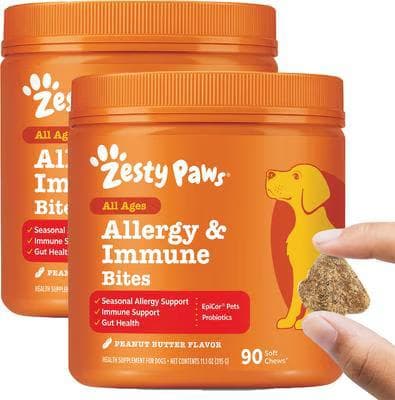
Webvet may earn a commission when you click through to Chewy, at no extra cost to you.

Apoquel comes in 3.6, 5.4, and 16 mg strengths. A strength printed on the bottle is not the dose for every dog in that weight range until the veterinarian confirms the number of tablets or tablet fraction. Weigh growing dogs and dogs with major weight changes again rather than continuing an old instruction by habit.
The label's day-14 change is easy to miss. The initial phase can be twice daily for up to 14 days. Maintenance is once daily. Do not continue twice-daily dosing beyond the written course, return to twice daily during a flare, use it only when scratching appears, or switch to every-other-day dosing without veterinary direction.
If a dose is missed, use the clinic's written instructions or call. Do not double the next dose. Apoquel can be given with or without food; a small meal may help a dog with stomach upset. Persistent vomiting or diarrhea needs a veterinary call rather than repeated food changes or dose improvisation.
A safe home routine for Apoquel
Make the day-14 transition visible before treatment begins. Put the last twice-daily date and the first once-daily date on a calendar, and have the prescribing clinic confirm both. If more than one person gives medication, use a paper log or shared reminder that records each completed dose. This prevents an accidental extra tablet during the high-frequency phase.
Store Apoquel in its original labeled container, out of reach of children and every animal in the home. Do not move several tablets into an unlabeled cup for convenience. If a dog gets into the bottle, the remaining tablet count and strength help the veterinarian or poison service estimate exposure.
At each dose, check:
- The dog's name on the bottle.
- The tablet strength and prescribed tablet fraction or count.
- Whether the schedule is still twice daily or has changed to once daily.
- Whether another family member already gave it.
- Whether vomiting, diarrhea, poor appetite, infection, or a new mass has appeared.
Keep the medication list current. Include flea and tick preventives, supplements, antihistamines, injections, antibiotics, steroids, cyclosporine, trazodone, gabapentin, and any medicine from another clinic. Do not assume that a common combination is safe for this dog. The label notes that Apoquel has not been evaluated with some systemic immunosuppressive treatments, so overlap needs a veterinary reason and a monitoring plan.
Do not share Apoquel between dogs even when their weights look similar. A dog under 12 months, a dog with a serious infection, or a dog with a different tumor history can have a very different risk profile. The prescription belongs to the examined patient.
What Apoquel Does for Itchy Dogs
Apoquel blocks selected Janus kinase, or JAK, signaling involved in itch and inflammation. That targeted mechanism can quiet the itch-scratch cycle quickly. A dog may sleep through the night, stop chewing the feet, or allow inflamed skin to heal instead of being repeatedly traumatized.

The U.S. label covers control of itching associated with allergic dermatitis and control of atopic dermatitis in dogs at least 12 months old. Apoquel does not remove fleas, mites, food triggers, pollen, mold, or another allergen. It also does not treat every bacterial or yeast infection that can make an allergic dog itch.
A veterinarian may still need to investigate:
- Fleas or mites and gaps in parasite prevention.
- Bacterial or yeast infection on the skin or in the ears.
- Food-responsive disease through a strict diet trial.
- Environmental triggers and seasonal patterns.
- Contact irritation or another skin disease.
- An allergy lookalike such as endocrine disease or cancer.
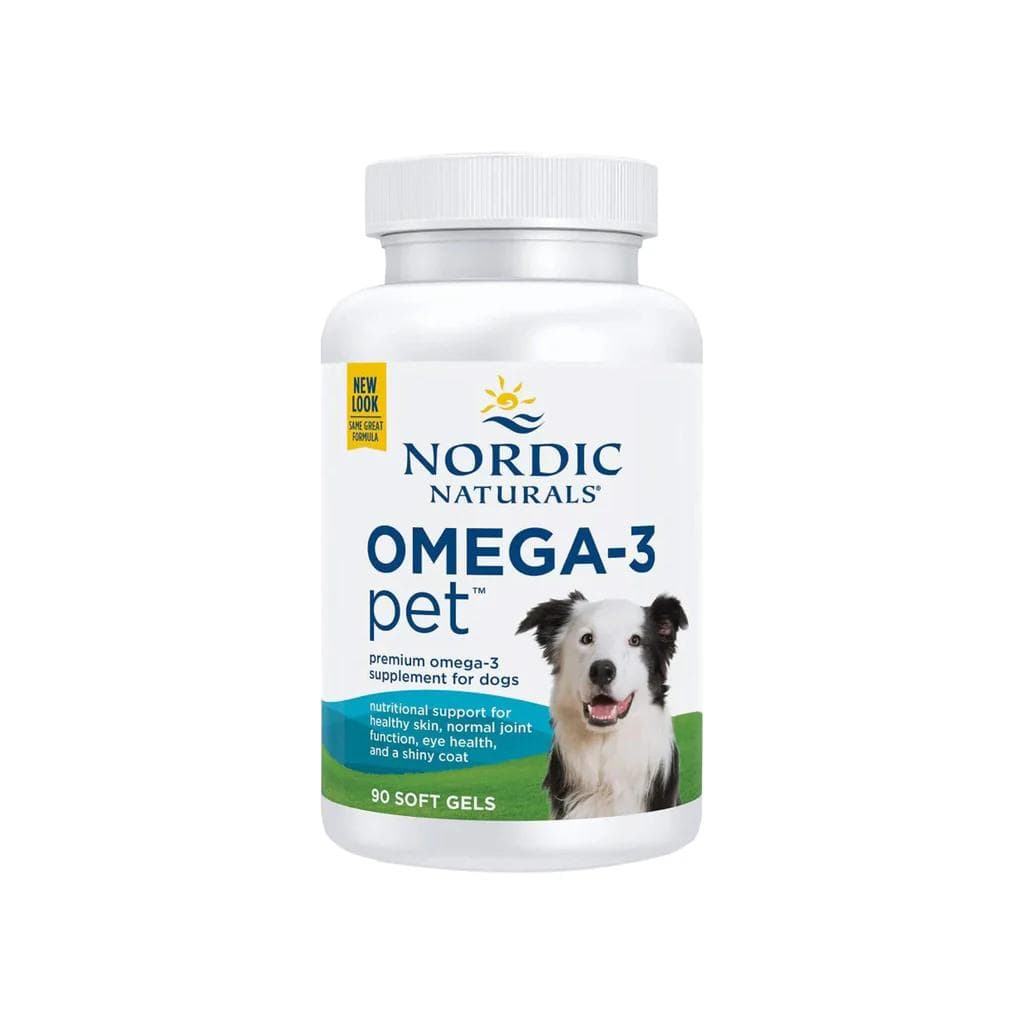
Third-party-tested omega-3 softgels (EPA and DHA) that support skin, coat, and joint health in dogs. Fish oil is one of the first things many vets suggest for a dull, dry, or flaky coat.
Webvet may earn a commission when you click through to Chewy, at no extra cost to you.
Fast relief is valuable, but it is not proof that the diagnostic work is finished. If itch returns whenever Apoquel stops, the next step may be a longer allergy plan. If Apoquel works only partly, the dog may need infection treatment, topical therapy, parasite control, or a more precise diagnosis rather than extra tablets.
Define success in observable terms. Sleeping through the night, less foot chewing, fewer hot spots, and a lower owner-recorded itch score are more useful than saying the dog seems "a little better." Redness, odor, ear discharge, and infection can persist even when scratching decreases, so those findings need their own recheck.
What should be checked before Apoquel starts
An itchy dog needs more than a prescription-strength itch switch. Before starting Apoquel, tell the veterinarian when the itch began, whether it is seasonal, which body areas are affected, and whether anyone else in the home is itchy. Bring the names and dates of flea prevention, previous antibiotics, steroids, antihistamines, injections, diets, shampoos, and supplements.
The examination may look for:
- Fleas, flea dirt, mites, and gaps in parasite control.
- Bacterial or yeast infection on the skin or in the ears.
- Open wounds, moist dermatitis, and self-trauma.
- A pattern that suggests environmental or food-responsive disease.
- New lumps, enlarged lymph nodes, or a previous tumor history.
- Signs of a serious systemic infection or another illness.
The label says Apoquel is not for dogs younger than 12 months or dogs with serious infections. It also directs monitoring for infection, demodicosis, and neoplastic conditions. That makes age, infection history, recurring mite problems, and previous cancer part of the prescribing decision rather than details to disclose only after a problem develops.
Ask the veterinary team to record a starting itch score or another concrete comfort measure. Take clear photographs of the feet, belly, ears, and other affected areas in consistent light. Those records help separate true improvement from the temporary relief an owner naturally hopes to see.
Why itch control and allergy control are different
Apoquel can stop the signaling that drives scratching without removing the trigger. If fleas remain, a diet trial is incomplete, or an ear infection is untreated, the dog can feel better while the underlying problem continues. That is not a failure of the medication. It is a reason to maintain the rest of the allergy plan.
A complete plan may include:
- Reliable flea prevention for every pet in the home.
- Treatment of bacterial or yeast infection.
- A strict elimination diet when food-responsive disease is possible.
- Medicated bathing or topical skin-barrier care.
- Environmental-allergy evaluation and immunotherapy discussion. When the veterinarian selects topical antimicrobial care for a diagnosed skin problem, Pet Honesty Chlorhexidine dog shampoo is one product to ask about; it is not an itch-medicine substitute.
- A recheck point for deciding whether medication remains necessary.
Do not stop the diagnostic steps just because the first doses reduce scratching. Conversely, do not assume a poor response proves the dog has no allergy. Parasites, infection, dose timing, adherence, pain, another disease, or a different itch pathway can all affect the result.
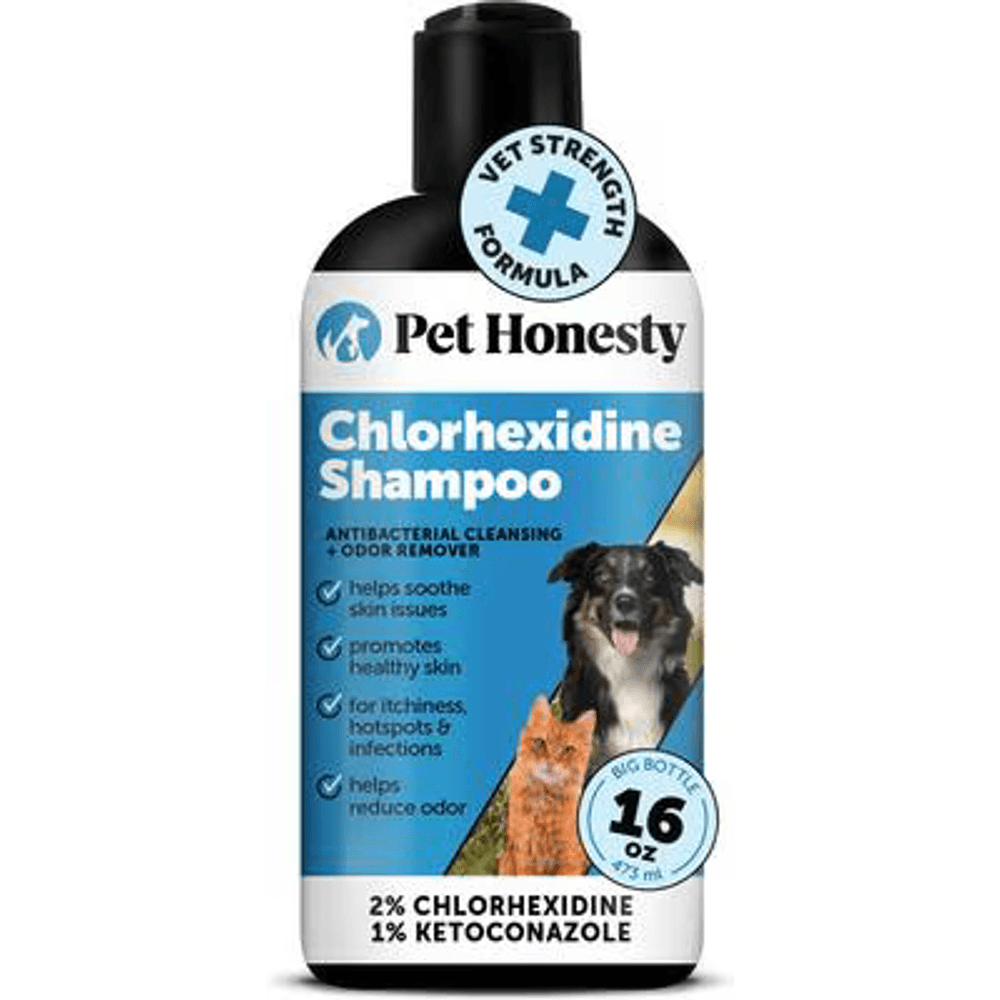
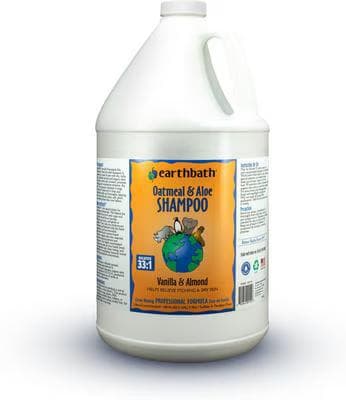
A vet-strength medicated shampoo with 2% chlorhexidine and 1% ketoconazole, the antifungal and antibacterial combination vets use to help clear ringworm and skin infections and to cut fungal spore shedding during treatment.
Webvet may earn a commission when you click through to Chewy, at no extra cost to you.
Measuring whether Apoquel is worth continuing
The benefit side of the risk-benefit decision should be specific. Track nighttime waking, minutes spent chewing the feet, new skin wounds, ear flares, and whether normal play or walks return. Also track digestive signs, appetite, energy, infections, and new masses.
At the recheck, ask three separate questions:
- Is the itch controlled throughout the full dosing interval?
- Is the skin healthier, or is infection continuing under quieter scratching?
- Is the dog experiencing a side effect or monitoring concern that changes the plan?
A medication can be highly effective for itch yet incomplete as allergy care. The most durable plans protect comfort while continuing diagnosis, parasite control, infection treatment, and reassessment.
Apoquel Side Effects and Long-Term Use
Common problems reported during treatment include vomiting, diarrhea, reduced appetite, lethargy, and increased thirst. Apoquel also modulates immune signaling, so the label tells veterinarians to monitor for serious infections, demodicosis, and neoplastic conditions. An adverse-effect list does not predict what will happen to one dog, but it does define what owners and vets should watch.
Expected call versus urgent care
Call the prescribing clinic for repeated vomiting or diarrhea, poor appetite, unusual tiredness, increased drinking or urination, a new skin or ear infection, or itch that worsens during treatment. A single mild digestive episode in a dog otherwise acting normally may not be an emergency, but the clinic should guide the next dose if it recurs.
Seek urgent veterinary care for collapse, marked weakness, breathing changes, severe or bloody vomiting or diarrhea, fever with serious illness, a severe allergic reaction, or a suspected overdose. Bring the bottle and tell the team the strength, possible number of tablets swallowed, and time of exposure.
Infection and demodicosis monitoring
Apoquel is not for dogs with serious infections. Immune modulation can increase susceptibility to infection, including overgrowth of Demodex mites. Warning signs include patchy hair loss, scaling, pustules, crusts, odor, ear discharge, cough, urinary changes, or an infection that returns soon after treatment.
Do not cover worsening skin disease by increasing the itch medicine. The veterinarian may perform skin cytology, a scraping, culture, urine testing, or another examination and decide whether Apoquel should continue while the infection is treated.
Apoquel and cancer concerns
The label warns that Apoquel may worsen neoplastic conditions. That does not prove Apoquel causes every tumor reported after treatment, and it does not justify telling an owner that a prescribed dose "killed" a dog without evidence. It does justify a careful risk-benefit discussion when a dog has a previous tumor, unexplained lymph-node enlargement, or a new mass.
Report new or growing lumps, unexplained weight loss, swollen lymph nodes, or unusual illness. The veterinarian may sample a mass, change monitoring, or choose another itch-control strategy. Severe uncontrolled itch also causes harm through sleep loss, wounds, infection, and pain, so the safest choice is individualized rather than fear-driven.
Webvet may earn a commission when you click through to Chewy, at no extra cost to you.
How long-term use is monitored
Some dogs use Apoquel seasonally. Others with chronic atopic dermatitis remain on maintenance treatment when comfort improves and the benefit continues to outweigh risk. There is no universal maximum duration.
Long-term follow-up may include:
- Physical and skin examinations.
- Review of recurrent infections and demodicosis.
- Checks of new or changing masses.
- Weight and appetite review.
- Bloodwork or other laboratory tests when the veterinarian considers them appropriate.
- Reassessment of parasite control, diet trials, bathing, and other allergy care.
The label specifically supports infection and neoplasia monitoring. The exact bloodwork schedule is individualized. A refill should not become a substitute for rechecks when the dog has new disease, additional medication, repeated infection, or a changing response.
Apoquel Cost and the Generic Question
Apoquel's real monthly cost depends on body weight, prescribed strength, tablet count per dose, pharmacy price, and whether the dog is in the initial or maintenance phase. Cited veterinary guidance does not contain a current verified dollar price, so one national monthly quote would be misleading. Ask the clinic or licensed pharmacy for the price of the exact strength and quantity on the prescription.
| Dog size band | Typical label-table pattern | Maintenance quantity driver | Honest cost question |
|---|---|---|---|
| Small dog | One-half or one smaller-strength tablet per dose | About one prescribed dose each day | Does the pharmacy price half-tablet regimens differently, and is splitting approved for this prescription? |
| Medium dog | One tablet or a half 16 mg tablet per dose | About one prescribed dose each day | Which available strength provides the prescribed amount with the least waste? |
| Large dog | One 16 mg tablet or multiple 5.4 mg tablets per dose | About one prescribed dose each day | Is the 16 mg strength less expensive than multiple smaller tablets for the same labeled amount? |
| Giant dog | Multiple tablets per dose | Multiple tablets each day | What is the full 30-day quantity and total pharmacy price? |
| First treatment month | Same amount per dose, but up to 14 days can be twice daily | More doses than a maintenance month | What is the total for the starter phase plus the remaining once-daily days? |
Use the current pharmacy quote to calculate the monthly total. Do not compare bottle prices without confirming tablet strength and quantity.
Oclacitinib is the active ingredient, but a true generic Apoquel product should not be assumed available from an undated listing. The available current evidence does not establish a true generic equivalent. Verify any differently named product with the veterinarian or pharmacist instead of buying from an unverified source.
If Apoquel is unaffordable, ask about legitimate pharmacy price comparisons, manufacturer rebate or support programs, and treatment alternatives that fit the diagnosis. Include examination, monitoring, infection treatment, and administration costs in the decision. A cheaper tablet that does not control the dog's itch can lead to more wounds and veterinary visits.
Apoquel vs Cytopoint, Zenrelia, and OTC Options
There is no universal number-one itch relief for dogs. Apoquel, Cytopoint, Zenrelia, antihistamines, steroids, cyclosporine, immunotherapy, diet trials, and topical care work differently and carry different limits. The correct comparison depends on age, infection or cancer history, vaccine timing, severity, other medication, and whether daily pills are practical.
For a comparison of allergy-treatment alternatives, see Apoquel alternatives compared for the safety-ranked switching framework, including Zenrelia and antihistamine questions. See the Cytopoint injection option for the injection-specific decision.
Benadryl or Zyrtec is not automatically equivalent because it is sold over the counter. Human combination products can contain ingredients that are dangerous to dogs. Do not substitute, combine, or overlap an antihistamine, steroid, another JAK inhibitor, cyclosporine, or an injectable therapy without veterinary direction.
Apoquel for Dogs FAQs
Frequently Asked Questions
Is Apoquel just Benadryl?
Apoquel is not an antihistamine like Benadryl; the JAK pathway difference means Apoquel changes selected itch and inflammatory signaling instead. The medicines have different mechanisms, effectiveness, adverse effects, and dosing. Do not replace one with the other or give both unless the veterinarian has reviewed the exact antihistamine product and the dog's full treatment plan.
How long should a dog be on Apoquel?
A dog may take Apoquel on a seasonal or year-round schedule, and some dogs continue lifelong for atopy when control remains effective and the veterinarian finds that benefit outweighs risk. Once-daily maintenance can be part of that plan. Recurrent infection, demodicosis, a new mass, another disease, or a changing response should trigger reassessment rather than an automatic refill.
What if I can't afford Apoquel for my dog?
If you cannot afford Apoquel, ask about Zenrelia and other diagnosis-appropriate options, legitimate pharmacy price comparisons, and current manufacturer rebate programs. Have the clinic price the exact 30-day strength and quantity, then discuss the alternatives in WebVet's dedicated comparison. Cytopoint, antihistamines, steroids, topical therapy, diet trials, and immunotherapy have different costs and risks. Do not ration tablets, extend the interval, or substitute an over-the-counter medicine without a veterinary plan.
$65 · no membershipNeed a prescription for Apoquel?
A licensed vet can assess your dog over video and prescribe Apoquel online when it's appropriate.
Talk to a vet- Licensed vets
- All 50 states
- same-day Rx
Webvet may earn a commission if you book.

Editor
The Webvet Editorial Team is the in-house group of pet-care editors and writers behind Webvet, operated by Smart Pet Collective. The team researches, writes, and maintains Webvet's pet health, behavior, and medication content. Every article follows a defined editorial process: research from reputable veterinary and scientific sources, careful drafting, mandatory review of medical content by a credentialed veterinarian, and dated publication. Health and medication articles are medically reviewed by a licensed veterinary professional before they go live and are kept current over time.
Veterinarian · BVMS MRCVS
Dr. Pippa Elliott, BVMS, MRCVS, is a veterinarian with nearly 30 years of experience in companion animal practice. Dr. Elliott earned her Bachelor of Veterinary Medicine and Surgery from the University of Glasgow. She was also designated a Member of the Royal College of Veterinary Surgeons. Married with 2 grown-up kids, Dr. Elliott has a naughty Puggle named Poggle, 3 cats and a bearded dragon.


