Oclacitinib for Dogs

BVMS MRCVS
Medically reviewed by Dr. Pippa Elliott, BVMS MRCVS · Last reviewed

Drug facts
Oclacitinib
Oclacitinib is an oral prescription JAK inhibitor used in dogs to control itching from allergic dermatitis and to manage atopic dermatitis. It is the active ingredient in Apoquel and is FDA approved for dogs at least 12 months of age.
Treats
 $65 · no membership
Need a prescription for Oclacitinib?
A licensed vet can assess your dog over video and prescribe Oclacitinib online when it's appropriate.
 Talk to a vet
- Licensed vets
- All 50 states
- same-day Rx

Webvet may earn a commission if you book.
What is Oclacitinib
Overview
Oclacitinib for dogs is a prescription JAK1-targeting medication used to control itching from allergic dermatitis and manage atopic dermatitis in dogs 12 months and older. It provides fast relief, often within 24 hours, by blocking inflammatory signals that trigger itching and redness. Oclacitinib is the active ingredient in Apoquel, but unlike the branded product, the term “oclacitinib” refers specifically to the generic drug itself, which may be used in clinical discussions, research, or off label applications. Veterinarians may prescribe oclacitinib off label in cats for immune-related skin disease. Because it affects immune pathways, long term therapy may involve periodic vet monitoring for blood changes or infection risk.
Explore more skin-related medications in our Dermatology section.
What Is Animax Ointment for Dogs Used For
| Condition | Notes |
|---|---|
| Allergic Dermatitis | FDA approved for dogs 12 months and older to manage itching caused by allergic dermatitis. Oclacitinib provides fast relief, often within 24 hours, by blocking JAK1-linked cytokines such as IL-31. |
| Atopic Dermatitis (AD) | FDA approved for controlling atopic dermatitis in dogs. Long-term studies show it remains effective for ongoing management and improves quality of life in dogs with chronic environmental allergies. |
| Management of Otitis Externa | May be used alongside ear medications to help manage otitis externa that develops secondary to allergic skin disease. |
| Combination Therapy for Allergic Dermatitis | Can be combined with treatments such as lokivetmab, corticosteroids, cyclosporine, antihistamines, NSAIDs, anti-seizure meds, immunotherapy, or vaccines. Combination therapy may help dogs that respond poorly to a single medication. |
| Off-Label Use in Cats | Not FDA approved for cats, but veterinarians may use it off label to manage atopic dermatitis and other immune-related skin conditions. |
| General Dermatologic Conditions | Helps control a range of inflammatory and allergy-related skin problems by targeting JAK1-dependent cytokines involved in itch and inflammation. |
How Oclacitinib Works
Oclacitinib for dogs is a selective Janus Kinase (JAK) inhibitor that targets the pathways responsible for inflammation and itch in dogs. Unlike steroids or antihistamines, oclacitinib works by blocking JAK 1, which interrupts the immune signals that trigger allergic reactions. This inhibition prevents the release of cytokines such as IL 31, the molecule that creates the sensation of itch, resulting in fast improvement of symptoms, often within the first 24 hours.
Drug Facts
Oclacitinib for dogs is an oral prescription medication classified as a JAK inhibitor and is used to manage allergic and inflammatory skin conditions in dogs. It is FDA approved for dogs at least 12 months of age and is prescribed to control pruritus from allergic dermatitis and to help manage atopic dermatitis. Oclacitinib is usually given once or twice daily depending on your veterinarian's guidance and may be used together with other allergy therapies as part of a long term treatment plan for dogs with chronic skin disease.
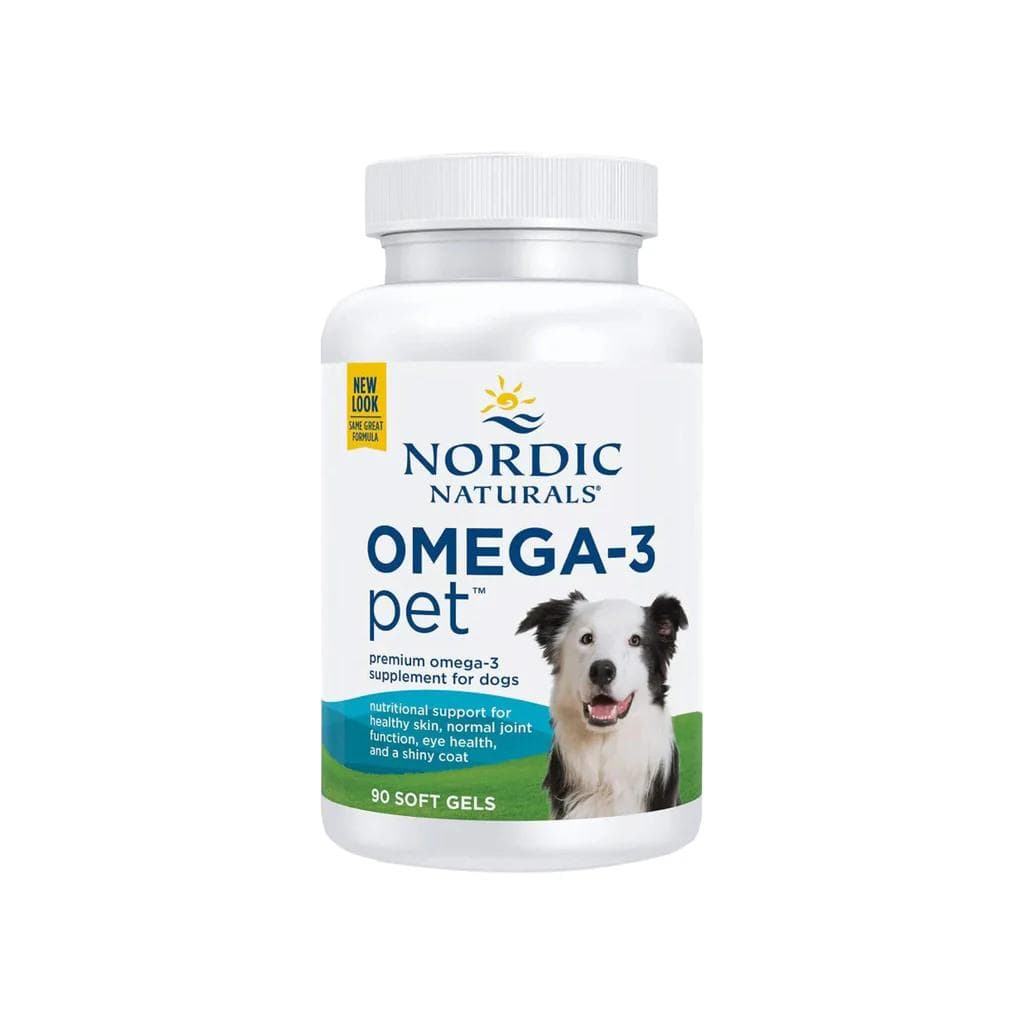
Third-party-tested omega-3 softgels (EPA and DHA) that support skin, coat, and joint health in dogs. Fish oil is one of the first things many vets suggest for a dull, dry, or flaky coat.
Webvet may earn a commission when you click through to Chewy, at no extra cost to you.
Common Brands
Apoquel® (oclacitinib)
Drug Class
Janus Kinase (JAK) inhibitor and immune modulating medication
Substance Classification
Not a controlled medication
Generic Status
Lower-cost generic available
Availability
Prescription only
Available forms
Animax Ointment Dosage Forms
Oclacitinib for dogs is an oral medication available as film coated tablets and flavored chewable tablets. Both forms come in 3.6 mg, 5.4 mg, and 16 mg strengths, allowing veterinarians to choose the appropriate dose based on a dog’s weight and treatment plan. The chewable option was designed to improve ease of administration and is well accepted by most dogs.
Compare coverage choices for your pet, then request a quote directly on Lemonade.
- Check a price for your pet
- Review available coverage choices
- See the terms before you decide
Eligibility, waiting periods, limits and exclusions apply.
Webvet may earn a commission when you click through to Lemonade, at no extra cost to you.
Tablets / Chewables
| Qty/Size | Price as low as | Price per unit |
|---|---|---|
| 3.6 mg | $238.00 | $2.38 |
| 5.4 mg | $170.78 | $1.71 |
| 16 mg | $271.99 | $2.72 |
Typical Dosing For Oclacitinib
Unlike topical treatments, oclacitinib dosing is based on your dog’s body weight (mg/kg) and is started under veterinary guidance. Most dogs receive the medication once or twice daily, with the schedule depending on whether the goal is initial itch control or ongoing maintenance. Oclacitinib can be given with or without food, and your veterinarian may adjust the dose or frequency over time to achieve the best control of itching and skin inflammation.
Oral Tablets (Allergic Dermatitis, Atopic Dermatitis)
| Group | Severity | Notes |
|---|---|---|
| Dogs (FDA Approved) | Initial Therapy (First 14 Days) | 0.4–0.6 mg/kg twice daily for up to 14 days. |
| Dogs (FDA Approved) | Maintenance Therapy | 0.4–0.6 mg/kg once daily. |
| Dogs (Off-Label) | Severe or hard to control allergic or atopic disease | Some dogs may remain on twice daily dosing, but this is off label and used with caution. |
| Dogs (Off-Label) | Atopic dermatitis or other immune mediated skin conditions | Cats may require higher or more frequent doses than dogs. Oclacitinib is not FDA approved for cats. |
Important Note: The FDA approved dosing schedule for oclacitinib involves starting with twice daily dosing for the first 14 days, then transitioning to once daily for ongoing management. Using oclacitinib twice daily beyond the initial 14 day period is considered off label and may increase the risk of side effects.
Reported side effects
Risks and Warnings for Oclacitinib
Oclacitinib is generally well tolerated in most dogs, but because it affects immune signaling, careful use is essential. The key concerns involve immune-related changes, infection susceptibility, age limitations, and the need for ongoing monitoring. Your veterinarian will evaluate your dog’s overall health to determine if oclacitinib is appropriate.
Young Dogs and Contraindicated Groups
Certain dogs should not receive oclacitinib due to higher safety risks or insufficient data on its use in specific groups.
- Not recommended for dogs under 12 months of age, as younger dogs may experience more severe infections such as pneumonia or demodicosis.
- Avoid in dogs with active infections, including Demodex mange or other significant bacterial illnesses.
- Not advised for dogs with known cancer or a history of cancer, because immune modulation may affect tumor behavior.
- Should not be used in pregnant, breeding, or nursing dogs, as safety studies are lacking.
These groups have an increased chance of complications, so oclacitinib is avoided unless a veterinarian determines the benefits outweigh the risks.
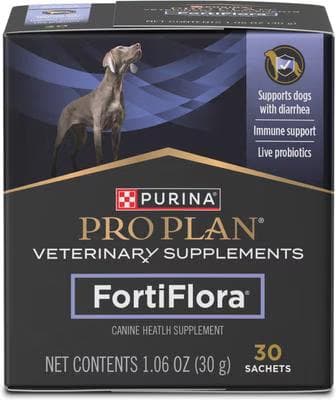
The #1 vet-recommended probiotic for dogs. Daily powder sachets with live probiotics support healthy digestion and firmer stools, and can help dogs coping with diarrhea or GI upset.
Webvet may earn a commission when you click through to Chewy, at no extra cost to you.
Immune System Effects
Because oclacitinib modifies specific immune pathways rather than broadly suppressing the whole system, dogs may still experience issues linked to reduced immune function.
- Increased chance of skin and ear infections, as well as urinary tract infections.
- Potential for overgrowth of Demodex mites, leading to localized or generalized demodicosis.
- Occurrence of new skin growths, including benign and malignant tumors, such as papillomas or other masses.
- Possible progression of underlying cancers in predisposed dogs.
If new lumps, infections, or concerning symptoms appear, consult your veterinarian promptly for assessment.
Common Adverse Effects
Oclacitinib’s side effects are typically mild, but dogs can occasionally develop more noticeable reactions, especially during early treatment.
Webvet may earn a commission when you click through to Chewy, at no extra cost to you.
- Gastrointestinal upset, such as vomiting or diarrhea
- Decreased appetite, tiredness, or reduced activity
- Skin issues, including crusting, pododermatitis, or pyoderma
- Elevated liver enzymes on blood tests
- Rare occurrences of seizures, increased thirst, or demodicosis
Most mild effects resolve with supportive care, but persistent or worsening signs should be reported to your veterinarian.
Drug Interactions and Usage Precautions
Oclacitinib should be used as directed, particularly if your dog is on other medications or has chronic health issues.
- Long term use with corticosteroids or cyclosporine is not well studied and is generally discouraged.
- Short term combination with those medications may be acceptable under veterinary supervision.
- Can be safely used with NSAIDs, antihistamines, anti-seizure drugs, vaccines, and allergy immunotherapy.
- Overdose can lead to significant immune suppression, serious infections, or worsening skin conditions.
Adhering to the prescribed dosing schedule helps minimize unnecessary risks.
Frequently Asked Questions (FAQ)
What Does Oclacitinib Do for Dogs?
Oclacitinib helps reduce itching and inflammation caused by allergic and atopic skin conditions in dogs.
What Is a Cheaper Alternative to Apoquel?
Cytopoint or antihistamines are often considered lower cost alternatives depending on the dog's needs and response.
Is Oclacitinib a Steroid?
No, oclacitinib is not a steroid; it is a Janus Kinase (JAK) inhibitor that targets specific itch and inflammation pathways.
Is Apoquel the Same as Benadryl?
No, Apoquel is a targeted prescription allergy medication, while Benadryl is an over the counter antihistamine with milder effects.
$65 · no membershipNeed a prescription for Oclacitinib?
A licensed vet can assess your dog over video and prescribe Oclacitinib online when it's appropriate.
Talk to a vet- Licensed vets
- All 50 states
- same-day Rx
Webvet may earn a commission if you book.

Editor
The Webvet Editorial Team is the in-house group of pet-care editors and writers behind Webvet, operated by Smart Pet Collective. The team researches, writes, and maintains Webvet's pet health, behavior, and medication content. Every article follows a defined editorial process: research from reputable veterinary and scientific sources, careful drafting, mandatory review of medical content by a credentialed veterinarian, and dated publication. Health and medication articles are medically reviewed by a licensed veterinary professional before they go live and are kept current over time.
Veterinarian · BVMS MRCVS
Dr. Pippa Elliott, BVMS, MRCVS, is a veterinarian with nearly 30 years of experience in companion animal practice. Dr. Elliott earned her Bachelor of Veterinary Medicine and Surgery from the University of Glasgow. She was also designated a Member of the Royal College of Veterinary Surgeons. Married with 2 grown-up kids, Dr. Elliott has a naughty Puggle named Poggle, 3 cats and a bearded dragon.


