Lokivetmab for Dogs: Dosage, Side Effects, and Cytopoint Safety
Lokivetmab for Dogs explained: see the vet-reviewed dosage-by-weight chart, side effects, safety warnings, cost, and when to call your veterinarian.

BVMS MRCVS
Medically reviewed by Dr. Pippa Elliott, BVMS MRCVS · Last reviewed

Drug facts
Lokivetmab
Lokivetmab is a canine-specific monoclonal antibody given by subcutaneous injection to control itching in dogs with atopic dermatitis. It targets IL-31 without acting as a general immunosuppressant.
Treats
 $65 · no membership
Need a prescription for Lokivetmab?
A licensed vet can assess your pet over video and prescribe Lokivetmab online when it's appropriate.
 Talk to a vet
- Licensed vets
- All 50 states
- same-day Rx
Webvet may earn a commission if you book.
Lokivetmab for dogs is a veterinarian-prescribed monoclonal antibody injection that controls allergic itch by blocking interleukin-31, one of the main itch signals in canine atopic dermatitis. It is sold as Cytopoint and is licensed for dogs, not cats. A veterinary examination still matters because an injection can reduce scratching without treating fleas, infection, food allergy, ear disease, or another cause of itch.
Lokivetmab Dosage for Dogs by Weight
| Dog's current weight | Dose decision | Product formulation check | Owner action |
|---|---|---|---|
| Any weight | The prescribing veterinarian calculates the injection dose from current body weight and the product label | Cytopoint comes in single-use vial strengths, and a clinic may need one vial or a combination | Confirm with your vet before every injection rather than converting a prior visit into a home dose |
| Growing puppy or dog with recent weight change | The dose must be recalculated from today's verified weight | A previously used vial combination may no longer match | Ask the clinic to weigh the dog before treatment |
| Dog whose relief ends early | Do not increase the dose or shorten the interval yourself | The veterinarian may reassess diagnosis, skin infection, or the injection schedule | Record when itching returns and bring that timeline to the recheck |
| Dog with a possible dosing error or unexpected reaction | Do not attempt another injection | Keep the clinic record and product information available | Call your veterinarian or an emergency veterinary service now |
When considering lokivetmab for dogs, use the veterinarian-confirmed product and plan for that animal. Lokivetmab dosage by weight is not a safe home calculation. The product label specifies a minimum dose of 2 mg/kg, but the veterinarian must translate that label rule into the correct vial or vial combination. This chart is for understanding the decision, not for selecting milligrams. The clinic also controls refrigeration, handling, and subcutaneous administration.
How much does lokivetmab cost? Body weight is one reason the price varies: larger dogs may need higher-strength or multiple vials, while the clinic may add an examination or injection fee. Ask for a written per-visit quote based on your dog's current weight and expected interval. That gives a more honest answer than a generic Cytopoint price chart.

Webvet may earn a commission when you click through to Chewy, at no extra cost to you.
How Lokivetmab Works for Allergic Itch
- 1Lokivetmab is prescribed and injected by a veterinarian.
- 2It targets the canine IL-31 itch signal rather than broadly suppressing the immune system.
- 3It can make a dog more comfortable, but it is not a substitute for diagnosis or treatment of infection and the underlying allergy.
- 4Persistent vomiting, facial swelling, collapse, or trouble breathing after an injection is an emergency warning.
Lokivetmab is a caninized monoclonal antibody. It binds to interleukin-31 so the itch message is less able to reach the dog's brain. Many dogs improve within one to two days, and relief may last several weeks, although response and duration vary. A dog that keeps scratching may have another itch pathway, a secondary skin or ear infection, or an allergy trigger that still needs attention.
What is lokivetmab for dogs used for? Veterinarians use it to control itching associated with allergic and atopic dermatitis. It is not a steroid, antibiotic, antifungal, flea treatment, or cure for allergy. Reducing scratching can help damaged skin recover, but odor, greasy skin, pustules, painful ears, or open sores still warrant an examination and may require separate therapy.
Can I buy lokivetmab online? Owners may see searches for lokivetmab for sale, but Cytopoint is a prescription veterinary biological that is stored cold and administered at a clinic. It is not a legitimate over-the-counter or owner-injected product. Avoid any seller offering to ship it without a veterinary relationship, since storage failure or counterfeit product creates both safety and effectiveness concerns.

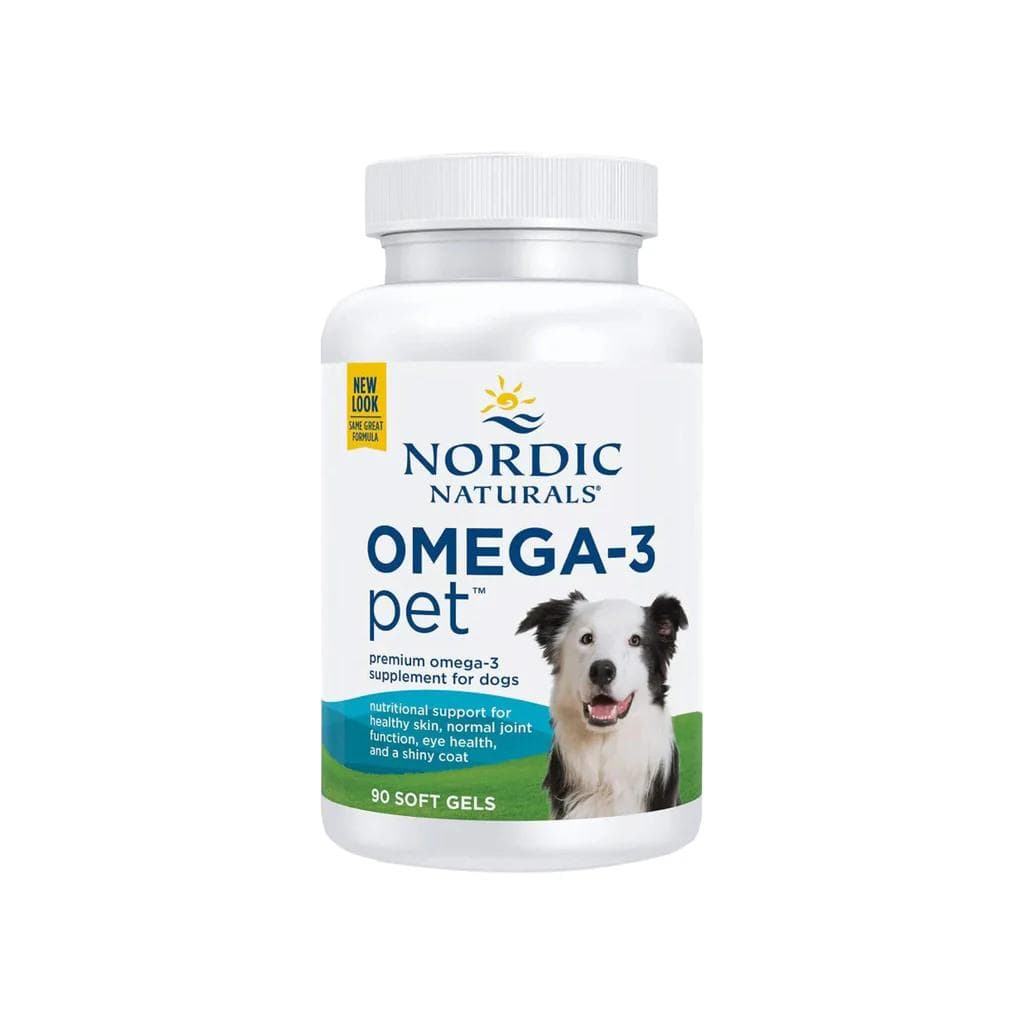
Third-party-tested omega-3 softgels (EPA and DHA) that support skin, coat, and joint health in dogs. Fish oil is one of the first things many vets suggest for a dull, dry, or flaky coat.
Webvet may earn a commission when you click through to Chewy, at no extra cost to you.
Lokivetmab Side Effects and Safety
What are the side effects of lokivetmab? Cited veterinary guidance describes adverse events as uncommon and usually mild. Report vomiting, diarrhea, lethargy, injection-site discomfort, a new skin change, or a marked change in behavior to the clinic. An apparent return of itch is not automatically a side effect; it may mean the benefit is wearing off or another skin problem is active.
Potential concerns to watch for include:
- soreness or discomfort around the injection site
- vomiting, diarrhea, or unusual tiredness
- worsening odor, redness, discharge, or lesions that can point to secondary infection
- little or no improvement, which should prompt reassessment rather than an extra dose
- facial swelling, hives, breathing difficulty, collapse, or severe weakness after injection
Lokivetmab is canine-specific. Do not use it in a cat or another species. Tell the veterinarian about the dog's complete health history, current infection, past vaccine or injection reactions, and every medication or supplement. The drug's targeted mechanism does not make the diagnostic work optional, and it does not make every itchy dog an appropriate candidate.
Why this medicine is for dogs, not cats
Lokivetmab is engineered to recognize the canine IL-31 pathway and is licensed for canine allergic itch. The "dogs and cats" words remain in this live article's established URL identity, but they do not imply a feline use. A cat with itching needs a feline examination and a species-appropriate plan for fleas, mites, infection, allergy, pain, or another skin disease.
Do not ask a clinic to divide a canine vial for a cat, and do not use a dog's remaining allergy medicine on another pet. Cats also groom medication from their skin and coat, which can change exposure to topical products used alongside an allergy plan. Every species and every animal needs its own treatment instructions.
Handling belongs to the veterinary clinic
Cytopoint is a refrigerated biological supplied in single-use vials. Temperature control, product identity, vial selection, sterile preparation, and subcutaneous administration are part of the treatment. An owner should not transport a loose vial, buy one through an unverified seller, or try to reproduce a clinic injection at home.
At the appointment, confirm that the current weight is recorded and tell the team about any recent vaccine or injection reaction. Afterward, keep the invoice or treatment record with the date and amount administered. That record is useful if another clinic must evaluate an unexpected reaction or if the household later needs to compare response duration and cost.

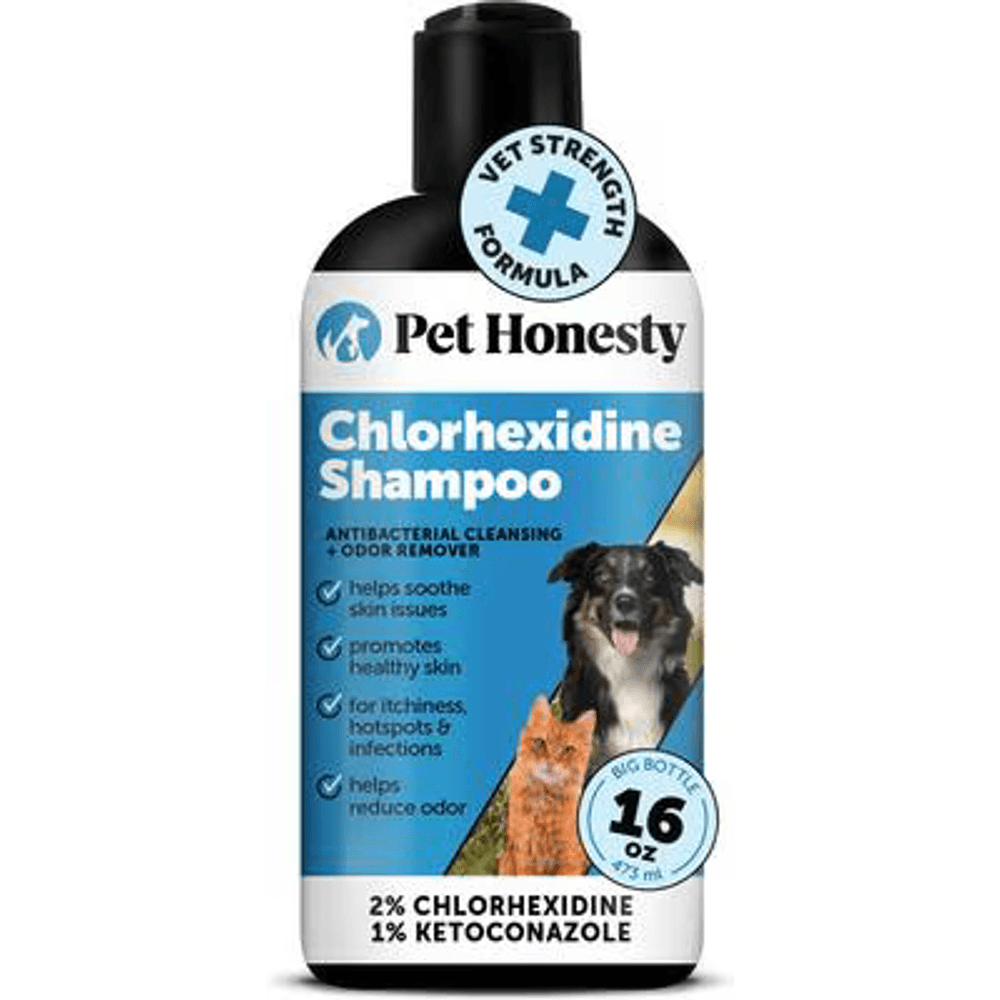
A vet-strength medicated shampoo with 2% chlorhexidine and 1% ketoconazole, the antifungal and antibacterial combination vets use to help clear ringworm and skin infections and to cut fungal spore shedding during treatment.
Webvet may earn a commission when you click through to Chewy, at no extra cost to you.
Lokivetmab Cost and Injection Schedule
The previously observed online vial range was about $55 to $125 before clinic fees, depending on vial strength and seller. Treat that as a historical benchmark, not a guaranteed current price. The actual dog Cytopoint injection cost depends on body weight, the vial combination, local clinic pricing, whether an examination is due, and how many weeks of relief that dog gets.
For a useful estimate, ask the clinic to separate:
- medication cost for the exact weight-based vial combination
- technician injection fee, if any
- examination or dermatology recheck fee
- expected interval between visits based on prior response
- added treatment for infection, ears, fleas, or skin-barrier disease
Many dogs return every four to eight weeks, but the veterinarian sets the injection schedule. Track the injection date, the first day of visible relief, and the date scratching meaningfully returns. That simple log helps the clinic judge whether the interval is appropriate and makes monthly budgeting less speculative.
Queries such as Cytopoint 40 mg price can mislead because a vial strength is not a complete treatment quote. A 40 mg vial may not be the only vial required, and a different dog's record does not establish your dog's dose. The cheapest safe path is a clinic quote tied to current weight and an interval that actually controls itch.
Webvet may earn a commission when you click through to Chewy, at no extra cost to you.
What to Expect After a Lokivetmab Injection
The clinic may ask you to wait briefly after the injection, especially if the dog has a history of reactions. At home, keep the rest of the day ordinary enough that a new sign is easy to notice. Vigorous exercise, a new food, a new shampoo, and another nonessential treatment on the same day can make the cause of vomiting, hives, or lethargy harder to identify.
Track response with observations that are more useful than a general "better" or "worse":
- daily scratching or chewing episodes during quiet periods
- sleep interruption caused by itching
- redness, odor, discharge, hot spots, or ear discomfort
- first day of clear relief after the injection
- first day the relief begins to fade
- any vomiting, diarrhea, weakness, swelling, or injection-site pain
Photographs of the same skin area in similar lighting can help the veterinarian compare a flare over time. Do not use a photo to decide that an infection is gone. Yeast, bacteria, fleas, and ear disease require examination or testing, and lokivetmab can reduce scratching even while another problem continues.
When itch control is incomplete
A dog may respond only partly because the diagnosis is incomplete, the allergy trigger remains intense, or a secondary infection is active. Some dogs need a shorter veterinarian-directed interval, while a nonresponder may need a different approach. An extra or early injection should never be the owner's test.
Before the recheck, write down:
- how long the last injection worked
- whether relief was complete or partial
- which body areas remain itchy
- whether the paws, ears, or skin smell different
- whether flea prevention is current for every pet
- which baths, supplements, or other allergy medicines were used
That record helps the clinician separate a duration problem from a diagnosis problem. If itching returns abruptly with facial swelling, breathing difficulty, widespread hives, collapse, or a rapidly painful skin lesion, do not wait for the routine recheck.
Long-term allergy management
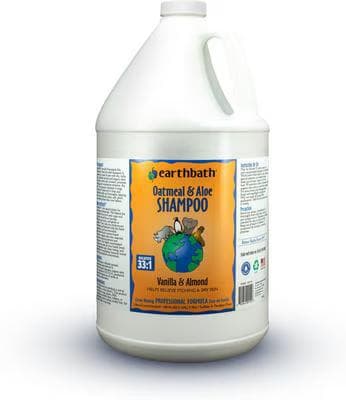
Lokivetmab controls a symptom pathway. Long-term comfort often also depends on flea control, treatment of bacterial or yeast infection, ear care, bathing selected for the skin condition, and investigation of environmental or food triggers. If the veterinarian recommends a non-medicated oatmeal bath for that dog's skin, Earthbath Oatmeal & Aloe Itch Relief dog shampoo is one product to ask about; it does not treat infection or replace the injection. Some dogs benefit from allergen-specific immunotherapy, which serves a different purpose from blocking IL-31.
At each repeat visit, the veterinarian can reassess weight, skin, ears, response duration, and whether the diagnosis still fits. A dog that once needed monthly injections may later need a different interval, while a dog with recurring infections may need better infection prevention rather than more itch suppression. Keeping the treatment goals separate prevents a successful anti-itch injection from masking an unfinished medical problem.
Cytopoint Consumer Questions and Apoquel Comparison
Lokivetmab is the active ingredient in Cytopoint. For buying, home-administration, cost, and Cytopoint-versus-Apoquel questions, see WebVet's Cytopoint for dogs consumer guide. Use that guide for brand-level comparisons; the clinical guidance here focuses on mechanism, veterinary dosing, and adverse-effect monitoring.
For the clinical profile of the oral alternative, see Apoquel for dogs. Do not switch, combine, or stagger allergy medicines based on price alone. Age, infections, other diseases, response to prior treatment, ability to give tablets, and access to repeat injections all affect the veterinary choice.
Lokivetmab For Dogs FAQs
Frequently Asked Questions
Is there a cheaper alternative to Cytopoint?
There may be a cheaper alternative to Cytopoint, but the lowest-cost safe choice depends on the dog's diagnosis, weight, health history, and how long each treatment lasts. Daily oral medicines, allergen control, skin-infection treatment, or immunotherapy can change the total cost in different ways. Ask the clinic for comparable monthly estimates and use the Cytopoint consumer guide for the brand-level choice rather than substituting an unverified product.
What is the downside of Cytopoint?
The downside of Cytopoint can include repeat clinic visits, cost that rises with body weight, variable duration, and a limited job. Lokivetmab blocks an itch signal but does not diagnose the allergy, remove triggers, or treat fleas, yeast, bacteria, and ear disease. Some dogs respond incompletely. Side effects are uncommon, but an unexpected reaction still needs veterinary attention.
What is the cheapest way to get Cytopoint injections for my dog?
The cheapest safe way to get Cytopoint injections for your dog starts with asking the veterinary clinic for a weight-specific medication quote, the lowest appropriate administration fee, and whether established patients can use technician-only repeat visits. Compare cost per month of relief, not just the price of one vial. Do not buy unrefrigerated or prescription-bypassing product online, and do not stretch the veterinary interval if itching has already returned.
$65 · no membershipNeed a prescription for Lokivetmab?
A licensed vet can assess your pet over video and prescribe Lokivetmab online when it's appropriate.
Talk to a vet- Licensed vets
- All 50 states
- same-day Rx
Webvet may earn a commission if you book.

Editor
The Webvet Editorial Team is the in-house group of pet-care editors and writers behind Webvet, operated by Smart Pet Collective. The team researches, writes, and maintains Webvet's pet health, behavior, and medication content. Every article follows a defined editorial process: research from reputable veterinary and scientific sources, careful drafting, mandatory review of medical content by a credentialed veterinarian, and dated publication. Health and medication articles are medically reviewed by a licensed veterinary professional before they go live and are kept current over time.
Veterinarian · BVMS MRCVS
Dr. Pippa Elliott, BVMS, MRCVS, is a veterinarian with nearly 30 years of experience in companion animal practice. Dr. Elliott earned her Bachelor of Veterinary Medicine and Surgery from the University of Glasgow. She was also designated a Member of the Royal College of Veterinary Surgeons. Married with 2 grown-up kids, Dr. Elliott has a naughty Puggle named Poggle, 3 cats and a bearded dragon.


