Fish Oil for Dogs and Cats

BVMS MRCVS
Medically reviewed by Dr. Pippa Elliott, BVMS MRCVS · Last reviewed

Drug facts
Fish Oil
Fish oil is an over-the-counter omega-3 (EPA and DHA) supplement for dogs and cats used to reduce inflammation and support joint, skin and coat, heart, kidney, and cognitive health, helping pets with arthritis, allergies, and chronic inflammatory conditions.
Treats
 $65 · no membership
Need a prescription for Fish Oil?
A licensed vet can assess your pet over video and prescribe Fish Oil online when it's appropriate.
 Talk to a vet
- Licensed vets
- All 50 states
- same-day Rx

Webvet may earn a commission if you book.
What is Fish Oil
Overview
Fish oil for dogs is an over the counter supplement rich in omega 3 fatty acids EPA and DHA, commonly used to reduce inflammation and support joint health, skin and coat health, heart function, kidney function, and cognitive health in dogs of all ages. It is especially helpful for dogs with arthritis, allergies, and chronic inflammatory conditions, and it also supports brain and eye development in puppies. Veterinarians may also use fish oil in cats for similar benefits, including skin allergies, arthritis, and kidney disease. Although some improvement may appear within a few weeks, full benefits typically develop over 12 to 16 weeks as omega 3 levels reach a steady state in the body. Fish oil is one of the most widely used omega-3 fatty acid supplements for dogs, and similar products like Welactin for dogs and Eicosaderm for dogs are often recommended when pets need additional skin, coat, or joint support.
Explore more skin-related medications in our Dermatology section.
What Is Fish Oil for Dogs Used For
| Condition | Notes |
|---|---|
| Arthritis and Joint Pain | Fish Oil helps reduce inflammation in the joints and can make stiff or arthritic pets more comfortable and mobile. |
| Skin Allergies and Itchy Skin | Often used for dogs and cats with dry, itchy, or irritated skin. Fish Oil can help calm inflammation and improve the skin and coat. |
| Kidney Disease | Fish Oil may help slow kidney disease by reducing inflammation and supporting healthier kidney function. |
| Heart Health | Supports pets with heart disease by helping regulate heart rhythm and lowering harmful blood fats. |
| Brain and Eye Development | DHA in Fish Oil supports healthy brain and eye growth in puppies and kittens. It may also help senior pets stay mentally sharp. |
| Inflammatory Conditions | Fish Oil is commonly used to help calm general inflammation throughout the body, which can support pets with long term health issues. |
| Digestive Issues | May help pets with inflammatory bowel disease by lowering inflammation and supporting healthier digestion. |
| Cancer Support | Sometimes used alongside cancer care to help support the immune system and reduce inflammation. |
| High Triglycerides | Fish Oil can help lower high levels of triglycerides, a type of fat in the blood. |
How Fish Oil Works
Fish Oil contains the omega 3 fatty acids EPA and DHA, which help reduce inflammation throughout the body. Unlike medications that directly block pain or itch, fish oil for dogs and fish oil for cats work by changing how the body produces inflammatory chemicals. EPA and DHA replace some of the omega 6 fatty acids in cell membranes, which lowers the production of cytokines and other substances that trigger inflammation. This helps calm itchy skin, soothe inflamed joints, support heart and kidney function, and improve overall wellness in both dogs and cats. Some benefits may appear within a few weeks, but the full anti inflammatory effect develops as omega 3 levels steadily build up in the body.
Fish oil is considered a core supplement for managing inflammation, and veterinarians may pair it with anti-itch medications such as Apoquel for dogs or its generic form Oclacitinib for dogs to help control allergic skin disease.
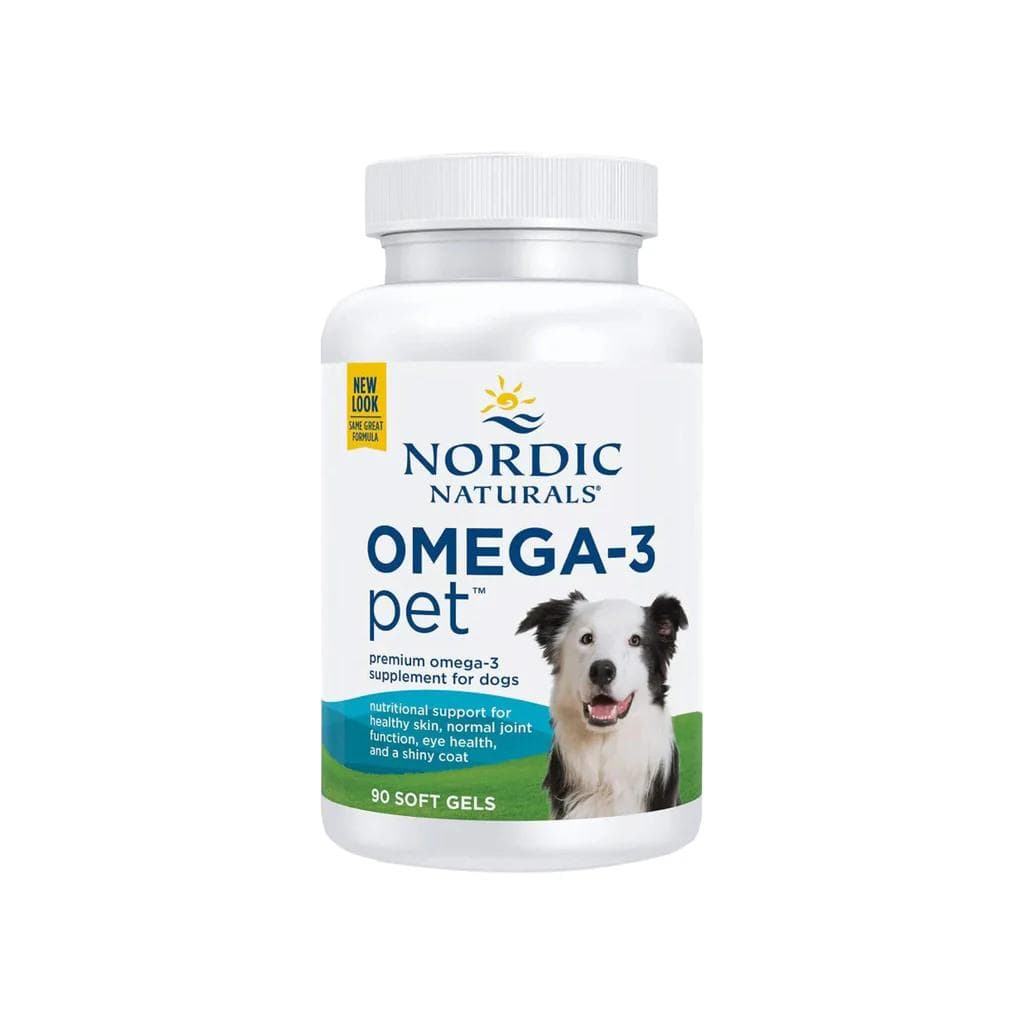
Third-party-tested omega-3 softgels (EPA and DHA) that support skin, coat, and joint health in dogs. Fish oil is one of the first things many vets suggest for a dull, dry, or flaky coat.
Webvet may earn a commission when you click through to Chewy, at no extra cost to you.
Drug Facts
Fish Oil for dogs and Fish Oil for cats is an over the counter dietary supplement that provides essential omega 3 fatty acids EPA and DHA from cold water fish such as salmon, sardines, and anchovies. These fatty acids help manage inflammation, making Fish Oil useful for pets with arthritis, skin allergies, kidney disease, heart disease, and other chronic conditions. Fish Oil is typically given once daily in liquid, capsule, or chew form and can be mixed into food for easy dosing. Because supplements are not regulated as strictly as medications, veterinarians recommend choosing products that clearly list EPA and DHA amounts and have third party quality testing to ensure purity and safety.
Common Brands
Eicosaderm, Dermapet, Welactin
Drug Class
Omega 3 fatty acid supplement
Substance Classification
Not a controlled medication
Generic Status
Omega 3 fatty acids
Availability
Over the counter (OTC)
Available forms
Fish Oil Dosage Forms
Fish Oil for dogs and Fish Oil for cats is available over the counter in several formulations, including capsules, liquids, and soft chews. Because Fish Oil is a dietary supplement, the concentration varies by brand. The most important number on the label is the combined EPA + DHA milligrams, since dosing is based on these active omega 3 fatty acids.
Compare coverage choices for your pet, then request a quote directly on Lemonade.
- Check a price for your pet
- Review available coverage choices
- See the terms before you decide
Eligibility, waiting periods, limits and exclusions apply.
Webvet may earn a commission when you click through to Lemonade, at no extra cost to you.
Ointment Tube
| Qty/Size | Price as low as | Price per unit |
|---|---|---|
| 60 soft gels | $10.00 | $0.17 |
| 90 soft gels | $14.00 | $0.15 |
| 180 soft gels | $18.00 | $0.10 |
Liquid Fish Oil
| Qty/Size | Price as low as | Price per unit |
|---|---|---|
| 8 fl oz | $14.00 | $1.75 |
| 16 fl oz | $26.00 | $1.62 |
| 32 fl oz | $40.00 | $1.25 |
Chewables / Soft Chews
| Qty/Size | Price as low as | Price per unit |
|---|---|---|
| 60 chews | $12.00 | $0.20 |
| 90 chews | $18.00 | $0.20 |
| 120 chews | $22.00 | $0.18 |
Typical Dosing For Fish Oil
Unlike prescription medications, Fish Oil for dogs and Fish Oil for cats is dosed based on the amount of combined EPA and DHA (mg/kg) rather than a fixed tablet strength. It is typically given once daily, mixed with food or given as a capsule, liquid, or chew. Dosing varies depending on whether the pet is receiving Fish Oil for general wellness or for specific inflammatory conditions such as arthritis, skin allergies, or kidney disease. Your veterinarian may adjust the dose based on your pet’s condition, response, and tolerance.
Topical Ointment (Skin, Cysts, Anal Glands)
| Group | Severity | Notes |
|---|---|---|
| Dogs and Cats (All Weights) | General Wellness | About 75 to 100 mg/kg of combined EPA + DHA once daily. |
| Dogs and Cats (All Weights) | Inflammatory Conditions | Up to 220 mg/kg of combined EPA + DHA once daily under veterinary supervision. |
| Dogs | Osteoarthritis (therapeutic guidelines) | Maximum recommended daily dose is 310 mg/kg^0.75 of combined EPA + DHA. |
| Cats | Higher Needs Cases | Cats may require slightly higher mg/kg dosing than dogs, determined by a veterinarian. |
Important Note: Fish Oil should be dosed based on the combined EPA and DHA listed on the product label. Because supplements vary widely in concentration, always calculate the dose using the EPA + DHA amounts, not the total volume of the oil. Very high doses can increase the risk of side effects such as diarrhea, vomiting, weight gain, or pancreatitis. Veterinary guidance is recommended when using therapeutic dosing levels.
Reported side effects
Risks and Warnings for Fish Oil
Fish Oil for dogs and Fish Oil for cats is generally safe when used at the correct dose, but problems can occur when it is overdosed, used in pets with certain medical conditions, or when low quality products are chosen. The main concerns involve stomach upset, pancreatitis risk, bleeding issues, and the possibility of product contamination. Always follow your veterinarian’s dosing guidance and choose high quality supplements that list EPA and DHA clearly on the label.
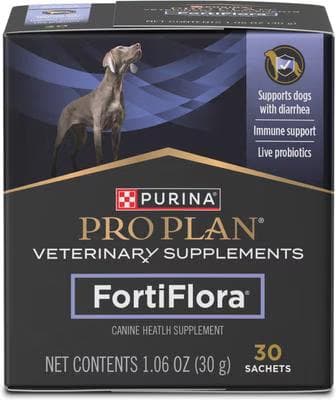
The #1 vet-recommended probiotic for dogs. Daily powder sachets with live probiotics support healthy digestion and firmer stools, and can help dogs coping with diarrhea or GI upset.
Webvet may earn a commission when you click through to Chewy, at no extra cost to you.
Gastrointestinal and Metabolic Side Effects
Some pets are sensitive to the fat content in Fish Oil, especially when doses are too high or increased too quickly.
- Loose stools, diarrhea, or vomiting
- Nausea signs such as drooling or restlessness
- Oily coat, flaky skin, or a strong fishy odor
- Mild weight gain or lethargy
Most mild side effects improve when Fish Oil is given with food or when the dose is lowered.
Pancreatitis and High Fat Sensitivity
Fish Oil contains fat, so high doses may trigger serious health issues in pets prone to fat intolerance.
- Increased risk of pancreatitis, especially in fat sensitive breeds
- Worsening of existing GI conditions
- Higher risk when combined with other fatty treats or supplement
Pets with a history of pancreatitis should only receive Fish Oil under direct veterinary supervision.
Webvet may earn a commission when you click through to Chewy, at no extra cost to you.
Bleeding and Wound Healing Concerns
Fish Oil can naturally thin the blood by enhancing anti clotting effects, which can be dangerous at high doses.
- Easy bruising
- Nosebleeds or bleeding gums
- Slower wound healing
- Higher sensitivity when combined with NSAIDs or anticoagulant medications
Any abnormal bleeding should be reported to a veterinarian immediately.
Underlying Health Conditions and Medication Interactions
Some pets require extra caution when taking Fish Oil.
- Pets with diabetes
- Pets with chronic diarrhea
- Pets on NSAIDs, doxorubicin, or blood thinning drugs
- Pets prone to fat intolerance or metabolic conditions
Your veterinarian may adjust the dose or recommend monitoring if your pet has any of these conditions. If fish oil is being used alongside medications that also affect inflammation or clotting, such as Carprofen for dogs or Meloxicam for dogs, pet owners should follow their veterinarian’s guidance to avoid dosage overlap or unintended interactions.
Frequently Asked Questions (FAQ)
Is Fish Oil good for Cats and Dogs?
Yes, Fish Oil is good for both cats and dogs because it provides omega 3 fatty acids that support skin, joints, heart, kidneys, and overall inflammation control.
Can I Give My Dog Fish Oil Daily?
Yes, you can give your dog Fish Oil daily as long as the dose is appropriate and guided by your veterinarian.
Is Fish Oil Good for Dogs with Kidney Disease?
Yes, Fish Oil is commonly recommended for dogs with kidney disease because it helps reduce inflammation and may slow the progression of kidney damage.
$65 · no membershipNeed a prescription for Fish Oil?
A licensed vet can assess your pet over video and prescribe Fish Oil online when it's appropriate.
Talk to a vet- Licensed vets
- All 50 states
- same-day Rx
Webvet may earn a commission if you book.

Editor
The Webvet Editorial Team is the in-house group of pet-care editors and writers behind Webvet, operated by Smart Pet Collective. The team researches, writes, and maintains Webvet's pet health, behavior, and medication content. Every article follows a defined editorial process: research from reputable veterinary and scientific sources, careful drafting, mandatory review of medical content by a credentialed veterinarian, and dated publication. Health and medication articles are medically reviewed by a licensed veterinary professional before they go live and are kept current over time.
Veterinarian · BVMS MRCVS
Dr. Pippa Elliott, BVMS, MRCVS, is a veterinarian with nearly 30 years of experience in companion animal practice. Dr. Elliott earned her Bachelor of Veterinary Medicine and Surgery from the University of Glasgow. She was also designated a Member of the Royal College of Veterinary Surgeons. Married with 2 grown-up kids, Dr. Elliott has a naughty Puggle named Poggle, 3 cats and a bearded dragon.


