Carprofen for Dogs: Dosage Chart, Side Effects, and Safety
Carprofen (Rimadyl) relieves dog arthritis and surgery pain. Get the dosage chart by weight, the side effects that mean stop the drug, and why cats are different.

BVMS MRCVS
Medically reviewed by Dr. Pippa Elliott, BVMS MRCVS · Last reviewed

Drug facts
Carprofen
Carprofen is an NSAID used in dogs to relieve pain, reduce fever, and control inflammation, commonly for chronic osteoarthritis, surgical pain, and mobility issues.
Treats
 $65 · no membership
Need a prescription for Carprofen?
A licensed vet can assess your pet over video and prescribe Carprofen online when it's appropriate.
 Talk to a vet
- Licensed vets
- All 50 states
- same-day Rx
Webvet may earn a commission if you book.
Carprofen for dogs is a prescription nonsteroidal anti-inflammatory drug, or NSAID, used most often for osteoarthritis pain and inflammation after surgery. The standard labeled daily dose is 2 mg per pound, but the number on a chart is only a reference point. Your veterinarian must confirm the dose, tablet strength, schedule, and monitoring plan for your dog.
Carprofen Dosage for Dogs by Weight
When considering carprofen for dogs, use the veterinarian-confirmed product and plan for that animal. The FDA-labeled daily dose of carprofen is 4.4 mg/kg, which is approximately 2 mg per pound per day. A veterinarian may prescribe that total once daily or divide it into two doses given about 12 hours apart. Do not use this chart to start carprofen, change a prescription, round to a tablet on your own, or give medication prescribed for another dog.
| Dog's weight | Reference total per day at 2 mg/lb | If the vet divides the daily total | What to verify |
|---|---|---|---|
| 10 lb | 20 mg per day | 10 mg about every 12 hours | The dispensed strength may not permit this exact split |
| 20 lb | 40 mg per day | 20 mg about every 12 hours | Confirm the prescribed tablet fraction |
| 30 lb | 60 mg per day | 30 mg about every 12 hours | Do not substitute a 75 mg tablet |
| 40 lb | 80 mg per day | 40 mg about every 12 hours | Confirm whether the vet rounded the prescription |
| 50 lb | 100 mg per day | 50 mg about every 12 hours | Match the bottle label, not this chart |
| 60 lb | 120 mg per day | 60 mg about every 12 hours | Use only the strength the veterinarian dispensed |
| 75 lb | 150 mg per day | 75 mg about every 12 hours | A 75 mg dose may be one half of the daily total |
| 100 lb | 200 mg per day | 100 mg about every 12 hours | Never add an extra tablet for a missed dose |
These totals are mathematical examples from the labeled daily dose, not personalized prescriptions. Dogs with dehydration, kidney disease, liver disease, gastrointestinal ulcers, bleeding disorders, or other medicines may need a different plan or may not be candidates for carprofen at all. Puppies, frail seniors, and dogs recovering from serious illness also need an individualized risk assessment.
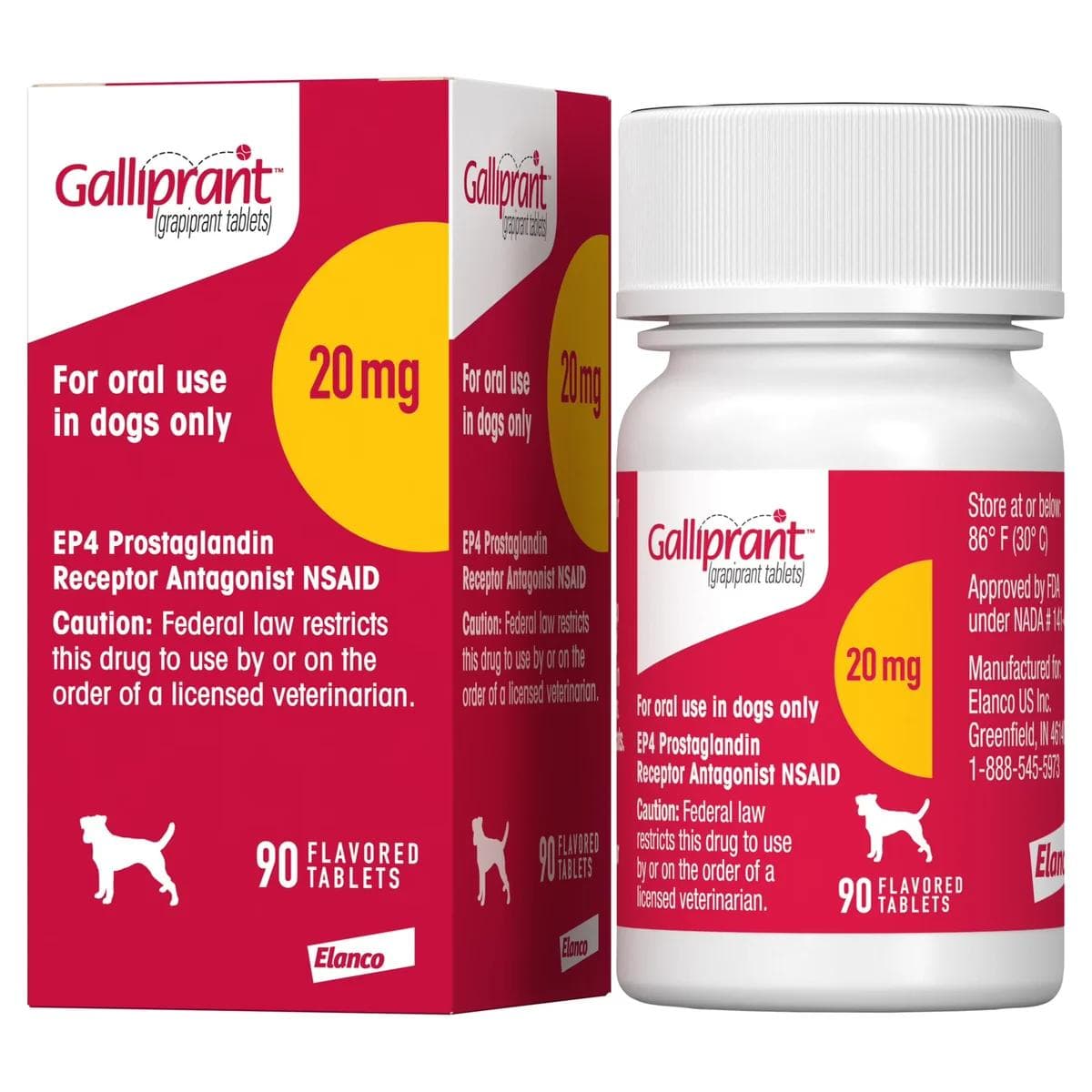
A prescription anti-inflammatory made specifically for arthritis pain in dogs. It needs a vet's diagnosis and script, and it is precisely why you never reach into your own medicine cabinet: human pain relievers are toxic to dogs.
Webvet may earn a commission when you click through to Chewy, at no extra cost to you.

Once daily or twice daily
The total daily amount can be given once or split into morning and evening doses when the veterinarian directs it. One schedule is not automatically safer or stronger than the other. The choice may reflect the dog's pain pattern, stomach tolerance, household routine, and the exact tablet strength available.
Giving carprofen with a small meal often reduces stomach upset. If your dog vomits shortly after a dose, do not repeat it automatically because some medicine may already have been absorbed. Call the clinic and ask whether the next dose should be delayed, skipped, or given on the usual schedule.
If a dose is missed, follow the clinic's instructions or call for advice. Do not double the next dose. More carprofen does not create proportionally better pain relief, and excess exposure raises the risk of stomach, kidney, liver, and bleeding complications.
What Is Carprofen for Dogs?
Carprofen is a veterinary NSAID in the arylpropionic acid class. It reduces the production of prostaglandins, signaling chemicals involved in pain, swelling, fever, blood flow to the kidneys, and protection of the stomach lining. Reducing inflammatory prostaglandins can make movement more comfortable, but reducing protective prostaglandins explains many of the drug's important risks.
Common brand names include Rimadyl, Novox, and Vetprofen. It is available as chewable tablets, caplets, and an injectable formulation used in veterinary settings. Carprofen is prescription only. A product that looks like a treat still needs to be stored securely because a dog that eats a bottle can receive a dangerous overdose.
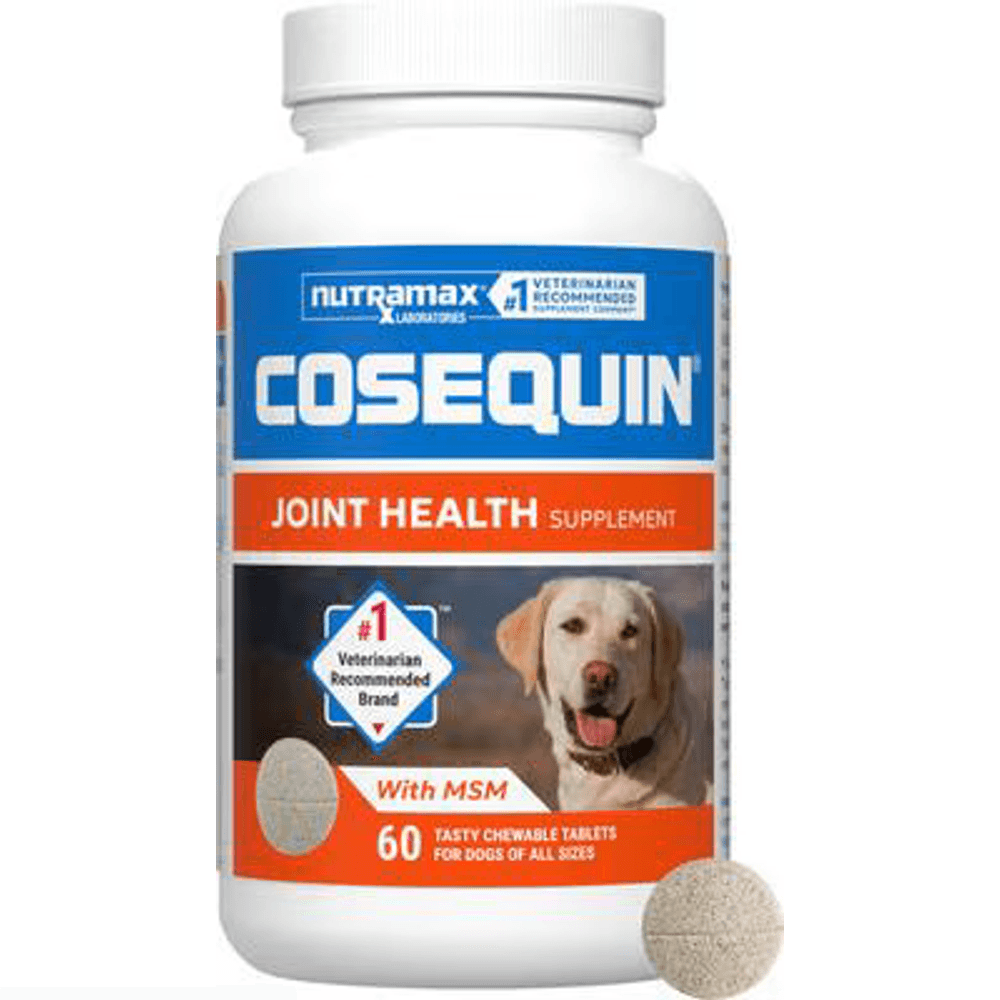
The number-one veterinarian-recommended joint supplement brand. Glucosamine, chondroitin, and MSM support cartilage and cushion the joints, easing the stiffness and hind-end weakness that can leave an older or arthritic dog trembling.
Webvet may earn a commission when you click through to Chewy, at no extra cost to you.
For arthritis, carprofen can reduce joint pain and stiffness so a dog can rise, walk, use stairs, and participate in rehabilitation more comfortably. After orthopedic or soft-tissue surgery, it can reduce inflammatory pain during recovery. It may also be used for selected sprains, strains, and other musculoskeletal problems when a veterinarian decides an NSAID is appropriate.
Is carprofen a strong pain killer?
Carprofen is not an opioid and it does not numb every kind of pain. It is particularly useful when inflammation drives discomfort, including osteoarthritis and surgical inflammation. Nerve pain, severe trauma, cancer pain, or pain from another disease may require a multimodal plan rather than a higher carprofen dose.
The right measure is not whether carprofen is the strongest medicine. It is whether the dog's diagnosis, health history, and monitoring support using an NSAID, and whether the dog shows meaningful functional improvement without adverse effects. Owners comparing medication classes should use WebVet's guide to dog pain medication options compared and discuss the final choice with a veterinarian.
What Carprofen Treats: Arthritis, Surgery Recovery, and Inflammation
Osteoarthritis is the most common long-term reason dogs receive carprofen. The drug does not rebuild damaged cartilage or cure arthritis. It reduces inflammation and pain so the dog can move more normally, maintain muscle, and take part in an exercise or rehabilitation plan.
Practical signs that treatment is helping include:
- rising from bed with less hesitation
- walking farther before slowing down
- using stairs or getting into the car more comfortably
- returning to normal interest in play and family activity
- sleeping without repeatedly changing position from discomfort
- tolerating veterinarian-approved rehabilitation exercises

After surgery, the goal is comfortable recovery, not complete inactivity from sedation. Carprofen may be one part of a plan that also includes rest, controlled leash walks, cold or warm therapy, rehabilitation, and another pain medication. Give every drug exactly as listed on the discharge sheet because some combinations are deliberate while others are dangerous.
Pain control should be judged by function and behavior. A dog that still pants at rest, guards an incision, refuses food, cannot settle, cries, or will not bear weight needs a call to the surgical team. Do not solve breakthrough pain with an extra carprofen dose.
How long dogs stay on carprofen
Some dogs receive carprofen for only a few days after a procedure. Dogs with osteoarthritis may use it for months or years if the benefit remains clear and monitoring stays acceptable. Long-term use is not automatically unsafe, but it should never become an unreviewed refill routine.
Veterinarians commonly establish baseline bloodwork before long-term NSAID treatment and repeat testing on a schedule suited to the dog's age and health. Blood and urine tests can identify kidney or liver changes before they become obvious at home. A normal panel does not eliminate all risk, so daily observation remains important.

Third-party-tested omega-3 softgels (EPA and DHA) that support skin, coat, and joint health in dogs. Fish oil is one of the first things many vets suggest for a dull, dry, or flaky coat.
Webvet may earn a commission when you click through to Chewy, at no extra cost to you.
Carprofen Side Effects: Normal, Concerning, and Emergency
Dogs often tolerate carprofen well, but an owner needs a clear stop-and-call rule. Vomiting, diarrhea, appetite loss, black stool, jaundice, unusual thirst, behavior change, and lethargy can signal an adverse reaction. Some are subtle at first, and waiting for several signs to appear can allow a problem to worsen.
| What you notice | Safety tier | What to do |
|---|---|---|
| A single mildly soft stool while the dog is bright and eating | Concerning, monitor closely | Call the clinic if it repeats, worsens, or occurs with another sign |
| New appetite loss, vomiting, diarrhea, or unusual tiredness | Stop-and-call | Hold further carprofen and contact the prescribing veterinarian today |
| Marked thirst, increased urination, weakness, or behavior change | Stop-and-call | Hold the drug and arrange prompt veterinary assessment |
| Yellow gums, skin, or whites of the eyes | Emergency | Stop the drug and seek urgent veterinary care for possible liver injury |
| Black tarry stool, blood in vomit, or obvious rectal bleeding | Emergency | Stop the drug and seek emergency care for possible GI bleeding |
| Collapse, pale gums, severe weakness, repeated vomiting, or inability to stand | Emergency | Go to an emergency veterinary hospital now |
| Facial swelling, hives, or trouble breathing | Emergency | Seek emergency care for a possible allergic reaction |
"Normal" should not mean ignoring a new symptom. A dog may have one transient stool change for reasons unrelated to the drug, but carprofen can also cause gastrointestinal injury. The safest approach is to treat a persistent or combined change as clinically meaningful and call early.

Stomach and intestinal effects
Gastrointestinal upset is the most common problem seen with NSAIDs. Mild nausea can look like lip licking, drooling, turning away from food, eating grass, or restlessness. Ulceration or bleeding may produce repeated vomiting, abdominal pain, dark tarry stool, red blood, pallor, weakness, or collapse.
Do not give an antacid, bismuth product, aspirin, or human pain medicine to cover these signs unless a veterinarian directs it. Masking symptoms can delay diagnosis, and some over-the-counter products can create additional interactions or toxicity.
Liver and kidney effects
Rarely, dogs develop a serious liver reaction that is not predictable from dose alone. Appetite loss, vomiting, profound lethargy, yellow discoloration, and dark urine are reasons to stop the drug and seek veterinary care. Labrador Retrievers have appeared in case reports more often, but a reliable breed-specific susceptibility has not been established.
Kidney injury is more likely when blood flow to the kidneys is already compromised. Dehydration from vomiting, diarrhea, heat illness, anesthesia, poor water intake, or another disease can change a previously acceptable risk. Tell the veterinarian promptly if the dog becomes ill during treatment, even if the illness seems unrelated to the joints.
Who should not receive carprofen without a new veterinary review
Carprofen may be inappropriate or require extra caution for dogs with:
- an active stomach or intestinal ulcer
- vomiting, diarrhea, dehydration, or poor appetite
- kidney or liver disease
- a bleeding disorder or planned surgery
- a previous reaction to carprofen or another NSAID
- current aspirin, another NSAID, or corticosteroid use
- pregnancy, nursing, extreme age, or serious systemic illness
Share all prescription drugs, supplements, preventives, and over-the-counter products with the clinic. Joint supplements may seem unrelated, but the complete list helps the veterinarian evaluate bleeding risk, stomach irritation, and duplicated ingredients.
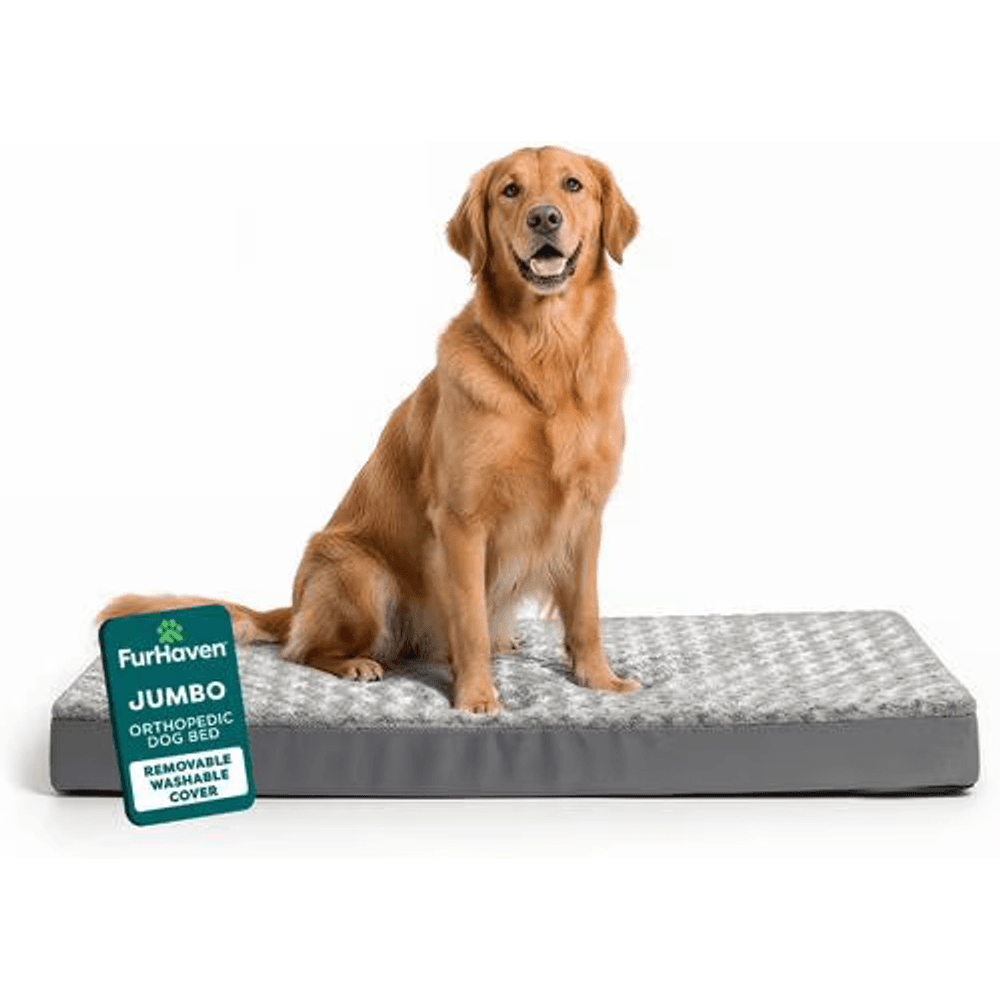
A plush orthopedic foam mattress that cushions aging joints and pressure points, giving a stiff or trembling senior dog warm, supportive rest.
Webvet may earn a commission when you click through to Chewy, at no extra cost to you.
Why Carprofen Is Different for Cats
Dogs and cats do not handle NSAIDs in the same way. Cats metabolize and eliminate several NSAIDs more slowly, which narrows the margin between a useful dose and toxicity. Carprofen is therefore not a medicine to give a cat from a dog's bottle, even once.
In some regions, a veterinarian may use a single injectable carprofen dose around surgery for a cat under direct supervision. That limited clinical role is not permission for repeated doses at home. Product approvals and labeling vary by country, and the veterinarian must account for hydration, kidney function, anesthesia, and any other pain medicine used.
If a cat accidentally receives carprofen, call a veterinarian or animal poison service immediately with the product strength, amount missing, time of exposure, and the cat's weight. Do not wait for vomiting or lethargy. Early assessment offers more options than watching for signs.
Carprofen vs Other Dog Pain Medications
Carprofen treats inflammatory pain. Gabapentin is more often added for neuropathic or chronic pain and can cause sedation or wobbliness. Amantadine may be used as an adjunct in difficult chronic pain. Other veterinary NSAIDs target similar problems but differ in formulation, patient response, and dosing.
| Medication type | Often used for | Key distinction |
|---|---|---|
| Carprofen and other veterinary NSAIDs | Arthritis and inflammatory surgical pain | Strong anti-inflammatory action with GI, kidney, liver, and interaction risks |
| Gabapentin | Neuropathic pain and multimodal chronic pain | Not an anti-inflammatory; sleepiness and ataxia are common concerns |
| Amantadine | Adjunct for persistent chronic pain | Usually added rather than used as the only pain medicine |
| Opioid-class medicine | Moderate to severe acute pain | Prescribed and monitored closely; effects and legal controls differ |
| Joint and mobility support | Long-term management around exercise and body condition | Supports the plan but does not replace adequate analgesia |
This table explains roles, not which drug is best. The dog pain medication options compared hub covers the broader comparison, including over-the-counter questions. A veterinarian may combine medicines from different classes because they act on different pain pathways, but owners should never build a combination independently.
Honest cost expectations
Carprofen is available as a generic, so tablet cost is often lower than it was when only the original brand was available. The actual monthly cost depends on the dog's daily milligrams, tablet strength, brand, pharmacy, and whether the clinic requires dispensing or monitoring fees.
The medication is only part of the budget. Baseline and follow-up bloodwork, examinations, rehabilitation, weight management, and treatment of side effects can cost more than the tablets. Ask the clinic for the expected monthly drug cost and the planned annual monitoring cost together. That produces a more honest number than comparing bottle prices alone.
Do not choose a strength merely because its price per tablet looks lower. A tablet that cannot be divided accurately for the prescribed dose can create waste or dosing error. Ask whether a generic, larger quantity, or written prescription for a reputable pharmacy can reduce cost without changing the medication plan.
Monitoring Carprofen at Home
A short daily check can catch both benefit and harm. Note appetite, vomiting, stool color and consistency, water intake, urination, energy, gait, and ability to rise. For arthritis, record one or two repeatable tasks, such as the time needed to stand or the distance walked comfortably, rather than relying only on a vague impression.
Call the veterinarian if pain control fades, because the answer may be rehabilitation, weight change, a new diagnosis, or another medication class. Increasing carprofen without guidance can increase harm without addressing the reason mobility worsened.
Keep the medication in its original labeled container. Chewable tablets can be attractive to dogs, so use a closed cabinet rather than a counter, bag, or pill organizer a pet can reach. If an overdose is possible, count what remains and call for emergency advice immediately.
Carprofen for Dogs FAQs
Frequently Asked Questions
Is it better to give my dog carprofen in the morning or at night?
It is not universally better to give a dog carprofen in the morning or at night; the prescription schedule is the deciding factor. Give with food when the veterinarian directs it. If the total daily amount was divided, split morning and evening doses may be prescribed. Keep that timing consistent, and ask the clinic before moving or combining scheduled doses.
How long does it take for carprofen to work on my dog?
How long carprofen takes to work in a dog varies, but some pain relief may appear within hours and the full effect can be easier to judge over several days through movement and comfort. The response is not a reason to give an extra dose early. Follow the written schedule, watch the dog's function, and call the veterinarian if pain remains poorly controlled or improvement is unclear.
Will carprofen make my dog sleep?
Carprofen should not make a dog sleep because carprofen is not a sedative. A dog may rest more comfortably when pain improves, which is different from being difficult to wake or unusually dull. Treat new lethargy as a warning sign, especially when it appears with appetite loss, vomiting, diarrhea, weakness, or another behavior change, and call the prescribing clinic.
What does carprofen make dogs feel like?
Owners should expect carprofen to make dogs feel more comfortable, with easier rising and walking rather than intoxication. There is no euphoric effect to expect from appropriate pain control. Use normal activities as the comparison point. A dog that instead seems dull, weak, confused, unusually sleepy, or less willing to eat needs a call to the prescribing clinic.
Does carprofen make dogs poop more?
Carprofen does not usually make dogs poop more, although mild stool softening can occur. Repeated diarrhea, blood, or a black tarry stool is an emergency warning rather than a normal increase in bowel movements. Hold further doses and contact a veterinarian when those changes appear, and report appetite, vomiting, energy, and the timing of the last dose.
The Bottom Line
Carprofen can provide meaningful arthritis and post-surgical pain relief when a veterinarian confirms the dose and monitors the dog. The reference dose is 2 mg per pound per day, given once or divided only as prescribed. The safety rules carry equal weight: never combine it with another NSAID or a steroid, stop and call for new gastrointestinal or systemic signs, and treat black stool, jaundice, collapse, or breathing trouble as emergencies.
Cats are different. A narrowly supervised single-dose surgical role does not make repeated home dosing safe. For either species, the label, the veterinarian's plan, and the pet's current health outrank any online chart.
$65 · no membershipNeed a prescription for Carprofen?
A licensed vet can assess your pet over video and prescribe Carprofen online when it's appropriate.
Talk to a vet- Licensed vets
- All 50 states
- same-day Rx
Webvet may earn a commission if you book.

Editor
The Webvet Editorial Team is the in-house group of pet-care editors and writers behind Webvet, operated by Smart Pet Collective. The team researches, writes, and maintains Webvet's pet health, behavior, and medication content. Every article follows a defined editorial process: research from reputable veterinary and scientific sources, careful drafting, mandatory review of medical content by a credentialed veterinarian, and dated publication. Health and medication articles are medically reviewed by a licensed veterinary professional before they go live and are kept current over time.
Veterinarian · BVMS MRCVS
Dr. Pippa Elliott, BVMS, MRCVS, is a veterinarian with nearly 30 years of experience in companion animal practice. Dr. Elliott earned her Bachelor of Veterinary Medicine and Surgery from the University of Glasgow. She was also designated a Member of the Royal College of Veterinary Surgeons. Married with 2 grown-up kids, Dr. Elliott has a naughty Puggle named Poggle, 3 cats and a bearded dragon.


