Piroxicam for Dogs and Cats

BVMS MRCVS
Medically reviewed by Dr. Pippa Elliott, BVMS MRCVS · Last reviewed

Drug facts
Piroxicam
Piroxicam is an oral NSAID used off-label in dogs and cats for inflammation and in veterinary oncology, especially cancer treatment protocols. It has analgesic, antipyretic, anti-inflammatory, and anti-tumor properties.
Treats
 $65 · no membership
Need a prescription for Piroxicam?
A licensed vet can assess your pet over video and prescribe Piroxicam online when it's appropriate.
 Talk to a vet
- Licensed vets
- All 50 states
- same-day Rx

Webvet may earn a commission if you book.
What is Piroxicam for Dogs and Cats
Overview
Piroxicam is a nonselective cyclooxygenase (COX) inhibitor, meaning it blocks both COX-1 and COX-2 enzymes. This reduces inflammation, pain, fever, and prostaglandin synthesis. It also has unique anti-tumor activity, although the exact mechanism behind its anti-cancer effects is not fully understood.
The medication is commonly used in dogs, especially in cancer treatment protocols. It can be used alone or as part of a combination therapy. Because it has a narrow safety margin, careful monitoring is required to reduce risks such as gastrointestinal and kidney complications.
Explore more joint and mobility medications in our Mobility section.
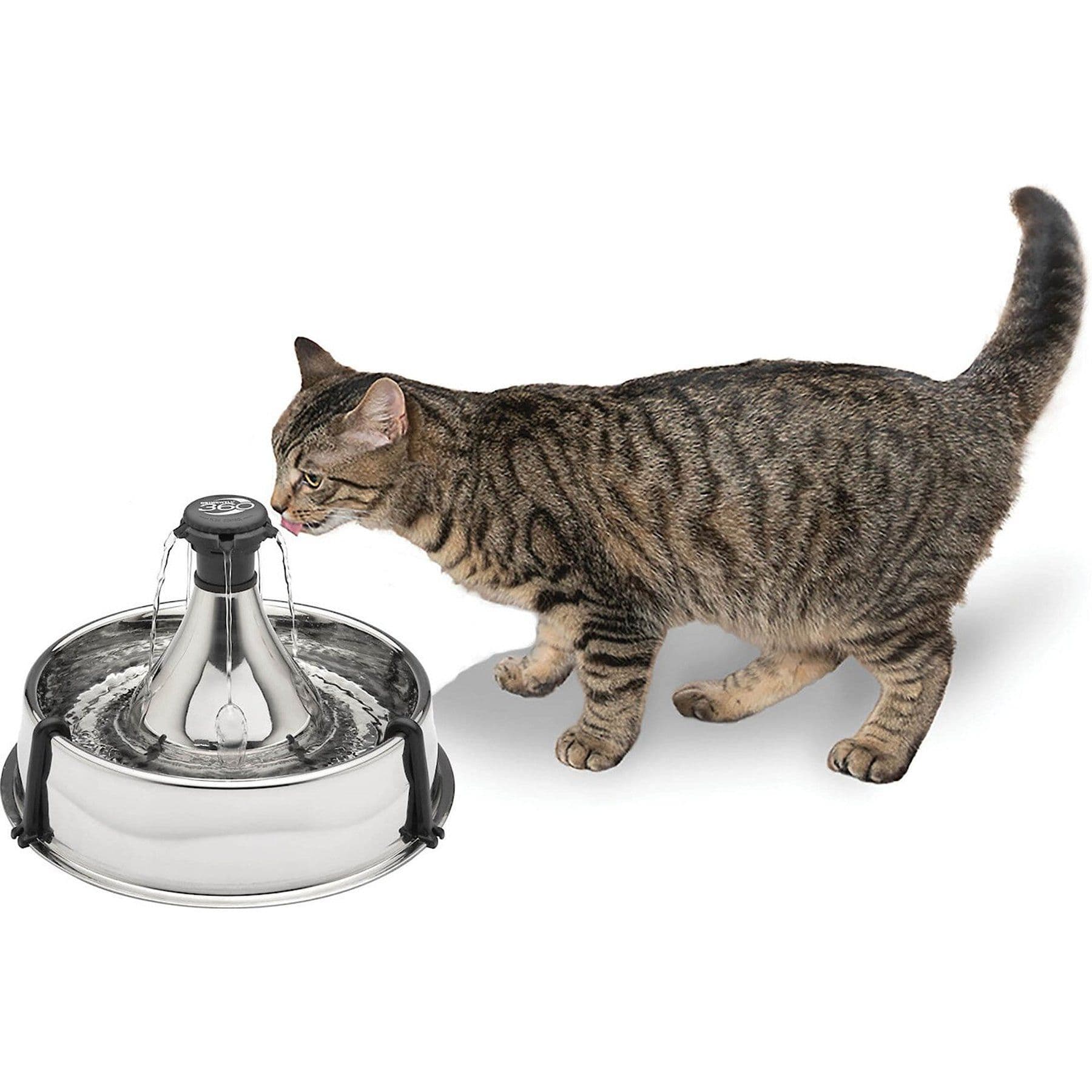
Webvet may earn a commission when you click through to Chewy, at no extra cost to you.
What Is Piroxicam for Dogs and Cats Used For
| Condition | Notes |
|---|---|
| Transitional cell carcinoma (TCC) | One of the most common uses. Can shrink tumors or slow progression. |
| Other cancers (dogs) | Used for prostate cancer, colon cancer, mammary carcinoma, osteosarcoma, and oral squamous cell carcinoma. |
| Combination cancer protocols | Often paired with carboplatin, mitoxantrone, or metronomic chemotherapy for improved outcomes. |
| Osteoarthritis pain (dogs) | Occasionally used for chronic pain, but not a first-choice NSAID. |
| Adjunct tumor therapy (cats) | Used in certain cancers such as TCC and oral SCC. |
How Piroxicam for Dogs and Cats Works
Piroxicam reduces inflammation by inhibiting prostaglandin synthetase, lowering prostaglandin levels responsible for pain and inflammation. As a nonselective COX-1 and COX-2 inhibitor, it decreases inflammatory signaling but may also disrupt normal stomach and kidney protection.Its anti-tumor effects may come from reducing COX-2 activity in cancer cells, promoting apoptosis, and interfering with tumor blood vessel growth.
Drug Facts
Piroxicam is an oral NSAID used off-label in veterinary oncology and for inflammation. It has analgesic, antipyretic, anti-inflammatory, and anti-tumor properties.

The number-one veterinarian-recommended joint supplement brand. Glucosamine, chondroitin, and MSM support cartilage and cushion the joints, easing the stiffness and hind-end weakness that can leave an older or arthritic dog trembling.
Webvet may earn a commission when you click through to Chewy, at no extra cost to you.
Common Brands
Feldene, Dolonex, Erazon
Drug Class
NSAID (nonselective COX inhibitor)
Substance Classification
Not a controlled medication
Generic Status
Generic widely available
Availability
Prescription
Available forms
Piroxicam for Dogs and Cats Dosage Forms
Piroxicam is available as oral capsules or tablets. Many veterinary patients use human-generic capsules or compounded formulations for easier dosing. Because the medication has a long half-life in dogs, once-daily dosing is typical.
Oral Tablets / Capsules (10 mg)
| Qty/Size | Price as low as | Price per unit |
|---|---|---|
| 30 tablets | $12.00 | $0.40 |
| 60 tablets | $20.00 | $0.33 |
Compounded Liquid (Veterinary Use)
| Qty/Size | Price as low as | Price per unit |
|---|---|---|
| 30 mL | $40.00 | $1.33 |
| 60 mL | $70.00 | $1.16 |
Typical Dosing For Piroxicam for Dogs and Cats
Piroxicam dosing depends on species and the condition being treated. It must always be given with food to reduce gastrointestinal risk.
Compare coverage choices for your pet, then request a quote directly on Lemonade.
- Check a price for your pet
- Review available coverage choices
- See the terms before you decide
Eligibility, waiting periods, limits and exclusions apply.
Webvet may earn a commission when you click through to Lemonade, at no extra cost to you.
Oral Dosing
| Group | Typical Dose | Notes |
|---|---|---|
| Dogs (all sizes) | ~0.3 mg/kg PO once daily | Standard for TCC and general use. |
| Dogs on metronomic chemotherapy | 0.3 mg/kg PO every other day | Used for osteosarcoma and other cancers. |
| Dogs receiving combination therapy | 0.3 mg/kg PO once daily | Works synergistically with carboplatin or mitoxantrone. |
| Cats (all sizes) | 0.13–0.41 mg/kg PO once daily | Used in long-term studies with generally good tolerance. |
| Cats with TCC or oral SCC | ~0.3 mg/kg PO once daily | Empirical oncologic dosing. |
| Cats with urinary inflammation | Dose every 24 hours (varied) | Based on empirical treatment protocols. |
Reported side effects
Risks and Warnings for Piroxicam for Dogs and Cats
Piroxicam carries significant risks, particularly in dogs, due to its high potential for gastrointestinal and kidney toxicity. Because it inhibits both COX-1 and COX-2, it affects not only inflammation but also the protective mechanisms that shield the stomach and kidneys.
Gastrointestinal Risks
- Vomiting, diarrhea, loss of appetite
- Black stools (melena), indicating bleeding
- Ulceration, perforation, or severe GI bleeding
- In one TCC combination study, 74 percent of dogs experienced GI toxicity requiring treatment
Kidney Risks
- Azotemia
- Risk of renal papillary necrosis
- Reduced blood flow to kidneys
- Should never be given to dehydrated pets
Cardiovascular Risks
- May worsen heart disease
- Use cautiously in dogs with cardiac conditions
Hematologic Risks
- Increased bleeding risk if given with aspirin or anticoagulants
General Toxicity (High Dose Exposure)
- Neurological symptoms such as opisthotonus, torticollis, somnolence
- Gastroenteritis
- Internal bleeding
Cat-Specific Risks
- Cats tolerate Piroxicam better long-term with less renal and hepatic toxicity compared to dogs
- Vomiting more common during first month
- About 29 percent experienced some GI effects in long-term study
- Eight percent discontinued use due to side effects
Piroxicam for Dogs and Cats Warnings and Precautions
Use Piroxicam only under close veterinary supervision:
- Do not use in pets with GI ulcers or kidney disease.
- Always give with food.
- Avoid combining with steroids or other NSAIDs.
- Ensure pets are well hydrated.
- Use cautiously with heart disease.
- Monitor stool for signs of bleeding.
- Stop use immediately if vomiting, diarrhea, or lethargy occur.
Disclaimer: This information is for educational purposes only and should not replace professional veterinary advice. Always consult your veterinarian before using or combining any medications for your pet.
Frequently Asked Questions (FAQ)
Is Piroxicam safe for long-term use?
Long-term use carries high risks in dogs but may be better tolerated in some cats under strict monitoring.
Does Piroxicam shrink tumors?
Yes. Many dogs with TCC and other cancers show tumor reduction or slowed progression.
Can Piroxicam be used with chemotherapy?
Yes. It is commonly combined with drugs like carboplatin or mitoxantrone for improved outcomes.
Should Piroxicam be given with food?
Always. Food helps reduce GI irritation and lowers the risk of ulceration.
Can Piroxicam be used for arthritis pain?
It can, but it is not the first-choice NSAID due to its high toxicity risk.
Related Medications & Supplements
Dogs receiving Piroxicam, often used for pain, inflammation, or certain cancers, may also need additional medications to manage discomfort, support mobility, or enhance treatment. The options below are commonly used alongside NSAIDs like Piroxicam.
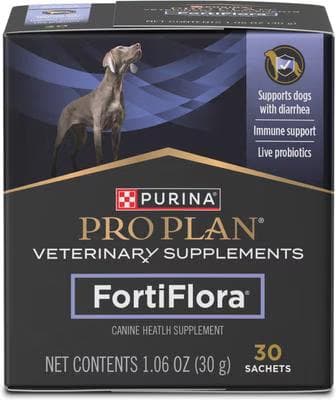
The #1 vet-recommended probiotic for dogs. Daily powder sachets with live probiotics support healthy digestion and firmer stools, and can help dogs coping with diarrhea or GI upset.
Webvet may earn a commission when you click through to Chewy, at no extra cost to you.
- Carprofen– NSAID used for osteoarthritis and inflammation
- Meloxicam– alternative NSAID for chronic pain and inflammation
- Aspirin– analgesic and anti-inflammatory used under veterinary guidance
- Gabapentin– neuropathic pain medication often paired with NSAIDs
- Tramadol– pain reliever sometimes used for cancer-related or chronic pain
- Amantadine– adjunct pain medication helpful for chronic or difficult-to-control pain
- Glucosamine– joint supplement that supports cartilage health and mobility
References
- Saganuwan, S. A. (2016) ‘Toxico-Neurological Effects of Piroxicam in Monogastric Animals’, J Exp Neurosci, 10, 121-128. Available at: https://pmc.ncbi.nlm.nih.gov/articles/PMC5063568/
- Bulman-Fleming, J.C., et al. (2010) ‘Evaluation of adverse events in cats receiving long-term piroxicam therapy for various neoplasms’, Journal of Feline Medicine & Surgery. Available at: https://journals.sagepub.com/doi/full/10.1016/j.jfms.2009.09.007
- Knottenbelt, C. M. et al. (2000) ‘Preliminary observations on the use of piroxicam in the medical management of rectal adenomatous polyps’, Journal of Small Animal Practice, 41(9), pp. 393-397. Available at: https://www.researchgate.net/publication/12300952_Preliminary_observations_on_the_use_of_piroxicam_in_the_medical_management_of_rectal_adenomatous_polyps
- Chu, K.T., et al. (2025) ‘Treatment outcomes of dogs with transitional cell carcinoma’, Frontiers in Veterinary Science. Available at: http://frontiersin.org/journals/veterinary-science/articles/10.3389/fvets.2025.1486786/full
- Galbraith, H. & McKellar, Q. (1991) ‘Pharmacokinetics and pharmacodynamics of piroxicam in dogs’, Veterinary Record. Available at: https://www.semanticscholar.org/paper/Pharmacokinetics-and-pharmacodynamics-of-piroxicam-Galbraith-Mckellar/a6567ec9da93b03e63965c37e7143636bbe72fba
- Allstadt, S.D., et al. (2015) ‘Randomized Phase III Trial of Piroxicam in Combination with Mitoxantrone or Carboplatin for First-Line Treatment of Urogenital Tract Transitional Cell Carcinoma in Dogs’, Journal of Veterinary Internal Medicine. Available at: https://onlinelibrary.wiley.com/doi/10.1111/jvim.12533
$65 · no membershipNeed a prescription for Piroxicam?
A licensed vet can assess your pet over video and prescribe Piroxicam online when it's appropriate.
Talk to a vet- Licensed vets
- All 50 states
- same-day Rx
Webvet may earn a commission if you book.

Editor
The Webvet Editorial Team is the in-house group of pet-care editors and writers behind Webvet, operated by Smart Pet Collective. The team researches, writes, and maintains Webvet's pet health, behavior, and medication content. Every article follows a defined editorial process: research from reputable veterinary and scientific sources, careful drafting, mandatory review of medical content by a credentialed veterinarian, and dated publication. Health and medication articles are medically reviewed by a licensed veterinary professional before they go live and are kept current over time.
Veterinarian · BVMS MRCVS
Dr. Pippa Elliott, BVMS, MRCVS, is a veterinarian with nearly 30 years of experience in companion animal practice. Dr. Elliott earned her Bachelor of Veterinary Medicine and Surgery from the University of Glasgow. She was also designated a Member of the Royal College of Veterinary Surgeons. Married with 2 grown-up kids, Dr. Elliott has a naughty Puggle named Poggle, 3 cats and a bearded dragon.


