Aspirin for Dogs: Safety, Dosage Risks, and Better Pain Options
Aspirin for Dogs explained: see the vet-reviewed dosage-by-weight chart, side effects, safety warnings, cost, and when to call your veterinarian.

BVMS MRCVS
Medically reviewed by Dr. Pippa Elliott, BVMS MRCVS · Last reviewed

Drug facts
Aspirin
Aspirin is an NSAID with both anti-inflammatory and anti-clotting (antithrombotic) properties, used in dogs and cats for pain, inflammation, and certain heart-related or clotting disorders. It has a narrow safety margin, so veterinary supervision is essential.
Treats
 $65 · no membership
Need a prescription for Aspirin?
A licensed vet can assess your pet over video and prescribe Aspirin online when it's appropriate.
 Talk to a vet
- Licensed vets
- All 50 states
- same-day Rx
Webvet may earn a commission if you book.
Aspirin for dogs is not a safe default for pain at home. Although veterinarians sometimes use aspirin for carefully selected anti-inflammatory or antiplatelet purposes, it can cause stomach ulceration, bleeding, kidney injury, and dangerous interactions. Cats clear aspirin especially slowly. Never convert a human tablet, baby aspirin label, or online chart into a pet dose without direct veterinary instructions.
Aspirin Dosage for Dogs by Weight: Why You Must Ask Your Vet First
| Pet's weight and situation | Dose answer | Product formulation risk | Safe next step |
|---|---|---|---|
| Any dog whose veterinarian has not prescribed aspirin | No public weight row establishes a safe dose | Human 81 mg, 325 mg, buffered, flavored, and enteric-coated tablets are not interchangeable veterinary instructions | Confirm with your vet before giving any aspirin |
| Dog with a current aspirin prescription | Use only the amount, interval, product, and duration on that dog's label | A weight change, new medicine, dehydration, vomiting, or surgery can change the risk | Recheck the label and call before changing the regimen |
| Cat of any weight | Do not calculate from a canine or human chart | Cats eliminate aspirin slowly and have a narrow safety margin | Give it only when a veterinarian has provided exact feline instructions |
| Dog that ate one or more tablets | The ingested amount is an exposure to triage, not a dose recommendation | Tablet strength, coating, combination ingredients, and time since ingestion matter | Call a veterinarian or animal poison control service immediately with the package |
When considering aspirin for dogs, use the veterinarian-confirmed product and plan for that animal. My dog ate 81mg of aspirin. What should I do? Call the prescribing veterinarian, an emergency veterinary hospital, or an animal poison control service now. Do not wait for vomiting or black stool. An 81 mg tablet can represent very different exposure in a small dog and a large dog, and the dog's health, other medicines, product coating, and time since ingestion affect the response.
The available primary veterinary evidence includes published mg/kg ranges, but it does not tie them to a current primary veterinary dosage source strong enough for a consumer calculator. Those values are therefore not repeated here. A chart that turns weight into milligrams would invite exactly the formulation and interaction errors this safety guidance avoids.

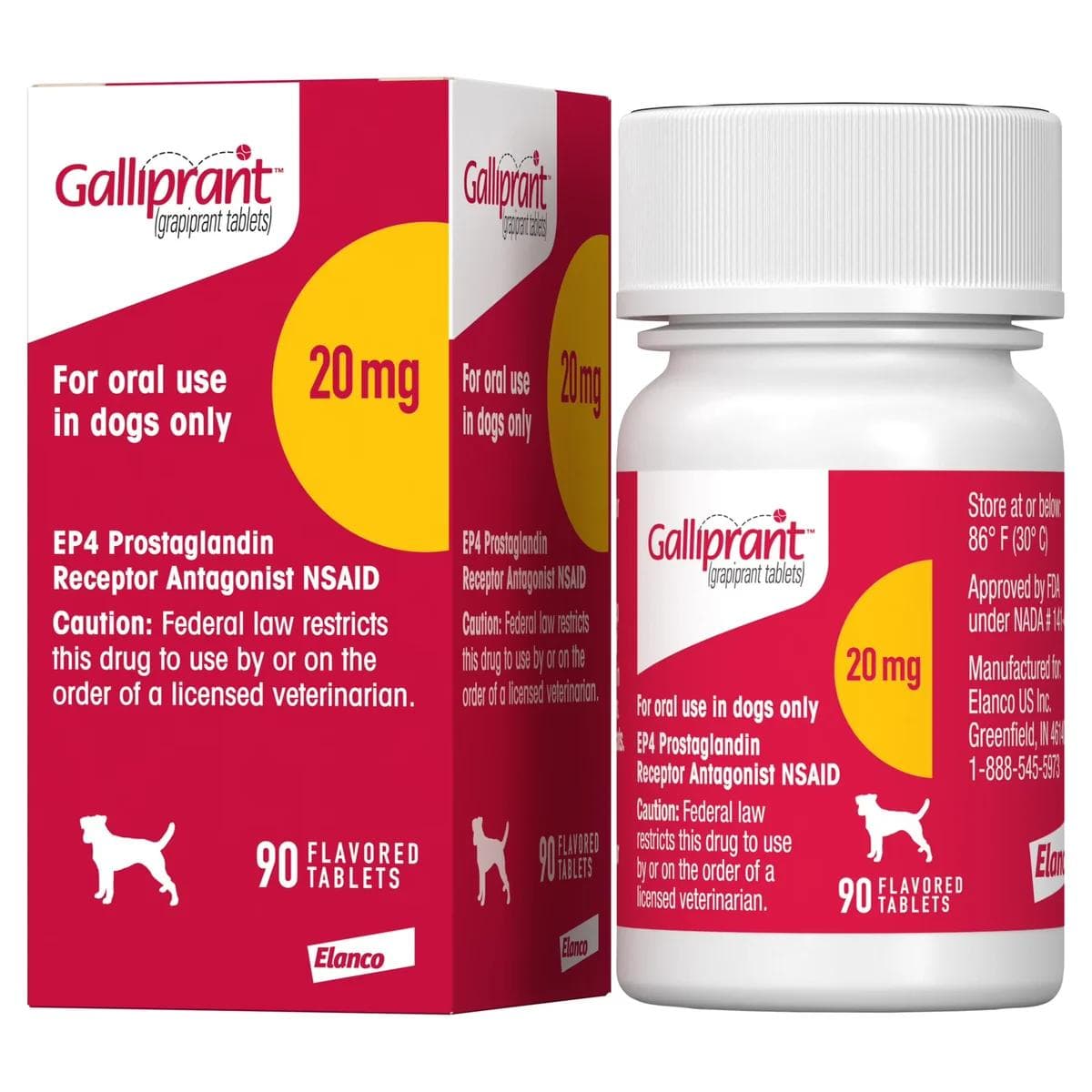
A prescription anti-inflammatory made specifically for arthritis pain in dogs. It needs a vet's diagnosis and script, and it is precisely why you never reach into your own medicine cabinet: human pain relievers are toxic to dogs.
Webvet may earn a commission when you click through to Chewy, at no extra cost to you.
Can Dogs Take Aspirin for Pain?
- 1A veterinarian may prescribe aspirin for a narrow reason, but it is not a routine first-choice pain medicine for most dogs.
- 2Human aspirin, baby aspirin, buffered aspirin, and enteric-coated aspirin are not automatically safe pet products.
- 3Aspirin can impair protective stomach processes and platelet function, so bleeding risk can continue after the last tablet.
- 4Vomiting blood, black tarry stool, collapse, pale gums, rapid breathing, tremors, or seizures is an emergency warning.
Aspirin, also called acetylsalicylic acid, is a nonsteroidal anti-inflammatory drug. It irreversibly inhibits cyclooxygenase activity in platelets and reduces thromboxane, which affects clot formation. It also reduces prostaglandin production involved in pain, inflammation, fever, stomach protection, kidney blood flow, and other normal functions. That wide action explains both the possible benefit and the narrow safety margin.
What kind of aspirin is best for dogs? There is no over-the-counter type that an owner can safely select from packaging alone. A veterinary decision must specify why aspirin is being used, the exact formulation, the amount, the interval, and the stop date. The word "buffered" does not eliminate ulcer risk, and "baby aspirin" describes tablet strength, not canine safety.
Can I give my dog a human aspirin? Not unless the veterinarian has directed that exact product and regimen for that dog. Human products may be enteric-coated, combined with caffeine or another pain medicine, flavored, or packaged at a strength that is difficult to measure accurately. A dog that seems painful may also have an injury or illness that aspirin could complicate.
Retail products do not set veterinary safety
Does Walmart sell dog aspirin? Retailers may sell human aspirin and products marketed for dogs, but shelf availability does not establish a diagnosis, dose, or safety. Do not use a retailer's weight chart as a prescription. A veterinary product name can still contain aspirin and carry the same bleeding, gastrointestinal, and interaction concerns.

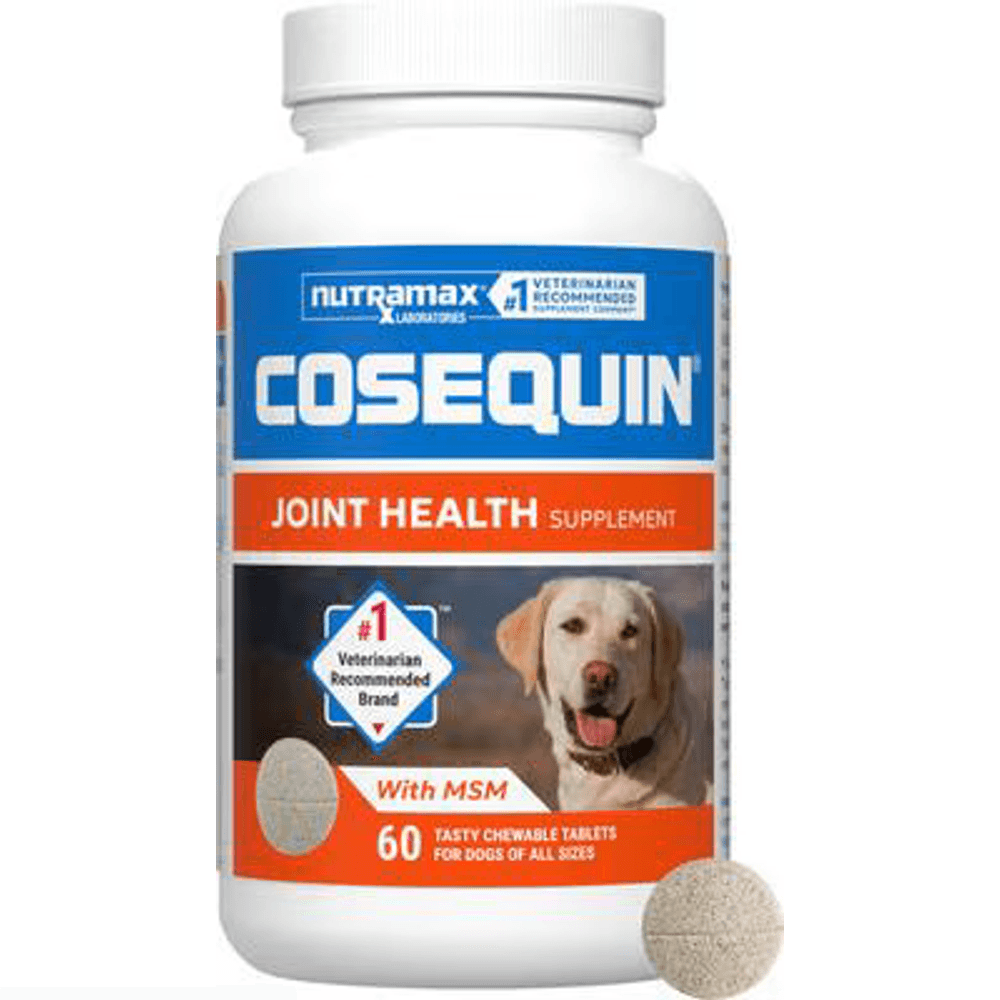
The number-one veterinarian-recommended joint supplement brand. Glucosamine, chondroitin, and MSM support cartilage and cushion the joints, easing the stiffness and hind-end weakness that can leave an older or arthritic dog trembling.
Webvet may earn a commission when you click through to Chewy, at no extra cost to you.
Why veterinarians often choose another plan
Veterinary pain control has become more specific. A veterinarian can choose a dog-labeled NSAID, a medicine for nerve pain, a multimodal plan, weight management, rehabilitation, or treatment for the disease causing pain. The right choice differs for arthritis, an acute injury, postoperative pain, spinal pain, dental disease, and cancer.
Aspirin can complicate a later switch because it affects platelets and can injure the gastrointestinal tract. If a dog has already received aspirin, tell the veterinarian the exact product, strength, amount, and time. A washout period may be needed before another NSAID or a corticosteroid, and that interval belongs to the veterinarian.
Signs that pain needs prompt examination include:
- inability to bear weight or a limb held at an abnormal angle
- sudden weakness, paralysis, or dragging limbs
- a swollen or painful abdomen
- crying, panting, trembling, or inability to settle
- breathing difficulty or collapse
- pain after a fall, vehicle strike, or other trauma
Aspirin Side Effects, Toxicity, and Emergency Signs
Aspirin side effects can involve the gastrointestinal tract, kidneys, liver, blood clotting, nervous system, and acid-base balance. Stomach and intestinal ulceration is a major concern because damage may begin before an owner sees blood. Kidney injury becomes more likely with dehydration, low blood pressure, existing kidney disease, or another medicine that affects renal blood flow.
Watch for:
- vomiting, diarrhea, drooling, or loss of appetite
- black tarry stool or visible blood in vomit or stool
- pale gums, weakness, bruising, or unusual bleeding
- increased thirst, changes in urination, or marked lethargy
- rapid breathing, fever, agitation, tremors, seizures, or collapse

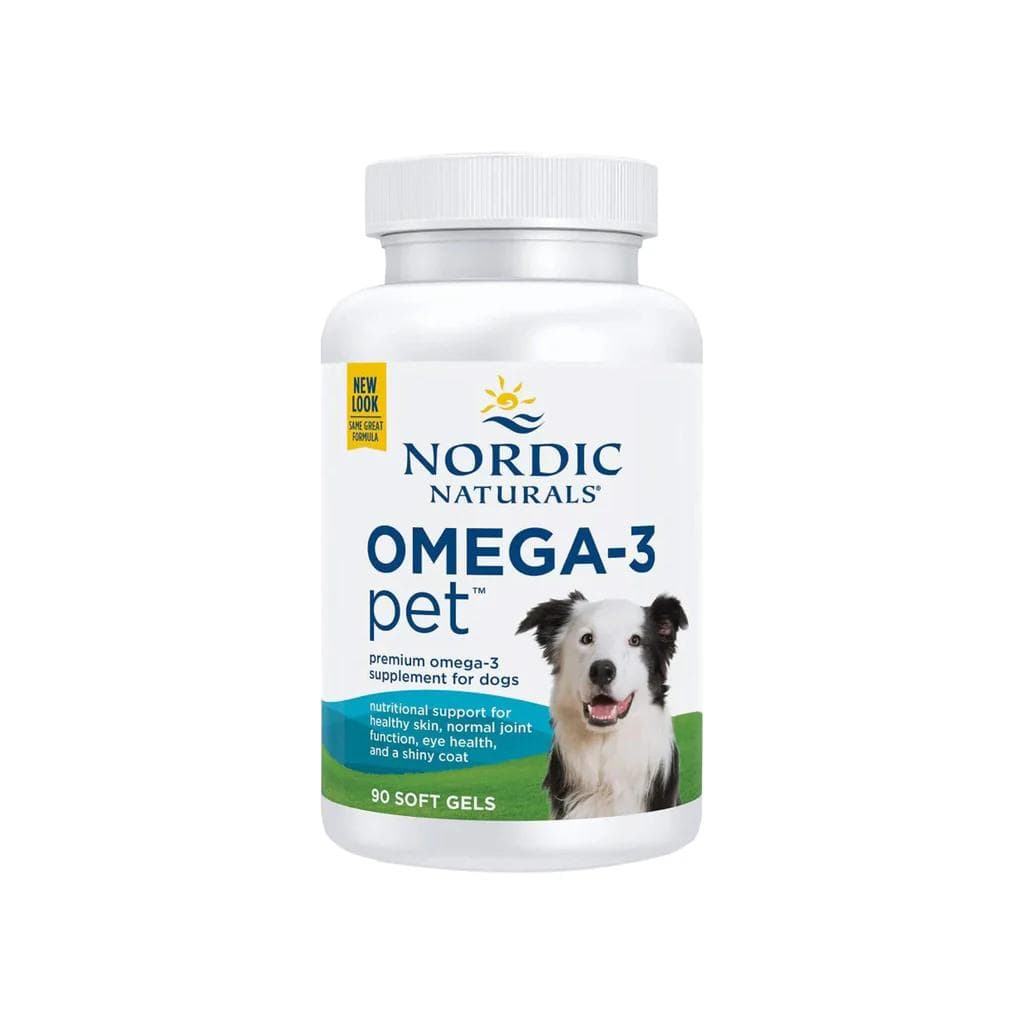
Third-party-tested omega-3 softgels (EPA and DHA) that support skin, coat, and joint health in dogs. Fish oil is one of the first things many vets suggest for a dull, dry, or flaky coat.
Webvet may earn a commission when you click through to Chewy, at no extra cost to you.
Dogs at higher risk
Avoid unsupervised aspirin in every dog, and make sure the veterinarian knows about risk factors such as:
- a history of ulcers, vomiting, black stool, or gastrointestinal bleeding
- kidney or liver disease
- dehydration, shock, or poor circulation
- a bleeding disorder or low platelets
- upcoming surgery or a dental procedure
- pregnancy or nursing
- very young, old, or medically fragile status
The medication list matters just as much. Aspirin should not be combined casually with another NSAID, a corticosteroid, an anticoagulant, or a product that already contains aspirin. Supplements promoted for joints or circulation can also affect bleeding or obscure the list, so disclose everything.
Why cats need an even stricter boundary
Cats metabolize salicylates slowly, which lengthens exposure and makes repeated human-style dosing especially dangerous. A cat should receive aspirin only when a veterinarian has selected it for a specific reason and written exact instructions. Never reuse a dog's prescription for a cat or repeat a feline dose early because the cat still seems painful.
The article's title preserves the live dog-and-cat identity, but the consumer target is aspirin for dogs. The feline message remains short and load-bearing: no home calculation, no copied dog interval, and no dose without explicit veterinary direction.
What Happens After an Accidental Aspirin Exposure
Early veterinary advice matters because treatment options can depend on time. The clinician or poison service will estimate exposure from the animal's weight, tablet strength, number of tablets, formulation, and time since ingestion. They will also ask about vomiting, stool, breathing, behavior, kidney disease, dehydration, and every other medication.
Have these details ready:
- pet's current weight and species
- product name, active ingredient, and tablet strength
- whether the product is plain, buffered, enteric-coated, flavored, or combined
- maximum number of tablets that could be missing
- earliest and latest possible ingestion time
- current symptoms and recent health problems
- other NSAIDs, corticosteroids, anticoagulants, or supplements
Do not induce vomiting or give a home antidote unless a veterinary professional directs you. The wrong action can cause aspiration, add another interacting ingredient, or delay treatment. Depending on timing and risk, a clinic may consider decontamination, gastrointestinal protection, fluids, bloodwork, acid-base assessment, kidney monitoring, or hospitalization.
An apparently normal dog is not automatically clear. Gastrointestinal irritation, bleeding, kidney injury, or metabolic changes can develop after the owner first discovers the package. Follow the recommended observation and recheck plan even if no sign is visible during the first call.
Why the tablet coating matters during triage
An enteric coating may delay dissolution, which can make the timing of exposure less predictable. A combination product may add acetaminophen, caffeine, or another active ingredient with a different toxicity profile. That is why the package or a clear photograph of every label panel is more useful than saying the dog ate "some aspirin."
Do not assume a product marketed as low dose produces only a low-risk exposure. Multiple tablets, a small dog, repeated dosing, or a high-risk medical history can change the urgency. The triage professional needs the actual numbers and product, not the marketing category.
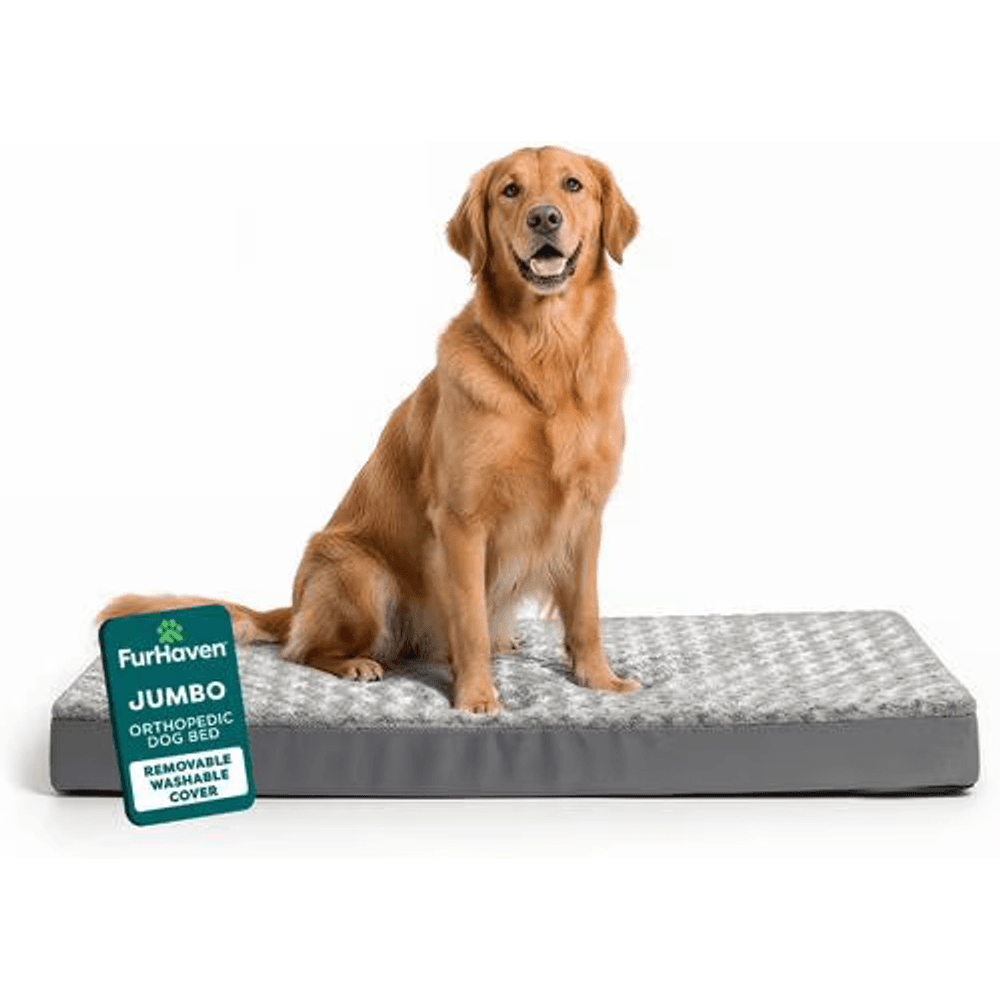
A plush orthopedic foam mattress that cushions aging joints and pressure points, giving a stiff or trembling senior dog warm, supportive rest.
Webvet may earn a commission when you click through to Chewy, at no extra cost to you.
Monitoring When a Veterinarian Prescribes Aspirin
If aspirin is deliberately prescribed, the plan should state the clinical goal and how success will be measured. Pain relief, inflammation control, and antiplatelet use are different goals. The amount and interval for one purpose cannot be copied to another.
Before the first dose, confirm:
- the exact product and tablet strength
- whether it may be split and how to measure it accurately
- the amount, interval, start date, and stop date
- food or administration instructions
- medicines and supplements that must be stopped or separated
- the date and purpose of follow-up testing
During treatment, track appetite, vomiting, stool color, thirst, urination, energy, bruising, and the original symptom. Stop and call according to the veterinary plan if gastrointestinal signs, black stool, bleeding, weakness, or other warning signs appear. Do not keep dosing to finish the bottle when the safety picture has changed.
A veterinarian may monitor blood count, kidney or liver values, hydration, or platelet-related outcomes depending on the reason and duration. Testing is not a guarantee against injury, but it can detect a developing problem and confirm whether the medicine is serving its intended purpose.
Before surgery, dental care, or switching pain medicines
Aspirin's platelet effect can outlast the time the tablet remains in the stomach. Tell every veterinarian about recent aspirin before surgery, dental work, biopsy, or another procedure. Do not omit an over-the-counter dose because it was not formally prescribed.
The same disclosure is essential before another NSAID or a corticosteroid is started. The veterinarian may require a washout interval based on the products, exposure, condition, and urgency. No universal online interval can safely replace that judgment, and adding a new medicine because aspirin did not work can multiply gastrointestinal and kidney risk.
Dog Aspirin Cost and Why OTC Price Is Not the Whole Decision
Aspirin tablets are cheap, widely available, and sold under the generic name acetylsalicylic acid. That low shelf price is why owners reach for them, but the medication price is only one part of the decision. A wrong product or unsafe combination can lead to emergency decontamination, bloodwork, hospitalization, gastrointestinal protectants, fluids, transfusion, or treatment for kidney injury.
A realistic cost comparison includes:
- veterinary examination to identify the cause of pain
- the exact prescription medicine or non-drug treatment selected
- baseline or follow-up bloodwork when appropriate
- monitoring for appetite, stool, hydration, kidney function, and pain control
- the cost of delay if aspirin masks pain while the underlying problem worsens
Generic aspirin names and marketing terms can be confusing. "Low dose," "baby," "buffered," "enteric-coated," and "dog aspirin" do not describe a complete veterinary plan. Two inexpensive packages may differ in strength, coating, flavoring, and combination ingredients. Do not buy by price or tablet count when the key decision is whether aspirin should be used at all.
If cost is the barrier to an examination, tell the clinic before giving a home medicine. The team may be able to triage urgency, discuss an exam-only visit, identify lower-cost diagnostics, or explain a safer short-term plan. A cheap tablet is not an honest savings if it narrows later treatment options or adds toxicity risk.
Aspirin marketing terms that are not safety guarantees
Several labels sound reassuring without answering the veterinary question. "Buffered" means the product includes ingredients intended to alter stomach irritation or dissolution, but it does not remove aspirin's systemic effects on prostaglandins and platelets. "Enteric-coated" changes where or when a tablet dissolves and can make absorption less predictable in dogs. "Low dose" describes a human package strength, not a pet-specific dose.
Products marketed as canine aspirin still require scrutiny. A dog image on the bottle does not establish that aspirin is the preferred medicine for the pain source, that the package chart accounts for disease and interactions, or that repeated use is safe. Supplements blended into a chew can add ingredients and make the full exposure harder to describe during an emergency.
Before buying any product promoted for dog pain, read the active-ingredient panel and ask:
- is aspirin or acetylsalicylic acid listed?
- is another pain medicine included?
- what is the strength per tablet or chew?
- does the veterinarian know the dog is taking it?
- will this interfere with a planned examination, procedure, NSAID, or steroid?
If the veterinarian has not approved the product, leave it on the shelf. The safest retail decision is not choosing the least expensive formulation; it is avoiding an unnecessary exposure until the cause of pain and the treatment plan are known.
Safer Pain-Medicine Choices for Dogs
For a full comparison among dog pain medicines, including why acetaminophen and ibuprofen are not substitutes, see WebVet's pain meds for dogs guide. For aspirin specifically, do not give it unless a veterinarian has chosen it for this dog and accounted for other pain medicines.
Can I give my dog aspirin or Tylenol? Do not choose between them at home. Acetaminophen has a different toxicity profile and can be especially dangerous to cats, while aspirin creates gastrointestinal, renal, bleeding, and interaction risks. What pain relief can I give my dog? The answer depends on the pain source, health history, current medicines, and whether emergency care is needed.
A veterinary pain plan may combine several approaches rather than chasing a single strongest tablet:
- a dog-labeled anti-inflammatory medicine when appropriate
- a medicine targeted to nerve or chronic pain
- surgery, dental treatment, or treatment of the underlying injury
- rehabilitation, controlled exercise, or environmental changes
- weight management and monitored joint support
Do not start a supplement or another medicine while waiting for a veterinary appointment without disclosing the aspirin exposure. The prescriber needs the full timeline to prevent an unsafe overlap.
Aspirin For Dogs FAQs
Frequently Asked Questions
Is there anything I can give my dog for pain that's over-the-counter?
For owners looking for an over-the-counter product described as dog-safe for pain, there is no universal option. Human ibuprofen, naproxen, and acetaminophen can be toxic, and aspirin can cause ulcers, bleeding, kidney injury, and drug interactions. Call a veterinarian for a diagnosis and a dog-specific plan. Sudden severe pain, trauma, weakness, or breathing trouble needs urgent care.
Is 300mg aspirin safe for dogs?
The safety question around 300mg aspirin for dogs cannot be answered without the dog's weight, diagnosis, health history, exact product, and veterinary instructions. For a small dog, that can be a large exposure, and even a larger dog may have ulcer, kidney, bleeding, or interaction risks. If 300 mg was already given or eaten, call a veterinarian or animal poison control service now.
Does Tractor Supply sell aspirin for dogs?
Whether Tractor Supply sells aspirin for dogs is a retail question, not veterinary approval for a particular pet. Farm and pet retailers may carry products marketed for dogs, but availability does not make a product appropriate. The active ingredient can still be aspirin, with the same ulcer, bleeding, kidney, and interaction risks. Do not rely on a package chart. Ask the veterinarian whether aspirin is appropriate and use only the exact prescribed product and instructions.
$65 · no membershipNeed a prescription for Aspirin?
A licensed vet can assess your pet over video and prescribe Aspirin online when it's appropriate.
Talk to a vet- Licensed vets
- All 50 states
- same-day Rx
Webvet may earn a commission if you book.

Editor
The Webvet Editorial Team is the in-house group of pet-care editors and writers behind Webvet, operated by Smart Pet Collective. The team researches, writes, and maintains Webvet's pet health, behavior, and medication content. Every article follows a defined editorial process: research from reputable veterinary and scientific sources, careful drafting, mandatory review of medical content by a credentialed veterinarian, and dated publication. Health and medication articles are medically reviewed by a licensed veterinary professional before they go live and are kept current over time.
Veterinarian · BVMS MRCVS
Dr. Pippa Elliott, BVMS, MRCVS, is a veterinarian with nearly 30 years of experience in companion animal practice. Dr. Elliott earned her Bachelor of Veterinary Medicine and Surgery from the University of Glasgow. She was also designated a Member of the Royal College of Veterinary Surgeons. Married with 2 grown-up kids, Dr. Elliott has a naughty Puggle named Poggle, 3 cats and a bearded dragon.


