Tramadol for Dogs and Cats

BVMS MRCVS
Medically reviewed by Dr. Pippa Elliott, BVMS MRCVS · Last reviewed

Drug facts
Tramadol
Tramadol is a centrally acting synthetic opioid analgesic used in dogs and cats to manage acute, chronic, and postoperative pain, often as part of multimodal pain management. It is more effective in cats than dogs due to differences in metabolism.
Treats
 $65 · no membership
Need a prescription for Tramadol?
A licensed vet can assess your pet over video and prescribe Tramadol online when it's appropriate.
 Talk to a vet
- Licensed vets
- All 50 states
- same-day Rx
Webvet may earn a commission if you book.
What is Tramadol for Dogs and Cats
Overview
Tramadol is a non-traditional opioid pain medication used in veterinary medicine for managing a wide range of painful conditions. It can be used alone or alongside other pain medications as part of multimodal analgesia. Because species metabolize tramadol differently, its effectiveness varies significantly between dogs and cats.
In dogs, tramadol alone often provides limited pain relief, especially for chronic conditions like osteoarthritis. In cats, however, tramadol is much more effective due to higher production of its active metabolite and slower clearance. This makes tramadol an important tool for acute, chronic, and postoperative pain management in cats.
Explore more joint and mobility medications in our Mobility section.
What Is Tramadol for Dogs and Cats Used For
| Condition | Notes |
|---|---|
| Perioperative pain | Used before and after surgery to reduce acute pain. Cats respond especially well. |
| Chronic osteoarthritis pain | Mixed results in dogs; more effective in cats. Often used as part of multimodal therapy. |
| Moderate to severe general pain | Can be administered for musculoskeletal pain, injury, or disease-related pain. |
| Adjunct to NSAIDs | Enhances analgesia when combined with NSAIDs (dogs) due to limited opioid effect in dogs. |
How Tramadol for Dogs and Cats Works
Tramadol provides pain relief using a dual mechanism. It acts as a partial agonist at μ-opioid receptors (MOR) and inhibits the reuptake of norepinephrine (NE) and serotonin (5-HT). Its strongest effects come from its metabolite, O-desmethyltramadol (M1), which binds to opioid receptors with 200–300 times more affinity than the parent drug. Cats produce far more M1 than dogs, which explains the differences in effectiveness.
Drug Facts
Tramadol is a centrally acting synthetic opioid analgesic used in dogs and cats for pain control. It is available in oral and injectable forms, and its safety profile is generally broad when used correctly. Tramadol may be used alone, but in dogs it is most beneficial when used in multimodal pain management (combined with NSAIDs or other analgesics).

The number-one veterinarian-recommended joint supplement brand. Glucosamine, chondroitin, and MSM support cartilage and cushion the joints, easing the stiffness and hind-end weakness that can leave an older or arthritic dog trembling.
Webvet may earn a commission when you click through to Chewy, at no extra cost to you.
Common Brands
Ultram
Drug Class
Centrally acting analgesic
Substance Classification
Not a controlled medication
Generic Status
Generic widely available
Availability
Prescription
Available forms
Tramadol for Dogs and Cats Dosage Forms
Tramadol is available in oral tablets, oral compounded liquids, and injectable forms. Doses vary depending on species due to metabolite differences. It can be administered orally or via parenteral routes including IV, IM, and SC.
Compare coverage choices for your pet, then request a quote directly on Lemonade.
- Check a price for your pet
- Review available coverage choices
- See the terms before you decide
Eligibility, waiting periods, limits and exclusions apply.
Webvet may earn a commission when you click through to Lemonade, at no extra cost to you.
Oral Tablets (50 mg)
| Qty/Size | Price as low as | Price per unit |
|---|---|---|
| 30 tablets | $7.00 | $0.25 |
| 60 tablets | $12.00 | $0.20 |
| 90 tablets | $18.00 | $0.20 |
Compounded Oral Liquid
| Qty/Size | Price as low as | Price per unit |
|---|---|---|
| 30 mL | $35.00 | $1.16 |
| 60 mL | $55.00 | $0.91 |
Injectable Form (Veterinary use)
| Qty/Size | Price as low as | Price per unit |
|---|---|---|
| 10 mL | $65.00 | $6.50 |
Typical Dosing For Tramadol for Dogs and Cats
Tramadol dosing depends heavily on species because dogs and cats metabolize it differently. Dogs produce little active metabolite (M1), so higher or more frequent doses are needed. Cats produce high M1 concentrations, making the drug more effective and longer lasting.
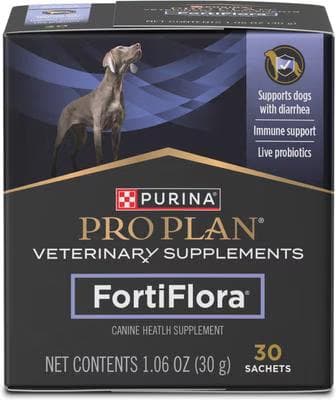
The #1 vet-recommended probiotic for dogs. Daily powder sachets with live probiotics support healthy digestion and firmer stools, and can help dogs coping with diarrhea or GI upset.
Webvet may earn a commission when you click through to Chewy, at no extra cost to you.
Oral Dosing
| Group | Typical Dose | Notes |
|---|---|---|
| Dogs (all sizes) | 4–10 mg/kg every 6–12 hours | Often best when combined with NSAIDs; delayed analgesia possible for chronic pain cases. High doses well tolerated. |
| Cats (all sizes) | 1–4 mg/kg, commonly 1–2 mg/kg every 12 hours or 5–10 mg per cat every 12 hours | Very effective due to prolonged presence of active M1 metabolite. |
Intravenous (IV)
| Group | Typical Dose | Notes |
|---|---|---|
| Dogs (perioperative) | 2–4 mg/kg IV | Commonly used during surgery as part of multimodal analgesia. |
| Cats (perioperative) | 2–4 mg/kg IM or IV; SC 2 mg/kg every 8 hours | Shown to provide strong pain relief after surgeries such as OVH. |
Reported side effects
Risks and Warnings for Tramadol for Dogs and Cats
Tramadol is generally safe but carries species-specific risks and significant interaction concerns.
In dogs, common effects include nausea, salivation, sedation, and reduced appetite. Very high or chronic doses can lead to restlessness, tremors, seizures, and difficulty walking.
In cats, tramadol may cause excitement, euphoria, dysphoria, mydriasis, and occasionally GI upset. The bitter taste may also cause drooling or refusal.
A major risk for both species is Serotonin Syndrome, which occurs if tramadol is combined with other serotonergic drugs (SSRIs, MAOIs, TCAs). Symptoms can be severe and appear within 30 minutes to 2 hours, including agitation, tremors, rigidity, vomiting, diarrhea, rapid heart rate, and high temperature. Immediate veterinary care is required.
Other interactions include reduced effectiveness when combined with drugs like phenobarbital, and enhanced effects when combined with CYP3A inhibitors like ketoconazole or cimetidine. The human medication Ultracet (tramadol + acetaminophen) must never be used in cats.
Webvet may earn a commission when you click through to Chewy, at no extra cost to you.
Tramadol for Dogs and Cats Warnings and Precautions
Use tramadol for pets only under veterinary guidance:
- Avoid combining with other serotonergic medications.
- Do not use in pets with seizure disorders unless approved by a vet.
- Use caution in elderly, debilitated, or liver/kidney-impaired animals.
- Monitor for signs of sedation or agitation.
- Do not use human combination products like Ultracet, especially in cats.
Disclaimer: This information is for educational purposes only and should not replace professional veterinary advice. Always consult your veterinarian before using or combining any medications for your pet.
Frequently Asked Questions (FAQ)
Is Tramadol effective for dogs with arthritis?
Tramadol alone often provides limited pain control in dogs. It works better when combined with NSAIDs.
Do cats respond better to Tramadol than dogs?
Yes. Cats metabolize tramadol into its active form more effectively, making it a strong pain relief option.
How long does Tramadol take to work?
Dogs may require multiple doses over several days. Cats often respond more quickly due to slower clearance of the active metabolite.
Can Tramadol be used after surgery?
Yes. Both dogs and cats commonly receive tramadol perioperatively for pain control.
What should I do if my pet shows unusual behavior after Tramadol?
Stop the medication and contact your veterinarian right away, especially if symptoms suggest serotonin overload or overdose.
$65 · no membershipNeed a prescription for Tramadol?
A licensed vet can assess your pet over video and prescribe Tramadol online when it's appropriate.
Talk to a vet- Licensed vets
- All 50 states
- same-day Rx
Webvet may earn a commission if you book.

Editor
The Webvet Editorial Team is the in-house group of pet-care editors and writers behind Webvet, operated by Smart Pet Collective. The team researches, writes, and maintains Webvet's pet health, behavior, and medication content. Every article follows a defined editorial process: research from reputable veterinary and scientific sources, careful drafting, mandatory review of medical content by a credentialed veterinarian, and dated publication. Health and medication articles are medically reviewed by a licensed veterinary professional before they go live and are kept current over time.
Veterinarian · BVMS MRCVS
Dr. Pippa Elliott, BVMS, MRCVS, is a veterinarian with nearly 30 years of experience in companion animal practice. Dr. Elliott earned her Bachelor of Veterinary Medicine and Surgery from the University of Glasgow. She was also designated a Member of the Royal College of Veterinary Surgeons. Married with 2 grown-up kids, Dr. Elliott has a naughty Puggle named Poggle, 3 cats and a bearded dragon.


