Arthritis Relief for Cats: 9 Ways You Can Help
I think the term ‘climbing the walls’ might have come from someone with a cat. Certainly, young cats are masters of climbing, leaping, and effortless springs that have made them famous across the internet.

MRCVS
Medically reviewed by Dr. Joanna Woodnutt, MRCVS · Last reviewed

This article contains affiliate links. Webvet may earn a commission when you buy through them, at no extra cost to you.
Introduction
I think the term ‘climbing the walls’ might have come from someone with a cat. Certainly, young cats are masters of climbing, leaping, and effortless springs that have made them famous across the internet. Sometimes, it can take a while to notice that your cat’s youthful energy has gone – perhaps they’re hesitating before jumping, missing the countertop, or climbing the stairs rather than racing up them. Whatever you’ve noticed, it’s probably not ‘just their age’ and instead a sign of feline arthritis.
Arthritis is very common in cats, with one study suggesting that90% of cats have evidence of arthritic joints on x-ray, but we don’t recognize it as often as we should. That’s because cats are masters at hiding their pain, and the mobility changes are often subtle. The good thing is, once you’ve noticed your cat’s walking changes or that they’re not jumping anymore, there are lots we can do to ease the pain. In this article, I’m going to give you my X veterinarian-approved ways to help your cat find arthritis relief at home. We’ll talk about medical treatment, but also about the habits and changes you can make at home to improve your cat’s comfort and quality of life.
Fast Facts on Arthritis Relief for Cats
- Arthritis is a painful joint inflammation that is common in older cats and gets worse over time.
- Symptoms are easy to miss, but include stiffness (especially on the stairs), decreased jumping, and subtle behavioral changes
- Nothing can reverse the damage to the joint, but there are things we can do to make your cat more comfortable.
- Relief options include
- Arthritis is painful, so as soon as you notice your cat’s symptoms, we need to work together to get them comfortable.
 $65 · no membership
Is your cat slowing down or seeming sore?
A licensed vet can examine your cat over video and prescribe treatment online when it's appropriate.
 Talk to a vet
- Licensed vets
- All 50 states
- same-day Rx
Webvet may earn a commission if you book.
Understanding Arthritis in Cats
Arthritis (properly called ‘osteoarthritis’) is a disease of joints of both humans and animals. In arthritis, the smooth sliding surface of the joint is disrupted, causing pain during movement and ongoing inflammation. It’s a disease that is subtle in onset but can quickly become painful enough to stop your cat from doing the things they love. It will also continue to get worse over time. Unfortunately, being a prey species, cats hide their discomfort well, so we often don’t spot arthritis in cats until it’s quite far progressed.
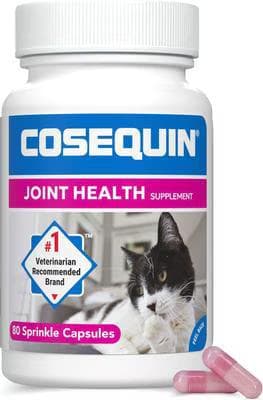
The #1 vet-recommended joint supplement brand. Glucosamine and chondroitin sprinkle capsules support cartilage and comfortable mobility in stiff or senior cats.
Webvet may earn a commission when you click through to Chewy, at no extra cost to you.
No matter when we spot arthritis in cats, it’s not a curable disease. However, there are things you and your vet can do to manage your cat’s pain, make life easier for them, and even slow the progression of the disease.
Recognizing When Your Cat Needs Arthritis Relief
As I said above, arthritis in cats can be hard to diagnose because the signs are often subtle and well-hidden. The earliest signs are changes in your cat’s behaviour that you, as their caretaker, are best placed to spot. Signs like sleeping more, playing less, or increased irritability are all subtle signs that might not scream ‘arthritis’ but are early signs that something isn’t right. Mobility is key - you might notice things like a change in how they approach the litter box, a reluctance to jump, or changes in the way they walk (often best noticed on the stairs). Some cats might struggle to use the litter tray and have accidents as a result. Others might have a poor, dull, or scurfy coat as their grooming stops or they can’t reach everywhere.
Compare coverage choices for your pet, then request a quote directly on Lemonade.
- Check a price for your pet
- Review available coverage choices
- See the terms before you decide
Eligibility, waiting periods, limits and exclusions apply.
Webvet may earn a commission when you click through to Lemonade, at no extra cost to you.
All in all, it’s important to keep an eye out for cats being ‘not quite right’ and take your cat to the vet. Whatever their symptoms, trust your instincts and don’t wait for things to get worse.
9 Ways to Help Your Cat Find Arthritis Relief
1. Create an Arthritis-Friendly Home
Your cat spends more of their time at home, and it’s one of the places you can have the biggest impact on their wellbeing. Like the adjustments made to houses as their occupants get older, small adjustments and seeing things from your cat’s point of view can really help. Look around and watch for things your cat struggles to do or doesn’t even attempt anymore, and see if you can make them more accessible. For example:
- Add a ramp or stairs to access favourite high-up spots, whether that’s a windowsill or the top of a bookshelf
- Add a ramp to the side of staircases, so they’ve got an option to get up and down more easily
- Make sure their litter tray has at least one low side, and is large enough for them to use without feeling too cramped – a plastic storage box can work very well!
- Make mealtimes easy by making sure the food is accessible – raised bowls can mean less crouching and stretching.
- Make hard floors less slippery by adding rubber-backed rugs or roughened strips for extra grip
They might seem like little things, but they can make a big difference to your cat’s comfort!
2. Talk to Your Veterinarian About Pain Medications
We might not be able to cure cat arthritis, but advances in medications mean there are lots of options for arthritis relief for cats. Talking to your veterinarian about pain relief for cats is an essential part of cat arthritis care. They might suggest:
- NSAIDs like meloxicam or robenacoxib – prescription-only anti-inflammatories. Like their human cousin, ibuprofen (which shouldn’t be given to cats), it provides pain relief and may slow disease progression by reducing the inflammation in the joint.
- Gabapentin – often used as a mild sedative in cats, it can also provide pain relief, especially from nerve pain.
- Frunevetmab – a monthly injection that can provide strong pain relief by stopping nerve fibres from growing properly.
- Opioids – oral or injectable opioids can provide strong pain relief for arthritis in cats.
There are also more advanced options, like injections of steroids, stem cells, or plasma into the joint. Your vet can talk you through these options if they’re relevant to your cat’s situation. It’s important to understand that all medicines come with side effects, but that the benefit they bring is often worth the risk – your vet can explain the risks and help you make a decision. With all joint medicines for cats, it’s essential that you talk to your veterinarian – these medications are prescription-only for a good reason!
Webvet may earn a commission when you click through to Chewy, at no extra cost to you.
3. Consider Joint Supplements
What about joint supplements for cats? Are they recommended? Well, sort of. There’s some reasonable evidence that omega-3 fatty acids can reduce joint inflammation, so supplementing this – whether as a powder, liquid, pill, or by choosing a diet that already has high levels – may help to reduce joint pain.

Webvet may earn a commission when you click through to Chewy, at no extra cost to you.
As for the rest of the joint supplements on the market, evidence is sketchy and incomplete, so I’d focus on finding one with high quality omega oils and not worry too much about chondroitin, glucosamine, boswellia, or any of the other ingredients that are pushed at you. That said, if they come alongside the omega oils and are safe for cats, they’re unlikely to do any harm, and might help. Don’t forget, these things take a long time to work (at least six weeks), and work best in the very early stages of the disease, so they’re better placed to support joints than try to treat feline arthritis.
4. Focus on Healthy Weight Management
Of course, it makes sense that for every extra pound your cat has to carry around, their joints are under more strain. But obesity can have another unexpected impact on joints too. Fat is pro-inflammatory. It makes hormones that increase inflammation throughout the body – and that includes in your cat’s joints. And since medicines are often dosed by weight, carrying extra weight means those arthritis medications are more expensive – and potentially more risky – than they would be for cats of a normal weight.
If your arthritic cat is overweight or obese, your vet might recommend a diet plan to help them safely lose weight. It’s very important that you do this under vet guidance, as cats can get ill if they lose weight too quickly. Your vet may also recommend a prescription diet – there are options out there that combine weight loss benefits with omega-3s for joint pain.
5. Encourage Gentle, Regular Movement
You might notice your cat is stiffest after waking up from a nap. That’s because arthritic joints ‘seize up’ when they aren’t being used. Gentle, low-impact exercise keeps the joint flexible and also helps to keep the other tissues strong, so they can fully support the joint. That isn’t to say you should be running your cat up and down the stairs with a laser beam – short, gentle, predictable exercise sessions are the way to go (if your cat is willing!).
6. Provide Warmth and Comfort
As anybody with arthritis can tell you, cold is far less comfortable than warmth. Cats with arthritis often enjoy a cat-safe heated bed or a bed near the radiator. Warm blankets can help when there are draughts, or try putting beds in warm corners of the house where there are no draughts. Make sure your cat can get themselves away from any heat if they need to, to avoid burns and overheating.
7. Reduce Household Stress
Cats with arthritis are often anxious, and this can make them grumpier than usual. Understanding that they’re worried about the discomfort from being jolted can help you find ways to relieve their stress. Provide a quiet space where they can get away from other pets, and hiding places they can easily access. While you’re at it, try to keep routines predictable – walking painfully downstairs to find dinner isn’t there when you expect it is enough to make anyone grumpy!
8. Try Physical Therapy or Laser Therapy
While medications for arthritis relief are essential, there are some complementary treatments that can be used alongside to help your cat feel more comfortable. You can talk to your vet about:
- Laser therapy (a painless light treatment that can increase circulation and warm up joints)
- Physiotherapy and hydrotherapy (to help build muscle on sore joints, or help cats who are overweight slim down a little)
- Acupuncture (which may help to relieve pain)
- Massage (to improve blood flow and warm joints)
9. Schedule Regular Vet Check-Ups
Arthritis can’t be cured, and it will continue to get worse, so it makes sense that your cat’s arthritis care plan will need to change over time. Regular check-ups with your veterinarian allow you to adjust their pain relief to their needs. They’ll also want to keep a close eye on pets on long-term medication to monitor for side effects.
When to Revisit the Vet
Ideally, you’ll take your arthritic cat to the vet every three to six months for their regular check-up. However, you may need to schedule a visit sooner if your cat’s condition deteriorates or they show signs of side effects from arthritis medication. I’d recommend calling your vet for an appointment in the next two to three days if their mobility decreases or they show signs of pain despite being on medication – we may need to add in more medicines to control the pain. If your cat goes off their food, becomes lethargic, starts drinking a lot, or starts vomiting or passing diarrhea, I’d recommend scheduling a same-day appointment if you can. Often, the sooner these things get seen by a vet, the easier they are to sort out.
FAQs
What’s the best arthritis relief for cats?
The best arthritis relief for cats is prescription medication, but this works best when combined with a vet-led care plan that looks at their weight, their home environment, and any complementary therapies that might help them.
What can I give my cat at home for arthritis pain?
There are no reliable home remedies for cat arthritis. While there are lots of things you can do at home to provide some arthritis relief for cats, they should all be in addition to prescription medication, which is the mainstay of arthritis pain relief for cats.
How long can a cat live with arthritis?
As long as they’re pain-free and happy, cats with arthritis can have a normal life span. It’s important to keep an eye on their quality of life, and talk to your vet often to adjust pain relief where it’s needed.
Conclusion
While arthritis is an incurable condition, arthritis relief for cats is possible. With medicines, supplements, complementary therapy, and changes at home, there’s plenty you can do to keep your cat feeling comfortable even after an arthritis diagnosis.
Bio
Dr Joanna Woodnutt BVM BVS MRCVS
After graduating from the University of Nottingham, Dr Woodnutt initially worked in companion animal practice in the Midlands, UK, where she developed a love for chronic conditions. Since moving home to Alderney in the Channel Islands, Dr Woodnutt does less clinical work, and now mostly writes articles about pets – including writing a column for the local newspaper, writing articles to help educate other vets, and writing for several websites across the internet.
Photo by Istockphoto
$65 · no membershipIs your cat slowing down or seeming sore?
A licensed vet can examine your cat over video and prescribe treatment online when it's appropriate.
Talk to a vet- Licensed vets
- All 50 states
- same-day Rx
Webvet may earn a commission if you book.

Veterinarian · MRCVS
After graduating from the University of Nottingham, Dr Woodnutt initially worked in companion animal practice in the Midlands, UK, where she developed a love for chronic conditions. Since moving home to Alderney in the Channel Islands, Dr Woodnutt does less clinical work, and now mostly writes articles about pets – including writing a column for the local newspaper, writing articles to help educate other vets, and writing for several websites across the internet.


