How to Tell If a Cat Is In Pain
Cats hide pain by instinct, so it often goes unnoticed until it is advanced. A vet explains how to tell if a cat is in pain: posture, grimace scale cues, behavior shifts, and exactly when to call.

BVSc MRCVS
Medically reviewed by Dr. Grace Mee, BVSc MRCVS · Last reviewed

This article contains affiliate links. Webvet may earn a commission when you buy through them, at no extra cost to you.
If you have ever wondered how to tell if a cat is in pain, you are asking exactly the right question, because cats are experts at hiding it. The cat who used to greet you at the door may start hiding more, grooming less, and simply seeming off.
This instinct to mask discomfort is a survival trait, one that makes feline pain notoriously hard to catch until it is advanced. This vet-reviewed guide walks through the posture, facial, and behavior changes to watch for, the common causes, and precisely when to call your vet.
- 1Cats instinctively mask pain, so the earliest clues are usually subtle behavior and posture shifts, not obvious limping or crying.
- 2A hunched, crouched meatloaf posture, hiding, reduced grooming, and reluctance to jump are among the most reliable early signs.
- 3The Feline Grimace Scale scores five facial action units from 0 to 2; a total of 4 or more out of 10 suggests your cat needs pain relief.
- 4Never give a cat human painkillers. Ibuprofen, acetaminophen (Tylenol), and aspirin are all toxic to cats and can be fatal.
- 5Call your vet promptly for sudden hiding, refusal to eat or move, open-mouth breathing, collapse, or crying, and seek same-day care for anything that looks like acute distress.
Fast Facts on Cats in Pain
- Cats mask pain as an evolutionary survival instinct, so they can keep from appearing vulnerable to predators.
- Common signs of pain in cats are behavioral, postural (their physical stance), and vocal, and they usually appear gradually.
- Call your vet if your cat suddenly refuses to eat or move, hides persistently, obviously limps or vocalizes, or shows acute distress such as open-mouth breathing, collapse, or crying.
- Pain can be acute (short term, such as a traumatic injury or surgery) or chronic (long term, such as arthritis, dental disease, or internal illness).
Why Cats Hide Pain
Because of feline evolution, cats hide pain remarkably well. As both predators and prey, they instinctively conceal weakness to avoid becoming a target. Domestic cats have kept this instinct, passed down through generations, which makes detecting discomfort genuinely hard for even the most attentive owner.
Cats put on a brave face, often continuing to eat, walk, and act normally despite significant discomfort. In fact, behavioral changes tend to reveal pain far earlier than overt limping or crying, which is why knowing the quiet signs matters so much.
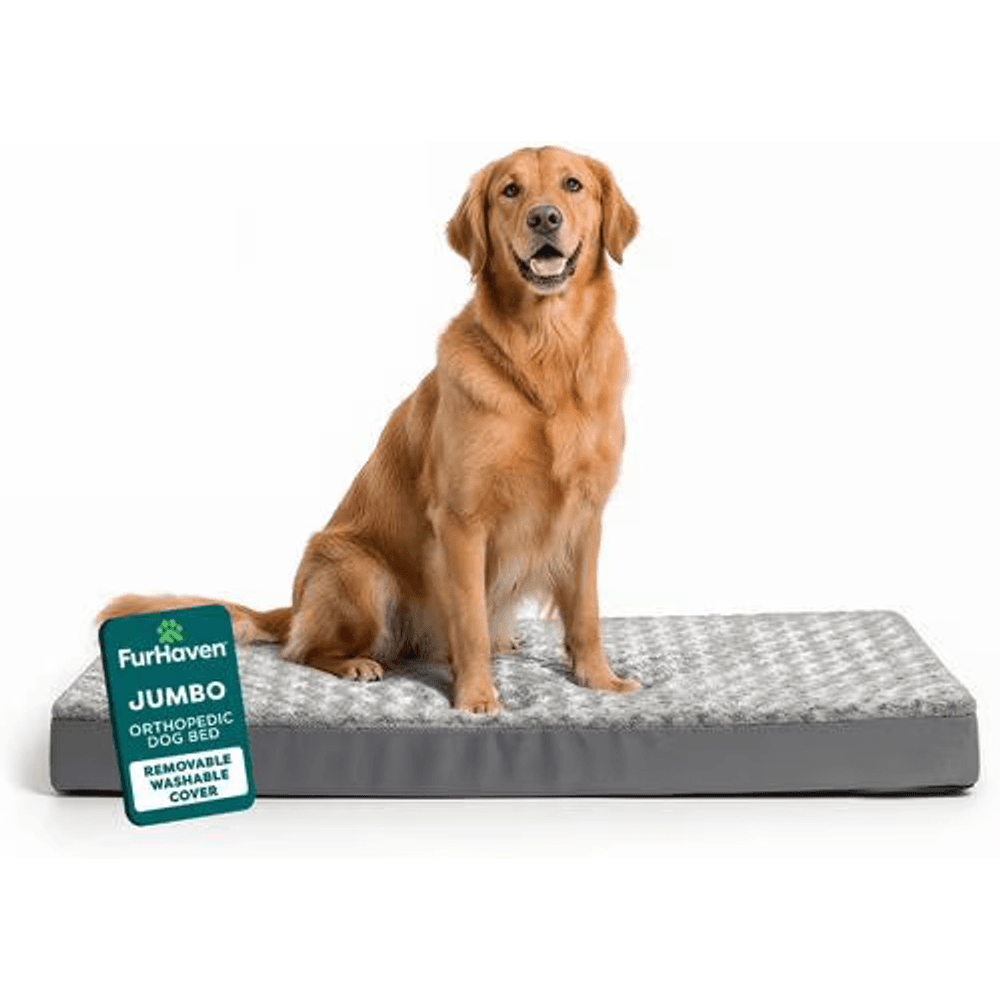
A plush orthopedic foam mattress that cushions aging joints and pressure points, giving a stiff or trembling senior dog warm, supportive rest.
Webvet may earn a commission when you click through to Chewy, at no extra cost to you.
Physical Signs a Cat Is in Pain
Changes in Movement or Posture
You may notice your cat sits differently or avoids movements they once did with ease. Arthritis in cats can make them appear slower, stiffer, or hesitant to jump and climb. To understand what healthy movement looks like, see our guide on how cats walk and the subtle clues about joint health.
Altered Grooming Habits
Your cat may groom more or less in certain areas. Some cats neglect grooming altogether when they feel unwell, and arthritic cats often skip stretching to reach far-flung spots like their back. Grooming intensely in one region can flag a specific sore area, such as a wound. If repeated licking also creates a thin or bald area, our guide to hair loss in cats explains how itch, pain, infection, and overgrooming can overlap.
Facial Expression Changes
Squinted eyes, a furrowed brow, and flattened ears can all indicate pain. Beyond muscle tension, cats in pain may lower their head and change their whisker position. These facial cues are the basis of the Feline Grimace Scale, covered in detail below.
Eating or Drinking Less
Nausea from internal disease can make a cat eat and drink less. Dental pain also reduces appetite, and dry food becomes especially uncomfortable to chew, so you may notice a sudden preference for softer wet food.
Litter Box Changes
Climbing into the box or squatting to toilet can hurt for cats with joint pain, so they may avoid the box entirely. Straining or more frequent visits can point to urinary pain, and skipping the box may signal constipation in cats, which is uncomfortable in its own right.
Weight Shifts or Limping
Cats with joint pain may distribute weight differently when they stand or stroll around. Lameness can be subtle but telling. Watch how your cat moves when they are comfortable, so you can more easily spot what is abnormal later.

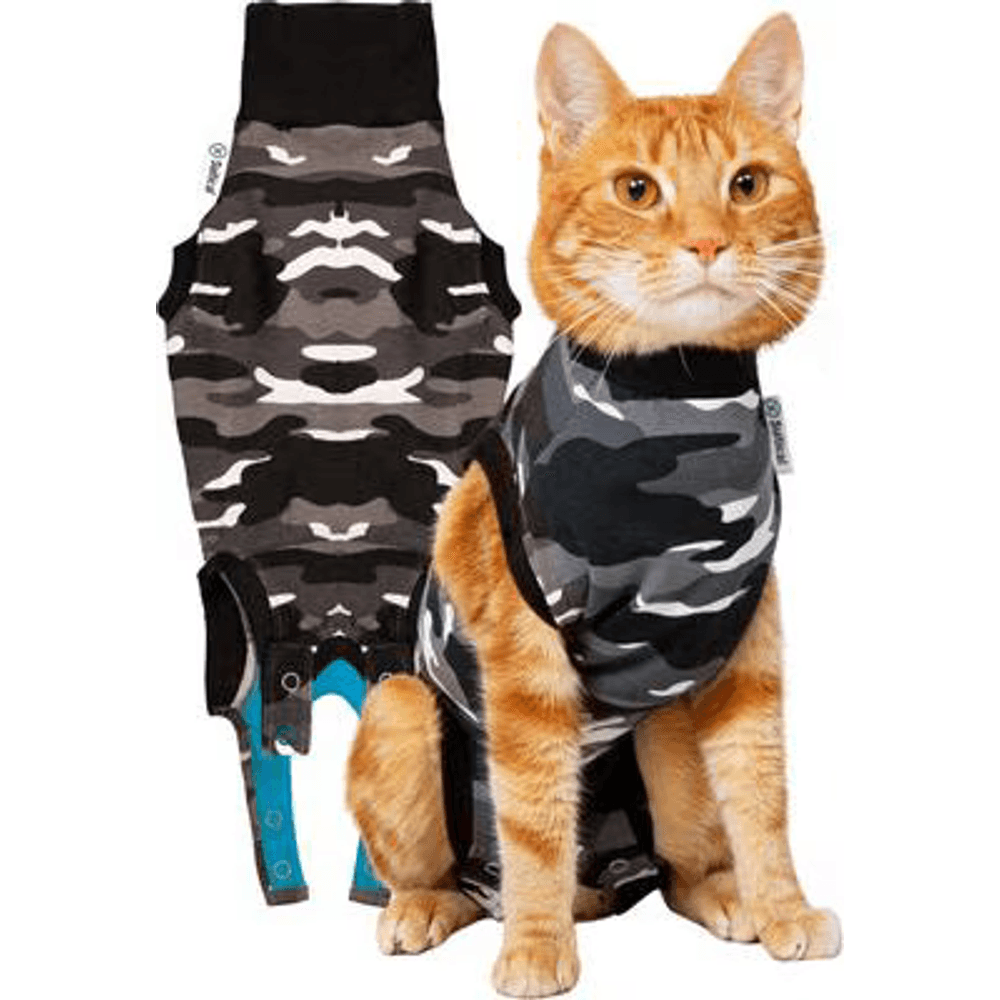
A breathable full-body recovery suit made for cats, the vet-recommended cone alternative that covers a spay or abdominal incision so a cat cannot lick or scratch the wound while she still moves, uses the litter box, and rests in comfort.
Webvet may earn a commission when you click through to Chewy, at no extra cost to you.
Using the Feline Grimace Scale to Read Your Cat's Face
The Feline Grimace Scale is a validated tool developed and tested by researchers at the University of Montreal for assessing acute pain in cats. It scores five facial action units, each from 0 to 2, based on how tense or relaxed the feature looks.
The five action units are ear position, orbital tightening (eye squint), muzzle tension, whisker change, and head position. Add the five scores together for a total out of 10. A total of 4 or more suggests your cat is uncomfortable enough that pain relief should be considered.
| Facial action unit | Relaxed (score 0) | In pain (score 2) |
|---|---|---|
| Ear position | Ears face forward and upright | Ears flattened and rotated outward |
| Orbital tightening (eyes) | Eyes open and round | Eyes squinted or partly closed |
| Muzzle tension | Relaxed, rounded muzzle | Tense, flattened, elliptical muzzle |
| Whisker change | Loose and gently curved | Straight, stiff, and pushed forward |
| Head position | Held above the shoulder line | Held level with or below the shoulders |
The scale works best when your cat is calm and undisturbed, since fear and stress can distort facial expressions. Use it as a helpful home checkpoint, not a diagnosis. If your cat scores high, or you are unsure, share what you saw with your veterinarian.
 $65 · no membership
Is your cat slowing down or seeming sore?
A licensed vet can examine your cat over video and prescribe treatment online when it's appropriate.
 Talk to a vet
- Licensed vets
- All 50 states
- same-day Rx
Webvet may earn a commission if you book.
What Position Do Cats Lie in When in Pain?
A cat in pain often lies in a tight, guarded posture rather than sprawling out. The most recognizable is the hunched or meatloaf position, where the cat crouches with its chest low, paws tucked, and shoulder blades raised, holding still to protect a sore body.
You may also see a cat curled up extra tightly, sitting with its head lowered and eyes half closed, or lying stiffly and reluctant to stretch or reposition. Cats with belly or urinary pain sometimes press their abdomen against a cool floor.
Restlessness is the flip side of the same problem. A cat who cannot get comfortable, shifting position again and again or pacing, may be signaling internal or joint pain that worsens under pressure and will not settle down on its own.
Behavioral Signs of Pain
Feline pain tends to show up behaviorally before it shows up physically. The tell-tale signs include:
- Increased hiding or sleeping, to avoid appearing vulnerable.
- Irritability or aggression when touched, especially near a painful spot. It is an instinctive defense, since a cat cannot understand what is causing the discomfort.
- Decreased interaction or play, driven by lower energy or discomfort.
- Changes in vocalization, including more meowing, growling, or, tellingly, unusual silence.
- Withdrawal from household activity, as a sore cat quietly alters its normal routine.
These behaviors often creep in gradually, so trust your instincts if something simply feels off with your cat. You know their normal better than anyone.

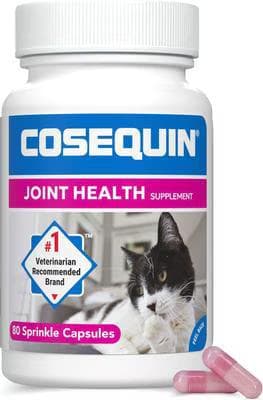
The #1 vet-recommended joint supplement brand. Glucosamine and chondroitin sprinkle capsules support cartilage and comfortable mobility in stiff or senior cats.
Webvet may earn a commission when you click through to Chewy, at no extra cost to you.
Common Causes of Pain in Cats
Cats show generalized signs of pain no matter the source. Common underlying causes include:
- Arthritis and joint degeneration: where cartilage wears away, causing painful bone-on-bone rubbing. It is very common in senior cats, where mobility changes are easy to dismiss as normal aging.
- Dental disease: including painful resorptive lesions, gingivitis, and tooth-root abscesses that make eating miserable.
- Injury or trauma: such as muscle sprains, bone fractures, and soft-tissue damage to skin, muscles, ligaments, or tendons.
- Post-surgical or post-vaccination soreness: the natural inflammation of a healing wound or an immune response settling down.
- Internal illness: including kidney disease, pancreatitis, urinary tract disease, and digestive problems that become more common with age.
- Cancer or growths: which can cause pressure and discomfort internally or externally.
This list is not exhaustive, and a professional assessment is essential to pinpoint the true cause of your cat's pain.
How Veterinarians Diagnose Pain
Because cats rarely show pain openly, your vet will assess your pet thoroughly. This starts with a full physical exam and careful palpation of the abdomen, joints, and lymph nodes to localize the affected area.
Vets often apply pain-scoring systems such as the Feline Grimace Scale, along with activity monitoring, to gauge severity. They will likely recommend bloodwork to rule out underlying illness and imaging such as X-rays or ultrasound to screen for structural disease.

How to Comfort a Cat in Pain
It takes marked pain for a cat to show even subtle signs, so treating it early can dramatically improve quality of life. The safest first step is always a vet visit, because comfort at home works best alongside a proper diagnosis and cat-specific pain relief.
Once your vet has a plan, you can make home life gentler. Offer soft bedding and warm, quiet resting spots. Add ramps or steps with anti-slip mats so a stiff cat can reach favorite perches, and keep food, water, and a low-sided litter box within easy reach.
Calm, inviting spaces with pheromone diffusers can lower stress, and gentle handling around sore areas helps your cat stay relaxed. For arthritis, vet-prescribed anti-inflammatory medication and recommended joint supplements can be used when appropriate.
Monitor how your cat responds to each adjustment. If progress stalls, work with your vet to refine the plan rather than changing doses on your own. Even small changes can make a real difference to your cat's comfort.
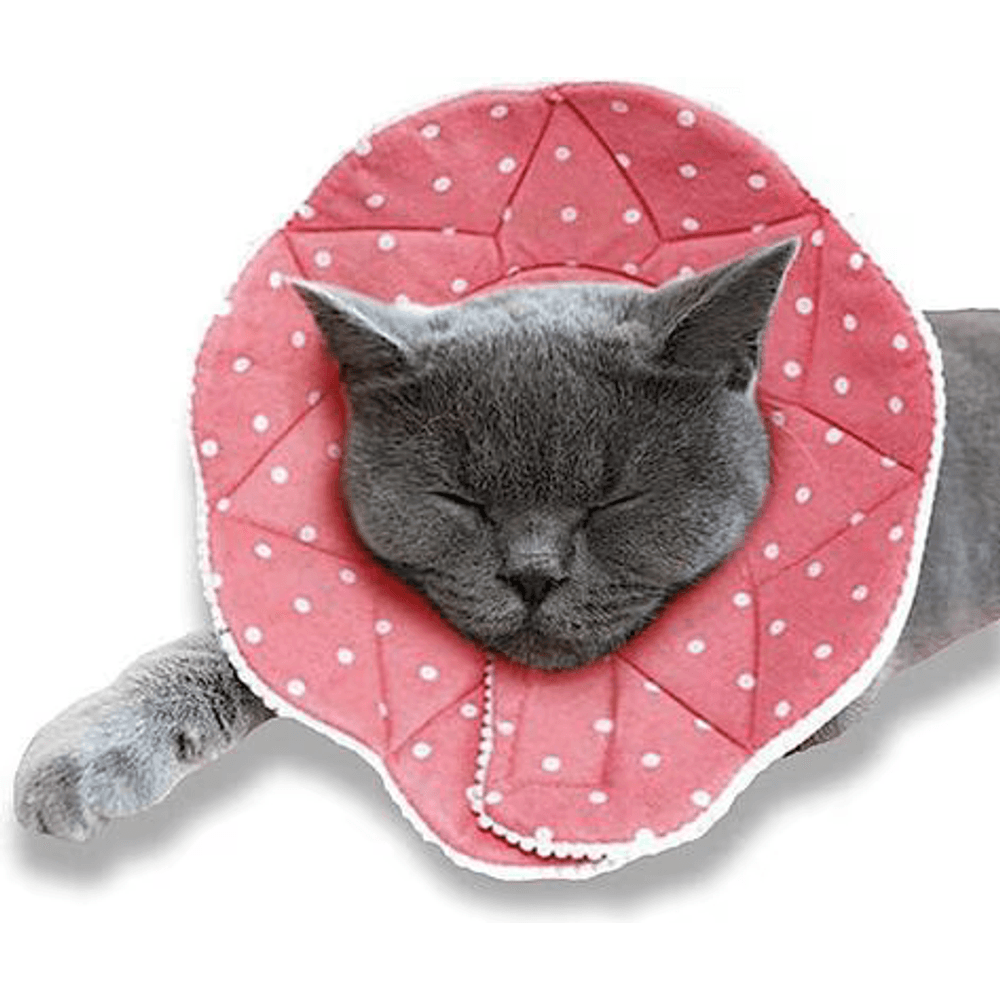
A lightweight, padded fabric cone that gently blocks a pet from pawing, scratching, or rubbing a healing eye, wound, or hot spot, and it is far softer and less stressful than a hard plastic cone.
Webvet may earn a commission when you click through to Chewy, at no extra cost to you.
Pain vs. a Cat Whose Body Is Shutting Down
Owners often worry about telling ordinary pain apart from a cat whose body is failing. Pain tends to come with guarding, tension, and reluctance to move, while a cat still eats, drinks, and responds to you, even if less than usual.
Signs that a cat may be nearing the end, or has a serious internal injury, go further. These include profound weakness or collapse, hiding away completely, refusing all food and water, a body temperature that feels cold, labored or open-mouth breathing, and unresponsiveness.
Senior cats and cats with internal injuries can slide from subtle pain into a crisis quickly, so these signs are always an emergency. If you see any of them, contact an emergency vet immediately rather than waiting to see if things improve overnight.

When to Call Your Veterinarian
Reach out to your veterinarian right away if your cat suddenly refuses to eat or move, hides persistently, obviously limps or vocalizes, or shows unexplained aggression or withdrawal. Treat acute distress as an emergency, including open-mouth or labored breathing, collapse, crying, or seizures. Cats rarely just get better, so act promptly.
The Bottom Line
Cats hide pain, but small changes speak volumes. You know your cat best, so act early when you notice concerning shifts in posture, behavior, or appetite.
Observe their normal patterns, use the grimace scale as a checkpoint, and consult your vet when something changes. The sooner pain is found, the sooner its cause can be addressed, giving your cat a longer, more comfortable life.
Frequently Asked Questions
What position do cats lay in when in pain?
A cat in pain usually lies in a guarded, hunched meatloaf position, crouched low with paws tucked and shoulders raised. Others curl up very tightly, sit with the head lowered and eyes half closed, or lie stiffly and avoid stretching. Restless repositioning or an inability to settle is also common.
How do you comfort a cat in pain?
See your vet first for a diagnosis and cat-safe pain relief, then support comfort at home with soft bedding, warm quiet spots, easy-access food, water, and litter, ramps, and gentle handling. Never give human painkillers such as ibuprofen, acetaminophen, or aspirin, as these are toxic to cats.
How can you tell when a cat's body is shutting down?
Warning signs go beyond ordinary pain and include profound weakness or collapse, complete hiding, refusing all food and water, a cold body temperature, labored or open-mouth breathing, and reduced responsiveness. These signs are always an emergency, so contact an emergency veterinarian immediately rather than waiting to see if your cat improves.
What is the 3-3-3 rule for cats?
The 3-3-3 rule describes how a newly adopted cat typically adjusts: about 3 days to decompress, 3 weeks to settle into a routine, and 3 months to feel fully at home. It is not a pain scale, but stress during this period can mask or worsen discomfort, so watch for pain signs too.
Are there natural remedies for cat pain?
Your vet may suggest supportive therapies alongside prescribed medication, such as hydrotherapy, physiotherapy, acupuncture, or joint supplements, all delivered by qualified professionals. These complement, and never replace, veterinary care. Ask your vet before trying anything, and never use human supplements or medications, which can be unsafe for cats.
Can stress or anxiety make a cat's pain worse?
Yes. Stress or anxiety can worsen certain conditions, especially feline urinary problems, which then cause more pain, and pain can heighten existing anxiety in return. Interestingly, acute stress and its adrenaline surge can sometimes temporarily mask pain, which is one more reason to rely on a veterinary assessment.
$65 · no membershipIs your cat slowing down or seeming sore?
A licensed vet can examine your cat over video and prescribe treatment online when it's appropriate.
Talk to a vet- Licensed vets
- All 50 states
- same-day Rx
Webvet may earn a commission if you book.

Veterinarian · BVSc MRCVS
Grace graduated from the University of Liverpool in 2022. She works as a small animal vet in London and has published research in the Veterinary Record. She enjoys consulting and operating on dogs, cats, and exotic pets. Beyond clinical practice, she applies her expertise as a veterinary writer and mentors aspiring veterinary students.


