Senior Cat Mobility: What’s Normal and What Needs a Vet
Changes in a senior cat’s mobility deserve attention. Learn how to record everyday function, recognize urgent signs and make resting places, meals and litter boxes easier to reach comfortably.

BVetMed MRCVS
Medically reviewed by Dr. Hannah Godfrey, BVetMed MRCVS · Last reviewed

This article contains affiliate links. Webvet may earn a commission when you buy through them, at no extra cost to you.
Senior cat mobility is about how comfortably your cat manages everyday life: reaching food, entering the litter box, grooming, walking and resting. A quieter routine can accompany aging, but new stiffness, weakness or avoidance should not be dismissed as “just old age.” Compare your cat with their own usual abilities and ask your veterinarian about changes.
Small home adjustments can make daily tasks easier while the cause is investigated. This guide focuses on noticing those changes and improving access. If jumping is the main problem, our companion article explains why a cat may stop jumping and how arthritis fits among the possible causes.
- 1A new loss of mobility deserves veterinary attention at any age.
- 2Keep essentials accessible without difficult jumps or slippery routes.
- 3Sudden inability to stand or use the back legs is an emergency.
Comfortable rest is part of that routine. A flat supportive bed may be easier to enter than a deep enclosed bed. The linked FurHaven NAP orthopedic bed is the Jumbo version, so measure the available floor space and check the entry height before choosing it. A supportive surface can help comfort, but it does not diagnose or treat the cause of reduced mobility.
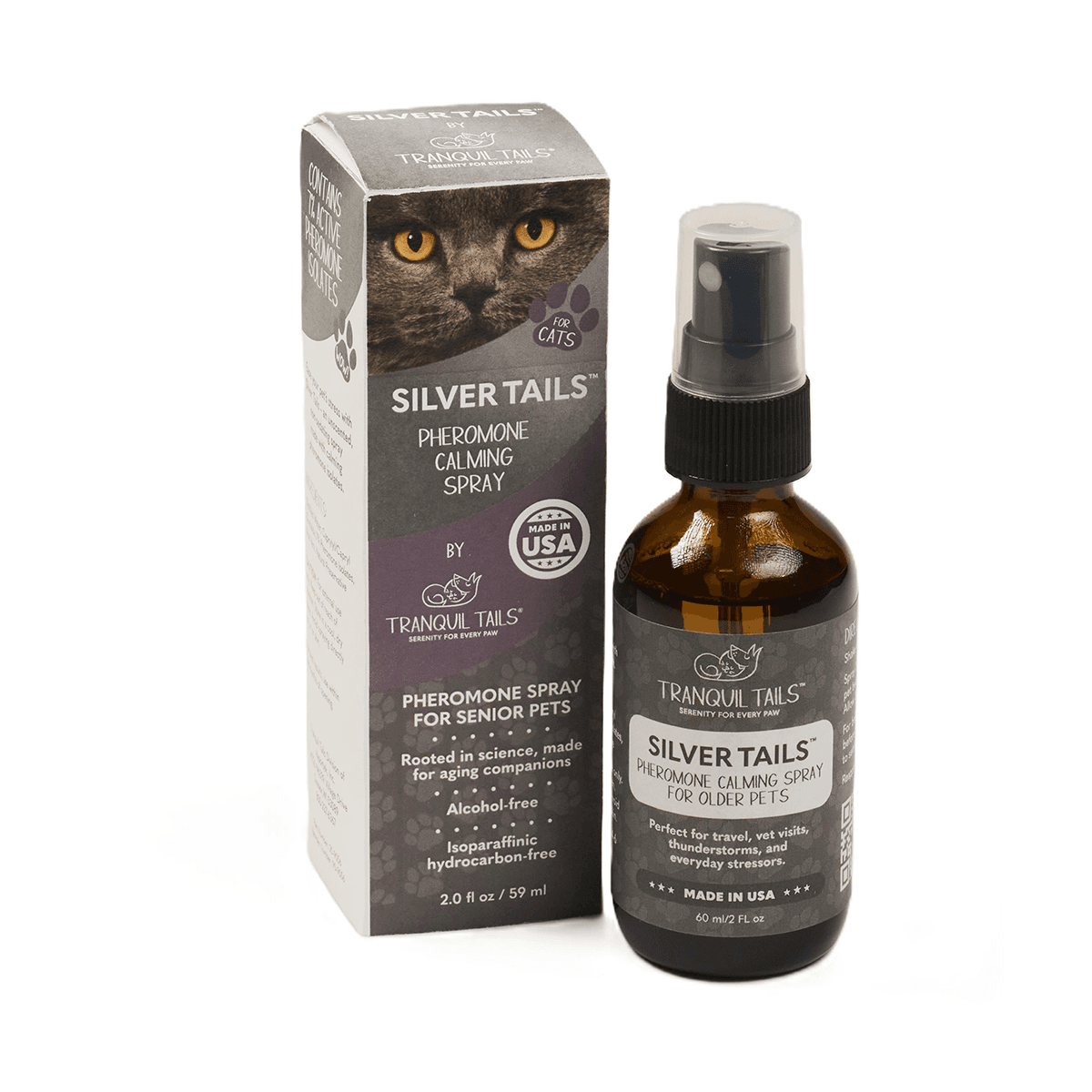
A senior-cat pheromone surface spray for optional calming support. It does not treat arthritis, pain or loss of mobility.
Webvet may earn a commission when you click through to Chewy, at no extra cost to you.
Senior cat mobility: compare your cat with their own baseline
Senior cat mobility varies between individuals. One cat has always preferred a floor bed; another has always slept on a wardrobe. The useful signal is a change from that personal baseline. A cat who stops using a favorite perch, pauses before stairs or struggles to turn in the litter box may be showing discomfort even if they are still eating and seeking attention. Mobility changes in older cats are best interpreted against this familiar daily routine, rather than compared with another cat.
Cat mobility problems can appear as changed behavior rather than an obvious limp. Look for shorter play sessions, missed jumps, hesitation after resting or a coat that becomes untidy because grooming is harder. Cat joint mobility is only part of the picture: weakness, nerve problems, vision changes and other illnesses can also affect movement. A home observation cannot tell these causes apart reliably.
Follow the route your cat actually uses

An access route audit starts with one ordinary trip, such as bed to litter box. Look at the starting surface, doorway, floor grip and height of the final step. Does your cat need to cross a polished floor, squeeze past another animal or climb a high edge? A route can be difficult even when each individual item looks suitable in isolation.
Keep a weekly record of the same daily activities and note new changes sooner. Record whether your cat completes the task willingly, hesitates, takes a different route or avoids it. Do not provoke a difficult movement to obtain a score. This access route audit connects daily function to a weekly record for the veterinary visit, giving your vet concrete examples instead of “slowing down.”
An easy Catit Play Treat Puzzle can offer gentle mental activity if your cat reaches it comfortably. Start with readily accessible food, supervise and use part of the planned daily allowance. If the cat has to stretch awkwardly or becomes frustrated, simplify the activity or use a different one. The aim is enjoyable participation, not making a painful cat work for essential meals.
| Activity | Watch for | Useful adjustment |
|---|---|---|
| Bed to litter box | Slipping, detours or difficulty stepping in | A clear route and low-entry box |
| Reaching a resting place | Repeated hesitation or pulling up | A floor-level alternative or stable steps |
| Grooming and scratching | Matted coat or avoiding a familiar posture | Gentle help and an accessible scratching surface |
| Meal time | Avoiding stairs or competition with another pet | A quiet accessible feeding area |
What should I do if my elderly cat is struggling to walk?
If your elderly cat is struggling to walk, contact your veterinarian promptly for triage. Describe whether the change happened suddenly, whether your cat can stand and whether they are using all four legs. A cat losing mobility in the hind legs needs an assessment, not an assumption of arthritis. Do not wait for a routine senior appointment when walking has noticeably deteriorated. Cat mobility problems that affect standing or walking deserve particular attention, even when the cat can still manage some familiar activities.
Sudden paralysis, dragging the back legs, severe pain, collapse or difficulty breathing needs emergency care. A blood clot is one possible cause of abrupt hind-limb problems, as explained in Cornell's cardiomyopathy guidance. There are other urgent causes too. Call the emergency clinic, minimize unnecessary movement and follow their transport advice.
For a gradual change without emergency signs, arrange an examination and keep essential resources close while you wait. Your veterinarian may ask about appetite, thirst, weight, litter habits, previous injuries and medications. These details help connect the mobility change with the rest of your cat's health. Our guide to recognizing pain in cats covers other subtle signs worth reporting.

An unscented surface spray for cat bedding or carriers. Follow its own label and let surfaces dry before use; never spray directly on your cat.
Webvet may earn a commission when you click through to Chewy, at no extra cost to you.
 $65 · no membership
Is your cat slowing down or seeming sore?
A licensed vet can examine your cat over video and prescribe treatment online when it's appropriate.
 Talk to a vet
- Licensed vets
- All 50 states
- same-day Rx
Webvet may earn a commission if you book.
At what age do cats start declining?
There is no fixed age at which cats should start declining in comfort or lose the ability to do ordinary tasks. Senior life-stage labels help plan preventive care; they do not explain an individual cat's symptoms. Some older cats remain active, while younger cats can develop painful or disabling conditions. Judge a change by what your cat is doing and how quickly it developed.
Age can increase the likelihood of several health problems occurring together. That is why a senior assessment considers muscle condition, body weight, teeth, sensory function and general health as well as joints. Avoid assuming that every change has one cause. A cat can have both arthritis and another illness, and improving one problem may not fully restore their previous routine.
Arthritis is common, but an X-ray is not a pain score
The Feline Veterinary Medical Association's chronic-pain toolkit distinguishes joint changes on radiographs from the presence and severity of pain. Your veterinarian combines imaging, where useful, with examination findings and your observations. A dramatic-looking X-ray does not measure how much pain your cat feels, and the absence of obvious changes does not rule pain out.
If your veterinarian recommends discussing a joint supplement, Cosequin for Cats is an existing feline option to ask about. Evidence for joint supplements in cats is limited and product-specific. It should not replace prescribed pain relief or delay an examination. Confirm that it fits your cat's other conditions, medications and diet before adding it.

A room-based option for cats. The standard kit includes scented pads; compatible unscented pads are sold separately. Follow this device's own directions.
Webvet may earn a commission when you click through to Chewy, at no extra cost to you.
Choose mobility aids around everyday access
The most useful cat mobility aids solve a difficulty your cat actually encounters. Start with secure footing, short routes and easy entry rather than buying equipment based only on an “arthritis” label. Check the full access route after every change. A ramp leading onto a slippery floor, or a step that shifts under weight, can create a new problem instead of solving the original one. Cat mobility issues can change the route that is easiest, so reassess access as your cat’s abilities change.
Use stable steps or a securely fixed, gently sloped ramp only if your cat can negotiate them comfortably. Let them investigate voluntarily and provide a floor-level resting option as well. Do not place food out of reach to make them practice. Cats with major weakness or neurological problems may need a different arrangement and individualized advice from a veterinary rehabilitation professional.
- Place a low-entry litter box where it can be reached without stairs, while retaining enough space to turn comfortably.
- Secure non-slip runners along regularly used routes and check that edges do not curl.
- Keep food, water and resting areas accessible, with enough separation to avoid crowding.
- Reduce competition by giving your cat quiet access away from other pets.
- Keep furniture arrangements predictable and add gentle lighting where visibility is poor.
A broad low scratching surface may be more approachable than a post that requires a full upright stretch. The PetFusion scratcher lounge is one option if its shape suits your cat; a flatter scratcher may be better for another individual. Let your cat choose a comfortable posture and remove the item if stepping onto it is difficult. Scratching equipment supports normal behavior; it is not a mobility treatment.
A senior-cat pheromone surface spray for optional calming support. It does not treat arthritis, pain or loss of mobility.
Webvet may earn a commission when you click through to Chewy, at no extra cost to you.
Check the change from your cat's point of view
After adding an aid, watch an ordinary voluntary trip. Can your cat approach, turn, use it and leave without a slip or awkward maneuver? The cheapest helpful change may be moving an existing bowl or placing a secure rug along the route. Keep a successful familiar option available while introducing something new, and avoid a complete room rearrangement when your cat is already struggling.
Update the weekly record with the specific change and the response. For example, “used the low-entry box without pausing” is more informative than “seems happier.” If access improves but stiffness, weakness or withdrawal continues, tell your veterinarian. Adapting the room can reduce a task's demands without resolving the underlying pain, so easier access does not eliminate the need for follow-up.
Senior cat exercise without forcing painful movement
Senior cat exercise should be voluntary and suited to the diagnosis. Ask your veterinarian what activity is appropriate, especially after an injury or with weakness. For many cats, short comfortable bouts of movement are more useful than a demanding session. Stop if your cat hesitates, limps, withdraws or seems sore afterward. Do not use forced jumping or stretching as a home fitness test. Discuss cat joint mobility and suitable exercise with your veterinarian before increasing activity.
Try a toy moved slowly at floor level, an easy food-search activity or a brief walk between accessible resting places. Keep footing secure and let your cat finish when they choose. Record the activity they tolerate rather than increasing intensity simply because a calendar says to. Exercise needs can change as treatment begins or another health issue develops.

Joint supplements and mobility diets: discuss the whole plan
“Mobility” on a food or supplement label does not tell you whether it suits your cat. Your veterinarian may need to balance joint support with kidney disease, weight management, food tolerance or other conditions. Do not switch between therapeutic diets because their names sound similar. Bring the exact product names and all current supplements to the appointment so the full intake can be reviewed.
Keep expectations realistic. Supportive bedding, scratching options and enrichment can make daily life easier, but they cannot substitute for a diagnosis or an individualized pain plan. If arthritis is confirmed, our guide to ways to help a cat with arthritis explains the wider management discussion. Ask your veterinarian what improvement to look for and when to reassess.
Questions about helping a less-mobile cat
Prepare a useful senior-care appointment
Bring the weekly record, any short videos you already have and a list of current food, medicines and supplements. Describe a typical day and the specific tasks that have changed. Mention whether the problem is worse after resting, appears only on certain surfaces or affects one side more noticeably. You do not need to demonstrate the movement in the consultation room for your observations to matter.
Ask your veterinarian which changes need investigation first, which home activities are appropriate and when to check back. If several health conditions are involved, ask how the plan balances them. A medicine or diet suitable for one cat may not suit another. Do not restart an old prescription or use another pet's treatment because the symptoms look similar.
Track comfort after making changes
Compare the same ordinary activities under similar circumstances, without forcing your cat to repeat them. Note whether they use a new route willingly, need fewer pauses or resume a familiar activity. Also note whether an adaptation creates a new difficulty, such as turning on a narrow step or getting off a soft bed. Details help distinguish a useful adjustment from one that merely looks accessible to a person.
Improvement after a home change does not prove that treatment is unnecessary. A lower entry reduces the effort needed to use a box, but a cat may still have pain elsewhere. Likewise, a quiet day is not automatically evidence that a prescribed plan has failed. Follow the reassessment timetable your veterinarian recommends and report new or worsening signs promptly rather than adjusting medication yourself.
Keep care manageable and consistent
Choose a few helpful changes that everyone in the home can maintain. Secure rugs daily, keep the route clear and make sure another pet cannot block access to an essential resource. Recheck equipment for wobbling or damage. If you move a bowl or bed for cleaning, put it back where your cat expects it rather than requiring another search or difficult trip.
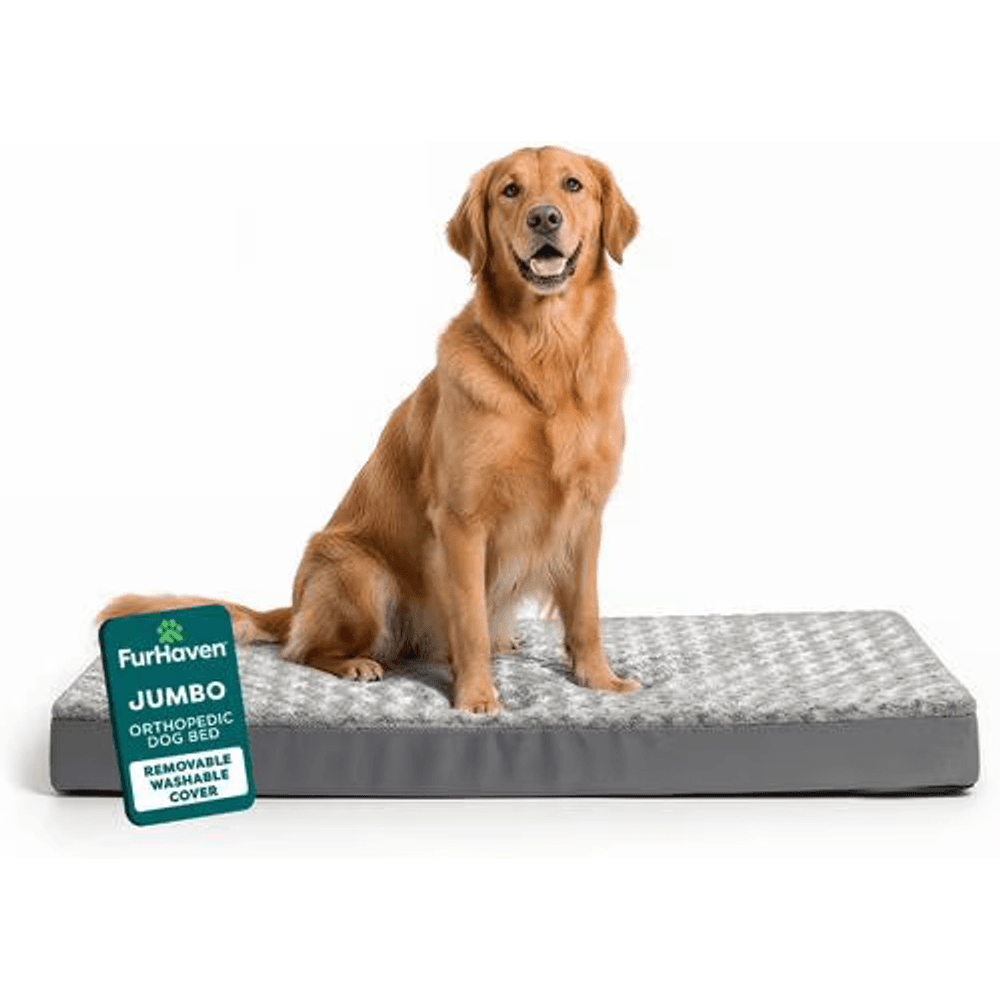
A plush orthopedic foam mattress that cushions aging joints and pressure points, giving a stiff or trembling senior dog warm, supportive rest.
Webvet may earn a commission when you click through to Chewy, at no extra cost to you.
The purpose of the weekly record is to support that care, not create a complicated home examination. Brief factual notes are enough. Share them when the veterinary team reassesses comfort, body condition and treatment response. A plan that adapts to your cat's actual abilities is more useful than buying every product labeled for seniors or assuming that gradual change is harmless.
Senior cat mobility FAQs
Frequently Asked Questions
Should I raise my senior cat's food bowl?
You do not need to raise every senior cat’s food bowl. Choose a food bowl position your cat uses comfortably, keeping it stable, easy to reach and away from competition. If bending to eat appears uncomfortable, describe that observation to your veterinarian and try a modest adjustment under their guidance. Comfort and safe access matter more than a universal bowl height.
Does a cat need a wheelchair for mobility problems?
A cat does not automatically need a wheelchair for mobility problems. Severe disability needs a diagnosis and an individual plan covering comfort, toileting, skin care and safe movement. Discuss fitted equipment with your veterinarian or a veterinary rehabilitation professional rather than choosing a cart from an online description. An access problem may have a simpler solution, depending on its cause.
$65 · no membershipIs your cat slowing down or seeming sore?
A licensed vet can examine your cat over video and prescribe treatment online when it's appropriate.
Talk to a vet- Licensed vets
- All 50 states
- same-day Rx
Webvet may earn a commission if you book.

Veterinarian · BVetMed MRCVS
Hannah graduated in 2011 and works as a small animal vet in Cardiff, UK. She loves meeting people and their special pets and has a particular interest in diagnostic imaging, soft tissue surgery, and dentistry.


