Amantadine for Dogs and Cats

BVMS MRCVS
Medically reviewed by Dr. Pippa Elliott, BVMS MRCVS · Last reviewed

Drug facts
Amantadine
Amantadine is an NMDA receptor antagonist used in dogs and cats primarily for pain management, particularly chronic, neuropathic, and osteoarthritis-related pain. It works best as part of a multimodal plan alongside other analgesics rather than as a standalone treatment.
Treats
 $65 · no membership
Need a prescription for Amantadine?
A licensed vet can assess your pet over video and prescribe Amantadine online when it's appropriate.
 Talk to a vet
- Licensed vets
- All 50 states
- same-day Rx

Webvet may earn a commission if you book.
What is Amantadine for Dogs and Cats
Overview
Amantadine is a unique medication known as an NMDA receptor antagonist, originally used in human medicine as an antiviral and in managing neurological conditions like Parkinson’s disease. In veterinary care, it is valued for its ability to reduce central sensitization, a phenomenon that makes chronic pain worse and harder to treat.
Amantadine does not replace NSAIDs or opioids but works best when combined with other analgesic medications, especially in painful conditions that require long-term or multimodal support. It has also shown benefits in helping reduce opioid tolerance while providing additional pain relief in both dogs and cats.
Explore more joint and mobility medications in our Mobility section.
What Is Amantadine for Dogs and Cats Used For
| Condition | Notes |
|---|---|
| Chronic neuropathic pain (e.g., degenerative lumbosacral stenosis) | Improved limb function and gait measures after 21 days of use. |
| Chronic osteoarthritis pain | Useful when NSAIDs alone are insufficient; enhances overall pain control. |
| Postoperative pain (preemptive analgesia) | Reduces rescue analgesic needs when given before surgery. |
| Adjunct to NSAIDs, gabapentin, opioids | Helps decrease central sensitization and pain amplification. |
| Osteoarthritis pain in cats | Improved owner-reported mobility and quality of life. |
How Amantadine for Dogs and Cats Works
Amantadine works by blocking specific NMDA receptor channels, preventing prolonged activation that contributes to chronic and neuropathic pain. Instead of fully blocking ion channels, it accelerates channel closure, reducing pain signals that worsen with neurological irritation or long-term degenerative conditions. This mechanism helps reduce central sensitization, a major factor in chronic pain states.
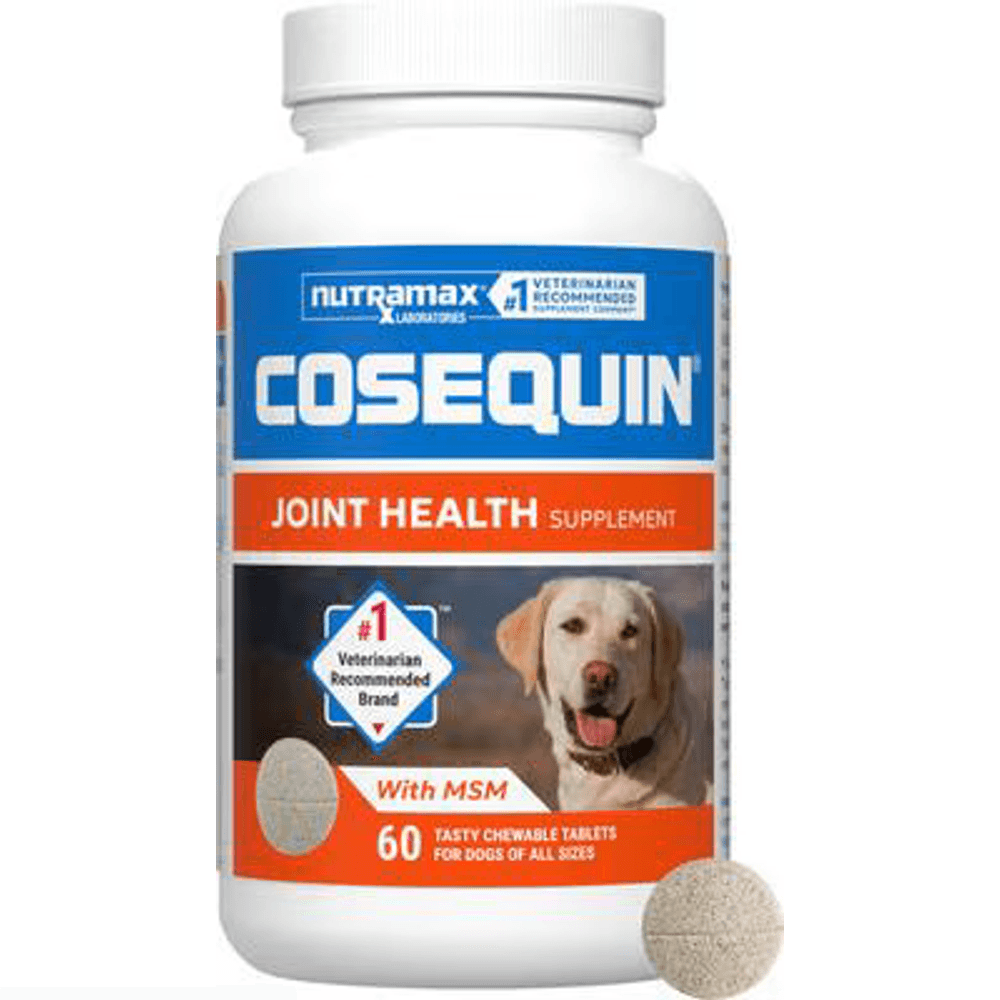
The number-one veterinarian-recommended joint supplement brand. Glucosamine, chondroitin, and MSM support cartilage and cushion the joints, easing the stiffness and hind-end weakness that can leave an older or arthritic dog trembling.
Webvet may earn a commission when you click through to Chewy, at no extra cost to you.
Drug Facts
Amantadine is a non-competitive NMDA receptor antagonist with additional dopaminergic and anti-inflammatory effects. Although historically an antiviral medication, it is used in veterinary medicine primarily for pain management, especially when other pain medications do not provide complete relief.
Common Brands
Symmetrel®, Gocovri®, Osmolex
Drug Class
NMDA receptor antagonist
Substance Classification
Not a controlled medication
Generic Status
Generic widely available
Availability
Prescription
Available forms
Amantadine for Dogs and Cats Dosage Forms
Amantadine is most commonly dispensed as oral capsules, oral tablets, or compounded oral liquid for small pets. It may also be available in injectable form for research or clinical use, though oral dosing is the standard method for veterinary pain management.Since the uploaded document does not include product sizes or commercial pricing, the tables below use typical average US pricing for commonly used veterinary formulations.
Compare coverage choices for your pet, then request a quote directly on Lemonade.
- Check a price for your pet
- Review available coverage choices
- See the terms before you decide
Eligibility, waiting periods, limits and exclusions apply.
Webvet may earn a commission when you click through to Lemonade, at no extra cost to you.
Oral Tablets / Capsules (100 mg)
| Qty/Size | Price as low as | Price per unit |
|---|---|---|
| 30 tablets | $12.00 | $0.40 |
| 60 tablets | $20.00 | $0.33 |
| 90 tablets | $30.00 | $0.33 |
Compounded Oral Liquid
| Qty/Size | Price as low as | Price per unit |
|---|---|---|
| 30 mL | $35.00 | $1.16 |
| 60 mL | $55.00 | $0.91 |
Injectable Form
| Qty/Size | Price as low as | Price per unit |
|---|---|---|
| 10 mL | $45.00 | $4.50 |
Typical Dosing For Amantadine for Dogs and Cats
Amantadine dosing varies by species and the condition being treated. In dogs, dosing is well studied and typically follows twice-daily or once-daily regimens. In cats, dosing information is more limited, but the medication has shown promise for osteoarthritis-related pain relief.
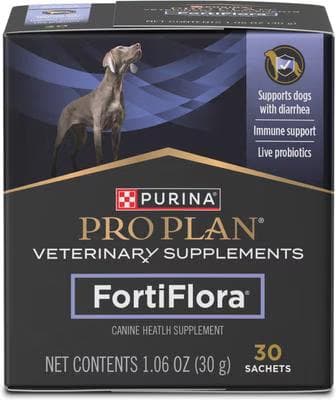
The #1 vet-recommended probiotic for dogs. Daily powder sachets with live probiotics support healthy digestion and firmer stools, and can help dogs coping with diarrhea or GI upset.
Webvet may earn a commission when you click through to Chewy, at no extra cost to you.
Oral Dosing
| Group | Typical Dose | Notes |
|---|---|---|
| Dogs (all sizes) | 3–5 mg/kg every 12 hours | Preferred for chronic neuropathic pain. Well tolerated. |
| Dogs with DLSS | 3 mg/kg twice daily for 21 days | Improved peak vertical force and limb function. |
| Dogs (combination therapy) | 3 mg/kg once daily with meloxicam | Used when NSAIDs alone are insufficient. |
| Cats with osteoarthritis | Dose not provided | Improved owner-reported mobility and quality of life. |
| Cats (general pain management) | Dose varies by clinician | Activity decreased during objective monitoring, despite perceived improvements. |
Preoperative Use
| Group | Typical Dose | Notes |
|---|---|---|
| Dogs undergoing OVH | 5 mg/kg once, 1 hour before sedation | Reduced postoperative pain and decreased rescue analgesia needs. |
Reported side effects
Risks and Warnings for Amantadine for Dogs and Cats
Amantadine is generally well tolerated in both dogs and cats, with studies showing minimal adverse effects and no frequent complications requiring removal from trials. It is considered safe for chronic use when prescribed properly. However, certain risks exist due to its neurological and dopaminergic effects.
Side effects are rarely reported in the uploaded document, but clinical experience suggests that vomiting, agitation, or restlessness may occur in isolated cases. Its use is typically avoided in pets with seizure disorders, and dose adjustments may be needed in pets with kidney impairment.
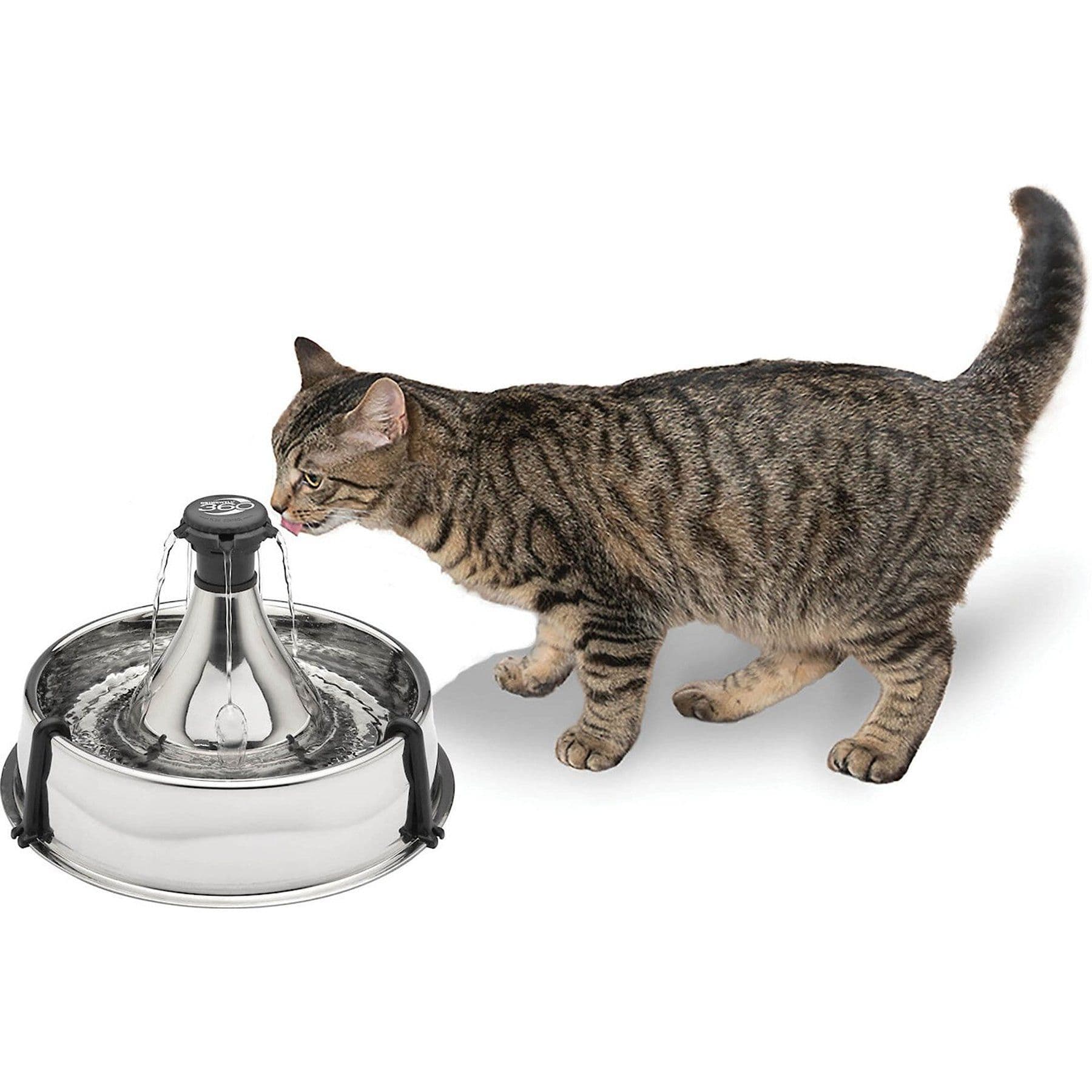
Webvet may earn a commission when you click through to Chewy, at no extra cost to you.
Amantadine should always be used as part of a multimodal pain plan, not as a standalone analgesic, especially in dogs with chronic osteoarthritis or neuropathic pain.
Amantadine for Dogs and Cats Warnings and Precautions
Use amantadine with care and under veterinary supervision:
- Do not exceed your veterinarian’s prescribed dosage.
- Avoid use in pets with seizure disorders unless specifically approved.
- Use caution in pets with kidney disease.
- Monitor your pet for agitation, vomiting, or changes in behavior.
- Do not discontinue NSAIDs or other pain medications unless directed.
Disclaimer: This information is for educational purposes only and should not replace professional veterinary advice. Always consult your veterinarian before using or combining any medications for your pet.
Frequently Asked Questions (FAQ)
Does Amantadine work immediately?
No. Amantadine typically provides noticeable benefits over days to weeks when used for chronic pain.
Is Amantadine enough for pain relief by itself?
Usually not. It works best when combined with NSAIDs, gabapentin, or opioids.
Can Amantadine help dogs who do not respond to NSAIDs?
Yes. Studies show improvement when added to meloxicam in dogs with conditions like degenerative lumbosacral stenosis.
Is Amantadine effective for cats with osteoarthritis?
Yes. Owners report improved mobility and comfort, though activity levels may vary.
Is Amantadine safe for long-term use?
Yes, when monitored by a veterinarian. Studies reported no major complications from extended use.
$65 · no membershipNeed a prescription for Amantadine?
A licensed vet can assess your pet over video and prescribe Amantadine online when it's appropriate.
Talk to a vet- Licensed vets
- All 50 states
- same-day Rx
Webvet may earn a commission if you book.

Editor
The Webvet Editorial Team is the in-house group of pet-care editors and writers behind Webvet, operated by Smart Pet Collective. The team researches, writes, and maintains Webvet's pet health, behavior, and medication content. Every article follows a defined editorial process: research from reputable veterinary and scientific sources, careful drafting, mandatory review of medical content by a credentialed veterinarian, and dated publication. Health and medication articles are medically reviewed by a licensed veterinary professional before they go live and are kept current over time.
Veterinarian · BVMS MRCVS
Dr. Pippa Elliott, BVMS, MRCVS, is a veterinarian with nearly 30 years of experience in companion animal practice. Dr. Elliott earned her Bachelor of Veterinary Medicine and Surgery from the University of Glasgow. She was also designated a Member of the Royal College of Veterinary Surgeons. Married with 2 grown-up kids, Dr. Elliott has a naughty Puggle named Poggle, 3 cats and a bearded dragon.


