Meloxicam for Dogs and Cats

BVMS MRCVS
Medically reviewed by Dr. Pippa Elliott, BVMS MRCVS · Last reviewed

Drug facts
Meloxicam
Meloxicam is a prescription NSAID that reduces pain and inflammation. In dogs it is used for long-term management of osteoarthritis and other painful conditions; in cats it is used mainly for short-term pain control.
Treats
 $65 · no membership
Need a prescription for Meloxicam?
A licensed vet can assess your pet over video and prescribe Meloxicam online when it's appropriate.
 Talk to a vet
- Licensed vets
- All 50 states
- same-day Rx
Webvet may earn a commission if you book.
What is Meloxicam for Dogs and Cats
Overview
Meloxicam is a prescription NSAID that reduces pain and inflammation by lowering the production of inflammatory chemicals in the body. In dogs, it is commonly used for long term management of osteoarthritis and other painful conditions. In cats, it is mainly used for short term pain control, usually for only a few days.
Surveyed veterinarians reported that around 66.8 percent chose meloxicam as their primary pain medication for dogs, and about 52.7 percent chose it for cats, showing how frequently it is used in clinical practice. In dogs with chronic osteoarthritis, meloxicam has been shown to reduce lameness, stiffness, and pain on rising, and to improve exercise tolerance and overall behavior.
Explore more joint and mobility medications in our Mobility section.
What Is Meloxicam for Dogs and Cats Used For
| Condition | Notes |
|---|---|
| Chronic osteoarthritis in dogs | Used long term to reduce pain and stiffness and improve mobility and quality of life. |
| Short term pain management in cats | Often used for short analgesic courses, usually less than three days in cats. |
| General musculoskeletal pain | Used for pain from injuries or orthopedic issues when an NSAID is appropriate. |
| Inflammatory conditions | Helps control inflammation that contributes to discomfort and reduced mobility. |
How Meloxicam for Dogs and Cats Works
Meloxicam works by blocking cyclooxygenase (COX) enzymes, which reduces the production of prostaglandins, the chemicals that cause pain and inflammation. By lowering prostaglandin levels, meloxicam can reduce swelling, stiffness, and pain, helping dogs and cats move more comfortably.
Drug Facts
Meloxicam is a prescription NSAID available in oral suspensions, tablets, and injectable solutions. It has demonstrated good overall tolerance and is considered well suited for long term osteoarthritis treatment in dogs, with studies showing minimal and short lasting side effects in most patients.
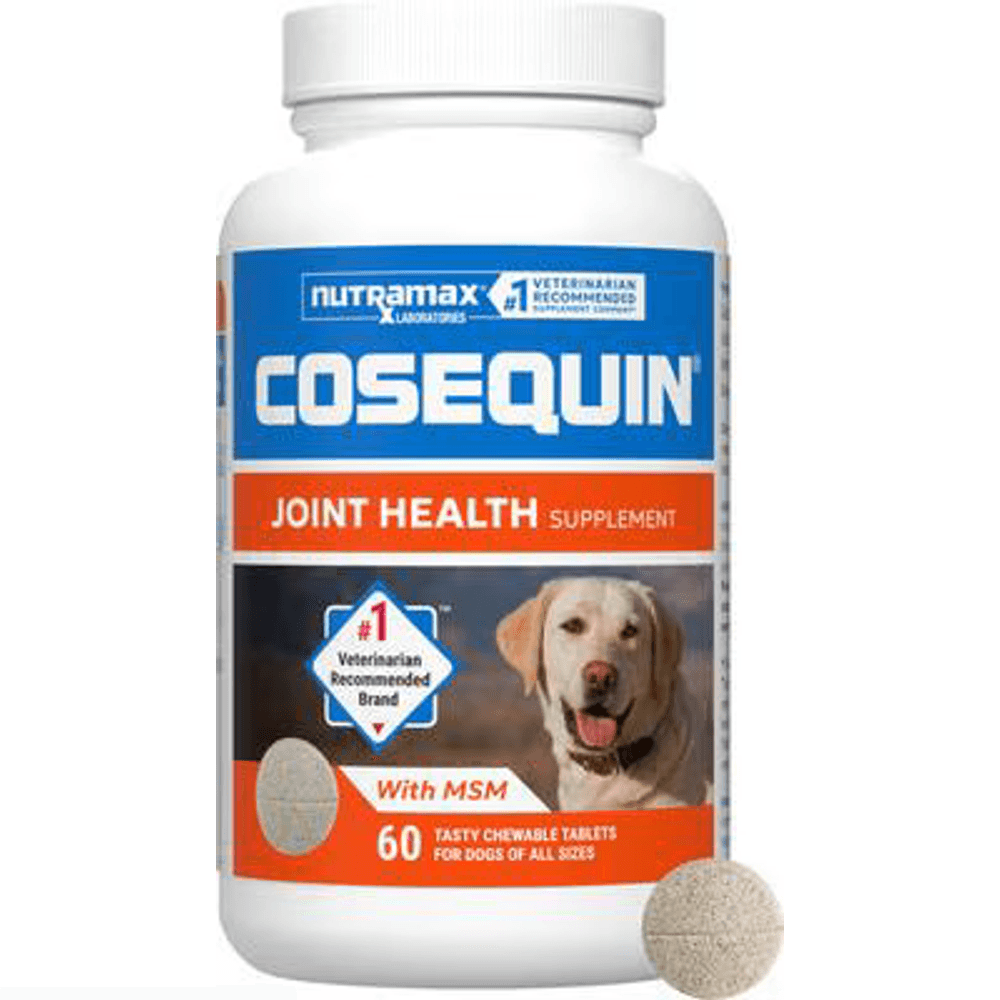
The number-one veterinarian-recommended joint supplement brand. Glucosamine, chondroitin, and MSM support cartilage and cushion the joints, easing the stiffness and hind-end weakness that can leave an older or arthritic dog trembling.
Webvet may earn a commission when you click through to Chewy, at no extra cost to you.
Common Brands
Metacam, Meloxidyl, Loxicom
Drug Class
Nonsteroidal anti inflammatory drug (NSAID)
Substance Classification
Not a controlled medication
Generic Status
Generic widely available
Availability
Over the counter
Available forms
Meloxicam for Dogs and Cats Dosage Forms
Meloxicam for pets is most commonly sold as oral suspensions for dogs, low dose oral solutions for cats, and injectable solutions used by veterinarians. Concentrations are usually 1.5 mg per mL for dog oral suspensions and 5 mg per mL for injections.
Compare coverage choices for your pet, then request a quote directly on Lemonade.
- Check a price for your pet
- Review available coverage choices
- See the terms before you decide
Eligibility, waiting periods, limits and exclusions apply.
Webvet may earn a commission when you click through to Lemonade, at no extra cost to you.
Oral Suspension
| Qty/Size | Price as low as | Price per unit |
|---|---|---|
| 10 mL | $22.00 | $2.20 |
| 32 mL | $95.70 | $3.00 |
| 100 mL | $120.00 | $1.20 |
Tablet Form
| Qty/Size | Price as low as | Price per unit |
|---|---|---|
| 30 pcs | $7.00 | $0.23 |
Injectable Form
| Qty/Size | Price as low as | Price per unit |
|---|---|---|
| 10 mL | $77.00 | $7.70 |
Typical Dosing For Meloxicam for Dogs and Cats
Meloxicam dosing must always be set by a veterinarian based on the pet’s weight, health status, and other medications. Product labels for dog oral suspensions generally recommend:
- An initial dose of about 0.2 mg per kg (0.09 mg per lb) of body weight on the first day.
- A maintenance dose of about 0.1 mg per kg (0.045 mg per lb) once daily after that. Valley Vet Supply+1
Cats typically receive short term dosing only, usually for a few days, and at lower total exposure, due to higher sensitivity to NSAIDs. Always follow your vet’s directions exactly.
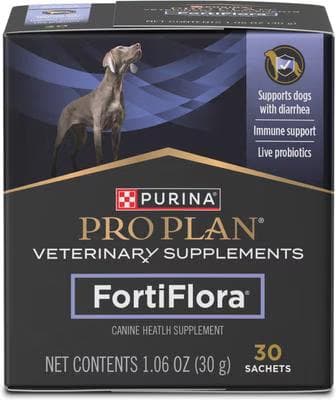
The #1 vet-recommended probiotic for dogs. Daily powder sachets with live probiotics support healthy digestion and firmer stools, and can help dogs coping with diarrhea or GI upset.
Webvet may earn a commission when you click through to Chewy, at no extra cost to you.
Oral Suspension
| Group | Typical Dose | Notes |
|---|---|---|
| Dogs (all sizes) | Initial dose around 0.2 mg per kg on day 1, then about 0.1 mg per kg once daily. | Dose is measured using a marked syringe or dropper based on body weight. Vet may adjust dose or frequency for long term use. |
| Cats (all sizes) | Short courses at low doses as directed by the veterinarian only. | In many regions, meloxicam use in cats is more restricted and often limited to very short term pain control. Do not give extra doses without veterinary approval. |
Injectable Form
| Group | Typical Dose | Notes |
|---|---|---|
| Dogs and Cats (clinic use) | Single or short series of doses given by the vet, often just before surgery or during hospitalization. | Used for perioperative and acute pain . Your vet may then switch your pet to an oral suspension for continued care. |
Reported side effects
Risks and Warnings for Meloxicam for Dogs and Cats
Meloxicam is usually well tolerated, but like all NSAIDs it carries a risk of side effects, especially if overdosed, combined with other NSAIDs or steroids, or given to pets with underlying health problems.
In clinical use for chronic osteoarthritis in dogs, side effects were described as minimal in extent and duration, and most dogs accepted the medication without problems. Meloxicam has also been described as having favorable gastrointestinal tolerance compared to some older NSAIDs. Meloxicam
However, NSAIDs can affect the stomach, intestines, kidneys, and liver. For this reason, many veterinarians will recommend bloodwork before and during long term NSAID therapy, and may combine meloxicam with H2 blockers or other stomach protectants if needed.
Possible Side Effects
- Vomiting
- Diarrhea
- Loss of appetite
- Lethargy or low energy
- Possible changes in kidney or liver values with long term or inappropriate use
If these occur, the medication is often stopped and your veterinarian should be contacted right away.
Webvet may earn a commission when you click through to Chewy, at no extra cost to you.
Meloxicam for Dogs and Cats Warnings and Precautions
Use meloxicam only as prescribed and monitor your pet for any changes.
- Do not use in pets with known meloxicam or NSAID allergies.
- Do not combine meloxicam with other NSAIDs or steroids unless your vet instructs you to.
- Use caution in pets with kidney, liver, or gastrointestinal disease.
- Use caution in very young, very old, pregnant, or nursing animals.
- Stop the drug and contact your vet if you see vomiting, diarrhea, black or bloody stools, severe lethargy, or changes in drinking and urination.
Disclaimer: This information is for educational purposes only and should not replace professional veterinary advice. Always consult your veterinarian before using or combining any medications for your pet.
Frequently Asked Questions (FAQ)
How long does it take for meloxicam to start helping my dog?
Many dogs show
noticeable improvement in pain and stiffness within a few days
, especially with osteoarthritis. Some dogs may show changes even sooner, but long term use is often needed to maintain comfort.
Can cats take meloxicam safely?
Cats can use meloxicam for
short term pain relief only
, and at carefully controlled doses. Because cats are more sensitive to NSAIDs, meloxicam for cats should
never
be used without direct veterinary guidance.
Is meloxicam better than carprofen for dogs?
Studies show that
both meloxicam and carprofen are effective NSAIDs
for canine osteoarthritis. Current evidence does not clearly prove that one is always better than the other, so vets choose based on the individual dog and their response.
Can I give my dog meloxicam made for humans?
No. Human meloxicam tablets are
not labeled for dogs or cats
, and the doses are very different. Giving human meloxicam to a pet can easily lead to overdose and serious side effects.
What should I do if my pet vomits after taking meloxicam?
Stop the medication and
contact your veterinarian promptly
, especially if vomiting continues, if there is blood in the vomit or stool, or if your pet seems weak, painful, or unusually quiet.
$65 · no membershipNeed a prescription for Meloxicam?
A licensed vet can assess your pet over video and prescribe Meloxicam online when it's appropriate.
Talk to a vet- Licensed vets
- All 50 states
- same-day Rx
Webvet may earn a commission if you book.

Editor
The Webvet Editorial Team is the in-house group of pet-care editors and writers behind Webvet, operated by Smart Pet Collective. The team researches, writes, and maintains Webvet's pet health, behavior, and medication content. Every article follows a defined editorial process: research from reputable veterinary and scientific sources, careful drafting, mandatory review of medical content by a credentialed veterinarian, and dated publication. Health and medication articles are medically reviewed by a licensed veterinary professional before they go live and are kept current over time.
Veterinarian · BVMS MRCVS
Dr. Pippa Elliott, BVMS, MRCVS, is a veterinarian with nearly 30 years of experience in companion animal practice. Dr. Elliott earned her Bachelor of Veterinary Medicine and Surgery from the University of Glasgow. She was also designated a Member of the Royal College of Veterinary Surgeons. Married with 2 grown-up kids, Dr. Elliott has a naughty Puggle named Poggle, 3 cats and a bearded dragon.


