Glucosamine for Dogs and Cats

BVMS MRCVS
Medically reviewed by Dr. Pippa Elliott, BVMS MRCVS · Last reviewed

Drug facts
Glucosamine
Glucosamine is an over-the-counter joint supplement for dogs and cats used to support cartilage health, reduce inflammation, and help manage the symptoms of osteoarthritis. It is often combined with chondroitin, MSM, or other joint-support ingredients.
Treats
 $65 · no membership
Need a prescription for Glucosamine?
A licensed vet can assess your pet over video and prescribe Glucosamine online when it's appropriate.
 Talk to a vet
- Licensed vets
- All 50 states
- same-day Rx
Webvet may earn a commission if you book.
What is Glucosamine for Dogs and Cats
Overview
Glucosamine is a joint supplement commonly used in dogs and cats to support cartilage health, reduce inflammation, and help manage the symptoms of osteoarthritis. It is often combined with chondroitin, MSM, or herbal ingredients to improve comfort and mobility in pets with chronic joint issues.
Glucosamine is a joint supplement commonly used in dogs and cats to support cartilage health, reduce inflammation, and help manage the symptoms of osteoarthritis. It is often combined with chondroitin, MSM, or herbal ingredients to improve comfort and mobility in pets with chronic joint issues.
Explore more joint and mobility medications in our Mobility section.
What Is Glucosamine for Dogs and Cats Used For
| Condition | Notes |
|---|---|
| Osteoarthritis | Most common use; helps support cartilage and reduce joint discomfort. |
| Hip or elbow dysplasia | Helps maintain joint health alongside other treatments. |
| Post-injury recovery | Supports tissue repair in healing joints. |
| Age-related stiffness | Helps senior pets maintain mobility. |
| Feline joint degeneration | Used for supportive care in cats with early or mild arthritis. |
| Idiopathic cystitis in cats | N-acetyl-D-glucosamine may support bladder lining health. |
How Glucosamine for Dogs and Cats Works
Glucosamine provides building blocks for cartilage repair and may reduce inflammation in the joints. It supports the creation of glycosaminoglycans and hyaluronic acid, which help cushion joints and maintain normal fluid consistency. Chondroitin, often paired with glucosamine, adds further protection by reducing cartilage breakdown.
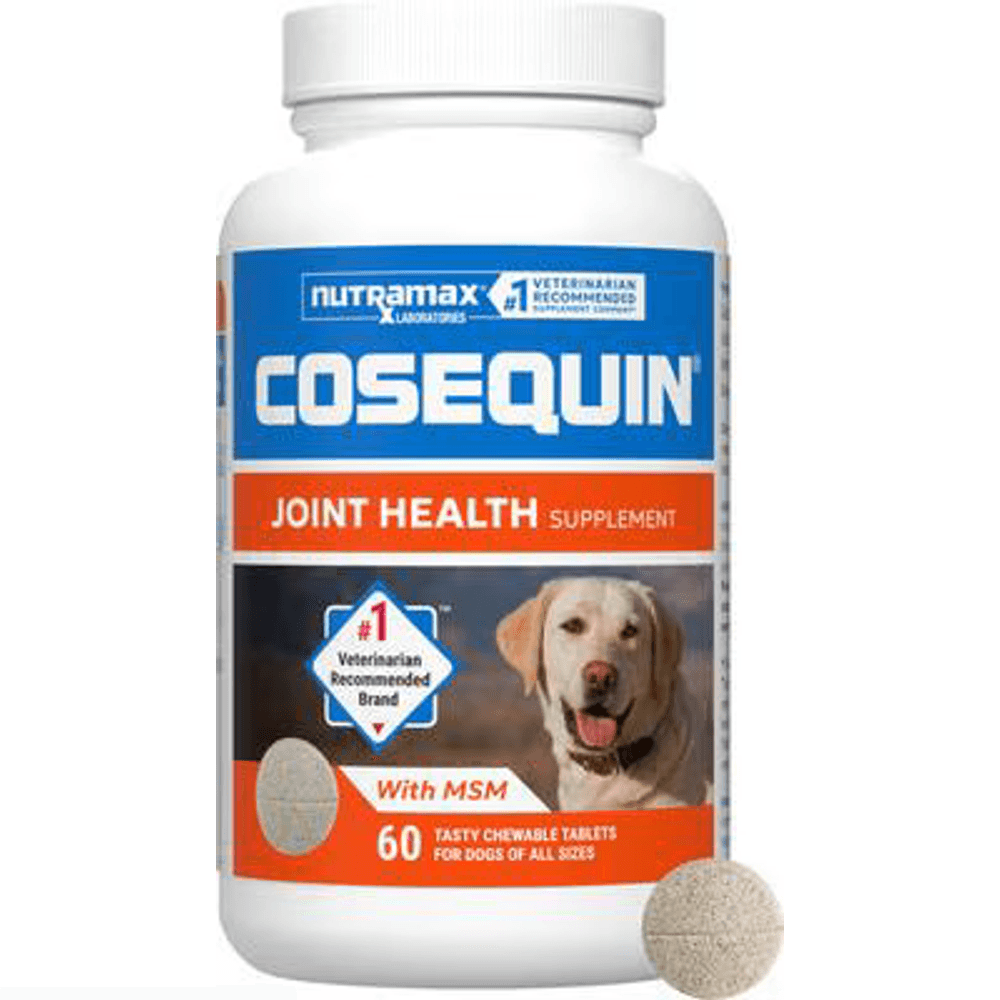
The number-one veterinarian-recommended joint supplement brand. Glucosamine, chondroitin, and MSM support cartilage and cushion the joints, easing the stiffness and hind-end weakness that can leave an older or arthritic dog trembling.
Webvet may earn a commission when you click through to Chewy, at no extra cost to you.
Drug Facts
Glucosamine is a nutritional supplement, not a medication, and is often combined with chondroitin sulfate, MSM, hyaluronic acid, green-lipped mussel, or botanical extracts. It supports long-term joint health and is usually taken daily.
Common Brands
Dasuquin, Cosequin, Glycoflex
Drug Class
Nutritional supplement
Substance Classification
Not a controlled medication
Generic Status
Generic widely available
Availability
Over the counter
Available forms
Glucosamine for Dogs and Cats Dosage Forms
Glucosamine is available in tablets, soft chews, capsules, powders, and liquids. Many veterinary supplements combine glucosamine with chondroitin sulfate and other joint-support ingredients. Dogs usually take it once daily. Cats often receive N-acetyl-D-glucosamine or specially flavored feline formulations.
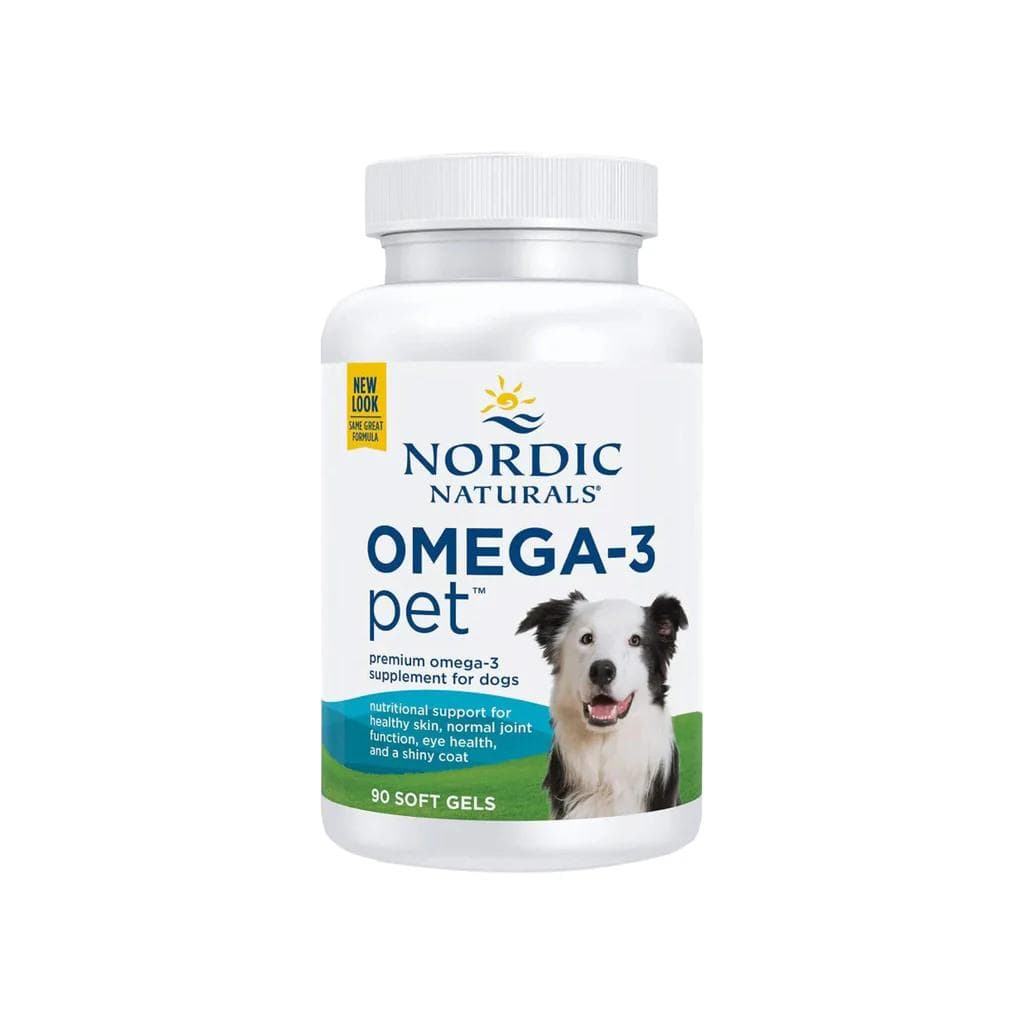
Third-party-tested omega-3 softgels (EPA and DHA) that support skin, coat, and joint health in dogs. Fish oil is one of the first things many vets suggest for a dull, dry, or flaky coat.
Webvet may earn a commission when you click through to Chewy, at no extra cost to you.
Chewable (60 pcs)
| Qty/Size | Price as low as | Price per unit |
|---|---|---|
| 500 mg | $15.00 | $0.25 |
| 1000 mg | $22.00 | $0.36 |
Soft chews (combined supplements)
| Qty/Size | Price as low as | Price per unit |
|---|---|---|
| 60 chews | $30.00 | $0.50 |
| 120 chews | $48.00 | $0.40 |
Typical Dosing For Glucosamine for Dogs and Cats
Dosing can vary depending on the product and whether other joint ingredients are included. Most supplements recommend daily administration.
Compare coverage choices for your pet, then request a quote directly on Lemonade.
- Check a price for your pet
- Review available coverage choices
- See the terms before you decide
Eligibility, waiting periods, limits and exclusions apply.
Webvet may earn a commission when you click through to Lemonade, at no extra cost to you.
Tablets/Chewables
| Group | Typical Dose | Notes |
|---|---|---|
| Dogs (supplements) | 1 tablet per 10 kg | Tablets often include chondroitin, hyaluronic acid, and herbal extracts. |
| Dogs (Osteoarthritis) | 30 mg/kg once daily | Common dose used in clinical studies. |
| Dogs (maintenance dosing) | Half of loading dose | Used after 4 to 6 weeks of initial therapy. |
| Cats (feline joint support) | Varies by product | Often mixed with food; veterinary capsules also available. |
Reported side effects
Risks and Warnings for Glucosamine for Dogs and Cats
Glucosamine is considered very safe for dogs and cats. Side effects are uncommon and usually mild when they do occur. Digestive upset such as soft stool, mild diarrhea, or vomiting may appear when starting the supplement. Most pets tolerate glucosamine long term without any issues.
Studies have shown that both glucosamine and chondroitin sulfate are well tolerated, with no major changes in bloodwork or overall health during long-term use. Even multi-ingredient supplements containing glucosamine have shown excellent safety profiles in clinical trials. Glucosamine
In rare cases, pets allergic to shellfish may react to shellfish-derived glucosamine. Owners should choose synthetic or shellfish-free formulations for these pets.
Glucosamine for Dogs and Cats Warnings and Precautions
Use glucosamine supplements responsibly and as directed.
- Do not use in pets with known shellfish allergies unless using a shellfish-free formula.
- Stop use if vomiting, diarrhea, or loss of appetite develops.
- Consult your vet before using glucosamine in pregnant or nursing pets.
- Results may take several weeks to become noticeable.
- Always check dosing instructions, especially with multi-ingredient supplements.
Disclaimer: This information is for educational purposes only and should not replace professional veterinary advice. Always consult your veterinarian before using or combining any medications for your pet.
Frequently Asked Questions (FAQ)
How long does prednisone take to work?
Most pets show improvement within 24 to 48 hours.
Can prednisone be used long term?
Yes, but only at the lowest effective dose and under regular veterinary monitoring.
Why must prednisone be tapered?
Stopping suddenly can cause adrenal gland failure, which is life-threatening.
Can prednisone cause behavior changes?
Yes. Increased restlessness, hunger, vocalizing, or pacing are common.
Is prednisone safe for cats?
Cats usually receive
prednisolone
because they cannot convert prednisone efficiently.
Related Medications & Supplements
Dogs taking glucosamine for joint support or arthritis pain may also benefit from other therapies that reduce inflammation, improve mobility, or provide additional pain relief. These commonly used medications and supplements can complement joint-health treatment plans.
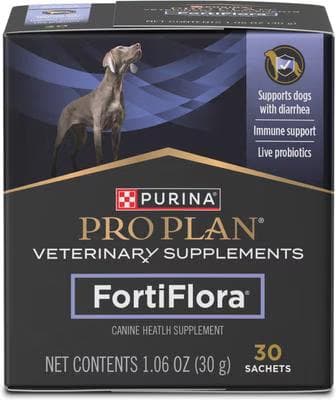
The #1 vet-recommended probiotic for dogs. Daily powder sachets with live probiotics support healthy digestion and firmer stools, and can help dogs coping with diarrhea or GI upset.
Webvet may earn a commission when you click through to Chewy, at no extra cost to you.
- Carprofen – NSAID used to reduce joint inflammation and improve mobility
- Meloxicam – alternative NSAID for chronic arthritis pain
- Piroxicam – NSAID sometimes used for long-term inflammation control
- Tramadol– pain reliever often added for moderate to severe arthritis discomfort
- Gabapentin– helpful for chronic or neuropathic pain commonly associated with long-standing joint disease
- Amantadine– pain-modulating medication used when arthritis pain is difficult to manage with NSAIDs alone
- Omega-3 fatty acids– natural anti-inflammatory supplement shown to support joint health
- Fish oil– common omega-3 source used with joint supplements to enhance mobility
- Eicosaderm– concentrated omega-3 supplement for chronic inflammation
References
- Kampa, N., et al. (2023) Study of the effectiveness of glucosamine and chondroitin sulfate, marine based fatty acid compounds (PCSO-524 and EAB-277), and carprofen for the treatment of dogs with hip osteoarthritis: A prospective, block-randomized, double-blinded, placebo-controlled clinical trial’, Frontiers in Veterinary Science, 10, 1033188. Available at: https://pmc.ncbi.nlm.nih.gov/articles/PMC9929184/
- Martello, E., et al. (2022) ‘Efficacy of a dietary supplement in dogs with osteoarthritis: A randomized placebo-controlled, double-blind clinical trial’, PLOS One, 17(2): e026397. Available at: https://journals.plos.org/plosone/article?id=10.1371/journal.pone.0263971
- McCarthy, G., et al. (2007) ‘Randomised double-blind, positive-controlled trial to assess the efficacy of glucosamine/chondroitin sulfate for the treatment of dogs with osteoarthritis’, The Veterinary Journal, 174(1), pp. 54-61. Available at: https://www.sciencedirect.com/science/article/abs/pii/S1090023306000554
- Davies, M. (2017) ‘Glucosamine and chondroitin in managing canine and feline osteoarthritis’, Vet Times. Available at: https://www.vettimes.com/news/vets/small-animal-vets/glucosamine-and-chondroitin-in-managing-canine-and-feline-oa
- Fernandez-Martin, S., et al. (2021) ‘Glucosamine and Chondroitin Sulfate: Is There Any Scientific Evidence for Their Effectiveness as Disease-Modifying Drugs in Knee Osteoarthritis Preclinical Studies?—A Systematic Review from 2000 to 2021’, Animals, 11(6), 1608. Available at: https://www.mdpi.com/2076-2615/11/6/1608
$65 · no membershipNeed a prescription for Glucosamine?
A licensed vet can assess your pet over video and prescribe Glucosamine online when it's appropriate.
Talk to a vet- Licensed vets
- All 50 states
- same-day Rx
Webvet may earn a commission if you book.

Editor
The Webvet Editorial Team is the in-house group of pet-care editors and writers behind Webvet, operated by Smart Pet Collective. The team researches, writes, and maintains Webvet's pet health, behavior, and medication content. Every article follows a defined editorial process: research from reputable veterinary and scientific sources, careful drafting, mandatory review of medical content by a credentialed veterinarian, and dated publication. Health and medication articles are medically reviewed by a licensed veterinary professional before they go live and are kept current over time.
Veterinarian · BVMS MRCVS
Dr. Pippa Elliott, BVMS, MRCVS, is a veterinarian with nearly 30 years of experience in companion animal practice. Dr. Elliott earned her Bachelor of Veterinary Medicine and Surgery from the University of Glasgow. She was also designated a Member of the Royal College of Veterinary Surgeons. Married with 2 grown-up kids, Dr. Elliott has a naughty Puggle named Poggle, 3 cats and a bearded dragon.


