Eicosaderm for Dogs

BVMS MRCVS
Medically reviewed by Dr. Pippa Elliott, BVMS MRCVS · Last reviewed

Drug facts
Eicosaderm
Eicosaderm is a veterinary omega-3 nutritional supplement providing a concentrated, high-purity source of EPA. It is used in dogs and cats for itchy skin, allergies, joint stiffness, inflammation, and skin/coat conditions, and to support cardiovascular health.
Treats
 $65 · no membership
Need a prescription for Eicosaderm?
A licensed vet can assess your dog over video and prescribe Eicosaderm online when it's appropriate.
 Talk to a vet
- Licensed vets
- All 50 states
- same-day Rx
Webvet may earn a commission if you book.
What Is Eicosaderm for Dogs
Overview
Eicosaderm is a premium omega-3 supplement formulated primarily with EPA, the omega-3 best known for helping reduce inflammation in the body. It is often used for dogs and cats with itchy skin, allergies, joint stiffness, inflammation, or chronic illnesses that improve with EPA support.
Unlike typical pet fish oils that contain a mix of EPA and DHA, Eicosaderm provides a high-purity form of EPA, similar to prescription-level EPA used in human medicine. This makes its effects more consistent and predictable while avoiding DHA-related increases in LDL cholesterol seen in some products. Eicosaderm
Eicosaderm is commonly recommended by veterinarians for pets who need stronger omega-3 support than standard fish oils provide, especially for skin, coat, and inflammatory conditions.
Explore more skin-related medications in our Dermatology section.
What Is Eicosaderm for Dogs Used For
Eicosaderm delivers EPA, which becomes part of the pet’s cell membranes. This reduces the production of inflamed lipids, lowers triglycerides, supports heart and vascular health, and improves the skin’s natural barrier. EPA also helps regulate immune responses and reduce harmful inflammatory chemicals in the body.
| Condition | Notes |
|---|---|
| Skin allergies & itching | Helps reduce inflammation and improve coat quality. |
| Dry, flaky, or irritated skin | Strengthens the skin barrier and moisture balance. |
| Joint stiffness or arthritis | EPA lowers inflammatory markers linked to joint pain. |
| Inflammation throughout the body | EPA-only oils strongly reduce inflammatory lipids. |
| Heart health support | EPA aids circulation and cardiovascular stability. |
| Metabolic or chronic conditions | Helps lower triglycerides and inflammatory markers. |
Drug Facts
Eicosaderm is a veterinary omega-3 nutritional supplement containing a concentrated source of EPA, an essential fatty acid. It helps reduce inflammation, support cardiovascular health, and improve conditions related to poor skin, coat, and joint function. EPA-only supplements provide benefits similar to purified human EPA products while remaining safe for pets when dosed properly.
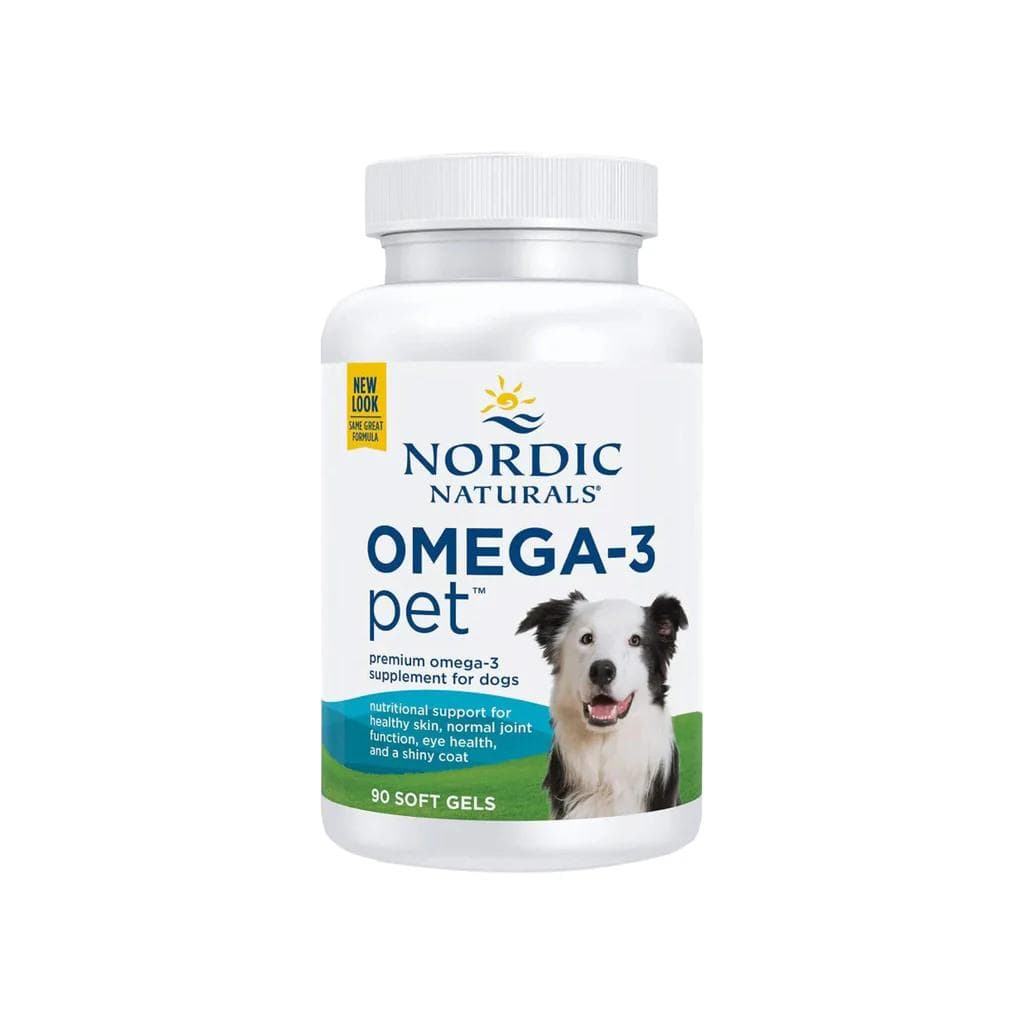
Third-party-tested omega-3 softgels (EPA and DHA) that support skin, coat, and joint health in dogs. Fish oil is one of the first things many vets suggest for a dull, dry, or flaky coat.
Webvet may earn a commission when you click through to Chewy, at no extra cost to you.
Common Brands
Eicosaderm®, EPA-only omega-3
Drug Class
Omega-3 fatty acid supplement (EPA-focused)
Substance Classification
Not a controlled medication
Generic Status
Multiple EPA-only veterinary oils available
Availability
Clinics and pet retailers
Available forms
Eicosaderm for Dogs Dosage Forms
Eicosaderm typically comes as a liquid pump bottle, making it easy to measure and add to food. EPA-only oils are often available in 4 oz, 8 oz, and 16 oz bottles. These liquids allow precise dosing based on a pet’s weight.
Compare coverage choices for your pet, then request a quote directly on Lemonade.
- Check a price for your pet
- Review available coverage choices
- See the terms before you decide
Eligibility, waiting periods, limits and exclusions apply.
Webvet may earn a commission when you click through to Lemonade, at no extra cost to you.
Most products are flavored to improve palatability and come with calibrated pumps for convenient measurement.
Liquid EPA Pump Bottles
| Qty/Size | Price as low as | Price per unit |
|---|---|---|
| 4 oz | $21.99 | $5.50 |
| 8 oz | $32.99 | $4.12 |
| 16 oz | $54.99 | $3.43 |
Typical Dosing for Eicosaderm for Dogs
Eicosaderm dosing is based on a pet’s weight and the amount of EPA (mg) needed. Dogs and cats usually receive EPA in the range of 20–70 mg/kg/day, depending on whether the goal is skin support, joint support, or general inflammation control.
Doses are typically measured using the pump dispenser included with the bottle.
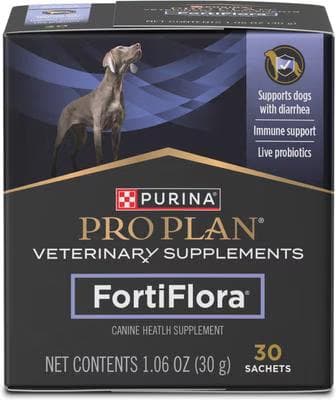
The #1 vet-recommended probiotic for dogs. Daily powder sachets with live probiotics support healthy digestion and firmer stools, and can help dogs coping with diarrhea or GI upset.
Webvet may earn a commission when you click through to Chewy, at no extra cost to you.
Liquid EPA Dosage (Dogs & Cats)
| Group | Typical Dose | Notes |
|---|---|---|
| Dogs – skin & coat | 20–40 mg/kg/day EPA | Supports allergies and skin moisture. |
| Dogs – arthritis & inflammation | 40–70 mg/kg/day EPA | Higher range for joint comfort. |
| Cats | 10–25 mg/day depending on bottle instructions | Start small; cats are sensitive to taste. |
| Senior pets | Vet-adjusted | Often used for chronic inflammation. |
Reported side effects
Risks and Warnings for Eicosaderm for Dogs
Eicosaderm is generally very safe, but like other omega-3 supplements, it can cause mild digestive upset or changes in stool when first introduced. Higher EPA doses may affect platelet function, so caution is required for pets with bleeding disorders or those taking blood thinners.
Common Side Effects
- Soft stool or diarrhea
- Fishy breath
- Mild stomach upset
Less Common but Possible
- Joint discomfort (rare)
- Nosebleeds or bruising (very uncommon; usually linked to very high doses)
- Fish allergies (rare but possible)
EPA-only oils are less likely to cause LDL cholesterol changes compared to DHA-containing fish oils.
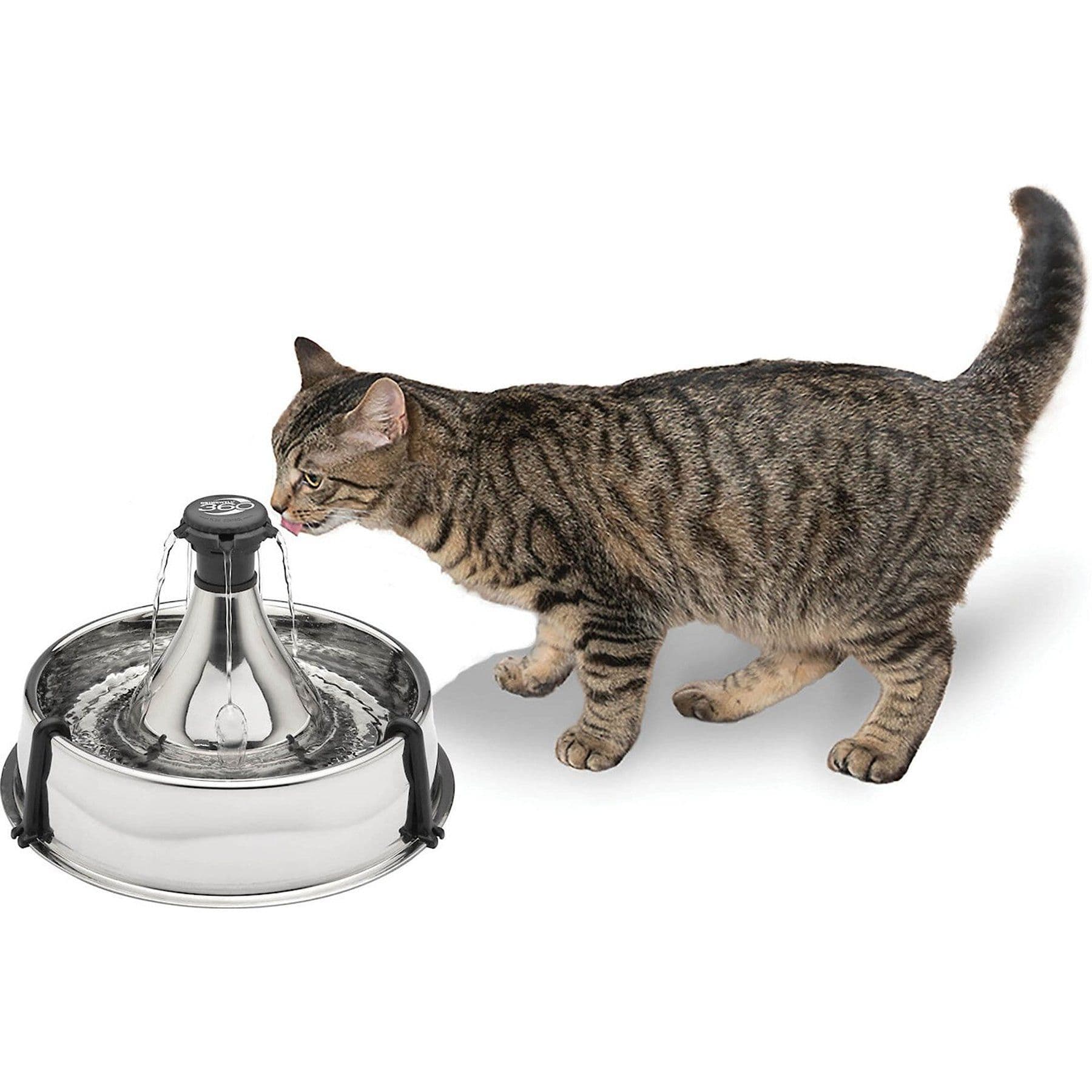
Webvet may earn a commission when you click through to Chewy, at no extra cost to you.
Eicosaderm for Dogs Warnings and Precautions
Use Eicosaderm carefully and follow all dosing instructions.
- Do not exceed recommended amounts.
- Use caution with blood thinners or bleeding disorders.
- Introduce slowly to avoid stomach upset.
- Stop use if vomiting, diarrhea, or lethargy occurs.
- Discuss use if your pet is having surgery.
- Store away from pets who may chew the bottle.
Disclaimer: This information is for educational purposes only and should not replace professional veterinary advice. Always consult your veterinarian before using or combining any medications for your pet.
Frequently Asked Questions (FAQ)
What does Eicosaderm help with?
It supports
skin health
, reduces
itching
, improves
coat quality
, and helps with inflammation and joint stiffness.
How long does it take for Eicosaderm to work?
Most pets show improvement in
4–12 weeks
, especially for skin and joint benefits.
Can dogs and cats both use Eicosaderm?
Yes, Eicosaderm is formulated for
both dogs and cats
, but cats may require smaller doses.
Is Eicosaderm the same as regular fish oil?
No. It is
EPA-only
, highly purified, and more consistent than typical fish oils that mix EPA and DHA.
Is Eicosaderm safe to mix with medications?
Often yes, but caution is needed with
blood thinners
or
NSAIDs
. Always ask your vet first.
$65 · no membershipNeed a prescription for Eicosaderm?
A licensed vet can assess your dog over video and prescribe Eicosaderm online when it's appropriate.
Talk to a vet- Licensed vets
- All 50 states
- same-day Rx
Webvet may earn a commission if you book.

Editor
The Webvet Editorial Team is the in-house group of pet-care editors and writers behind Webvet, operated by Smart Pet Collective. The team researches, writes, and maintains Webvet's pet health, behavior, and medication content. Every article follows a defined editorial process: research from reputable veterinary and scientific sources, careful drafting, mandatory review of medical content by a credentialed veterinarian, and dated publication. Health and medication articles are medically reviewed by a licensed veterinary professional before they go live and are kept current over time.
Veterinarian · BVMS MRCVS
Dr. Pippa Elliott, BVMS, MRCVS, is a veterinarian with nearly 30 years of experience in companion animal practice. Dr. Elliott earned her Bachelor of Veterinary Medicine and Surgery from the University of Glasgow. She was also designated a Member of the Royal College of Veterinary Surgeons. Married with 2 grown-up kids, Dr. Elliott has a naughty Puggle named Poggle, 3 cats and a bearded dragon.


