Welactin for Dogs

BVMS MRCVS
Medically reviewed by Dr. Pippa Elliott, BVMS MRCVS · Last reviewed

Drug facts
Welactin
Welactin is an over-the-counter omega-3 supplement made from coldwater fish, providing concentrated EPA and DHA to support skin and coat, joint, heart, and kidney health and to help control inflammation in dogs and cats.
Treats
 $65 · no membership
Need a prescription for Welactin?
A licensed vet can assess your pet over video and prescribe Welactin online when it's appropriate.
 Talk to a vet
- Licensed vets
- All 50 states
- same-day Rx

Webvet may earn a commission if you book.
What is Welactin
Overview
Welactin for dogs is an over the counter supplement made from coldwater fish and rich in omega 3 fatty acids EPA and DHA, commonly used to support skin and coat health, joint health, heart function, kidney function, and overall inflammation control in dogs. It is frequently recommended for dogs with skin allergies, arthritis, and other chronic inflammatory conditions, and it may also support cognitive health in senior dogs. Veterinarians sometimes use similar omega 3 supplements in cats for related benefits, including skin allergies, arthritis, and kidney disease. Some improvement may be seen within a few weeks, but full benefits usually develop over 12 to 16 weeks as omega 3 levels reach a steady state in the body.
Explore more skin-related medications in our Dermatology section.
What Is Animax Ointment for Dogs Used For
| Condition | Notes |
|---|---|
| Arthritis and Joint Pain | Welactin provides EPA and DHA that help ease joint inflammation and can improve comfort in dogs with arthritis. |
| Skin Allergies and Itchy Skin | Often recommended for dogs with dry or irritated skin. Welactin helps calm skin inflammation and supports a healthier coat. |
| Kidney Disease | May assist dogs with kidney issues by helping reduce inflammation and supporting more stable kidney function. |
| Heart Support | Helps maintain normal heart rhythm and supports healthier blood fat levels. |
| Cognitive Health | DHA in Welactin can help support brain function in senior dogs and promote overall mental clarity. |
| Inflammatory Conditions | Used to help manage chronic inflammatory problems that benefit from increased omega 3 intake. |
| Digestive Issues | May assist dogs with inflammatory bowel disease by promoting calmer digestion. |
| Immune and Wellness Support | Sometimes used alongside long term care plans to support immune balance and overall wellness. |
How Welactin Works
Welactin provides concentrated EPA and DHA, two omega 3 fatty acids that help regulate inflammation throughout the body. Unlike medications that directly block symptoms, Welactin works by supporting healthier inflammatory pathways and improving how cells respond to irritation and immune activity. EPA and DHA gradually replace some omega 6 fatty acids in cell membranes, which helps lower the production of cytokines and other chemicals that trigger inflammation. This process can help calm itchy skin, ease joint discomfort, support heart and kidney function, and promote overall wellness in dogs. Some benefits may be noticed within a few weeks, but the full effect develops as omega 3 levels build up steadily in the body.
Drug Facts
Welactin for dogs and cats is an over the counter omega 3 supplement that provides concentrated EPA and DHA from coldwater fish to support healthier inflammatory responses in both dogs and cats. These fatty acids make Welactin useful for pets with arthritis, skin allergies, kidney disease, heart disease, and other chronic conditions that benefit from added omega 3 intake. It is typically given once daily in liquid or softgel form and can be mixed into food for easy dosing. Because supplements are not regulated as strictly as medications, veterinarians recommend choosing products like Welactin that clearly list EPA and DHA amounts and follow quality control standards to ensure purity, potency, and safety.
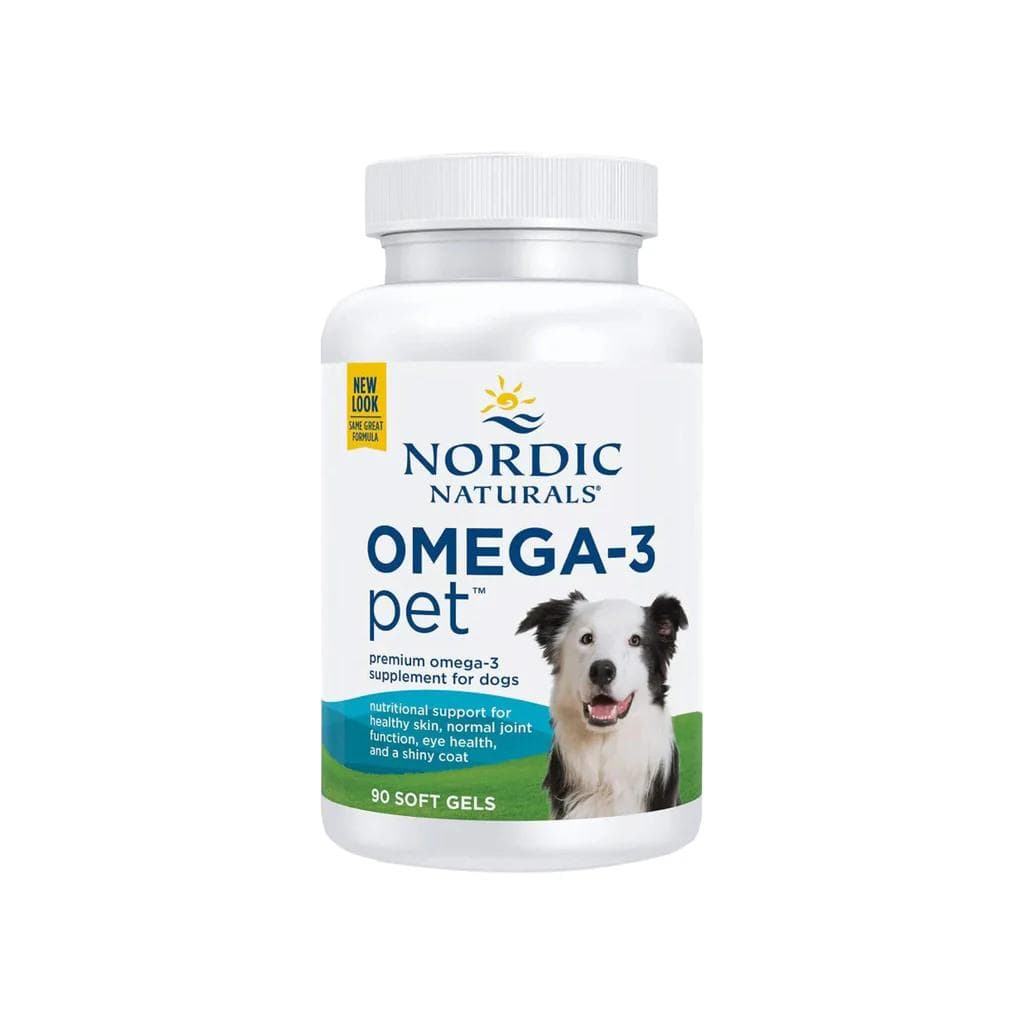
Third-party-tested omega-3 softgels (EPA and DHA) that support skin, coat, and joint health in dogs. Fish oil is one of the first things many vets suggest for a dull, dry, or flaky coat.
Webvet may earn a commission when you click through to Chewy, at no extra cost to you.
Common Brands
Welactin, Welactin Feline
Drug Class
Omega 3 fatty acid supplement
Substance Classification
Not a controlled medication
Generic Status
Omega 3 fatty acids
Availability
Over the counter (OTC)
Available forms
Welactin Dosage Forms
Welactin for dogs and Welactin for cats is available over the counter in liquid and softgel formulations. Because Welactin is a dietary supplement, the concentration of EPA and DHA varies slightly by product size, so dosing is based on the labeled omega 3 content. The liquid pump format is the most common for dogs, while cats often receive smaller volume liquid bottles. Softgels are also available for dogs that prefer capsules over liquid.
Compare coverage choices for your pet, then request a quote directly on Lemonade.
- Check a price for your pet
- Review available coverage choices
- See the terms before you decide
Eligibility, waiting periods, limits and exclusions apply.
Webvet may earn a commission when you click through to Lemonade, at no extra cost to you.
Liquid Welactin
| Qty/Size | Price as low as | Price per unit |
|---|---|---|
| 8 fl oz | $16.00 | $2.00 |
| 16 fl oz | $28.00 | $1.75 |
| 32 fl oz | $45.00 | $1.40 |
Softgels
| Qty/Size | Price as low as | Price per unit |
|---|---|---|
| 60 softgels | $15.00 | $0.25 |
| 120 softgels | $24.00 | $0.20 |
| 240 softgels | $40.00 | $0.17 |
Feline Liquid Welactin
| Qty/Size | Price as low as | Price per unit |
|---|---|---|
| 4 fl oz | $12.00 | $3.00 |
| 8 fl oz | $18.00 | $2.25 |
Typical Dosing For Welactin
Welactin for dogs and cats is dosed according to the amount of EPA and DHA provided per pump or per softgel, since these omega 3 fatty acids are the active components that determine the clinical effect. Most dogs and cats receive Welactin once daily, mixed directly with food. The amount needed varies depending on whether Welactin is being used for routine wellness or for conditions that require higher omega 3 intake, such as allergies, joint disease, or chronic inflammation. Your veterinarian may recommend adjusting the dose based on your pet’s size, health status, and response over time.
Oral Supplement (Liquid Pump or Softgels)
| Group | Severity | Notes |
|---|---|---|
| Dogs and Cats | Daily Wellness Support | Usually provides the equivalent of 50 to 100 mg/kg of combined EPA and DHA each day. |
| Dogs and Cats | Skin Allergies, Joint Stiffness, Kidney Support | Many pets require higher omega 3 intake, often reaching up to 150 to 220 mg/kg of EPA and DHA per day, guided by a veterinarian. |
| Dogs | Mobility Care and Senior Support | Some dogs with chronic joint disease may be directed to higher therapeutic levels based on veterinary recommendations. |
| Cats | Chronic Inflammatory Conditions | Cats often need a slightly higher mg/kg intake than dogs, and the exact amount is typically determined individually by a veterinarian. |
Important Note: Welactin dosage should always be calculated using the EPA and DHA amounts listed on the Welactin label, not the volume of oil. Because omega 3 supplements vary in concentration, dosing by EPA and DHA ensures consistency. Large overdoses can cause digestive upset or weight gain, so veterinary guidance is recommended when higher dosing levels are used.
Reported side effects
Risks and Warnings for Welactin
Welactin is widely used and generally safe for both dogs and cats, but not every pet tolerates omega 3 supplements the same way. Because Welactin adds extra fat to the diet and changes inflammatory pathways, some pets may experience unwanted effects, especially when starting the product or when given higher doses. Pets with certain medical conditions may also require closer supervision. Choosing reputable brands and following your veterinarian’s dosing guidance helps reduce these risks.
Digestive Upset and Product Transition Effects
Welactin can cause stomach or intestinal changes in pets who are not accustomed to fish oil or who receive a full dose too quickly.
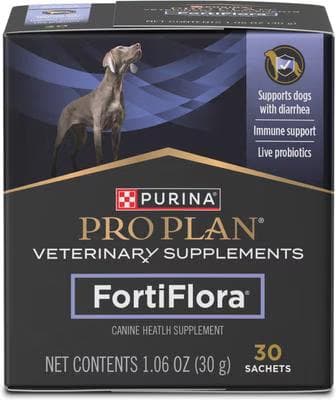
The #1 vet-recommended probiotic for dogs. Daily powder sachets with live probiotics support healthy digestion and firmer stools, and can help dogs coping with diarrhea or GI upset.
Webvet may earn a commission when you click through to Chewy, at no extra cost to you.
- Soft stool, gassiness, or increased bowel movements
- Temporary decrease in appetite when first starting
- Fishy breath or oily residue around the mouth
- Burping or mild abdominal discomfort
Digestive signs are often minimized by introducing Welactin gradually and giving it with a full meal rather than on an empty stomach.
Fat Content Concerns and Metabolic Stress
Because Welactin contributes additional fat calories, some pets may struggle with the metabolic load, especially those with certain health histories.
- Increased calorie intake that can contribute to gradual weight gain
- Difficulty for pets on strict low fat diets
- Potential flare ups in pets with a history of pancreatitis or gallbladder disease
- Reduced tolerance when combined with other fatty supplements or table foods
Pets with strict dietary needs, including those on prescription GI diets, should have Welactin added only under veterinary direction.
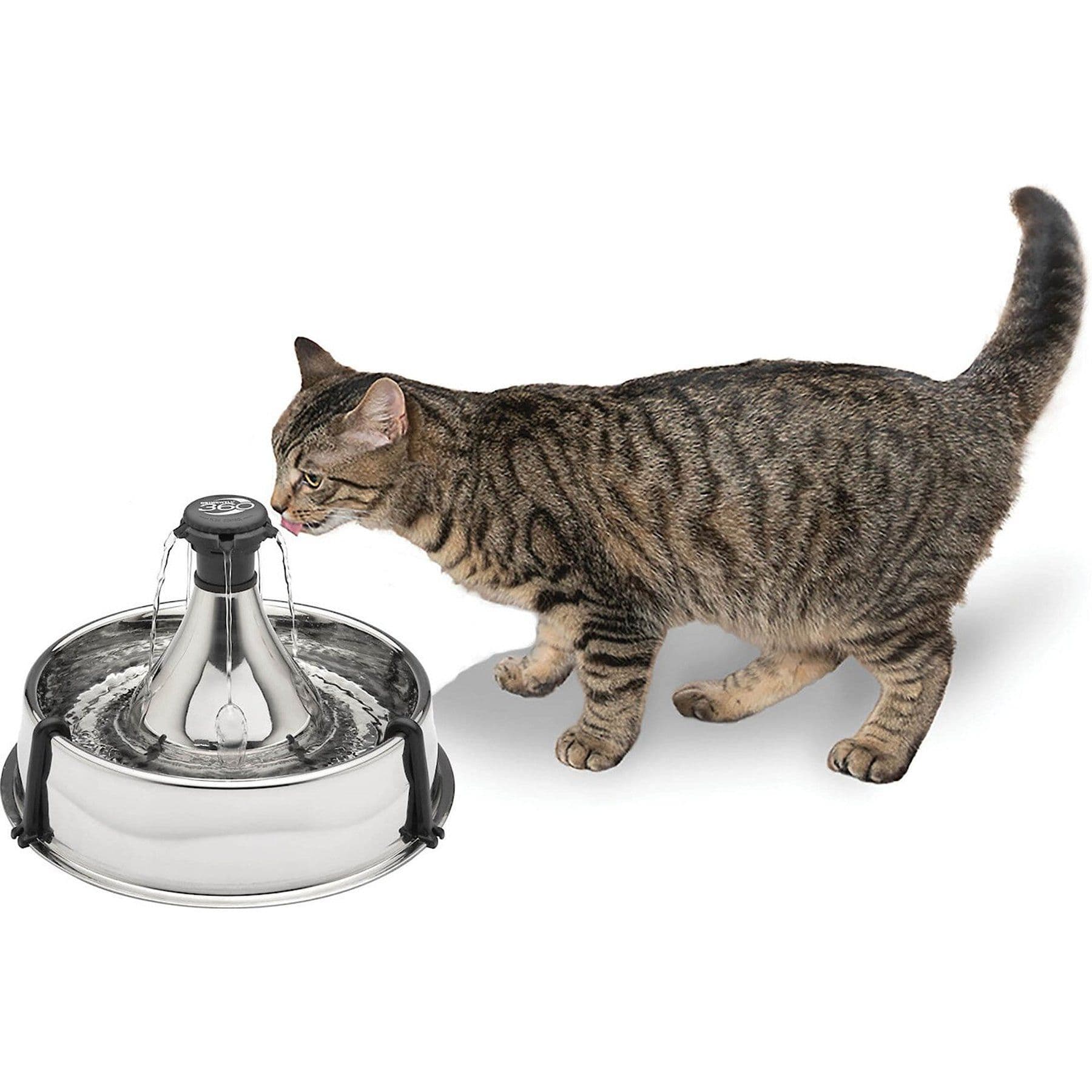
Webvet may earn a commission when you click through to Chewy, at no extra cost to you.
Bleeding Tendency in Sensitive Pets
High levels of omega 3 fatty acids may influence platelet function in certain animals, potentially changing how the blood clots.
- Slightly longer bleeding time after injury
- Increased bruising in rare cases
- Added caution when pets are also receiving anticoagulant or antiplatelet medications
This effect is uncommon at normal doses but should be monitored in pets on blood thinning medications.
Allergic or Sensitivity Reactions
Although uncommon, some pets may react to fish based ingredients or carrier oils.
- Itching around the face or ears
- Red or irritated skin
- Vomiting shortly after administration
- Swelling of the lips or muzzle in rare allergic responses
Any suspected allergic reaction requires discontinuing the supplement and consulting a veterinarian.
Frequently Asked Questions (FAQ)
How much Welactin should I give my dog?
Welactin is typically dosed once daily based on your dog’s weight and the EPA and DHA amounts on the label, so your veterinarian should determine the exact dose.
Does Welactin help allergies in dogs?
Yes, Welactin can help dogs with allergies by reducing skin inflammation and supporting healthier skin barrier function.
Is Welactin the same as fish oil?
Welactin is a veterinary formulated fish oil supplement that provides concentrated EPA and DHA, so it is a type of fish oil but made specifically for pets.
$65 · no membershipNeed a prescription for Welactin?
A licensed vet can assess your pet over video and prescribe Welactin online when it's appropriate.
Talk to a vet- Licensed vets
- All 50 states
- same-day Rx
Webvet may earn a commission if you book.

Editor
The Webvet Editorial Team is the in-house group of pet-care editors and writers behind Webvet, operated by Smart Pet Collective. The team researches, writes, and maintains Webvet's pet health, behavior, and medication content. Every article follows a defined editorial process: research from reputable veterinary and scientific sources, careful drafting, mandatory review of medical content by a credentialed veterinarian, and dated publication. Health and medication articles are medically reviewed by a licensed veterinary professional before they go live and are kept current over time.
Veterinarian · BVMS MRCVS
Dr. Pippa Elliott, BVMS, MRCVS, is a veterinarian with nearly 30 years of experience in companion animal practice. Dr. Elliott earned her Bachelor of Veterinary Medicine and Surgery from the University of Glasgow. She was also designated a Member of the Royal College of Veterinary Surgeons. Married with 2 grown-up kids, Dr. Elliott has a naughty Puggle named Poggle, 3 cats and a bearded dragon.


