Prednisone for Dogs: Side Effects, Dosage, and Tapering
Prednisone treats inflammation, allergies, and immune disease in dogs. Learn which side effects are expected, the dosage tiers, and why tapering is never optional.

BVMS MRCVS
Medically reviewed by Dr. Pippa Elliott, BVMS MRCVS · Last reviewed

Drug facts
Prednisone
Prednisone is a corticosteroid (synthetic steroid converted to prednisolone in the body) used in dogs and cats for allergies, autoimmune disease, skin and respiratory conditions, and as lifelong therapy for Addison's disease.
 $65 · no membership
Need a prescription for Prednisone?
A licensed vet can assess your pet over video and prescribe Prednisone online when it's appropriate.
 Talk to a vet
- Licensed vets
- All 50 states
- same-day Rx
Webvet may earn a commission if you book.
Prednisone for dogs should only be used under a veterinarian-confirmed plan for that animal. Prednisone is a prescription corticosteroid that can reduce inflammation, suppress an overactive immune response, or replace missing steroid hormone. The dose changes dramatically with the job it is being asked to do. Confirm the exact amount and taper with your veterinarian before giving a dose, and never stop a course abruptly unless an emergency veterinarian specifically directs it.
Prednisone Dosage for Dogs and Why Tapering Matters
When considering prednisone for dogs, use the veterinarian-confirmed product and plan for that animal. Prednisone dosage for dogs is calculated from body weight and treatment goal. Cited veterinary guidance supports an anti-inflammatory range of 0.5 to 1 mg/kg once or twice daily, an immunosuppressive range of 1.5 to 2 mg/kg twice daily, and a hormone-replacement range for Addison's disease of 0.05 to 0.2 mg/kg daily. These are veterinary dose tiers, not instructions for choosing a dose at home.
| Treatment goal | Veterinary weight-based tier | Typical context | Safety boundary |
|---|---|---|---|
| Anti-inflammatory treatment | 0.5 to 1 mg/kg once or twice daily | Allergies and inflammatory disease | Veterinarian selects the point in the range and the duration |
| Hormone replacement | 0.05 to 0.2 mg/kg daily | Long-term support for dogs with Addison's disease | Do not change during illness without the dog's written sick-day plan |
| Immunosuppression | 1.5 to 2 mg/kg twice daily | Serious immune-mediated disease | High-dose treatment requires close veterinary monitoring |
| Adrenal crisis treatment | 3 to 10 times the normal physiological dose | Hospital emergency care only | Never calculate or give this emergency treatment at home |
Confirm with your vet before using any row. The same dog's dose can change as the disease improves, worsens, or enters a maintenance phase.

Webvet may earn a commission when you click through to Chewy, at no extra cost to you.

Tablet strengths commonly include 5, 20, and 50 mg, and liquid formulations may be used when a smaller adjustment is needed. The number printed on a tablet identifies its strength, not the correct dose for a dog. A veterinarian first chooses a milligram-per-kilogram tier, considers the dog's condition and other drugs, and then translates that plan into tablets or liquid.
Before the first dose, confirm:
- The dog's current weight.
- The tablet or liquid strength.
- The amount for each dose.
- How often it is given.
- Whether it should be given with food.
- The date or clinical sign that triggers the next taper step.
- What to do if vomiting prevents a dose from staying down.
- Which signs require a same-day call.
What a prednisone taper looks like
A taper is a sequence, not a universal calendar. The veterinarian may reduce the amount per dose, reduce the number of daily doses, move to every-other-day treatment, or use a combination of those steps. The shape depends on the original dose, treatment duration, disease response, and whether the dog is receiving prednisone for immune suppression or hormone replacement.
| Stage | What changes | What the owner watches |
|---|---|---|
| Initial control | Full veterinarian-prescribed dose and frequency | Whether the target signs improve and whether serious adverse effects appear |
| First reduction | Prescribed amount or frequency decreases | Return of itch, pain, weakness, fever, bleeding, or other disease-specific signs |
| Later reduction | Longer interval or lower amount if the dog remains stable | Appetite, energy, drinking, urination, breathing, stool, and the original disease |
| Maintenance or stop | Lowest effective plan, replacement plan, or final discontinuation | Relapse and possible adrenal-insufficiency signs |
This table shows the taper logic only. It is not a dosing or taper schedule. Follow the written taper from the veterinarian.
If a dog vomits, misses doses, becomes ill during the taper, or begins showing the original symptoms again, call before moving backward or forward. Do not restart an old high-dose instruction left on a previous bottle. Do not use another pet's taper. Dogs taking replacement prednisone for Addison's disease need a condition-specific plan and may require different instructions during stress or illness.
Missed doses and accidental extra doses
The response to a missed prednisone dose depends on the schedule, treatment goal, and how long the dog has been receiving it. Use the clinic's written missed-dose instructions. If none were provided, call rather than doubling the next dose. A missed anti-inflammatory dose during a short course is not the same problem as missed replacement medication in a dog with Addison's disease.
If an extra dose may have been given, first establish the facts:
- The dog's current weight.
- The tablet strength or liquid concentration.
- The prescribed amount.
- The amount that may have been given.
- The time of the correct and possible extra doses.
- The treatment indication and current taper step.
- Every other medication taken that day.
Call the veterinarian or an animal poison service with that information. Do not induce vomiting or give a stomach remedy unless a veterinary professional directs it. A single small error may lead to monitoring, while a larger exposure, a vulnerable dog, or an interacting medicine can require urgent care.
Prevent repeat errors by keeping tablets in the labeled container and recording a dose immediately after it is given. A weekly pill organizer can hide the strength and make an accidental spill harder to reconstruct, so use one only if the veterinary team approves and the organizer is locked away. During a taper, label each compartment with the date and the prescribed amount rather than relying on memory.
If another caregiver is taking over, hand off the written taper itself. A message such as "give the steroid" leaves out the strength, dose, time, and current step. Prednisone errors often happen at transitions, especially when the schedule changes from more frequent treatment to a lower amount or longer interval.
What Prednisone Does for Dogs
Prednisone is a synthetic corticosteroid. The body converts it into prednisolone, the active form. Corticosteroids act on many tissues, reducing the production and action of substances that drive swelling, redness, itch, and immune activity. That broad action is why the drug can be powerful and why side effects are common.
Vets may prescribe prednisone for:
- Allergic inflammation and severe itching.
- Autoimmune and immune-mediated disease.
- Skin, airway, or joint inflammation.
- Immune-mediated anemia or low platelets.
- Hormone replacement in Addison's disease.
- Selected cancer protocols and palliative care.
For canine lymphoma, prednisone may appear in a multi-drug protocol or a comfort-focused plan. The treatment decision belongs with the veterinary oncologist and the WebVet lymphoma in dogs guide, not a general dose table.

Third-party-tested omega-3 softgels (EPA and DHA) that support skin, coat, and joint health in dogs. Fish oil is one of the first things many vets suggest for a dull, dry, or flaky coat.
Webvet may earn a commission when you click through to Chewy, at no extra cost to you.
How quickly does prednisone work?
Many pets in cited veterinary guidance show improvement within 24 to 48 hours, but onset depends on the disease and dose tier. Allergic swelling may settle quickly, while immune-mediated disease requires laboratory monitoring and can take longer to stabilize. A dog can drink and urinate more before the owner sees the intended benefit.
Call the clinic if the target problem is not improving in the expected window, if it worsens, or if new signs appear. Do not raise the dose because another dog improved faster. A poor response can mean the diagnosis, dose tier, absorption, infection status, or treatment plan needs reassessment.
Prednisone versus prednisolone
Prednisone and prednisolone are closely related, but the names are not interchangeable on a prescription. The body converts prednisone to prednisolone. Dogs generally perform that conversion, while cats and horses may receive prednisolone directly because conversion is less efficient. A liver problem or other patient factor can also affect the veterinarian's choice.
Do not substitute one bottle for the other based on an apparent milligram match. Confirm the active ingredient, strength, and instructions with the clinic or pharmacist.
Prednisone Side Effects in Dogs: Expected vs Worrying
Increased thirst, urination, appetite, panting, and restlessness are common prednisone effects, especially at higher doses. They arise because corticosteroids alter water balance, metabolism, appetite signaling, and behavior. Expected does not mean trivial. A dog that suddenly empties the water bowl and needs to urinate overnight requires management, even if the change is a known effect.

| Often expected during a course | Call the veterinarian promptly | Seek urgent care |
|---|---|---|
| Increased thirst and urination | Repeated vomiting or diarrhea | Collapse or inability to stand |
| Increased hunger | Refusing food despite the usual hunger effect | Black, tarry stool or vomiting blood |
| Panting or mild restlessness | Severe agitation, confusion, or marked behavior change | Severe weakness during a missed dose or abrupt stop |
| More frequent need to go outside | Painful urination, blood in urine, or accidents with illness | Breathing difficulty or facial swelling |
| Temporary sleep disruption | Fever, cough, skin infection, or a wound that will not heal | Seizure, loss of consciousness, or suspected major overdose |
The expected column is not a promise that every sign is caused by prednisone. The worrying columns guide action when severity, persistence, or another clinical clue makes a simple side effect less likely.
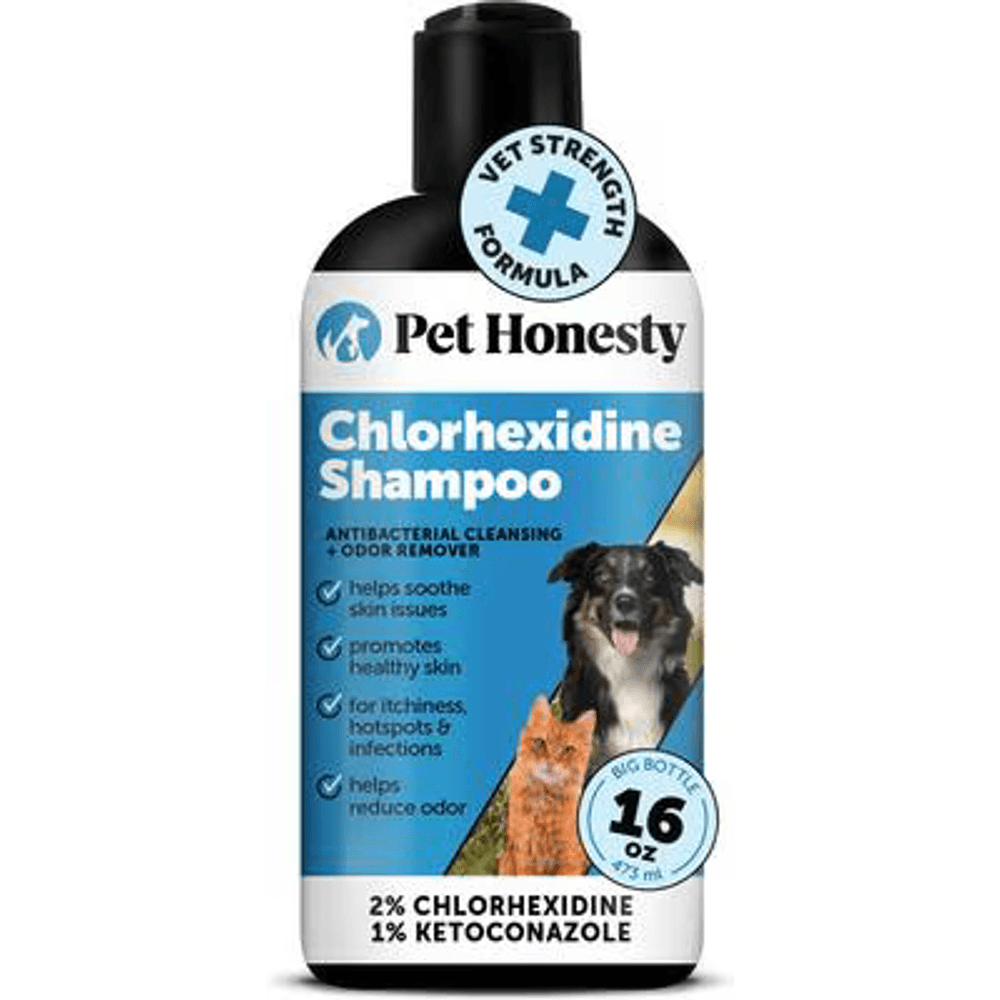
A vet-strength medicated shampoo with 2% chlorhexidine and 1% ketoconazole, the antifungal and antibacterial combination vets use to help clear ringworm and skin infections and to cut fungal spore shedding during treatment.
Webvet may earn a commission when you click through to Chewy, at no extra cost to you.
Why owners search "prednisone killed my dog"
The phrase often reflects a frightening decline during treatment or after an abrupt medication change. Prednisone can contribute to serious complications, especially at immunosuppressive doses, during long courses, or when infection, ulcers, diabetes, or other disease is present. It can also be prescribed because a dog is already critically ill. Timing alone cannot establish cause.
The useful response is not dismissal or panic. Ask the veterinary team to reconstruct the dose, duration, taper, other medication, laboratory results, and exact sequence of symptoms. A suspected adverse drug event can be reported, and an urgent decline should be treated without waiting for an online explanation.
Short-term versus long-term effects
Short courses commonly cause thirst, urination, hunger, panting, restlessness, and behavior changes. Longer exposure can contribute to weight gain, muscle loss, thinning skin, poor wound healing, elevated liver enzymes, infection, diabetes, and Cushingoid signs. Immunosuppressive treatment can change kidney filtration, urine output, hydration, and electrolytes.
Long-term risk is influenced by:
- Daily amount and dose tier.
- Total treatment duration.
- Whether dosing can move to the lowest effective or alternate-day plan.
- Age and existing diabetes, heart, kidney, liver, or blood-pressure concerns.
- Infection history and wound healing.
- Other anti-inflammatory or immune-modulating drugs.
Interactions and situations that need caution
Do not combine prednisone with a nonsteroidal anti-inflammatory drug unless the veterinarian has planned the transition. Overlap can increase the risk of gastrointestinal ulceration and bleeding. Tell the clinic about aspirin, carprofen, meloxicam, deracoxib, firocoxib, and every over-the-counter pain product.
Prednisone also requires caution with systemic fungal infection, Cushing's disease, ulcers, diabetes, heart disease, high blood pressure, kidney problems, pregnancy, and nursing. Vaccination and other immune-modulating treatment may need specific timing. Do not add a borrowed antibiotic or antifungal because prednisone can mask some signs while an infection worsens.
What the veterinarian should know before prednisone starts
Prednisone reaches many body systems, so a complete history matters even for a short course. Tell the veterinarian why the dog is being treated, what testing has been completed, and whether any similar episode was treated with a steroid before. A dramatic response to an old prescription may be useful history, but it does not prove the same disease has returned.
Provide a complete medication and supplement list. Include:
- Prescription pain medicine and any recent injection.
- Aspirin or another human pain reliever, even if only one dose was given.
- Allergy medicine, including Apoquel, cyclosporine, antihistamines, and topical steroids.
- Antibiotics, antifungals, seizure medication, heart medication, and diuretics.
- Flea, tick, and heartworm preventives.
- Herbal products, CBD products, vitamins, and joint supplements.
The veterinarian also needs to know about previous stomach ulcers, black stool, pancreatitis, diabetes, urinary infection, fungal disease, poor wound healing, high blood pressure, heart or kidney disease, and any tumor history. Report pregnancy or nursing and any vaccination that is scheduled during the course.
When the condition permits, baseline information makes later changes easier to interpret. The clinic may record body weight, body condition, temperature, skin or wound findings, water intake, urination, and the signs the medicine is supposed to improve. Blood, urine, blood-pressure, imaging, or disease-specific testing depends on the indication and expected duration.
Why infection can look quieter on a steroid
Prednisone suppresses inflammatory and immune responses. That can reduce redness, swelling, fever, and discomfort even when an infectious organism is still present. A dog may therefore appear more comfortable while a bacterial, fungal, or parasitic problem progresses. This is one reason a diagnosis should come before repeated use of leftover tablets.
Watch for indirect infection signs:
- New odor, discharge, crusts, pustules, or hair loss on the skin.
- Ear odor, pain, head shaking, or dark discharge.
- Cough, rapid breathing, nasal discharge, or reduced exercise tolerance.
- Straining to urinate, blood in urine, accidents, or foul-smelling urine.
- Fever, marked tiredness, poor appetite, or a wound that stops healing.
Call the veterinarian rather than increasing prednisone to control the renewed redness or itch. The dog may need cytology, culture, urine testing, imaging, or another diagnostic step. Adding an unselected antibiotic can further blur the picture and may not cover the organism involved.
Why the lowest effective dose matters
Steroid effects are related to dose and exposure. Once the disease is controlled, the veterinarian often tries to reduce treatment according to the taper plan, not because the earlier dose was wrong but because the risk-benefit balance changes. The goal is enough medication to control the disease without maintaining more corticosteroid exposure than the dog needs.
A lower dose is not always possible. Serious immune-mediated disease may relapse when treatment is reduced, and hormone replacement follows different rules. The owner should not force a lower dose to avoid thirst or hunger. Report the burden, then let the veterinary team decide whether tapering, monitoring, or a steroid-sparing treatment can safely address it.
Managing a Dog on Prednisone Day to Day
- 1Keep water available at all times, even when urination increases.
- 2Plan extra potty breaks, including late evening or overnight when needed.
- 3Measure meals and treats because steroid hunger can drive rapid weight gain.
- 4Give the prescribed dose with food if the clinic recommends it.
- 5Record every dose and taper step so household members do not duplicate or skip it.
- 6Call before changing the schedule, adding medication, or treating a new symptom at home.

Webvet may earn a commission when you click through to Chewy, at no extra cost to you.

Water and bathroom breaks
Never restrict water to control prednisone-related urination. Increased thirst reflects a drug effect and water restriction can worsen dehydration or electrolyte problems. Refill the bowl, measure intake if the veterinarian asks, and create more opportunities to urinate.
Practical changes can include:
- A potty trip before bed and immediately on waking.
- A temporary overnight break during a high-dose phase.
- Washable bedding or a protected resting area for a dog that cannot hold urine.
- A walker or trusted helper if the dog is alone for long periods.
- A log of drinking and accidents when changes are extreme.
Sudden straining, blood in urine, foul odor, fever, or painful urination is not just an inconvenience. Prednisone can increase infection susceptibility, and a urine problem needs veterinary assessment.
Hunger and weight control
Steroid hunger can feel urgent to the dog even when calorie needs have not risen. Measure the complete daily ration instead of repeatedly topping up the bowl. Reserve part of that ration for medication or training, and ask the veterinary team whether low-calorie additions are appropriate for this dog's health.
Avoid a sudden diet overhaul during serious illness unless the veterinarian recommends it. Weight gain, muscle loss, and a pot-bellied appearance can develop with long-term exposure, so regular weight and body-condition checks matter more than judging hunger by pleading behavior.
Panting, restlessness, and sleep
Panting and restlessness can be common. Keep the room comfortable, provide a cool sleeping area, and schedule calm activity when the dog can tolerate it. Report severe agitation, confusion, constant pacing, inability to sleep, or breathing effort that looks different from ordinary panting.
Do not add a calming medicine, antihistamine, melatonin product, or sedative without asking. Another drug can cause sedation, interact with the treatment plan, or hide a worsening problem.
A prednisone course log
A simple log helps a veterinarian decide whether the taper is working. Record:
- Date and time of each dose.
- Tablet strength and amount given.
- Appetite, water intake, and urination changes.
- Panting, sleep, and behavior.
- Vomiting, diarrhea, stool color, or abdominal pain.
- Skin, ear, urinary, or respiratory infection signs.
- The original disease sign and whether it is improving.
Bring the log to rechecks. It is more useful than trying to remember several weeks of changes after a flare.
Monitoring changes with the treatment goal
Prednisone does not create one standard recheck plan because anti-inflammatory, immunosuppressive, cancer, and hormone-replacement therapy ask different things of the body. The owner should know what success is supposed to look like and which measurement confirms it.
- Allergy or inflammatory disease: The veterinarian may track itch, redness, swelling, breathing comfort, pain, or mobility. If those signs improve, the next question is whether the dog can move down the prescribed taper without relapsing. Continued high dosing after control is reached can add risk without adding benefit, but reducing too quickly can allow inflammation to surge back.
- Immune-mediated disease: Outward improvement may not prove that the dangerous process is controlled. Blood counts, chemistry values, urine findings, or another disease-specific test can determine whether the treatment is working. A dog that seems brighter can still need the full prescribed phase, and a dog that looks tired may have either medication effects or a relapse. Do not use appearance alone to change an immunosuppressive dose.
- Addison's disease: Prednisone is replacement rather than a temporary anti-inflammatory course. The veterinarian balances clinical comfort, electrolytes, weight, appetite, and the rest of the hormone-replacement plan. Dogs with Addison's can need special instructions during illness, injury, travel, surgery, or another stress. Keep the emergency plan and clinic number accessible to everyone who cares for the dog.
- Cancer: The intended outcome may be tumor control, comfort, appetite, or a component of a larger protocol. Prednisone can affect future diagnostic results and treatment choices, so an owner should not start leftover tablets before a veterinary oncologist evaluates a suspected cancer. When prednisone is already part of the plan, the oncology team should direct the taper and any changes around chemotherapy.
When a side effect changes the plan
The dose should not be changed solely because thirst or hunger is inconvenient, but side effects belong in the medical decision. Call the veterinarian when effects interfere with sleep, house training, nutrition, mobility, or quality of life. The clinic may adjust timing, accelerate or slow a planned taper, add monitoring, treat a complication, or consider a steroid-sparing option.
Some changes need same-day assessment:
- Drinking and urinating so much that the dog cannot stay hydrated or rest.
- New fever, cough, infected skin, painful urination, or a wound that is worsening.
- Persistent vomiting, diarrhea, abdominal pain, or refusal to eat.
- Marked weakness, collapse, trembling, or confusion during a taper or after missed doses.
- Black stool, blood in vomit, or another bleeding sign.
- Rapid weight loss, severe muscle weakness, or inability to rise normally.
Bring the bottle, taper sheet, and medication list to urgent care. Include nonprescription pain relievers, supplements, topical drugs, and injections. A clinician deciding whether prednisone contributed to a problem needs the exact dose history and possible interacting medication, not only the drug name.
How Long Can Dogs Stay on Prednisone?
There is no single safe maximum. Short courses at the lowest effective dose generally carry less cumulative risk. Some dogs need long-term or lifelong treatment, especially for hormone replacement, chronic immune disease, or palliative care. Long-term use can be appropriate only when the benefit remains clear and monitoring is available.
Monitoring may include:
- Physical examinations and weight checks.
- Blood counts and chemistry panels.
- Urine testing and culture when infection is suspected.
- Glucose monitoring when diabetes risk or signs appear.
- Liver values, electrolytes, blood pressure, or disease-specific tests.
- Review of skin, wounds, muscle condition, and infection history.
The veterinarian may try to reach the lowest effective dose, an alternate-day plan, or a steroid-sparing treatment. That does not mean every dog can taper off. A dog with Addison's disease needs replacement hormone, while a dog with active immune-mediated disease may relapse if treatment is reduced too quickly.
Prednisone Cost and Access
Prednisone is generic and usually inexpensive compared with many long-term allergy or immune medications. Cited veterinary guidance recorded example prices as low as $6 for thirty 5 mg tablets, $7 for thirty 20 mg tablets, and $14 for thirty 50 mg tablets. It also recorded $12 for 120 mL of a 1 mg/mL liquid. These are historical examples, not current guaranteed quotes.
The honest total cost includes more than tablets:
- Initial examination and diagnostic testing.
- Rechecks during a taper.
- Bloodwork, urine testing, or disease-specific monitoring.
- Treatment for an infection, ulcer, diabetes, or another complication.
- The price of a compounded liquid when standard tablets cannot provide the prescribed amount.
Compare the exact strength and quantity on the prescription at a licensed pharmacy. Do not buy an unlabeled product or use leftover tablets to avoid a recheck.
Prednisone Alternatives Worth Asking About
There is no natural steroid that safely replaces prednisone's corticosteroid action. Supplements, diets, topical care, and environmental changes may support some conditions, but "natural" does not mean equivalent, effective, or free of interactions. If a veterinarian recommends omega-3 support for an allergy plan, Nordic Naturals Omega 3 Pet Softgels are one product to ask about; they do not replace prednisone or another prescribed treatment. Do not stop prednisone while experimenting with a substitute.
The useful alternative depends on why prednisone was prescribed:
- Allergic itch may have steroid-sparing prescription options.
- Immune-mediated disease may require another immunosuppressant.
- Joint pain may call for a nonsteroidal plan after a safe washout.
- Cancer treatment follows an oncology protocol.
- Addison's disease requires hormone replacement, not a supplement.
For allergy-specific switching questions, see the Apoquel guide to steroid-sparing itch medication. That guide compares options for dogs whose prednisone is controlling allergic itch. The prescribing veterinarian must plan any transition so there is no unsafe overlap, abrupt steroid withdrawal, or uncontrolled flare.
Prednisone for Dogs FAQs
Frequently Asked Questions
How does a dog feel on prednisone?
On prednisone, a dog commonly feels restless and hungry, and panting is common along with greater thirst and more frequent urination. The dog can also have trouble settling at night. Those effects can be expected, but severe agitation, weakness, vomiting, diarrhea, black stool, fever, or another major change needs a veterinary call.
How long can dogs stay on prednisone?
Dogs can stay on prednisone for days, weeks, or longer, but veterinarians consider short courses safest; long-term needs monitoring. The lowest effective dose generally reduces cumulative risk. Long-term treatment requires periodic reassessment, infection surveillance, and any blood, urine, or disease-specific tests the veterinarian recommends. Never extend or stop a course on your own.
What is the best time of day to give a dog prednisone?
The best time of day to give a dog prednisone once daily is often morning with food because it better matches the natural cortisol rhythm and may reduce stomach upset. The prescription controls timing, especially when the drug is given more than once daily or for Addison's disease. Do not move all doses to morning or change the schedule without asking the prescribing veterinarian.
$65 · no membershipNeed a prescription for Prednisone?
A licensed vet can assess your pet over video and prescribe Prednisone online when it's appropriate.
Talk to a vet- Licensed vets
- All 50 states
- same-day Rx
Webvet may earn a commission if you book.

Editor
The Webvet Editorial Team is the in-house group of pet-care editors and writers behind Webvet, operated by Smart Pet Collective. The team researches, writes, and maintains Webvet's pet health, behavior, and medication content. Every article follows a defined editorial process: research from reputable veterinary and scientific sources, careful drafting, mandatory review of medical content by a credentialed veterinarian, and dated publication. Health and medication articles are medically reviewed by a licensed veterinary professional before they go live and are kept current over time.
Veterinarian · BVMS MRCVS
Dr. Pippa Elliott, BVMS, MRCVS, is a veterinarian with nearly 30 years of experience in companion animal practice. Dr. Elliott earned her Bachelor of Veterinary Medicine and Surgery from the University of Glasgow. She was also designated a Member of the Royal College of Veterinary Surgeons. Married with 2 grown-up kids, Dr. Elliott has a naughty Puggle named Poggle, 3 cats and a bearded dragon.


