Prednisolone for Dogs and Cats

BVMS MRCVS
Medically reviewed by Dr. Pippa Elliott, BVMS MRCVS · Last reviewed

Drug facts
Prednisolone
Prednisolone is a glucocorticoid steroid used in dogs and cats to treat inflammation, itching, immune-mediated and autoimmune diseases, and allergic conditions. It is the active form of prednisone and is preferred in cats, who cannot efficiently convert prednisone.
 $65 · no membership
Need a prescription for Prednisolone?
A licensed vet can assess your pet over video and prescribe Prednisolone online when it's appropriate.
 Talk to a vet
- Licensed vets
- All 50 states
- same-day Rx
Webvet may earn a commission if you book.
What is Prednisolone for Dogs and Cats
Overview
Prednisolone is the active form of prednisone, meaning it is already converted into its usable form by the body. In dogs, prednisone is converted to Prednisolone efficiently, but in cats this conversion is limited, making Prednisolone the preferred choice for feline patients.
As a glucocorticoid, Prednisolone helps regulate immune function, reduce inflammation, and control symptoms associated with autoimmune diseases, allergic skin problems, and other inflammatory disorders. It works at the cellular level by affecting gene expression and cytokine activity.
Explore more joint and mobility medications in our Mobility section.
What Is Prednisolone for Dogs and Cats Used For
| Condition | Notes |
|---|---|
| Autoimmune diseases | Helps manage immune-mediated hemolytic anemia, autoimmune skin disease, and SLE. |
| Allergic skin disease | Highly effective for chronic atopic dermatitis. |
| Inflammatory conditions | Reduces inflammation in skin, joints, and organs. |
| Adjunct therapy for itchy skin | Can be used short-term when starting cyclosporine to speed up itch control. |
| Immune-mediated disorders (dogs & cats) | Used for induction and maintenance dosing schedules. |
How Prednisolone for Dogs and Cats Works
Prednisolone binds to intracellular glucocorticoid receptors, altering gene expression and decreasing the production of inflammatory chemicals such as cytokines. This results in strong anti-inflammatory and immunosuppressive effects. At low doses it mimics natural cortisol; at higher doses it suppresses the immune system to control disease.
Drug Facts
Prednisolone is a glucocorticoid steroid used to treat inflammation, itching, immune-mediated diseases, and allergic conditions. It can cause dose-dependent effects, meaning low doses act physiologically, while higher doses provide immunosuppression.
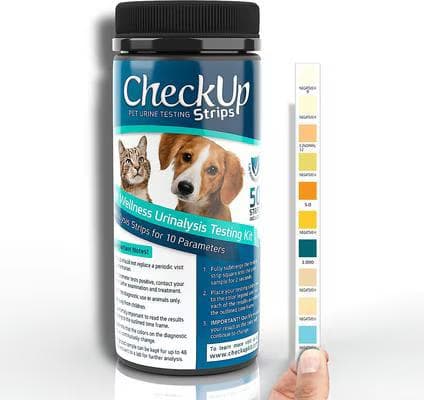
At-home urine test strips that screen for glucose, blood, pH, and protein in seconds, so you can catch early signs of diabetes, kidney disease, or a UTI and bring real numbers to your vet.
Webvet may earn a commission when you click through to Chewy, at no extra cost to you.
Common Brands
PrednisTab
Drug Class
Glucocorticoid steroid
Substance Classification
Not a controlled medication
Generic Status
Generic widely available
Availability
Prescription
Available forms
Prednisolone for Dogs and Cats Dosage Forms
Prednisolone is available as tablets, oral liquids, and sometimes injectable formulations. Tablets are most commonly used for dogs, while cats often receive tablets or compounded liquids due to easier dosing. Pricing can vary based on compounding and dosage strength.
Compare coverage choices for your pet, then request a quote directly on Lemonade.
- Check a price for your pet
- Review available coverage choices
- See the terms before you decide
Eligibility, waiting periods, limits and exclusions apply.
Webvet may earn a commission when you click through to Lemonade, at no extra cost to you.
Oral Tablets / Capsules (5 mg)
| Qty/Size | Price as low as | Price per unit |
|---|---|---|
| 30 tablets | $6.00 | $0.20 |
| 60 tablets | $10.00 | $0.16 |
Compounded Oral Liquid
| Qty/Size | Price as low as | Price per unit |
|---|---|---|
| 30 mL | $35.00 | $1.16 |
| 60 mL | $55.00 | $0.91 |
Injectable Form
| Qty/Size | Price as low as | Price per unit |
|---|---|---|
| 10 mL | $25.00 | $2.50 |
Typical Dosing For Prednisolone for Dogs and Cats
Prednisolone dosing is highly dose-dependent and based on the type of effect needed: physiologic, anti-inflammatory, or immunosuppressive. Dogs convert prednisone effectively, but cats require Prednisolone because they cannot efficiently perform this conversion.
Oral Dosing
| Group | Typical Dose | Notes |
|---|---|---|
| Dogs (all sizes) | 1 mg/kg/day | For general inflammation. |
| Dogs (immune-mediated disease) | 2–4 mg/kg/day | Immunosuppressive range. |
| Dogs (induction phase) | 2.2–6.6 mg/kg/day | Used for autoimmune disorders. |
| Cats (immune-mediated skin disease) | ~6.6 mg/kg/day | Higher dose due to lower conversion from prednisone. |
| Cats (general use) | Dose varies per prescribing vet | Cats require Prednisolone, not prednisone. |
Reported side effects
Risks and Warnings for Prednisolone for Dogs and Cats
Prednisolone can cause many dose-dependent side effects, especially with long-term use or high doses. Short-term treatment often includes temporary issues such as increased thirst, urination, or appetite. Long-term use increases risks such as immune suppression, infections, and delayed healing.
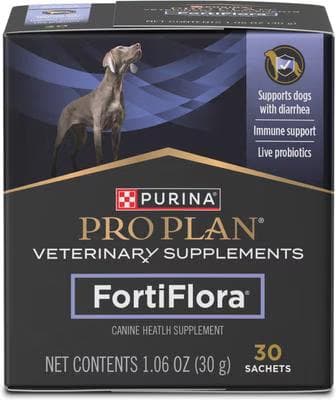
The #1 vet-recommended probiotic for dogs. Daily powder sachets with live probiotics support healthy digestion and firmer stools, and can help dogs coping with diarrhea or GI upset.
Webvet may earn a commission when you click through to Chewy, at no extra cost to you.
Side effects noted in studies include:
- Lethargy
- Vomiting (mild)
- Increased thirst and urination
- Elevated liver enzymes
- Increased risk of infections
- Possible urinary incontinence
Higher doses can significantly suppress the immune system, while prolonged combined use with medications such as cyclosporine may increase the risk of serious infections.
Webvet may earn a commission when you click through to Chewy, at no extra cost to you.
Biochemical changes such as elevated ALP, altered iron levels, and shifts in cholesterol and phosphate may occur and may affect interpretation of lab tests.
Prednisolone for Dogs and Cats Warnings and Precautions
Use Prednisolone carefully and follow veterinary directions:
- Avoid in pets with active infections unless prescribed.
- Use cautiously in pets with diabetes, kidney disease, or liver disease.
- Do not discontinue suddenly after long-term use.
- Avoid combining with NSAIDs or other steroids.
- Monitor for excessive drinking and urination.
- Long-term use increases infection risk.
- Not recommended for pregnant or nursing animals.
Disclaimer: This information is for educational purposes only and should not replace professional veterinary advice. Always consult your veterinarian before using or combining any medications for your pet.
Frequently Asked Questions (FAQ)
Is Prednisolone the same as prednisone?
No. Prednisolone is the active form. Dogs can convert prednisone to Prednisolone, but cats cannot, so cats must receive Prednisolone.
How fast does Prednisolone work?
Most pets show improvement within a few hours to a few days, depending on the condition.
Is long-term use safe?
Long-term use may cause significant side effects and requires close veterinary monitoring.
Can Prednisolone be given with other medications?
Yes, but not with NSAIDs or other steroids. Always consult your vet before combining medications.
Why is my pet drinking and urinating more on Prednisolone?
This is a common steroid side effect and usually resolves when the dose is lowered or discontinued.
$65 · no membershipNeed a prescription for Prednisolone?
A licensed vet can assess your pet over video and prescribe Prednisolone online when it's appropriate.
Talk to a vet- Licensed vets
- All 50 states
- same-day Rx
Webvet may earn a commission if you book.

Editor
The Webvet Editorial Team is the in-house group of pet-care editors and writers behind Webvet, operated by Smart Pet Collective. The team researches, writes, and maintains Webvet's pet health, behavior, and medication content. Every article follows a defined editorial process: research from reputable veterinary and scientific sources, careful drafting, mandatory review of medical content by a credentialed veterinarian, and dated publication. Health and medication articles are medically reviewed by a licensed veterinary professional before they go live and are kept current over time.
Veterinarian · BVMS MRCVS
Dr. Pippa Elliott, BVMS, MRCVS, is a veterinarian with nearly 30 years of experience in companion animal practice. Dr. Elliott earned her Bachelor of Veterinary Medicine and Surgery from the University of Glasgow. She was also designated a Member of the Royal College of Veterinary Surgeons. Married with 2 grown-up kids, Dr. Elliott has a naughty Puggle named Poggle, 3 cats and a bearded dragon.


