Nystatin for Dogs and Cats

BVMS MRCVS
Medically reviewed by Dr. Pippa Elliott, BVMS MRCVS · Last reviewed

Drug facts
Nystatin
Nystatin is an antifungal medication derived from a natural soil bacteria, used in dogs and cats to treat yeast-related ear infections, skin issues, and yeast infections of the mouth or intestines.
Treats
 $65 · no membership
Need a prescription for Nystatin?
A licensed vet can assess your pet over video and prescribe Nystatin online when it's appropriate.
 Talk to a vet
- Licensed vets
- All 50 states
- same-day Rx
Webvet may earn a commission if you book.
What Is Nystatin
Overview
Nystatin for dogs is an antifungal medicine made from a natural soil bacteria (Streptomyces noursei). Vets often use it for yeast-related ear infections, skin issues, or yeast infections in the mouth or intestines. It is found in many combination ear drops that also include antibiotics and steroids.
Because the body doesn’t absorb Nystatin well, it usually stays right where it’s applied — which helps fight infection without causing many side effects. However, injectable Nystatin is no longer used because it caused serious kidney problems.
Explore more skin-related medications in our Dermatology section.
What Is Nystatin Used For
| Condition | Notes |
|---|---|
| Yeast infections on skin or in the mouth or stomach (Dogs) | Helps treat infections caused by Candida . In one study, 93% of dog mouth yeast samples were sensitive to Nystatin. |
| Ear infections caused by yeast (Dogs & Cats) | Often included in ear medications for Malassezia yeast infections. Shown to help in most cases. |
| Fungal infections in the ears or respiratory tract (Dogs) | Lab testing shows Nystatin can kill several types of fungi taken from sick dogs. |
| Stomatitis or Gingivitis (Dogs) | Some mouth yeast (C. albicans) may not respond well to Nystatin. |
How Nystatin Works
Nystatin attacks the cell walls of yeast and fungi, creating holes that cause the fungus to die. Because animals do not have these fungal cell wall parts, Nystatin can target the infection without harming the animal.
Compare coverage choices for your pet, then request a quote directly on Lemonade.
- Check a price for your pet
- Review available coverage choices
- See the terms before you decide
Eligibility, waiting periods, limits and exclusions apply.
Webvet may earn a commission when you click through to Lemonade, at no extra cost to you.
Drug Facts
Animax Ointment is a prescription topical medication that combines four active ingredients: Neomycin and Thiostrepton (antibiotics), Nystatin (an antifungal), and Triamcinolone (a corticosteroid). Together, they help treat skin and ear infections by reducing inflammation and fighting bacteria and fungi that cause irritation and discomfort.
Common Brands
Varies by formulation
Drug Class
Antifungal
Substance Classification
Not a controlled medication
Generic Status
Lower-cost generic available
Availability
Prescription only
Available forms
Nystatin Dosage Forms
Nystatin for dogs and cats comes in several dosage forms, including oral suspensions, topical creams or ointments, and combination ear drops used to treat yeast-related ear and skin infections. These different Nystatin products give veterinarians flexible options for managing fungal or Malassezia infections, whether they affect the ears, skin, or digestive tract.
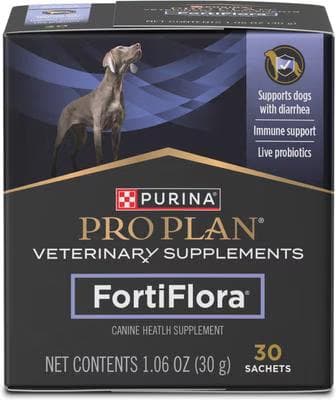
The #1 vet-recommended probiotic for dogs. Daily powder sachets with live probiotics support healthy digestion and firmer stools, and can help dogs coping with diarrhea or GI upset.
Webvet may earn a commission when you click through to Chewy, at no extra cost to you.
Because injectable Nystatin has been discontinued, all current veterinary antifungal options rely on safe, topical or oral Nystatin dosage forms that pet owners can use as directed at home.
Oral Suspension/Tablets
| Qty/Size | Price as low as | Price per unit |
|---|---|---|
| 473 mL | $59.99 | $0.13 |
| 30 mL | $47.99 | $1.60 |
Topical Cream/Ointment
| Qty/Size | Price as low as | Price per unit |
|---|---|---|
| 15 g | $6.00 | $0.40 |
| 30 g | $11.00 | $0.37 |
Combination Otic (Ear) Preparations
| Qty/Size | Price as low as | Price per unit |
|---|---|---|
| 7.5 mL | $6.50 | $0.87 |
Note: Injectable nystatin is no longer marketed due to safety issues.
Typical Dosing for Nystatin (in Animax Ointment)
Animax Ointment contains nystatin as its primary antifungal ingredient, along with neomycin, thiostrepton, and triamcinolone. Because nystatin in Animax is delivered as a topical ointment and not a liquid solution, its dosing is based on application frequency and coverage of the affected area rather than weight-based calculations or drop counts.
Nystatin in Animax works specifically against yeast organisms such as Malassezia and Candida. These yeasts commonly contribute to inflammation, odor, and discharge in dogs with ear conditions.
Webvet may earn a commission when you click through to Chewy, at no extra cost to you.
Aural (Ear) Application
| Group | Severity | Notes |
|---|---|---|
| Dogs of any body weight | Mild to Moderate Yeast Ear Infections | Apply a thin ribbon of Animax into the ear canal 1 to 2 times daily for 7 to 14 days. Massage the base of the ear to distribute the nystatin-containing ointment. |
| Dogs of any body weight | More Severe or Mixed Yeast and Bacterial Otitis | Apply a small ribbon of ointment into the ear canal 2 to 3 times daily for 7 to 14 days, then continue only as directed by your veterinarian. |
Clotrimazole, another topical antifungal, may work slightly better for some yeast-dominant ear infections, but nystatin is effective for many yeast strains and is especially helpful when both yeast and bacteria are present, which is why Animax includes multiple active ingredients.
Reported side effects
Risks and Warnings for Nystatin for Dogs
Nystatin for Dogs is generally safe when used on the skin or in the ears because it stays on the surface of the body and is not absorbed into the bloodstream. Oral nystatin products are also considered safe because the medication is not absorbed from the digestive tract. Some pets may experience mild stomach upset, such as decreased appetite or soft stools, but most tolerate it well when it is used exactly as the veterinarian instructs.
A past injectable form of nystatin caused serious systemic side effects, including kidney damage, and was discontinued. Only topical and oral forms are used today. Pet owners should follow their veterinarian’s directions carefully and monitor their pets for any unusual reactions. If a pet shows worsening symptoms, discomfort, or signs of irritation, treatment should be stopped and the veterinarian contacted right away.
Nystatin for Dogs and Warnings and Precautions
Use Nystatin for Dogs only as directed by your veterinarian. Overuse or improper application can increase the risk of irritation or delay proper diagnosis. Keep the following safety points in mind:
- Do NOT use nystatin as an injection.
- Topical and oral nystatin are generally safe, but monitor your pet for any skin or ear irritation.
- Food-producing animals: Use only under veterinary supervision. Oral nystatin is not absorbed, but caution is still advised for regulatory and withdrawal-time considerations.
- Pregnant pets: Safety information is limited. Use only under veterinary guidance.
- Always follow your veterinarian’s exact instructions when applying ear medications to avoid injury or overuse.
Disclaimer: This information is for educational purposes only and is not a substitute for professional veterinary advice. Always consult your veterinarian before starting, stopping, or combining any medications for your pet.
Frequently Asked Questions (FAQ)
Is Nystatin effective for ear infections in dogs?
Yes. Nystatin is commonly included in combination ear medications for
Malassezia otitis
, showing ~68% efficacy. Clotrimazole may be slightly more effective.
Does Nystatin work against common dog fungi?
Yes. It is highly active against many
Candida
species and shows in-vitro efficacy against
Aspergillus
spp., although
A. albicans
from dogs with stomatitis may show resistance.
Is Nystatin absorbed into the bloodstream?
No. Absorption is minimal when administered orally or topically.
What are the side effects of Nystatin?
Oral forms may cause
anorexia or diarrhea
, while topical use rarely causes reactions.
Are injectable forms available?
No. Injectable Nystatin was withdrawn due to
severe nephrotoxicity
.
Related Medications & Supplements
Dogs with yeast infections, dermatitis, or other fungal skin conditions may benefit from additional treatments that support healing and reduce inflammation. These related medications are commonly used alongside topical antifungal therapies like Nystatin.
Webvet may earn a commission when you click through to Chewy, at no extra cost to you.
- Animax - combination antifungal and anti-inflammatory ointment used for yeast and bacterial skin infections
- Derma-Vet ointment - topical antifungal and antibacterial medication for skin lesions
- Apoquel - oral anti-itch medication often used when fungal infections cause intense itching
- Oclacitinib - generic alternative to Apoquel to control inflammation and itching
- Lokivetmab - injectable monoclonal antibody providing long-lasting itch relief in allergic skin disease
- Prednisone - steroid used to reduce inflammation and swelling in severe skin conditions
- Omega-3 fatty acids - anti-inflammatory supplement that supports skin repair and overall skin health
- Eicosaderm - omega-3 supplement often used in chronic skin conditions to improve coat and reduce inflammation
References
- Revista Iberoamericana de Micología. (2006). In vitro activity of antifungal agents against pathogenic fungi. Revista Iberoamericana de Micología.
- DergiPark. Evaluation of antifungal susceptibility and fungal isolates in clinical samples. DergiPark Journal Database.
- Journal of International Dental and Medical Research. (2025). Heber Isac Arbildo Vega – Clinical analysis of fungal-related oral lesions. JIDMR.
- National Center for Biotechnology Information (NCBI). (2022). Review of fungal infections and antifungal treatments in clinical veterinary medicine. PMC.
- MSD Veterinary Manual. (2024). Polyene macrolide antimicrobials for use in animals. MSD Vet Manual.
- Perth Children’s Hospital. (2024). Nystatin – ChAMP Monograph. Child and Adolescent Health Service (Western Australia).
- Médecins Sans Frontières (MSF). (2024). Nystatin oral – Essential Medicines Guidelines. MSF Medical Guidelines.
- Journal of Biomedical and Translational Research. (2020). Experimental evaluation of antifungal activity in clinical isolates. JBTR.
- Cochrane Library. (2024). Interventions for prevention and management of oral thrush associated with HIV infection. Cochrane Database of Systematic Reviews.
- National Center for Biotechnology Information (NCBI). (2021). Comparative study of antifungal treatments in clinical populations. PMC.
- Semantic Scholar. Fungal identification and antifungal susceptibility in veterinary cases. Semantic Scholar.
- Jalil, et al. (2020). Isolation and identification of some fungi and assessment of antifungal activity in dog samples. ResearchGate.
$65 · no membershipNeed a prescription for Nystatin?
A licensed vet can assess your pet over video and prescribe Nystatin online when it's appropriate.
Talk to a vet- Licensed vets
- All 50 states
- same-day Rx
Webvet may earn a commission if you book.

Editor
The Webvet Editorial Team is the in-house group of pet-care editors and writers behind Webvet, operated by Smart Pet Collective. The team researches, writes, and maintains Webvet's pet health, behavior, and medication content. Every article follows a defined editorial process: research from reputable veterinary and scientific sources, careful drafting, mandatory review of medical content by a credentialed veterinarian, and dated publication. Health and medication articles are medically reviewed by a licensed veterinary professional before they go live and are kept current over time.
Veterinarian · BVMS MRCVS
Dr. Pippa Elliott, BVMS, MRCVS, is a veterinarian with nearly 30 years of experience in companion animal practice. Dr. Elliott earned her Bachelor of Veterinary Medicine and Surgery from the University of Glasgow. She was also designated a Member of the Royal College of Veterinary Surgeons. Married with 2 grown-up kids, Dr. Elliott has a naughty Puggle named Poggle, 3 cats and a bearded dragon.


