Derma-vet Ointment for Dogs

BVMS MRCVS
Medically reviewed by Dr. Pippa Elliott, BVMS MRCVS · Last reviewed

Drug facts
Derma-vet Ointment
Derma-Vet is a prescription combination topical ointment for dogs and cats that pairs two antibiotics, an antifungal, and a corticosteroid to treat skin and ear conditions caused or complicated by bacteria, yeast, fungus, and inflammation.
Treats
 $65 · no membership
Need a prescription for Derma-vet Ointment?
A licensed vet can assess your dog over video and prescribe Derma-vet Ointment online when it's appropriate.
 Talk to a vet
- Licensed vets
- All 50 states
- same-day Rx
Webvet may earn a commission if you book.
What Is Derma-vet Ointment for Dogs
Overview
Derma-Vet Ointment is a prescription topical medication for dogs and cats. It contains four active ingredients designed to work together:
- Neomycin and Thiostrepton (antibiotics)
- Nystatin (antifungal)
- Triamcinolone (corticosteroid anti-inflammatory)
Together, these ingredients help stop infection, calm irritation, and relieve itching, redness, and swelling. The ointment is used on the skin, ears, anal glands, and interdigital (between the toes) areas. Derma-Vet Ointment
Derma-Vet is commonly chosen when a pet has a condition caused by bacteria, yeast, fungus, or inflammation-or a combination of these. It is especially useful when infections complicate skin problems. Because it is applied directly, vets often check the pet’s eardrum before using it in the ear to ensure safety.
Explore more skin-related medications in our Dermatology section.
What Is Derma-vet Ointment for Dogs Used For
Omega-3 fatty acids help the body by reducing inflammation. They replace other fats in cell membranes, allowing the body to produce gentler, calmer anti-inflammatory chemicals instead of harsh inflammatory ones. EPA is especially good for reducing inflammation, while DHA is essential for brain and eye function.
Compare coverage choices for your pet, then request a quote directly on Lemonade.
- Check a price for your pet
- Review available coverage choices
- See the terms before you decide
Eligibility, waiting periods, limits and exclusions apply.
Webvet may earn a commission when you click through to Lemonade, at no extra cost to you.
| Condition | Notes |
|---|---|
| Ear infections (otitis) | Helps treat acute and chronic ear infections in dogs and cats. |
| Interdigital cysts | Reduces swelling and infection between the toes. |
| Anal gland infections (dogs) | Used after cleaning and draining infected anal glands. |
| Skin infections | Helpful for infected or inflamed skin areas. |
| Dermatitis (eczema, contact dermatitis, seborrhea) | Reduces redness, itching, and irritation. |
| Mixed infections | Useful when both bacteria and yeast are involved. |
Drug Facts
Derma-Vet Ointment is a combination topical treatment containing an antibiotic + antifungal + steroid blend. It is used for skin and ear conditions caused or complicated by bacteria, yeast, and inflammation. The four ingredients allow it to relieve symptoms while treating the underlying infection.
Common Brands
Derma-Vet™, Animax®, Panolog®
Drug Class
Topical antibiotic / antifungal / corticosteroid combination
Substance Classification
Not a controlled medication
Generic Status
Generic versions widely available
Availability
Prescription only
Available forms
Derma-vet Ointment for Dogs Dosage Forms
Derma-Vet is available as a topical ointment, typically supplied in multiple tube sizes. It is applied directly to the pet’s skin, ears, or anal glands, depending on the condition being treated. The ointment is meant to be used sparingly, usually 2–3 times daily, or less often as the pet improves.
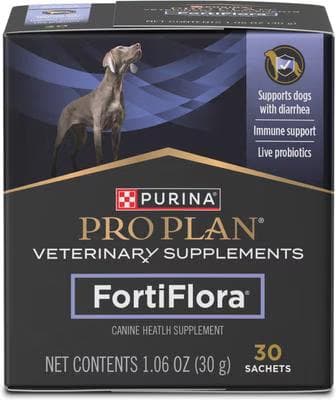
The #1 vet-recommended probiotic for dogs. Daily powder sachets with live probiotics support healthy digestion and firmer stools, and can help dogs coping with diarrhea or GI upset.
Webvet may earn a commission when you click through to Chewy, at no extra cost to you.
Topical Ointment Tubes
| Qty/Size | Price as low as | Price per unit |
|---|---|---|
| 7.5 mL | $15.99 | $2.13 |
| 15 mL | $28.99 | $1.93 |
| 30 mL | $46.99 | $1.56 |
Typical Dosing for Derma-vet Ointment
Derma-Vet is applied directly to the affected area, so dosing depends on frequency, not weight. Most pets use the ointment two to three times daily, and less often as the condition improves.
Topical Ointment (Skin, Cysts, Anal Glands)
| Group | Typical Dose | Notes |
|---|---|---|
| Dogs & Cats (all sizes) | Apply a thin layer 2–3 times daily | Use sparingly; reduce as healing occurs. |
| Mild conditions | Once daily to once weekly | Vet may adjust depending on severity. |
| Anal gland infections (dogs) | Apply after cleaning and draining the gland | Follow vet instructions carefully. |
Ear Application (Otitis)
| Group | Typical Dose | Notes |
|---|---|---|
| Dogs & Cats | Apply a thin film in the external ear 2–3 times daily | Only use if the eardrum is intact . |
| Alternative method | 3–5 drops in the ear canal | Must clean ear before use. |
Reported side effects
Risks and Warnings for Derma-vet Ointment for Dogs
Derma-Vet Ointment is generally safe, but some important precautions apply. Because it contains a steroid, two antibiotics, and an antifungal, certain sensitive pets may experience irritation or side effects. The biggest concern is improper use in the ears, especially if the eardrum is ruptured, which can lead to hearing issues or balance problems.
Webvet may earn a commission when you click through to Chewy, at no extra cost to you.
Risk of Hearing or Balance Problems
If used in ears where the eardrum is damaged, Derma-Vet may cause temporary hearing loss or vestibular (balance) issues. Symptoms include head tilt, circling, or poor balance. Stop the medication immediately and contact your vet.
Steroid-Related Side Effects
Because Derma-Vet contains Triamcinolone, long-term or large-area use may cause:
- Increased thirst/urination
- Vomiting
- Weight gain
- Changes in behavior
- Raised liver enzymes
- Cushing’s-like symptoms with overuse
Allergic Reactions
Some pets are sensitive to Neomycin. If redness, swelling, or irritation worsens, discontinue use.
Webvet may earn a commission when you click through to Chewy, at no extra cost to you.
Derma-vet Ointment for Dogs Warnings and Precautions
Use Derma-Vet only as directed. Important safety precautions include:
- Do not use if the eardrum is ruptured
- Prevent licking after application
- Avoid long-term or large-area use
- Use caution in pregnant or nursing pets
- Stop use if redness, irritation, or hearing problems occur
- Not for deep infections or abscesses—those need systemic antibiotics
- For ear use, ensure the eardrum is intact before applying
Disclaimer: This information is for educational purposes only and should not replace professional veterinary advice. Always consult your veterinarian before using or combining any medications for your pet.
Frequently Asked Questions (FAQ)
What does Derma-Vet Ointment treat?
It treats
ear infections
,
interdigital cysts
,
anal gland infections
, and
inflamed or infected skin areas
caused by
bacteria
,
yeast
, or both.
Is it safe if my dog licks Derma-Vet after applying it?
No. Prevent licking until the area dries. Ingesting the ointment can upset the stomach.
Can I use Derma-Vet inside my pet’s ears?
Yes but
only if the eardrum is not ruptured
. Your veterinarian must confirm this before use.
How often should I apply it?
Most pets use it
2–3 times daily
, then less often as symptoms improve.
Can I use Derma-Vet long term?
Long-term use is
not recommended
due to steroid side effects. Always follow veterinary directions.
$65 · no membershipNeed a prescription for Derma-vet Ointment?
A licensed vet can assess your dog over video and prescribe Derma-vet Ointment online when it's appropriate.
Talk to a vet- Licensed vets
- All 50 states
- same-day Rx
Webvet may earn a commission if you book.

Editor
The Webvet Editorial Team is the in-house group of pet-care editors and writers behind Webvet, operated by Smart Pet Collective. The team researches, writes, and maintains Webvet's pet health, behavior, and medication content. Every article follows a defined editorial process: research from reputable veterinary and scientific sources, careful drafting, mandatory review of medical content by a credentialed veterinarian, and dated publication. Health and medication articles are medically reviewed by a licensed veterinary professional before they go live and are kept current over time.
Veterinarian · BVMS MRCVS
Dr. Pippa Elliott, BVMS, MRCVS, is a veterinarian with nearly 30 years of experience in companion animal practice. Dr. Elliott earned her Bachelor of Veterinary Medicine and Surgery from the University of Glasgow. She was also designated a Member of the Royal College of Veterinary Surgeons. Married with 2 grown-up kids, Dr. Elliott has a naughty Puggle named Poggle, 3 cats and a bearded dragon.


