Dermatitis in Dogs: Signs, Triggers, and Treatment Options
If no matter what you try, your dog’s itchy, red, irritated skin just doesn’t seem to be getting better, your canine might have dermatitis in dogs.

MRCVS BVMS, BS ASci, MLitt
Medically reviewed by Dr. Caitlin Merrill, MRCVS BVMS, BS ASci, MLitt · Last reviewed

This article contains affiliate links. Webvet may earn a commission when you buy through them, at no extra cost to you.
If no matter what you try your dog’s itchy, red, irritated skin just doesn’t seem to be getting better, your dog might be suffering from dermatitis. Dermatitis is an inflammation of the skin caused by allergies, parasites, or irritants, and is one of the most common conditions that has owners picking up the phone to call their vet. In this article we’ll look at the signs, types, and triggers of dermatitis in dogs, as well as how your vet can diagnose and help you effectively treat your itchy pup.
Fast Facts on Dermatitis in Dogs
- Dermatitis is skin inflammation caused by allergies, parasites, or irritants
- It causes redness, itching, and discomfort
- Top triggers include fleas, food, and environmental substances like pollen
- Most cases respond well to veterinary-directed treatment
What Is Dermatitis in Dogs?
Rather than a specific disease, “dermatitis” is an umbrella term for skin inflammation covering a range of conditions. The most commonly affected areas are the face and neck, ears, belly, and paws. Dermatitis can be acute, meaning it comes on suddenly, or chronic, becoming a long-term concern.
Compare coverage choices for your pet, then request a quote directly on Lemonade.
- Check a price for your pet
- Review available coverage choices
- See the terms before you decide
Eligibility, waiting periods, limits and exclusions apply.
Webvet may earn a commission when you click through to Lemonade, at no extra cost to you.
Your dog’s skin is a natural barrier to invaders like bacteria, yeast, and toxins. Dermatitis develops when the skin barrier breaks down, triggering inflammation which causes your pet to become itchy. Excessive scratching then exacerbates the inflammation, causing a cycle of itch/scratch that is hard to break. This cycle damages the skin further, leaving it open to infection.
Types of Dermatitis in Dogs
Allergic - This is the most common type of dermatitis in dogs, and can be triggered by parasites, food proteins, or environmental allergens like dust or mold. Dogs with allergic dermatitis will be itchy, and may have red skin, patchy hair loss, or secondary infections. Allergic dermatitis can be seasonal, or affect animals all year round.
Atopic Dermatitis (Atopy or Environmental Allergies) - This occurs when your dog’s immune system over-reacts to normally harmless substances like pollen. This is a life-long condition which requires lifestyle adjustments and on-going management depending on the cause. Atopy usually develops in young dogs, and some breeds are more at risk. Labradors, Frenchies, Bulldogs and many types of terriers are all more likely to suffer from atopic dermatitis.
Contact Dermatitis - This is a localized skin reaction caused by direct contact to irritating substances like plants, shampoos, or household cleaners. Contact dermatitis usually is contained to the skin in the area that came in contact with the trigger, so the muzzle, paws, and belly are the most likely places to see it. Contact dermatitis should resolve once the irritants are identified and removed.
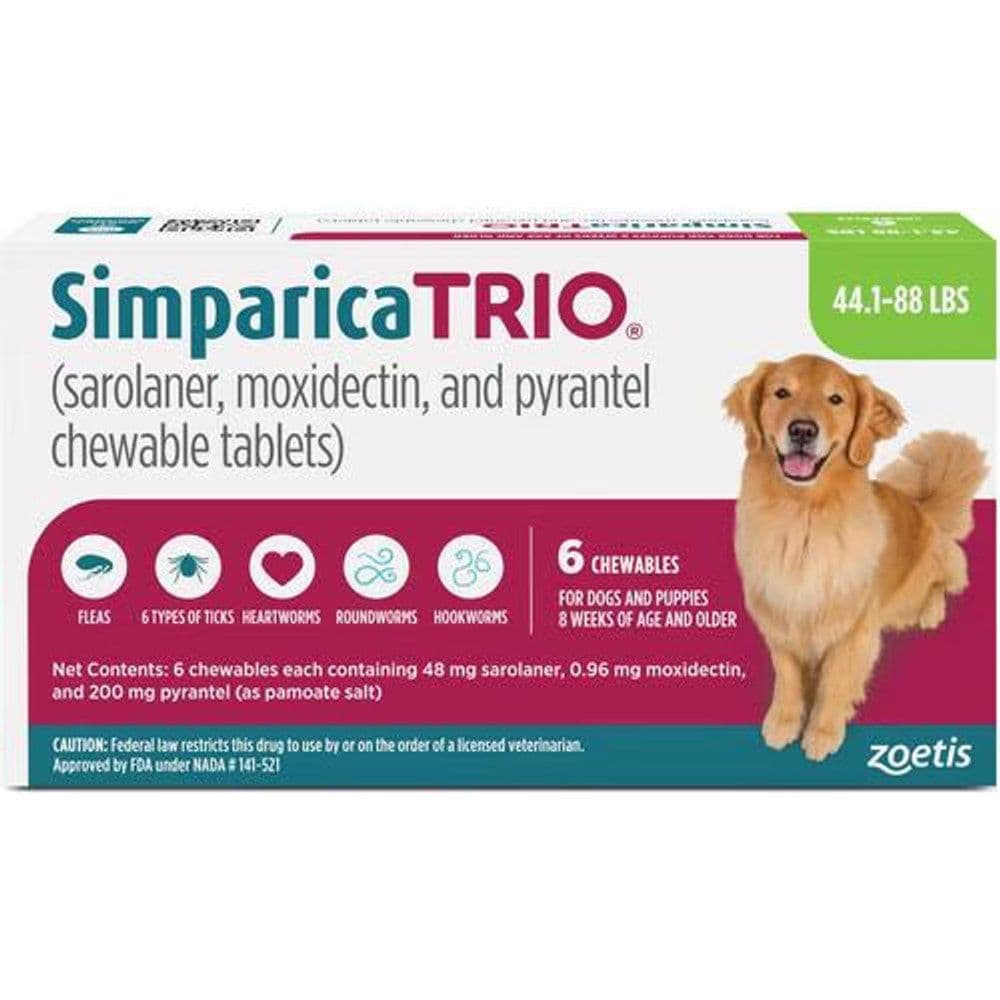
Monthly chew that protects dogs from fleas, six species of ticks, heartworm disease, roundworms, and hookworms.
Webvet may earn a commission when you click through to Chewy, at no extra cost to you.
Infectious Dermatitis - This condition is caused by bacteria or yeast invading delicate or compromised skin. It is common in breeds with deep skin folds, where moisture degrades the skin barrier and provides a perfect environment for bacterial and yeast growth. Dogs with infectious dermatitis will often have a smelly, greasy coat, and may have scabs or areas of dark, thickened skin. Topical treatments can help, but infectious dermatitis usually requires vet-prescribed treatment to resolve fully.
 $65 · no membership
Is your dog's itching or skin issue getting worse?
A licensed vet can examine your dog over video and prescribe treatment online when it's appropriate.
 Talk to a vet
- Licensed vets
- All 50 states
- same-day Rx

Webvet may earn a commission if you book.
Signs of Dermatitis in Dogs
- Persistent scratching or chewing
- Red, scabby, or swollen skin
- Excessive licking of paws or belly, often causing pinkish-brown staining of the fur.
- Hair loss, scabs, or sores
- Flaky, greasy, or crusted patches
- Strong odor
- Head shaking (can indicate itchy or infected ears)
- Behavioral changes like restlessness or irritability
Common Triggers Behind Dermatitis
- Allergens - Pollen, mold, dust mites, bedding, cleaning products, and food proteins.
- Parasites - Fleas (flea allergy dermatitis), mites (including mange), lice, or ticks causing irritating skin bites.
- Environmental factors - Humidity which is too high or low, poor grooming, and excessive bathing can all affect the skin barrier.
- Secondary infections - Excessive scratching allows bacteria or fungus to take advantage of moist, irritated, or broken skin.
- Underlying health issues - Hormonal imbalances like hypothyroidism, Cushing’s disease, or diabetes will affect your dog’s skin health. Poor nutrition can contribute to a weakened immune system, which leaves your pet vulnerable to the causes of dermatitis.
Diagnosis: How Vets Identify Dermatitis
Your vet can offer a range of testing options to get to the bottom of your dog’s dermatitis. All visits should start with a thorough physical exam, focusing on the coat, ears, and skin. A detailed history can help narrow down timings and possible triggers, as well as identify patterns in your dog’s symptoms. Skin scrapings and cytology samples can identify invaders like mites, fungus, and bacteria. Blood or intradermal (skin) tests can be performed to identify suspected environmental allergies, or your vet may suggest a diet trial if they suspect food allergies are contributing to the problem.
Treatment Options for Dermatitis in Dogs
There are three steps to treating your dog’s itchy skin and getting them back on track: Relieve, Treat, and Prevent.

Webvet may earn a commission when you click through to Chewy, at no extra cost to you.
Relieving the itch and inflammation - your vet can prescribe oral medications like Apoquel, Cytopoint, or corticosteroids to reduce your dog’s itchiness. Although they each work differently, these medications all prevent the skin from reacting to triggers, reducing inflammation and allowing the skin to heal. Medicated shampoos and chlorohexadine wipes can be prescribed to help rid the skin of bacteria and yeast, and topical sprays can be used to calm localized irritation. See WebVet’s guide to Apoquel alternatives for dogs, including Zenrelia and Cytopoint.
Treating the underlying cause - If your vet suspects flea allergy dermatitis they will prescribe a year-round anti-parasite treatment. Other allergies can be managed through the use of prescription anti-histamines, immunotherapy tablets, injections, or drops, and diet modification. An elimination diet can identify and eliminate food-related allergens. If your vet diagnoses and infectious cause they will prescribe antibiotics or antifungal treatments, which may be in the form of injections, oral medications, or topical creams.
Preventing future flare-ups - Consistent parasite prevention and an appropriate grooming schedule are easy at-home steps to keeping your dog’s skin happy. Your vet can advise you what shampoos will work best, and how often your dog needs to be bathed depending on their coat type. Wash bedding and vacuum regularly to cut down on environmental allergens like dust. Feeding a balance diet rich in Omega-3s can help your dog’s skin remain healthy long-term.
Skin takes time to heal, but with the correct veterinary intervention most dogs will begin to improve within a few weeks. Acute dermatitis may resolve fully, but remember that chronic dermatitis will require consistent on-going management.
When to Call the Vet
- Severe or persistent scratching
- Hair loss which is spreading rapidly
- Red or swollen skin that worsens despite at-home care
- Bleeding, open sores, or foul odor
- Signs of pain, lethargy, or ear/eye infection
While it might seem like just itchy skin, if left untreated dermatitis in dogs can lead to chronic, deep infections and long-term changes to the skin. For example, chronic ear infections caused by atopic dermatitis often lead to narrowed ear canals. Over months and years this can result in deafness or the need for expensive and painful surgeries to correct chronic damage. It is important to seek veterinary help for dermatitis early to prevent long-term consequences.
Final Thoughts
The good news is that while dermatitis is a common, uncomfortable condition which many dogs and owners face, it is highly treatable with prompt veterinary intervention. While not all dogs diagnosed with dermatitis will be cured, when owners and vets team up early and work together to manage their condition most dogs with dermatitis can live long, comfy lives.
FAQs
What is dermatitis in dogs?
Dermatitis is an umbrella term for inflammation of the skin caused by allergies, irritants, parasites or infection. Dermatitis is itchy, uncomfortable, and can lead to long-term damage if left untreated.
Are some breeds more prone to dermatitis?
Yes. While allergies are more common in some breeds, others struggle with yeast and bacterial overgrowth due to the way they’re built. Labradors, bulldogs, and many types of terrier from pit-bulls to westies are more likely than the average dog to suffer from dermatitis.
Can I treat my dog’s dermatitis at home?
Because dermatitis is an umbrella term for a range of conditions, there is no one correct treatment. While there are many steps you can take to manage your dog’s dermatitis symptoms at home, it is important to consult your vet early on to make sure you have identified the correct cause and use appropriate treatments for your dog’s specific concerns.
Author Bio
Caitlin Merrill MRCVS, BVMS, BS ASci, MLitt
Caitlin is a primary care clinician based at the University of Glasgow. She currently splits her time between clinical work, teaching, and writing. When not working she can be found hiking the moors with her mildly dramatic terrier or cuddling on the sofa with her wildly naughty cat.

Webvet may earn a commission when you click through to Chewy, at no extra cost to you.
Feature photo: istockphoto
$65 · no membershipIs your dog's itching or skin issue getting worse?
A licensed vet can examine your dog over video and prescribe treatment online when it's appropriate.
Talk to a vet- Licensed vets
- All 50 states
- same-day Rx
Webvet may earn a commission if you book.
Veterinarian · MRCVS BVMS, BS ASci, MLitt
Caitlin is a primary care clinician based at the University of Glasgow. She currently splits her time between clinical work, teaching, and writing. When not working she can be found hiking the moors with her mildly dramatic terrier or cuddling on the sofa with her wildly naughty cat.


