Claro for Dogs: The One-Dose Ear Infection Treatment Explained
Claro is a prescription single-dose ear treatment that a veterinarian places in the clinic for yeast and bacterial ear infections in dogs. This guide covers who gives it, home care afterward, side effects, the recheck, and cost.

BVMS MRCVS
Medically reviewed by Dr. Pippa Elliott, BVMS MRCVS · Last reviewed

Drug facts
Claro (florfenicol, terbinafine, mometasone furoate) Otic Solution· Claro
Claro is a prescription single-dose ear treatment for dogs that combines florfenicol, terbinafine, and mometasone furoate. It treats otitis externa linked to susceptible Malassezia pachydermatis yeast and Staphylococcus pseudintermedius bacteria. Veterinary personnel give one 1 mL dose per affected ear in the clinic, and the label says the effect should last 30 days.
Treats
 Sponsored
Is Claro (florfenicol, terbinafine, mometasone furoate) Otic Solution right for your dog?
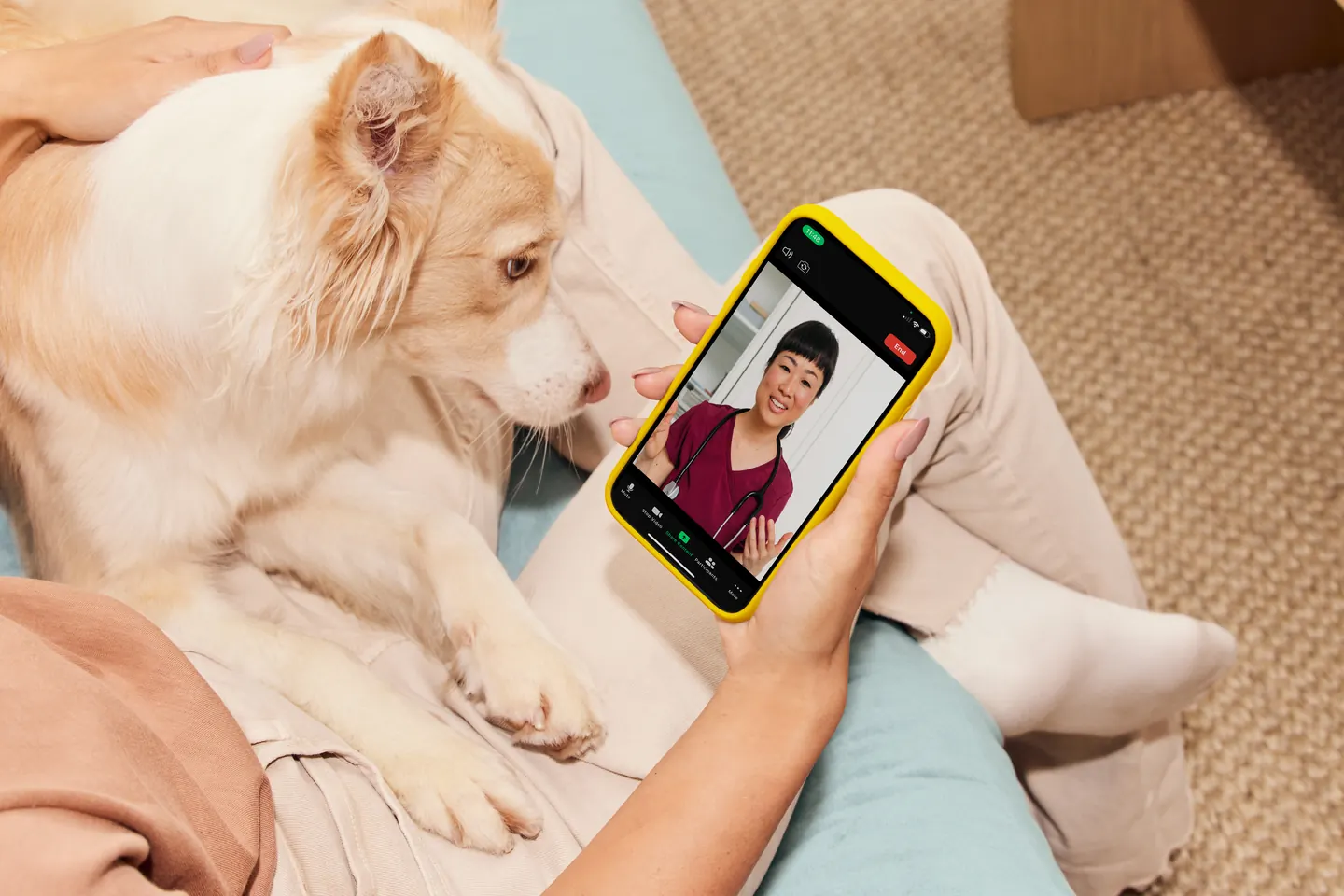
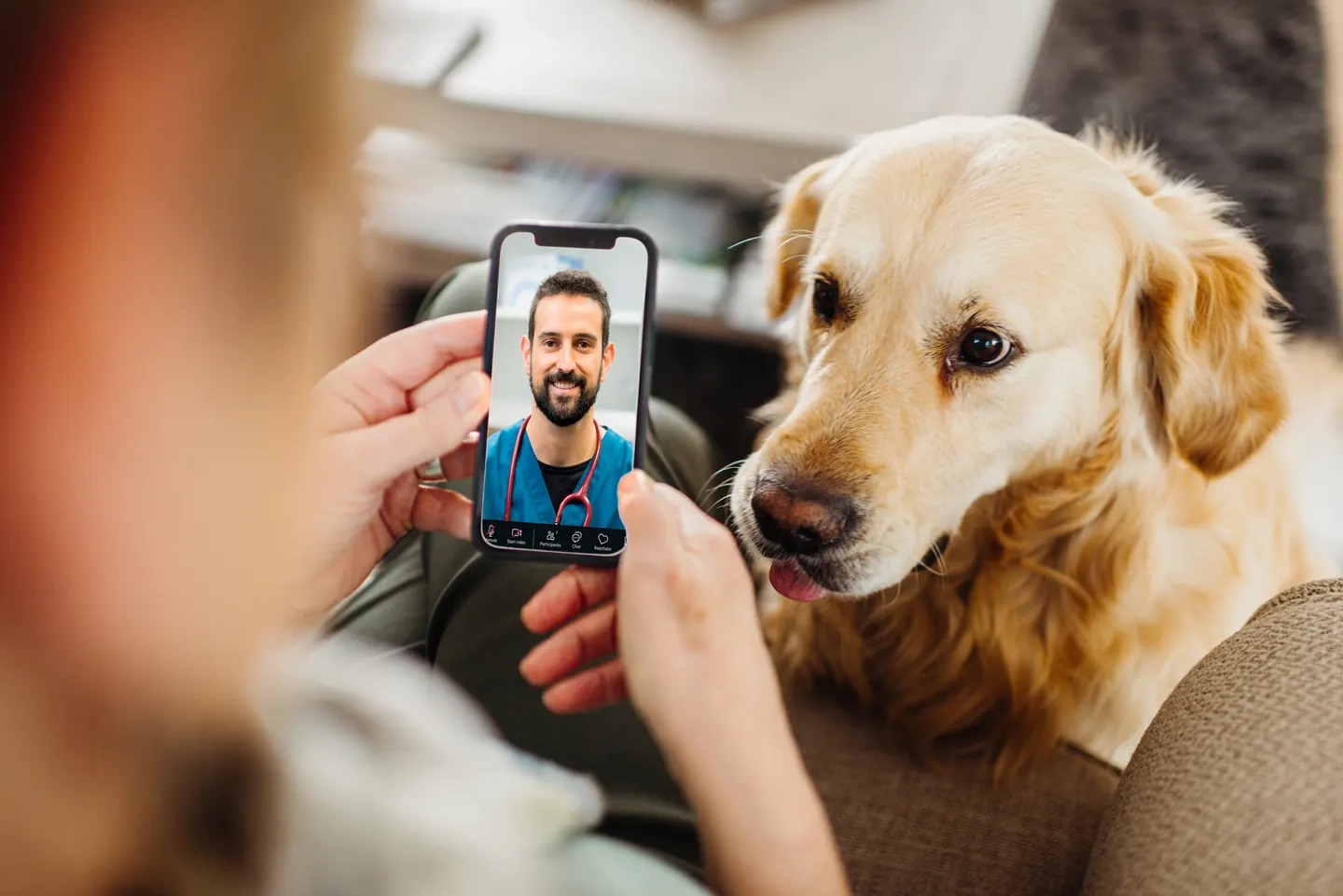
A licensed vet at Dutch can assess your dog over video and prescribe treatment when it's appropriate, delivered to your door.
Use code Pets60
Plans start at $12/month · covers up to 5 pets
- Licensed vets in most states
- Rx for 150+ conditions
- 4.7 on Trustpilot
Claro for dogs: what it treats, prescription status, and whether today is a vet day
Claro for dogs is a prescription, single-dose ear treatment that combines an antibiotic (florfenicol), an antifungal (terbinafine), and a steroid (mometasone furoate). The Claro label on DailyMed covers otitis externa, an outer ear infection, caused by susceptible yeast and bacteria, and restricts it to use by or on the order of a licensed veterinarian.
The veterinary team, not the owner, places Claro in the ear during a clinic visit, after examining the ears and checking that the eardrum is intact. One dose is labeled to work for 30 days, and a recheck follows. If your dog's ear is itchy, red, or smelly, today is a vet day.
- 1What Claro treats: outer ear infections in dogs linked to Malassezia yeast and Staphylococcus pseudintermedius bacteria.
- 2Who gives the dose: veterinary personnel in the clinic, one 1 mL dropperette per affected ear.
- 3The label says the effect should last 30 days, and cleaning the ear after dosing may reduce how well it works.
- 4It is for dogs only and is not used when the eardrum is known to be ruptured.
- 5Call the vet the same day for head tilt, loss of balance, hearing changes, eye pain, or eye discharge.

Claro otic solution is made by Elanco and approved by FDA under NADA 141-440. The label calls it antibacterial, antifungal, and anti-inflammatory, and marks it for use in dogs only, with a plain instruction not to use it in cats.
Although it is a liquid ear drop, this is not a bottle that goes home. The clinic gives Claro once, which is the main difference from daily ear drops.
The FDA Freedom of Information summary explains why it is prescription only: professional expertise is needed to diagnose otitis externa and choose the treatment. Based on the label and the Merck Veterinary Manual, Claro may not be the vet's choice when:
- The eardrum is ruptured or cannot yet be confirmed intact.
- The patient is a cat.
- The dog is allergic to florfenicol, terbinafine, or mometasone furoate.
- Cytology shows mainly rod-shaped bacteria, which Merck says may need a different drug class.
- The dog is used for breeding, pregnant, or nursing, since the label says safe use has not been evaluated.
Whatever the plan, if a dog keeps pawing at a sore ear, a recovery cone keeps paws away from it. The Barpor Protective Recovery Cone Dog Collar, Medium is a padded cone made from waterproof fabric. A cone is not a treatment and does not replace the exam, the Claro dose, or the recheck.
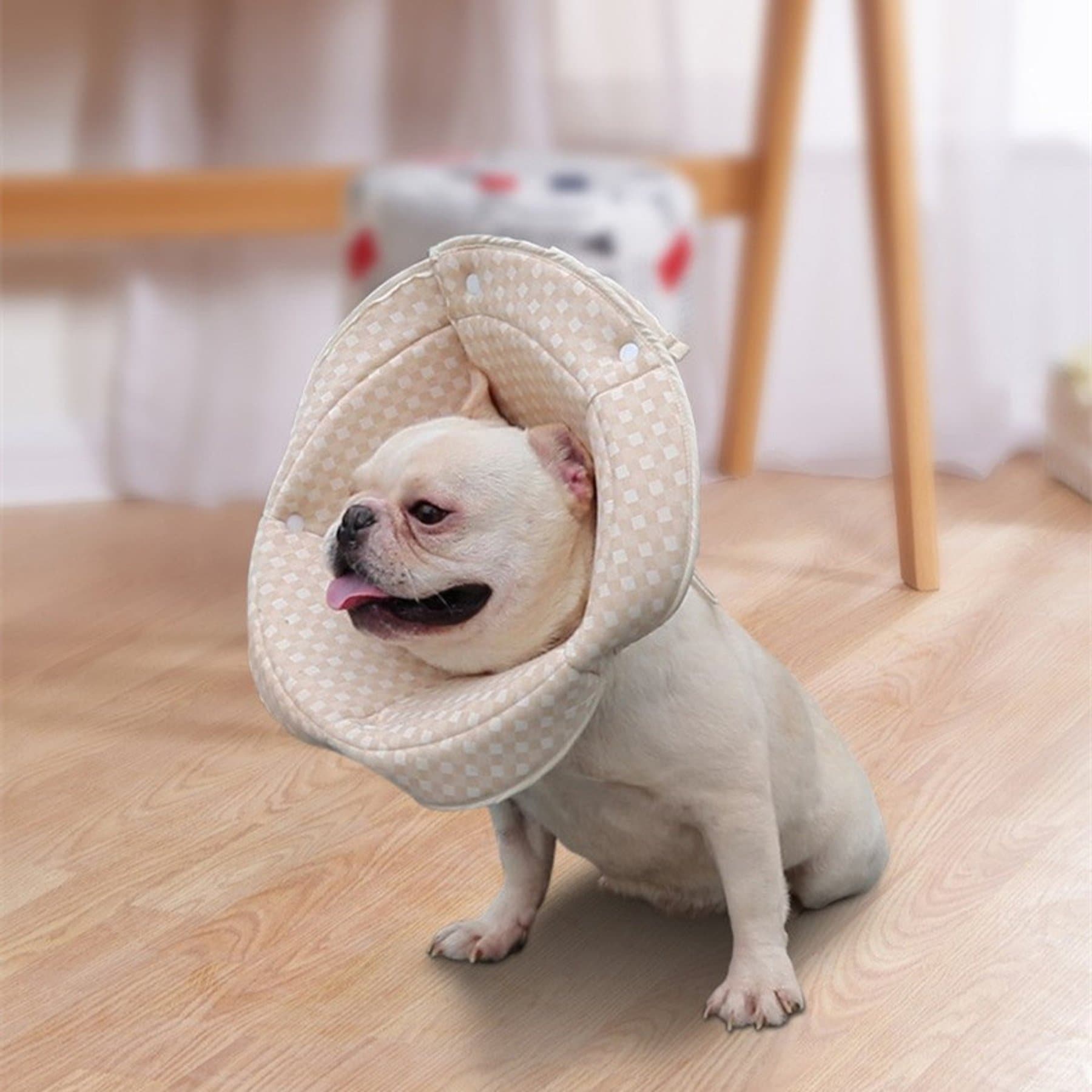
A padded recovery cone that keeps paws off an ear after a vet visit; it does not treat the infection.
Webvet may earn a commission when you click through to Chewy, at no extra cost to you.
A typical visit for a sore ear covers the signs that brought your dog in, a look down the canal with an otoscope, and a swab for ear cytology. WebVet's guide to dog ear infection symptoms lists what owners usually notice first, and the broader dog ear infection guide explains causes and outlook.
Claro dosage for dogs: the single in-clinic dose and who gives it
The Claro dose is fixed by the label rather than by weight, and the label is just as clear about who gives the dose: veterinary personnel, once, one dropperette per affected ear. The vet decides which ears need it and when to recheck; a daily drop course instead has the owner give each dose at home.
| Ear | What the label states | Who gives it | Recheck |
|---|---|---|---|
| One infected ear | Single dose: one 1 mL dropperette in the affected ear, once | Veterinary personnel in the clinic | Set by the vet; the field study checked dogs on Days 7, 14, and 30 |
| Both ears infected | Single dose in each affected ear, one dropperette per ear | Veterinary personnel in the clinic | Set by the vet; effect labeled to last 30 days |
| Eardrum not confirmed intact | Verify the eardrum is intact before dosing; do not use with a known perforation | The vet decides whether Claro is suitable | The vet chooses another plan and recheck timing |
| Daily at-home drop course (comparison) | Dose and frequency follow that product's own label and the vet's directions | Owner at home, after the vet shows how | Set by the vet, often after the course ends |

After the dose, the treated ear may look wet, and the label's safety study notes ear wetness or clear discharge after treatment. If the ear flap gets messy, ask the vet before wiping anything. The label says cleaning the ear after dosing may affect how well Claro works, so the vet decides whether any wiping is allowed.
The Veterinary Formula Clinical Care Ear Therapy Dog & Cat Ear Wipes, 100 count are over-the-counter wipes and are used on the outer ear flap only if the vet approves after a Claro dose; they do not replace the prescribed treatment or the exam.

Gentle over-the-counter ear wipes for the outer ear flap, used only if your vet approves after a Claro dose.
Webvet may earn a commission when you click through to Chewy, at no extra cost to you.
The label's dosing instructions are written for the clinic team. In short, this is how veterinary personnel administer Claro otic solution from its 1 mL dropperette:
- Clean and dry the external ear canal.
- Verify the eardrum (tympanic membrane) is intact.
- Wear eye protection and shake the dropperette before use.
- Remove the single dose dropperette from the package, open it, and screw on the applicator nozzle.
- Insert the tapered tip into the ear canal and squeeze in the entire 1 mL.
- Gently massage the base of the ear so the solution spreads.
- Restrain the dog to limit head shaking, then repeat in the other ear if prescribed.
Head shaking right after the dose is the reason for the eye protection. The label warns that splatter can reach the eyes of people and dogs nearby, so the team restrains the dog and keeps faces back.
The eardrum check is why the dose waits for an exam. Merck notes that debris in the canal often hides the eardrum, so cleaning or flushing may be needed first, and cytology samples are taken before any cleaning.
What if the ear is too sore to examine?
Very painful or swollen ears are harder. Merck says sedation may be needed for a same-day exam, and many dogs with severe ear disease do better with 1–2 weeks of anti-inflammatory and topical treatment before a full exam. In the Claro field study, ears were cleaned with saline before the single dose.
Each Claro package holds single-use 1 mL dropperettes sealed in blisters, in cartons of two, ten, or twenty. The label's storage range is 20°C–25°C (68°F–77°F), which matters to the clinic, since owners do not keep Claro at home.
What Claro is used for: yeast and bacterial ear infections in dogs
Claro treats otitis externa in dogs, an outer ear infection associated with susceptible strains of the yeast Malassezia pachydermatis and the bacterium Staphylococcus pseudintermedius. That is a narrow use: it does not cover middle or inner ear infections, ear mites, or ears with a ruptured eardrum.
Each mL of Claro contains 16.6 mg florfenicol, 14.8 mg terbinafine, and 2.2 mg mometasone furoate. The label explains what each one does:
- Florfenicol is a bacteriostatic antibiotic that stops bacteria from making proteins.
- Terbinafine is an antifungal that blocks an early step in the yeast's production of ergosterol.
- Mometasone furoate is a corticosteroid with anti-inflammatory activity.
So yes, Claro is an antibiotic for dogs in part, but it is really a three-in-one treatment for mixed yeast and bacterial ears. Merck notes that most prescription ear products combine an antimicrobial, an antifungal, and a steroid, and that the choice should follow ear cytology.
Ear cytology is a quick in-clinic test: the vet rolls a swab of ear debris onto a slide, stains it, and looks under the microscope for yeast, round bacteria (cocci), and rod-shaped bacteria. Merck says rod-shaped bacteria such as Pseudomonas may respond better to other drug classes.
Merck also notes that Malassezia yeast can live in low numbers in healthy dog ears and multiplies when the ear becomes inflamed. In the FDA summary, Claro succeeded in 58 Staphylococcus pseudintermedius cases (16 failures) and 85 Malassezia cases (23 failures).
Can you get rid of a dog's ear infection without antibiotics?
Sometimes, but a vet decides which ears qualify. Merck says oral antibiotics are not required for outer ear infections unless the middle ear is involved, and that antimicrobial or antifungal choices should follow cytology. Cleaning and fixing the cause also matter. WebVet's dog ear infection home remedies guide covers what is safe to try.
Ears keep coming back when the primary cause is missed. Merck says the inciting cause must be addressed to prevent recurrence, and lists allergy among the primary causes:
- Adverse food reaction
- Atopic dermatitis
- Allergic contact dermatitis
Claro treats the current infection; it does not fix an allergy behind it.
Ear cleaning is part of long-term control once the vet allows it. Merck says cleaners should have a neutral pH to lessen pain in inflamed ears, and that the first cleaning is ideally done in the clinic with the owner watching. WebVet's dog ear cleaner guide compares options.
The Virbac Epi-Otic Neutral-pH Advanced Dogs & Cats Ear Cleaner, 4-fl oz bottle is an over-the-counter cleaner that contains 0.2% salicylic acid. After a Claro dose it waits until the vet clears cleaning at the recheck, and it does not replace the prescribed treatment or the exam.
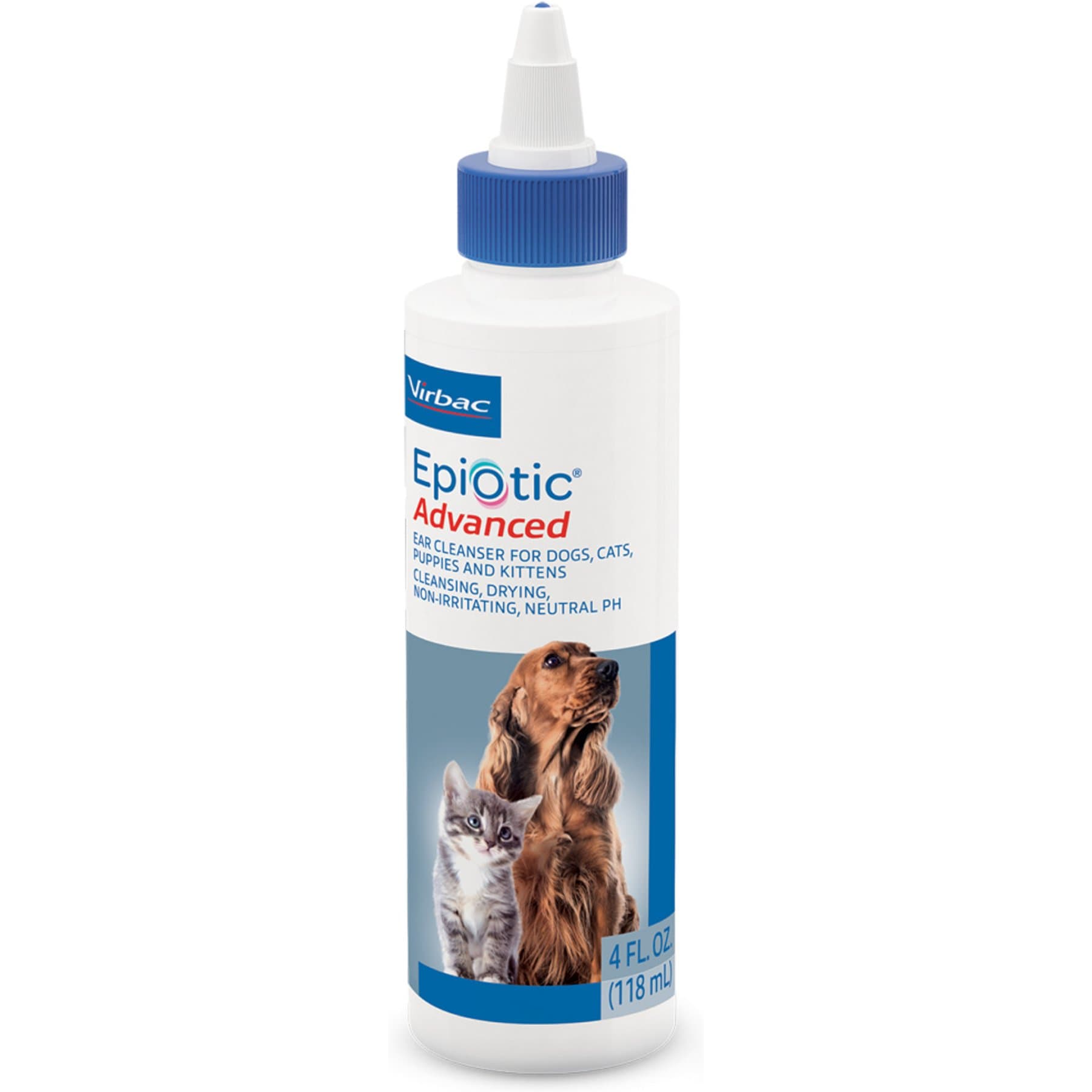
A neutral-pH ear cleaner for routine care once your vet says cleaning can restart after the recheck.
Webvet may earn a commission when you click through to Chewy, at no extra cost to you.
Not every dog gets a one-visit product. Other prescription ear medications are given at home for a set course, and dog ear infection treatment options vary with what cytology shows. Questions about oral antibiotics such as Clavamox, including how strong it is, are answered in WebVet's Clavamox guide.
Which route costs less depends on the dog. One clinic dose may suit a dog that fights ear drops, while a calm dog may manage a daily course at home. WebVet's guides to dog ear drops, Otomax for dogs, and Easotic for dogs explain the other prescription options a vet may offer.
The 7.5-g Mometamax Otic Suspension for Dogs is a prescription ear medication owners apply once a day at home; WebVet's Mometamax for dogs page explains it. Chewy Pharmacy fills it only with a veterinarian's prescription, as an alternative the vet may choose instead of Claro.
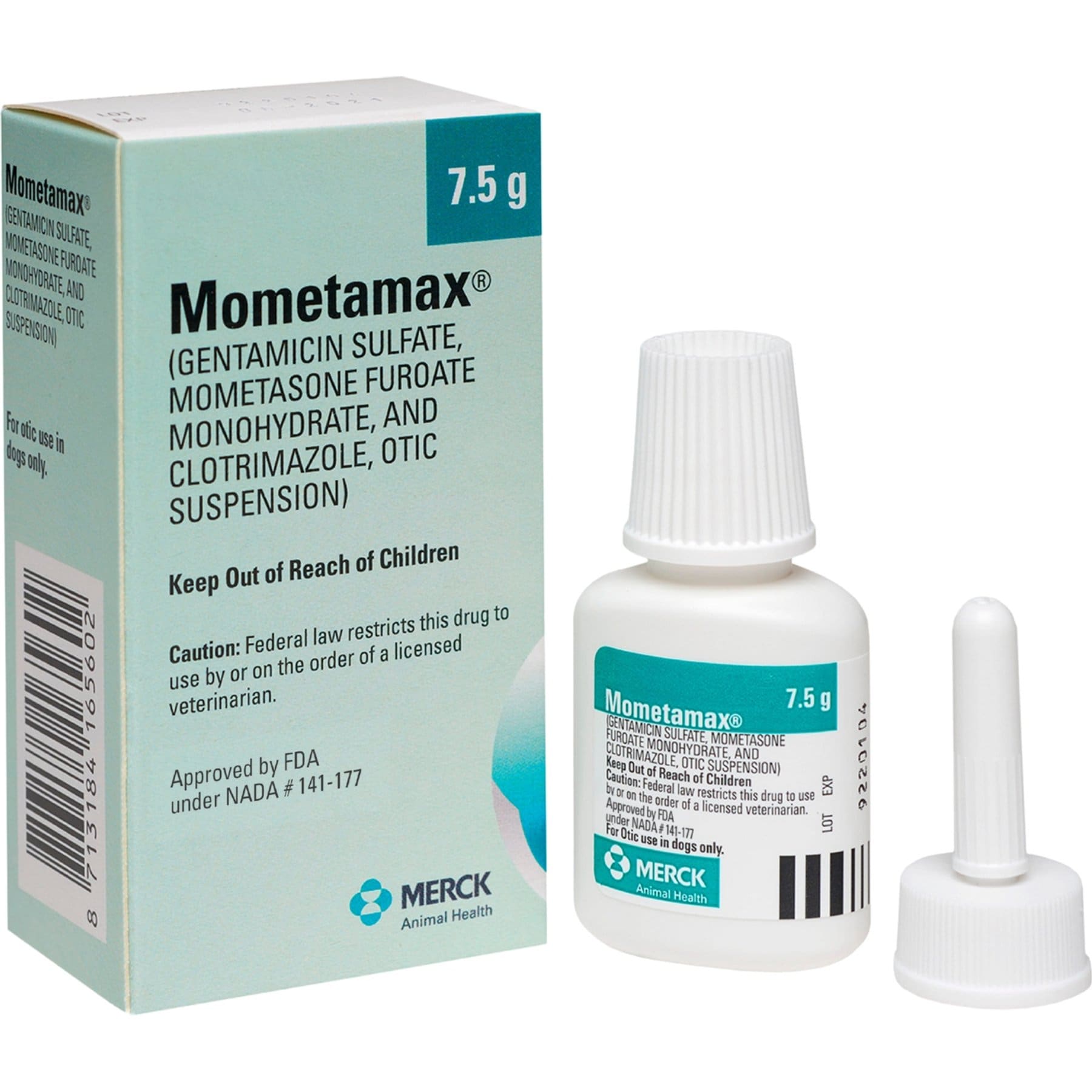
A once-daily prescription ear suspension owners give at home, filled only with a veterinarian's prescription.
Webvet may earn a commission when you click through to Chewy, at no extra cost to you.
Claro side effects in dogs
Most dogs handle Claro well. In the US field study on the label, there were no adverse reactions directly attributable to Claro in 146 treated dogs, and the FDA summary reports no clinically significant changes in blood work or urinalysis.
Since approval, the label lists these side effects reported in dogs, in decreasing order of how often they were reported:
- Ear discharge and head shaking
- Ataxia (wobbliness) and inner ear signs such as head tilt
- Deafness
- Vomiting
- Nystagmus (flicking eye movements)
- Ear flap irritation and ear pain
- Dry eye (keratoconjunctivitis sicca), vocalizing, and corneal ulcer
- Facial paralysis and eardrum rupture
The label is clear that these reports cannot show how often a side effect really happens or prove that Claro caused it.

The steroid in this ear medication can act beyond the ear. The label links topical ear steroids to adrenal suppression and iatrogenic Cushing's (hyperadrenocorticism) in dogs and advises caution in dogs with liver problems. Its safety study in young Beagles at up to five times the dose found adrenal and liver changes.
The label also reports corneal ulcers and other eye injuries in people when a dog shook its head after the dose, which is one reason the dose stays in the clinic.
Eye pain, squinting, redness, or discharge in a dog after a Claro dose is a same-day call to the vet, not something to treat with over-the-counter drops. For an eye problem unrelated to the ear treatment, WebVet covers what eye drops vets use and what is sold over the counter, how a dog eye infection is cleared and how long it takes, and whether Benadryl helps.
 Sponsored
Vet care that's always there
Unlimited video calls and messaging with licensed vets for less than a typical vet visit. One membership covers up to five pets.
Use code Pets60
Plans start at $12/month · covers up to 5 pets
- Licensed vets in most states
- Rx for 150+ conditions
- 4.7 on Trustpilot
When to call the vet now after a Claro treatment
Is Claro safe for dogs? For most dogs with an intact eardrum, yes, but the label names signs that need a same-day call. Owners are told to watch for these and contact the veterinarian if any appear:
- Ear pain and irritation
- Vomiting
- Head shaking
- Head tilt or incoordination (stumbling, circling, loss of balance)
- Eye pain or eye discharge

Can Claro make a dog deaf? Deafness is on the label's list of events reported since approval. In the FDA summary, none of the dogs that completed the study through Day 30 lost their hearing. The label says these reports cannot show how often it happens, so any hearing change is a reason to call, not wait.
Merck adds that when the eardrum could not be seen, owners should watch for decreased hearing, head tilt, and vertigo, and treatment is stopped until the dog is examined.
Suspected reactions can also be reported to Elanco Product & Veterinary Support at 888-545-5973 or to FDA at 1-888-FDA-VETS, both listed on the label.
Ruptured eardrums, interactions, and Claro versus Osurnia
The label says not to use Claro in dogs with a known ruptured eardrum, or in dogs allergic to florfenicol, terbinafine, or mometasone furoate. Merck explains why eardrum checks come first: many ear medications can damage hearing, and the risk is higher when the eardrum is not intact.
Safe use in breeding, pregnant, or nursing dogs has not been evaluated. The label sets no minimum age; the field study enrolled dogs at least 12 weeks old. The label lists no drug interactions, so tell the vet about every medicine and supplement your dog takes, including steroids.
Is Claro ok for cats?
No. The label says Claro is for use in dogs only, not in cats, and states that it is not approved for cats. Reports after extra-label use in cats include wobbliness, loss of appetite, head tilt, Horner's syndrome (a drooping upper eyelid, a raised third eyelid, and a small pupil), lethargy, eardrum rupture, and deafness.
Two other names come up with this product:
- Bayer: the same product under its original sponsor. The original FDA summary lists Bayer HealthCare LLC, Animal Health Division as the sponsor at approval in 2015; the current label is from Elanco US Inc.
- Simplera, a generic version: in 2022, FDA approved Simplera Otic Solution from Vetoquinol USA with the same active ingredients, concentration, and dosage form as Claro. It is also a prescription treatment, sold in cartons of 10 dropperettes.
Claro vs Osurnia is the comparison most owners ask about. The Osurnia label on DailyMed lists a gel with florfenicol, terbinafine, and a different steroid, betamethasone acetate. The practical differences:
- Claro: one dose per ear, effect labeled to last 30 days.
- Osurnia: one tube per ear, repeated in 7 days, and no ear cleaning for 45 days after the first dose.
- Both: given by veterinary personnel, eardrum checked first, dogs only.
The Osurnia (florfenicol, terbinafine, betamethasone acetate) Otic Gel for Dogs, 1-mL, 1 tube is listed at $18.40 per tube on Chewy when checked in November 2026. It is filled only with a veterinarian's prescription, and its label says a veterinary professional gives each dose. WebVet's Osurnia for dogs page covers it in full.
After the Claro visit: home ear care, the recheck, and cost
How long does Claro last? The label says the effect should last 30 days. The label gives no time for when it starts to work; in the field study, dogs were checked on Days 7, 14, and 30, and success was judged at Day 30.

Home care after the visit is mostly about leaving the ear alone:
- Do not clean inside the treated ear canal unless the vet says so.
- Ask the vet before using any other ear product in that ear.
- Keep paws away from the ear if the dog scratches at it.
- Book the recheck before you leave the clinic.
For a small dog that will not tolerate a cone, the ZenPet ZenCollar Inflatable Recovery Dog & Cat Collar, Small is an inflatable recovery collar. It only blocks scratching and does not replace the Claro treatment or the exam.
What the recheck decides depends on what the vet finds:
- Whether the infection has cleared on exam and repeat ear cytology
- Whether the eardrum looks healthy
- When ear cleaning can restart
- Whether ears that keep coming back need a work-up for allergies or other causes
Merck advises an exam and cytology weekly to every other week until there is no evidence of infection, and notes that most acute cases take 2–4 weeks.
Owner reviews online cannot show whether each dog had the right diagnosis; the strongest evidence is the label's field study. Of 183 dogs in the effectiveness evaluation, 72.5% treated with Claro were judged successful at Day 30, compared with 11.1% given the inactive solution.
Claro for dogs has no consumer price, because veterinary personnel give it and it is billed as part of the visit. Owners cannot buy Claro otic solution without a vet prescription; the only place to get it is the vet clinic. The bill for a Claro visit usually covers:
- The exam and ear cytology
- Ear cleaning before the dose
- One dose per affected ear
- The recheck visit
Daily drops move the work to the owner. The 7.5-g Otomax (Gentamicin / Betamethasone / Clotrimazole) Otic Ointment for Dogs is listed at $30.99 on Chewy when checked in November 2026, and Mometamax 7.5-g at $38.99. Both are filled only with a veterinarian's prescription, after a diagnosing visit.
Claro questions
Frequently Asked Questions
How long does Claro last in a dog's ear?
The label states a 30-day duration of effect from one dose. That is why the ear is left uncleaned for those days unless the vet says otherwise. The recheck, timed by the vet, confirms the infection has cleared rather than assuming it has.
How much does Claro cost for dogs?
There is no single published price. Claro is a clinic-administered product, so the cost appears on the clinic visit bill along with the exam, ear cytology, cleaning, and the recheck. Ask the clinic for an estimate that includes both ears if both are infected.
Is Claro an antibiotic?
Partly. Claro contains florfenicol, an antibiotic that stops bacterial growth, plus terbinafine for yeast and mometasone furoate for inflammation. It is placed in the outer ear canal rather than given by mouth.
Is Claro safe for dogs?
For most dogs with an intact eardrum, yes, when a veterinarian chooses and gives it. It is not used in dogs with a known ruptured eardrum or an allergy to its ingredients, and hearing or balance changes afterward need a call to the vet.
Can you buy Claro without a vet prescription?
No. Claro is a prescription drug, and the label says veterinary personnel give the dose in the clinic. A veterinarian has to examine the ear, confirm the eardrum is intact, and decide that Claro fits the infection.
Veterinarian · BVMS MRCVS
Dr. Pippa Elliott, BVMS, MRCVS, is a veterinarian with nearly 30 years of experience in companion animal practice. Dr. Elliott earned her Bachelor of Veterinary Medicine and Surgery from the University of Glasgow. She was also designated a Member of the Royal College of Veterinary Surgeons. Married with 2 grown-up kids, Dr. Elliott has a naughty Puggle named Poggle, 3 cats and a bearded dragon.


