Vet Approved Ear Cleaner for Dogs: How to Choose
Compare four dog ear-cleanser formulations and the questions that help your veterinarian match a product to routine care, yeast-prone ears, or an existing treatment plan.

BVMS MRCVS
Medically reviewed by Dr. Pippa Elliott, BVMS MRCVS · Last reviewed

This article contains affiliate links. Webvet may earn a commission when you buy through them, at no extra cost to you.
A vet approved ear cleaner for dogs is most useful when it means your veterinarian has recommended the exact formulation for your dog’s ears. There is no single bottle that suits every healthy ear, painful infection, or treatment plan. The right choice depends on what needs removing, whether the ear is inflamed, and whether another medicine is already being used.
This guide compares four different cleanser options by their stated purpose and ingredients. Use it to prepare a focused conversation with your clinic, not to diagnose an infection from wax color or choose the strongest-looking label. If your dog has pain, redness, odor, or repeated head shaking, an examination comes before shopping for a cleaner.
For a product-by-product comparison, see Petful's best dog ear cleaner guide.
- 1A vet-approved choice is an individual recommendation, not a guarantee that a product suits every dog.
- 2Check the exact formulation: a routine cleanser, medicated flush, and ear treatment can have different instructions.
- 3A painful ear or new discharge needs assessment before home cleaning.
- 4Ask when to clean and whether cleaning is compatible with any ear medicine.
 Sponsored
Have a health question about your dog?
Talk to a licensed vet at Dutch over video or message, including nights and weekends.
Use code Pets60
Plans start at $12/month · covers up to 5 pets
- Licensed vets in most states
- Rx for 150+ conditions
- 4.7 on Trustpilot
What makes an ear cleaner appropriate for your dog?
What is the best ear cleanser for dogs?
The best ear cleanser for a dog is the exact formulation that matches the reason for cleaning.
Normal wax, called cerumen, needs a different decision from painful otitis or a canal containing long-acting medicine. Ask your veterinarian whether the goal is routine wax removal, drying after water exposure, or supporting a diagnosed treatment plan. A brand recommendation without that purpose is incomplete.
Match the bottle to the job
A label such as vet approved describes a recommendation, not a universal safety certification for every ear. Ask who is recommending the product, which formulation they mean, and whether they have assessed this dog’s current problem. An older recommendation for a healthy ear may need revisiting when pain, discharge, or medication changes the situation.
The same reasoning applies to a Golden Retriever, Labrador, French Bulldog, a spaniel, or a dog that swims often: breed and activity can inform the conversation, but do not choose the bottle by themselves. Bring the previous product’s full name and describe how the ear responded. That is more useful than asking for the strongest or most expensive cleanser.
Start with the job the cleaner needs to do. A dog with a small amount of normal wax has a different decision from a dog with a swollen, painful canal or repeated yeast infections. Tell the veterinarian whether you want routine maintenance advice, a plan after swimming, or help with new symptoms. That context is more useful than asking for the strongest ear wash.
- What is the intended job: routine wax removal, debris removal during treatment, or maintenance after recovery?
- Is the ear currently safe and comfortable enough to clean at home?
- Which exact bottle, formulation, and size should I obtain?
- How often should I use it, and what change means I should stop and call?
| Product | Formulation and intended role | Question to ask before using |
|---|---|---|
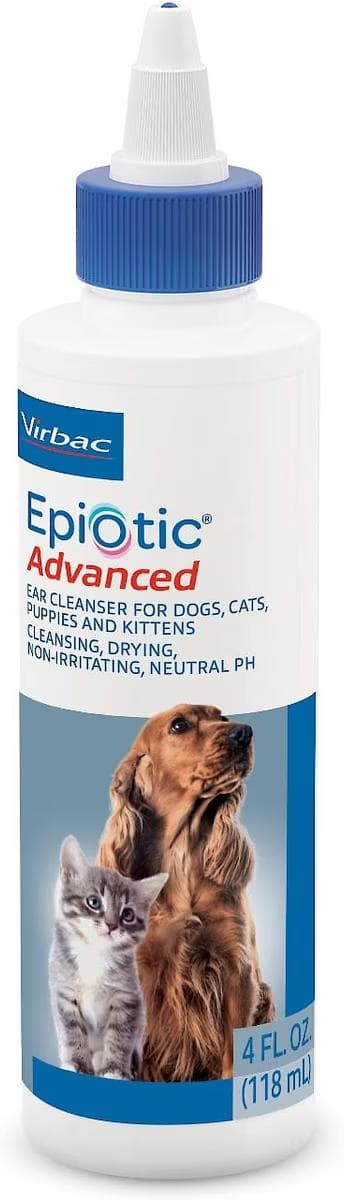
| Virbac Epi-Otic Advanced | Routine ear cleanser | Does this fit my dog’s maintenance or prescribed cleaning plan? |
| Dechra TrizULTRA + Keto | Tris-EDTA and 0.15% ketoconazole ear cleanser | Are these ingredients appropriate for the current findings? |
| Vetnique OticBliss Ear Flush | Chlorhexidine and ketoconazole ear flush | Does this exact flush fit the diagnosis and other medicine? |
| Vet’s Best Ear Relief Wash & Dry | Two-product botanical washing and drying kit | Should my dog use both stages, and is this formulation suitable? |

An appropriate cleaner also has to work within the treatment plan. For example, a label may describe a product as useful before some topical treatments, while a particular leave-in medicine may prohibit cleaning for a defined period. Resolve that apparent conflict with the prescribing clinic. General product language cannot replace the instructions for the medicine actually in your dog’s ear.
Healthy ears do not need an automatic daily flush
Some dogs need little cleaning, while others benefit from a maintenance schedule after their ear disease is controlled. More frequent cleaning is not automatically more protective. Cornell’s ear-care guidance notes that overcleaning can irritate ears. Look at your dog’s usual condition and the veterinarian’s instructions instead of applying one timetable to every breed.
Floppy ears, swimming, and a history of allergy-related inflammation can influence the discussion, but they do not prove that every dog in that group needs the same product. A puppy also needs an age-appropriate choice and gentle handling. If you have several pets, confirm each animal’s plan rather than sharing a routine simply because the bottle mentions dogs and cats.
An over-the-counter ear flush is a purchase category, not a diagnosis. Check whether the recommended product is intended for routine cleaning, a particular debris problem, or use alongside treatment. If the plan names one formulation, confirm a proposed replacement with the clinic before ordering. A bottle available without a prescription still needs to fit the examined ear and its current medicines.
Choose a format you can use as instructed
A home ear cleaner for dogs should fit the person doing the care as well as the cleaning task. Tell the clinic if squeezing a bottle is difficult, if your dog avoids the sound of liquid, or if you cannot safely hold an ear flap. Those practical limits can change the demonstration or product format you need. A larger bottle or a more elaborate kit does not solve a handling problem.
Compare a liquid flush, a surface wipe, and a two-part wash-and-dry kit by the work each is meant to do. A wipe is convenient for accessible surfaces, but it does not deliver a prescribed canal flush. A kit adds a second product and a second set of directions. Choose it only when both steps belong in the plan. Keep the exact product name beside the instructions so another household member can repeat the intended routine.
Price comparisons are more useful after those choices are settled. Check the amount supplied, whether the purchase contains one bottle or a pair, and whether the listing names the same formulation the clinic recommended. Do not estimate a treatment cost by assuming every cleaner uses the same volume or frequency. Ask for an appropriate bottle size for the planned course rather than buying extra because the cost per ounce is lower.
 Sponsored
Vet care that's always there
Unlimited video calls and messaging with licensed vets for less than a typical vet visit. One membership covers up to five pets.
Use code Pets60
Plans start at $12/month · covers up to 5 pets
- Licensed vets in most states
- Rx for 150+ conditions
- 4.7 on Trustpilot
Four dog ear cleaners to discuss with your vet
Each canine ear cleaning solution below serves a particular role. These four picks illustrate formulation differences; they are not a head-to-head clinical trial, and the table does not rank cure rates.
Compare the complete product name with the recommendation, including whether it is a wash, flush, cleanser, or wash-and-dry kit.

These are four different formulations, not a ranking from mildest to strongest or proof that one cures an infection better than the others. The comparison uses current manufacturer descriptions. We have not conducted a head-to-head clinical trial or hands-on efficacy test. Availability and prices can change, so compare the exact formulation with the bottle your clinic named.
Virbac Epi-Otic Advanced
Virbac Epi-Otic Advanced is a routine ear cleanser rather than a prescription antibiotic or an antifungal treatment selected after testing. Virbac’s product page identifies routine cleansing as its purpose. It is a practical product to discuss when the clinician wants a maintenance cleaner or a compatible cleaning step in a broader plan.
Webvet may earn a commission when you click through to Chewy, at no extra cost to you.
Its role matters more than the general appeal of a familiar brand. An ear can look cleaner while still needing treatment, and a dog with recurrent disease may need a separate discussion about the underlying cause. If Epi-Otic is recommended during an infection, ask how its timing relates to the prescribed medicine and when the ear should be checked again.
- Best discussion point: routine cleansing and the specific cleaning task your vet has identified.
- Do not infer: that a routine cleanser replaces diagnosis or every prescription.
- Check: the full Epi-Otic Advanced name, directions, and your dog’s current treatment schedule.
Dechra TrizULTRA + Keto
Dechra TrizULTRA + Keto contains Tris-EDTA and 0.15% ketoconazole. Dechra describes it as an ear cleanser for conditions expected to respond to those ingredients. The ketoconazole component makes this a different formulation decision from choosing an everyday grooming product simply because it removes wax.
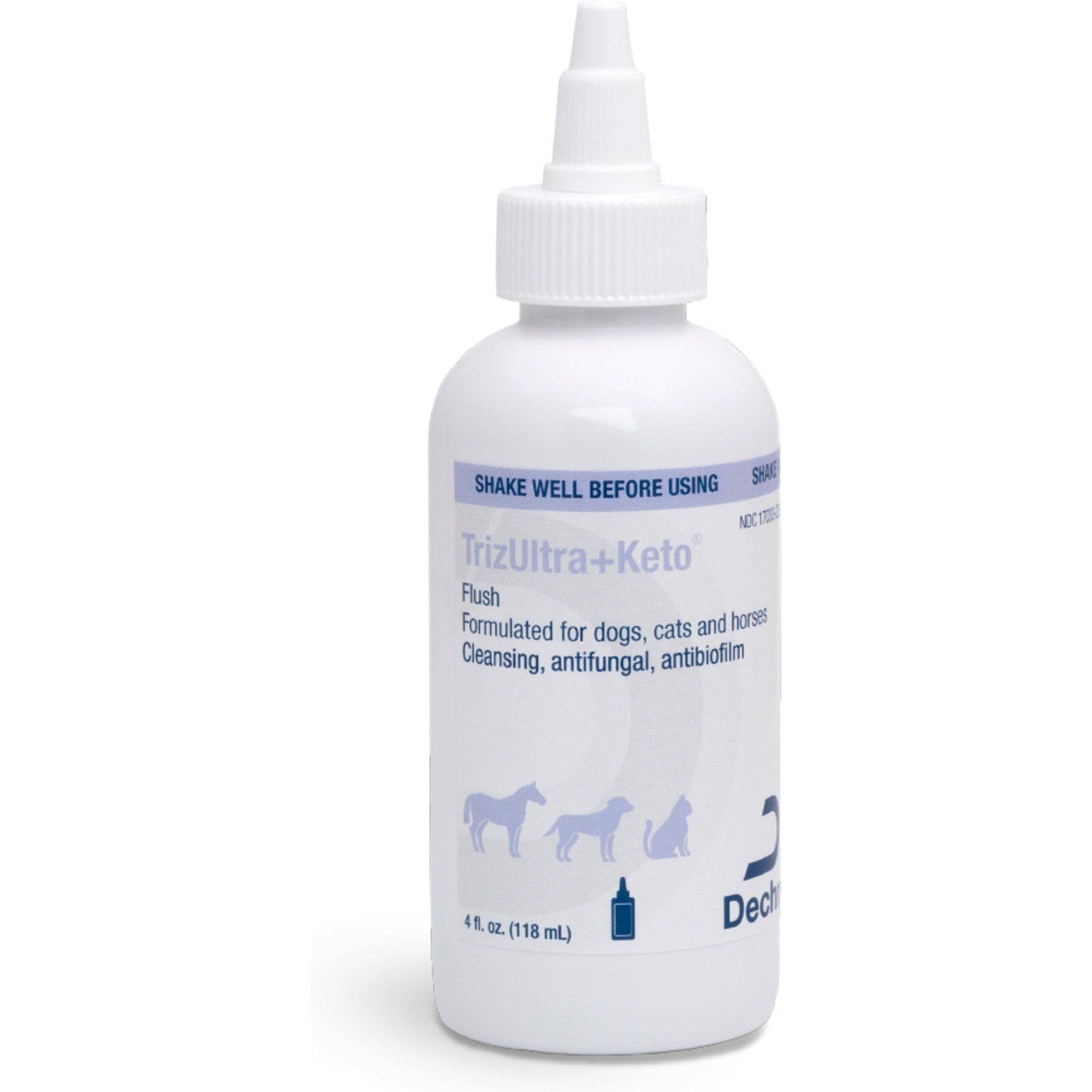
A ketoconazole-containing ear flush to discuss with your veterinarian when routine cleaning is not enough. Use only as directed for your dog.
Webvet may earn a commission when you click through to Chewy, at no extra cost to you.
A veterinarian may include a formulation like this in a yeast-related care plan, but the ingredient list does not tell you whether yeast is causing your dog’s symptoms or whether another organism is also present. It also does not establish compatibility with every other ear medicine. Confirm whether this is the actual product intended, when to use it, and what follow-up the clinic expects.
- Best discussion point: a clinician-selected cleanser where the listed ingredients fit the findings.
- Do not infer: that all products with Triz in their name are ear cleansers.
- Check: ear-use directions on this exact product rather than directions for a similarly named skin product.
Vetnique OticBliss Ear Flush
Vetnique OticBliss Anti-Bacterial and Anti-Fungal Ear Flush is a chlorhexidine-and-ketoconazole formulation. The manufacturer’s product page describes this specific flush. The brand also sells other ear products, so a general instruction to buy OticBliss is not enough to establish which one the clinician means.
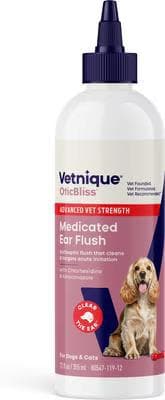
Vet-strength medicated ear flush that clears wax, debris, and odor while its antibacterial and antifungal formula targets the yeast and bacteria behind ear infections. For dogs and cats.
Webvet may earn a commission when you click through to Chewy, at no extra cost to you.
This is a useful example of why formulation matters more than brand. A flush is not interchangeable with a hydrocortisone-containing ear drop from the same range. Nor should an owner add an antimicrobial flush to a retained treatment because both seem relevant to infection. Ask the prescribing clinic to confirm the exact combination before putting another product into the ear.
- Best discussion point: whether this medicated flush belongs in the plan for the examined ear.
- Do not infer: that antibacterial wording identifies the organism causing the problem.
- Check: the complete product name and ingredients, especially when replacing an empty bottle.
Vet’s Best Ear Relief Wash & Dry
Vet’s Best Ear Relief Wash & Dry is a two-product kit, so the wash and drying steps need to be understood separately. The manufacturer describes its botanical formulation, including ingredients such as aloe and tea tree oil. A formulated pet product is different from pouring a household essential oil into an ear.
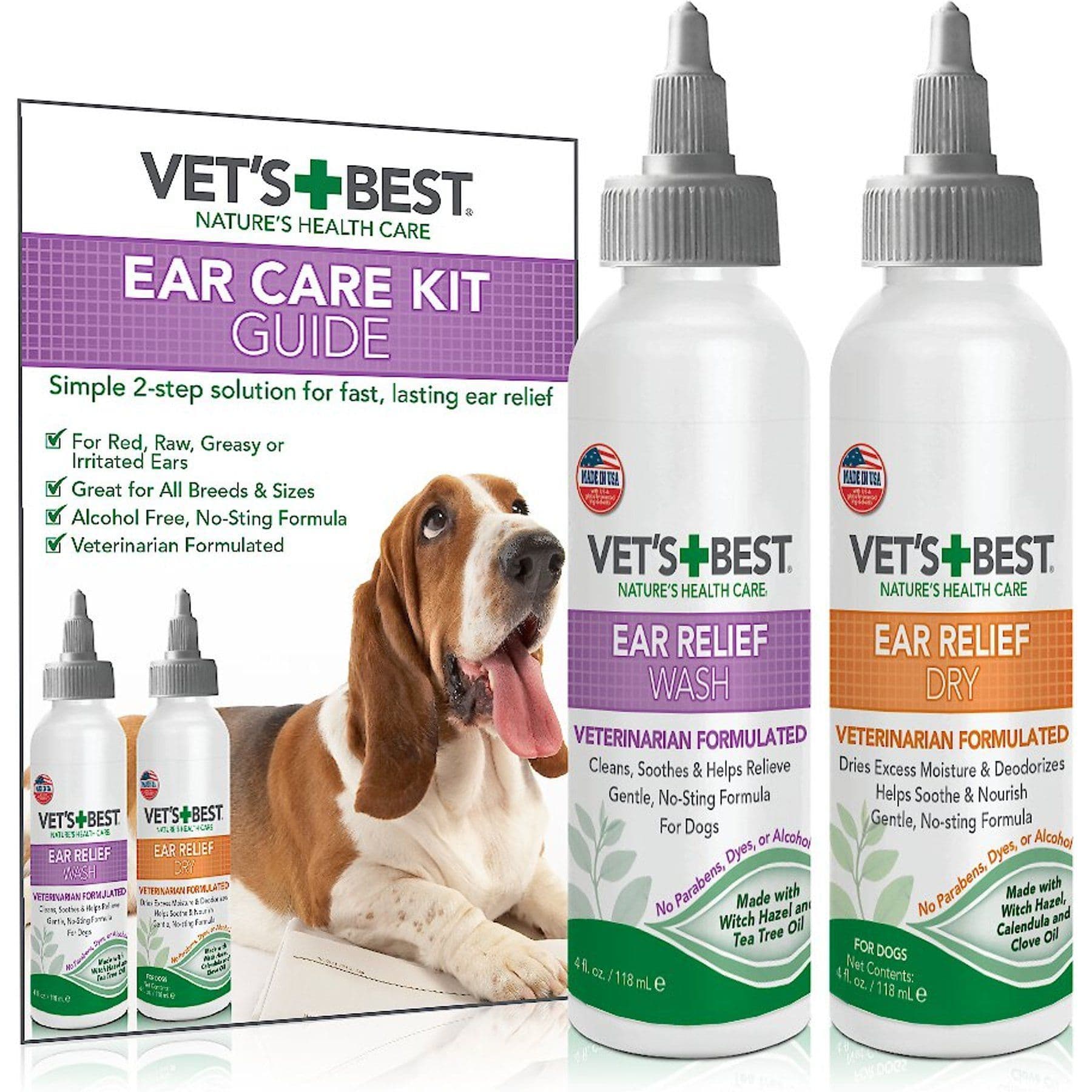
A two-step wash and drying formula for routine ear care. Follow both product labels and ask your veterinarian before use in painful ears.
Webvet may earn a commission when you click through to Chewy, at no extra cost to you.
Botanical or alcohol-free wording should not be read as a universal safety guarantee. Ask whether this exact kit suits your dog, whether both steps are needed, and whether the clinician prefers another formulation for an inflamed or medicated ear. Follow the selected product’s directions rather than adding ingredients, diluting it yourself, or borrowing a recipe that happens to mention the same plant.
- Best discussion point: a washing and drying routine specifically recommended for this dog.
- Do not infer: that natural ingredients cannot irritate or that homemade oils are equivalent.
- Check: instructions for each bottle rather than treating the kit as one interchangeable liquid.
Using an approved cleanser without overcleaning
Flushing out a dog’s ears at home should mean only the gentle method your practice has demonstrated for an approved cleanser. It does not mean using pressure to reach deeply lodged material. A blocked or painful canal may need professional care before ordinary cleaning is possible.
Dark brown or black gunk in a dog’s ears is a reason to check the whole picture. Earwax can darken, but black debris can also occur with problems that need an examination. A photograph or the color of a cotton pad cannot decide the cause. Do not scrub repeatedly until the pad looks white or try to remove material you cannot reach comfortably.
Prepare for the approved cleaning method
Once your veterinarian has selected the cleaner, the next decision is technique and timing. Ask for a demonstration if you are uncertain about handling the ear, how much to use, or how to keep the nozzle outside the canal. Have cotton or gauze and a towel ready before starting. A calm setup helps you notice discomfort instead of rushing to finish.
Use the step-by-step dog ear-cleaning guide for the technique your clinic has cleared. Avoid inserting cotton swabs or pushing material down the canal. If your dog cries, pulls away repeatedly, or cannot tolerate the cleaning, stop and contact the practice. Pain is a reason to reassess the plan, not a reason to hold the dog more firmly.
- 1Use the approved cleanser in the exact formulation named by the clinic.
- 2Follow the cleaning schedule for this dog and this episode.
- 3Confirm the order and spacing of cleaner and any ear medicine.
- 4Stop for pain or worsening signs and contact the prescribing clinic.
After swimming or bathing, gently dry the visible outer ear and follow the preventive routine your veterinarian recommends. Do not automatically flush a painful ear simply because it got wet. Water exposure may be relevant to the history, but a new odor or head shaking still needs to be understood in context. Mention whether the signs began before or after the water exposure.
Brown debris is a finding, not a product-selection test
Brown material may be wax or discharge associated with inflammation or infection. Its color does not choose a cleaner or prove yeast. If debris is new, heavy, smelly, painful, or quickly returns, arrange an examination rather than repeatedly scrubbing it away. The clinician may want to inspect the material or collect a sample before you clean.
If the ear has already been assessed and routine cleaning is appropriate, use the approved technique to remove loosened material from accessible surfaces. Do not dig for deeply packed debris or attempt a high-pressure flush. Ask the practice to handle a blocked canal or material you cannot remove gently; deeper cleaning may require equipment, pain relief, or sedation.
A maintenance schedule should have a reason
Keep a simple note of cleaning dates and any discomfort, odor, or change in discharge. That helps the clinic judge whether the routine is working or needs adjusting. Our guide to how often to clean dog ears covers the difference between normal ears, maintenance, and an active treatment schedule, including why peroxide is not a routine substitute.
Keep the original label with the bottle
Leave a cleanser in its original container so the product name, directions, and any lot or expiry information stay available. An unlabeled travel bottle makes it harder to distinguish a routine wash from a medicine or to explain an unexpected reaction. Before using a bottle left over from a previous episode, check the label and ask the practice whether it is still the right formulation for the current plan.
Storage and preparation instructions belong to the exact product. For example, the TrizULTRA + Keto label specifies shaking before use, closing the cap tightly, and room-temperature storage. Those details are easy to miss when a product is remembered only as the blue bottle or the antifungal wash. Read your current container rather than transferring those directions to every ear cleaner.
If you cannot establish what an old bottle contains or whether it was stored as directed, ask the clinic or manufacturer before using it. Do not combine leftover bottles, add water to stretch a supply, or use scent as an expiry test. Keeping the full label also gives the veterinarian something concrete to check if the dog becomes uncomfortable after cleaning.
After swimming, grooming, and shared care
Tell a groomer, boarding facility, or pet sitter when an ear has a current veterinary plan. Share the exact cleanser, the next scheduled cleaning, and any instruction to leave medicine in place. If they offer an ear-cleaning service, confirm what that service includes before agreeing. This helps prevent an extra flush or a different product being added between treatments.

Agree who will record each cleaning. A short entry with the date, the ear involved, and any difficulty is enough to prevent two people repeating the same session. Record a missed or stopped attempt honestly rather than treating it as completed. If the dog suddenly resists a previously comfortable routine, report that change instead of asking the next caregiver to try more firmly.
When an ear cleaner is the wrong next step
An ear cleaner is not a diagnosis. New pain, redness, discharge, persistent scratching, or repeated head shaking can reflect several problems, including infection, allergy-related inflammation, parasites, or something lodged in the canal. VCA’s guide to canine otitis explains why examination and appropriate testing guide care. A shopping comparison cannot make that distinction.
- Arrange a veterinary assessment for a painful, smelly, swollen, or repeatedly itchy ear.
- Describe balance changes, a head tilt, marked hearing changes, or severe pain promptly so the clinic can triage urgency.
- Do not add cleaner to a recently treated ear until you know the medicine’s cleaning restrictions.
- Do not reuse another pet’s medicine or an old prescription as a substitute for checking a new episode.
If yeast is suspected, the clinical yeast-ear guide explains how vets distinguish yeast from lookalikes. The separate cleaner guide for yeast-prone ears focuses on matching cleanser ingredients to that plan. Neither a natural product nor a particular discharge color can establish which organism is present.
For a diagnosed infection, read the dog ear infection treatment guide with your written instructions in hand. It explains medicine, cleaning, pain management, cost questions, and follow-up as separate decisions. If cost or transport makes an examination difficult, tell the clinic early so it can discuss practical options rather than trying a succession of unapproved products.
An ear problem needs a cause, not just a cleaner
The dog ear infection overview explains how moisture, ear structure, and underlying disease can contribute to problems. Terms such as swimmer’s ear or canker do not identify the organism or select a cleanser. If a dog develops new symptoms after swimming, arrange advice rather than treating the timing as proof that a drying product will solve the cause.
For suspected parasites, the ear-mite overview explains why cleaning and mite treatment are separate jobs. A dog ear cleaner may help remove debris when the clinician recommends it; it does not establish that mites caused the problem or replace the prescribed parasite treatment. Confirm the diagnosis and care sequence before choosing a bottle because it is advertised for dirty ears.
Household substitutes and routine cleaning questions
Do not treat a kitchen ingredient as equivalent to a formulated ear cleaner. Vinegar, peroxide, alcohol, and oil mixtures have different properties, and a familiar dilution does not show that a mixture suits an inflamed canal or an injured eardrum. The homemade dog ear-cleaner comparison explains common recipes and why a ratio alone cannot establish safety.
If you run out of the cleanser the clinic named, ask what to do until you can replace it.
Avoid changing the cleaning step during a medicine course without checking first. A replacement from the same brand can have different ingredients or a different purpose. Read back the full name and any active ingredients to make sure the advice applies to the bottle you actually have.
Questions about choosing an ear cleaner
Frequently Asked Questions
How do you get brown gunk out of a dog's ear?
First determine whether the ear needs examination. New, painful, smelly, or recurrent brown debris should be assessed before cleaning. If your veterinarian has cleared home cleaning, use the recommended cleanser and gently wipe away loosened material from accessible surfaces. Do not push swabs into the canal or dig out packed debris. Call if the material quickly returns or cleaning hurts.
What is the safest ear cleaner for dogs?
The safest choice depends on the individual ear and treatment plan. Ask your veterinarian to recommend an exact formulation after considering inflammation, the eardrum, and any medicine already being used. Natural, alcohol-free, or veterinarian-recommended wording is not a guarantee that a cleaner suits every dog. Stop and seek advice if the selected product causes pain or worsening signs.
Does brown stuff in dogs' ears mean infection?
Brown discharge can occur with infection, but color alone cannot establish that diagnosis or distinguish yeast, bacteria, and other causes. Normal wax can also look brown. New odor, pain, itching, or repeated head shaking makes an examination more important. Do not choose an antifungal or antibiotic solely from a photograph or the appearance of material on a cotton pad.

Editor
The Webvet Editorial Team is the in-house group of pet-care editors and writers behind Webvet, operated by Smart Pet Collective. The team researches, writes, and maintains Webvet's pet health, behavior, and medication content. Every article follows a defined editorial process: research from reputable veterinary and scientific sources, careful drafting, mandatory review of medical content by a credentialed veterinarian, and dated publication. Health and medication articles are medically reviewed by a licensed veterinary professional before they go live and are kept current over time.
Veterinarian · BVMS MRCVS
Dr. Pippa Elliott, BVMS, MRCVS, is a veterinarian with nearly 30 years of experience in companion animal practice. Dr. Elliott earned her Bachelor of Veterinary Medicine and Surgery from the University of Glasgow. She was also designated a Member of the Royal College of Veterinary Surgeons. Married with 2 grown-up kids, Dr. Elliott has a naughty Puggle named Poggle, 3 cats and a bearded dragon.
Related reading

Dog Muscle Spasms and Twitching: Causes, Symptoms, and When to Worry

Anemia in Dogs: Symptoms, Causes, Diagnosis, and Treatment

Seizures in Dogs: Types, Causes, What to Do, and Treatment
